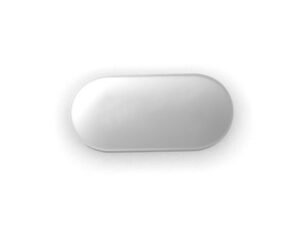
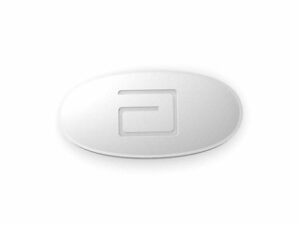
Lopid (Gemfibrozil) – Patient-Friendly Guide (Australia)
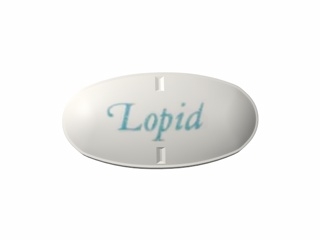
Lopid is a brand of gemfibrozil, a medicine used to help improve certain blood fats (lipids), particularly triglycerides. It may be prescribed as part of a broader plan that also includes diet, exercise, weight management, and reducing alcohol and sugar intake when appropriate.
This page explains how Lopid works, how it’s typically taken, what to watch for, and key interactions—so you can use your medicine more safely and confidently.
Basic product information
| Feature | Details |
|---|---|
| Active ingredient | Gemfibrozil |
| Brand name | Lopid |
| Medicinal use | Improves blood lipid profile, especially high triglycerides |
| Common form | Oral tablets (strength depends on local product presentation) |
| Typical setting | Used for selected patients with specific lipid problems and risk factors |
How Lopid works (mechanism of action)
Lopid belongs to a class of medicines called fibrates. In simple terms, gemfibrozil helps your body lower triglycerides by changing how fats are processed in the liver.
The main effects include:
- Reduced production of triglycerides in the liver
- Improved removal of triglyceride-rich particles from the bloodstream
- Possible increases in HDL (“good” cholesterol) in some people
It’s important to note: while lowering fats is beneficial, Lopid is not a substitute for heart-healthy lifestyle changes. Your clinician may also recommend medicines that target cholesterol (such as statins) depending on your individual risk profile.
Pharmacokinetics (how the body handles gemfibrozil)
Pharmacokinetics describes what happens to a medicine after you take it—absorption, distribution, metabolism, and elimination. For gemfibrozil, key practical points are:
- Absorption: Taken by mouth; absorption occurs after dosing.
- Distribution: Gemfibrozil distributes into body tissues and binds to plasma proteins.
- Metabolism: It is primarily metabolised in the liver.
- Elimination: Metabolites and drug-related products are removed from the body, mainly via renal and hepatic pathways.
- Duration: The medicine is designed for dosing over the day, with effects dependent on regular use.
Your prescriber may adjust dosing if you have kidney or liver issues and will monitor blood tests (e.g., lipid levels) to confirm the medicine is working safely for you.
What Lopid is used for (indications)
Lopid is used for selected patients with abnormal blood lipids, most commonly:
- High triglycerides (hypertriglyceridaemia), particularly when levels are high enough to increase the risk of complications.
- Mixed dyslipidaemia in certain cases where triglycerides are a major problem and the benefit outweighs risks.
Your healthcare team will consider your overall cardiovascular risk, existing medicines, and your lipid pattern before deciding whether gemfibrozil is appropriate.
Dosing and timing
Dosing must be individualised. Your clinician will determine the right dose based on your lipid results, age, kidney function, and medicine interactions. The information below is general guidance about how dosing is commonly structured.
Typical approach
- Oral dosing is usually divided into two doses per day.
- Gemfibrozil should often be taken before meals to support consistent absorption and effect.
How to take it (practical timing)
- Take your doses at times that fit your usual meal routine.
- If your plan is morning and evening, aim to take each dose before breakfast and before dinner (unless your prescriber advised otherwise).
- Try to take it at similar times each day to maintain steady exposure.
Missed dose: If you forget a dose, take it when you remember on the same day. If it’s close to the next dose, skip the missed dose—do not double up. If you are unsure, ask a pharmacist for advice.
Stopping: Do not stop early without advice. Stopping may allow triglycerides to rise again.
Food interactions and what to eat
Gemfibrozil is affected by food timing. Many patients are advised to take it before meals. Following your personalised directions matters.
General dietary support
For high triglycerides, lifestyle is a key part of treatment. Consider discussing:
- Reducing alcohol (alcohol can raise triglycerides)
- Reducing added sugars and refined carbohydrates
- Limiting high-fat, high-calorie foods
- Choosing a diet rich in vegetables, whole grains, lean proteins
- Maintaining a healthy weight if applicable
- Regular physical activity as advised
When to pay extra attention
- If your triglycerides are very high, your clinician may recommend more urgent dietary/alcohol measures to reduce risk.
- If you experience stomach upset, nausea, or reflux, talk to your pharmacist—timing with food may be adjusted.
Alcohol interactions
Alcohol can significantly influence triglyceride levels. For many patients, reducing or avoiding alcohol is strongly advised when triglycerides are elevated.
Why alcohol matters
- Alcohol may raise triglycerides, potentially counteracting the effect of gemfibrozil.
- Heavy alcohol use may affect the liver, which is important because gemfibrozil is metabolised in the liver.
If you drink alcohol, discuss safe limits with your clinician—especially if you have high triglycerides, fatty liver, or liver enzyme abnormalities.
Medicine interactions (important safety section)
Gemfibrozil has important drug interactions. Some combinations increase the risk of serious side effects such as muscle injury. Always tell your pharmacist and clinician about all medicines and supplements you use, including “natural” products.
High-risk interactions
One of the best-known safety issues with gemfibrozil is its interaction with certain lipid-lowering drugs:
- Statins (cholesterol-lowering medicines) – combining gemfibrozil with many statins can markedly increase the risk of muscle damage (myopathy/rhabdomyolysis).
- Repaglinide (used for diabetes) – gemfibrozil can increase repaglinide exposure, raising risk of low blood sugar.
Depending on your medication list, your prescriber may avoid certain combinations or adjust doses and monitor more closely.
Other interactions to discuss
- Blood thinners (anticoagulants) – fibrates can affect bleeding risk for some people; monitoring may be needed.
- Other lipid medicines – some combinations require careful planning due to safety concerns.
- Medicines cleared by the liver – gemfibrozil can affect metabolism pathways, changing levels of other drugs.
- Diabetes medicines – changes in lipid metabolism can influence glucose management, and drug interactions may also occur.
- Immunosuppressants and certain antivirals/antifungals – may require specialist input.
If you start, stop, or change the dose of any medicine, check whether it affects your lipid therapy.
Safety profile and side effects
Most people tolerate Lopid reasonably well, but side effects can occur. The table below lists common and important symptoms to watch for.
Common side effects
- Stomach or bowel effects such as nausea, indigestion, diarrhoea, or abdominal discomfort
- Headache
- Rash or skin irritation (less common)
Serious side effects (seek medical advice urgently)
- Muscle pain, weakness, or dark urine (possible muscle injury). This risk is higher with interacting medicines, especially some statins.
- Signs of liver problems: yellowing of eyes/skin (jaundice), severe fatigue, upper abdominal pain, or marked loss of appetite.
- Allergic reaction: swelling of face/lips, trouble breathing, widespread rash.
- Pancreatitis symptoms (rare but important in severe hypertriglyceridaemia): severe persistent upper abdominal pain, often with vomiting.
- Gallbladder symptoms: right upper abdominal pain, fever, or symptoms that suggest gallstones.
Seek urgent medical attention if you develop symptoms suggestive of serious complications.
Who needs extra caution?
- Kidney disease (reduced clearance may increase side effects)
- Liver disease or abnormal liver tests
- History of gallstones or bile duct problems
- High risk of drug interactions (for example, if you take a statin or diabetes medicines)
- Older adults or those with multiple medicines (polypharmacy)
Practical use tips (to help you get the best results)
- Keep up with blood tests: Lipid levels and liver-related tests may be monitored periodically to check response and safety.
- Maintain the lifestyle plan: Gemfibrozil works best alongside diet, weight management, and activity.
- Avoid heavy alcohol: It may worsen triglycerides and increase liver stress.
- Know your interaction list: Keep an updated list of your medicines (including over-the-counter and supplements) to review at appointments.
- Report muscle symptoms early: Tell your clinician promptly if you develop unusual muscle pain or weakness.
- Take consistently: Use a daily routine and consider alarms if you tend to miss doses.
- Stay hydrated and eat as advised: This can help reduce digestive side effects for some people.
Alternative options (other ways to manage high lipids)
Depending on your lipid profile and medical history, alternatives to gemfibrozil may include:
Medication alternatives (discuss with your clinician)
- Other fibrates (e.g., fenofibrate) – sometimes used for high triglycerides, with different interaction profiles.
- Statins – mainly lower LDL cholesterol; may be used if overall cardiovascular risk is a concern.
- Omega-3 fatty acids (prescription-strength in some settings) – can lower triglycerides in selected patients.
- Niacin – less commonly used due to side effect considerations in many regions.
- Other lipid-modifying strategies based on your specific lipid pattern.
Lifestyle and non-medicine options
- Nutrition changes targeting triglycerides (reduce sugar/refined carbs, limit alcohol)
- Weight loss if overweight
- Regular exercise
- Managing associated conditions such as diabetes, hypothyroidism, or kidney disease
Your clinician will choose alternatives based on safety, effectiveness for your triglyceride level, and compatibility with your other medicines.
Market and legal context for Australia
In Australia, medicines are regulated under the TGA (Therapeutic Goods Administration) framework. The availability of Lopid depends on product registration, prescriber requirements for reimbursement eligibility, and pharmacy supply processes.
Online pharmacies in Australia typically provide medicines according to Australian regulatory and safety requirements. If a medicine requires specialist oversight for safe use, the pharmacy will ensure you receive appropriate screening and counselling.
Always follow directions provided by your Australian healthcare professional and the product packaging.
Recent guidance and current clinical thinking
Clinical guidance continues to emphasise that:
- Triglyceride lowering should be targeted to the patient’s lipid pattern and risk.
- Drug choice should consider interactions, especially combinations that increase muscle injury risk.
- Lifestyle measures remain foundational—diet, alcohol reduction, and addressing diabetes/thyroid issues are strongly recommended.
- Regular monitoring of lipid levels and relevant safety markers is important for ongoing care.
Your clinician may update your plan based on new lab results, changing medicine lists, or evolving cardiovascular risk factors.
Delivery and availability (online pharmacy information)
Availability of Lopid may vary by strength and product presentation. If it’s not immediately in stock, reputable Australian online pharmacies can:
- Confirm whether the product is currently available from their suppliers
- Provide an expected dispatch timeframe
- Offer alternative equivalent options if appropriate (e.g., different brand/manufacturer, or a different triglyceride-lowering therapy)
Delivery options, cut-off times, and tracking depend on the pharmacy. Many Australian pharmacies provide:
- Standard and express shipping (varies by location)
- Trackable delivery
- Discrete packaging for privacy
For safety, keep medicines in the original packaging and store according to label instructions (often at room temperature, away from excess moisture and heat).
FAQ – Lopid (Gemfibrozil)
1) What is Lopid used for?
Lopid (gemfibrozil) is used to help treat high triglycerides and certain lipid abnormalities, as part of an overall cardiovascular risk reduction plan.
2) When should I take Lopid?
Common guidance is to take it before meals, typically split into two doses per day. Follow your personalised instructions from your healthcare professional and the product label.
3) Does Lopid need to be taken with food?
It’s usually taken before meals rather than with meals. However, if you get stomach upset, ask your pharmacist whether timing changes are appropriate for you.
4) Can I drink alcohol while taking Lopid?
Alcohol can raise triglyceride levels and may affect the liver. Many people with high triglycerides are advised to reduce or avoid alcohol. Ask your clinician what is safest for your situation.
5) What medicines should not be combined with gemfibrozil?
Some combinations carry higher risk—particularly certain lipid medicines (including many statins) due to increased muscle injury risk, and diabetes medicine repaglinide due to low blood sugar risk. Tell your pharmacist about every medicine you take to check interactions.
6) What side effects are most common?
Digestive symptoms (like nausea or diarrhoea) and headache are among the more common side effects. If side effects are severe, persistent, or worsening, contact your healthcare professional.
7) What symptoms mean I should seek urgent help?
Get urgent medical advice if you experience muscle pain/weakness with dark urine, yellowing of eyes/skin, signs of an allergic reaction, or severe abdominal pain—especially if accompanied by vomiting.
8) How long does it take to work?
Lipid improvements can be seen after starting therapy, but your clinician will usually check results with blood tests after an appropriate interval. Consistent daily dosing and lifestyle changes are important.
9) Will Lopid replace diet and exercise?
No. Lopid supports lipid control, but lifestyle changes are essential for long-term health and best results.
10) What if I miss a dose?
Take it when you remember unless it’s close to the next dose. Do not double up. If unsure, ask a pharmacist for guidance.
11) Are there alternatives if Lopid isn’t right for me?
Yes. Depending on your lipid pattern and other health conditions, your clinician may consider alternatives such as other fibrates, statins, or triglyceride-targeted options like omega-3 therapies—plus targeted lifestyle changes.
Important reminder
This information is designed to help you understand Lopid (gemfibrozil) in a general, patient-friendly way. Always rely on the advice of your healthcare professional and the directions on your medicine label. If you have questions about interactions, dosing, or side effects, ask your pharmacist.