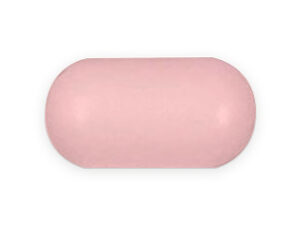
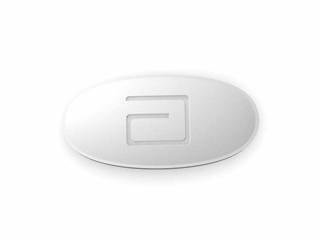
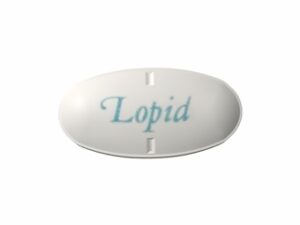
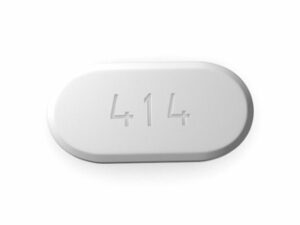
Tricor (Fenofibrate) – Patient Guide (Australia)
Tricor is a medicine containing fenofibrate, used to help manage certain types of abnormal blood fats (lipids), particularly high triglycerides and, in some cases, abnormal cholesterol patterns. This patient-friendly guide explains how Tricor works, how it’s taken, what to expect, key safety information, and important interactions—tailored for readers in Australia.
If you have specific health conditions (such as liver disease, kidney disease, gallstones, or a history of muscle problems), speak with a healthcare professional before starting or changing treatment.
1) Basic product information
- Medicine name: Tricor
- Active ingredient: Fenofibrate
- Therapeutic class: Fibrate (lipid-lowering medicine)
- Common forms: Oral tablets (strength varies by product)
- Who it may be for: People with elevated triglycerides (and/or mixed dyslipidaemia), as part of a broader cardiovascular risk plan
- Key goals: Lower triglycerides; help improve lipid levels to reduce risk of complications
Tricor is available in Australia as a prescription-only medicine. Online pharmacies may list it as available for supply where permitted by law.
2) What Tricor does (mechanism of action)
Fenofibrate is a fibrate. It mainly works by influencing how your body processes fats in the liver. In simplified terms, it helps:
- Reduce triglycerides: Fenofibrate increases the activity of enzymes that break down triglycerides.
- Improve cholesterol patterns: It may increase HDL (“good” cholesterol) and can lower LDL (“bad” cholesterol) in some people.
- Promote healthier lipid metabolism: It alters lipid transport and gene regulation involved in fat handling.
The effect is not immediate like an antacid or painkiller; lipid changes typically build over days to weeks, while the full effect may take longer depending on your starting levels and overall health plan.
3) Pharmacokinetics (how the body handles fenofibrate)
“Pharmacokinetics” refers to absorption, distribution, metabolism, and elimination. Key points include:
- Absorption: Fenofibrate is absorbed after oral administration. Absorption can be influenced by food.
- Metabolism: Fenofibrate is metabolised primarily in the liver, producing active metabolites.
- Distribution: The active form circulates in the blood and exerts effects on lipid metabolism.
- Elimination: Excretion occurs mainly through the kidneys (important for kidney function).
- Half-life: The active components have an elimination half-life long enough to allow once-daily or prescribed dosing schedules (depending on the product).
Because clearance involves the kidneys, people with impaired kidney function may need dose adjustments and closer monitoring.
4) Typical uses and indications in everyday terms
Tricor is used to manage certain lipid disorders. Indications vary by individual circumstances and product details, but commonly include:
- High triglycerides (hypertriglyceridaemia): Especially when levels are significantly raised.
- Mixed dyslipidaemia: Where triglycerides are elevated and other lipid parameters are also abnormal.
- Reducing risk from severe lipid elevations: Very high triglycerides can increase the risk of pancreatitis; lowering triglycerides is important.
Tricor is usually part of a broader plan that includes diet changes, exercise, weight management, and risk-factor control (such as blood sugar and blood pressure).
5) Dosing: what “typical” looks like (and why it may differ)
Dosing depends on your lipid levels, kidney function, and the specific Tricor product strength/formulation. For safety, always follow the dose given for you by a healthcare professional.
General principles:
- Start low, monitor: Clinicians may start with a dose that is appropriate to your risk and lab results.
- Kidney function matters: Dose adjustments may be necessary if kidney function is reduced.
- Regular blood tests: Lipid levels and certain safety labs (e.g., liver function, sometimes kidney-related tests and muscle-related assessment) may be monitored.
- Long-term use: Lipid management is usually ongoing; stopping abruptly may allow levels to rise again.
Important: This page provides general guidance. Exact dose and schedule depend on the product and your personal medical situation.
6) Timing: when to take Tricor and how to stay consistent
Fenofibrate is generally taken once daily for many formulations, but the exact schedule depends on the specific Tricor tablet strength. Choose a time that fits your day and stick to it.
Practical timing tips
- Take at the same time each day to help you remember.
- With food: Taking Tricor with a meal may improve absorption for certain formulations.
- Swallow whole with water; do not crush unless instructed.
- Missed dose: If you miss a dose, take it when you remember unless it’s close to the next scheduled dose. Do not double up.
If you’re unsure about the exact instructions for your particular product, check the consumer medicine information (CMI) leaflet supplied with your medication or ask your pharmacist.
7) Food interactions and absorption
Food can affect how fenofibrate is absorbed. In many cases, taking the tablet with meals improves consistency of drug uptake.
What to do
- Take with food as directed (for example, with breakfast or dinner, depending on what your instructions state).
- If you have a sensitive stomach, taking it with a meal may reduce stomach discomfort.
No special diet is required purely because of fenofibrate, but lipid-lowering medicines generally work best alongside: reducing refined carbohydrates and alcohol intake (where relevant), choosing healthier fats, increasing fibre, and maintaining a healthy weight.
8) Alcohol and medicine interactions
Alcohol can worsen triglycerides and may increase strain on the liver. When you’re taking lipid-lowering treatment, moderation is especially important.
Alcohol considerations
- Triglycerides: Alcohol can raise triglycerides in some people.
- Liver health: Combining alcohol with medicines that can affect liver function may increase risk.
- Pancreatitis risk: Very high triglycerides already raise pancreatitis risk; heavy alcohol intake may further increase risk.
Practical advice
- If you drink alcohol, discuss an appropriate limit with your healthcare professional.
- Report symptoms such as upper abdominal pain (especially severe or persistent), nausea/vomiting, or fever promptly.
9) Important medicine interactions
Interactions can change how well medicines work or increase side effects. Tell your pharmacist/doctor about all medicines you use, including over-the-counter products and supplements.
Common interaction areas
- Statins (cholesterol medicines): Some combinations may increase the chance of muscle-related side effects (e.g., myopathy/rhabdomyolysis) and require careful monitoring. Only use such combinations when specifically advised and monitored by a healthcare professional.
- Other lipid-lowering medicines: Combining therapies may be considered for complex lipid profiles, but requires monitoring to manage risks.
- Oral anticoagulants (blood thinners, e.g., warfarin): Fenofibrate may affect bleeding risk in some people. Monitoring of clotting parameters may be needed.
- Immunosuppressants / transplant medicines: Some may interact; medical review is important.
- Diabetes medicines: Changes in lipid metabolism and overall health can sometimes affect blood glucose patterns; monitoring may help.
- Kidney-impacting medicines: Because fenofibrate is cleared through the kidneys, medicines that affect kidney function may increase risk of side effects.
Your pharmacist can help check interaction risk based on your specific list of medicines.
10) Safety profile: what to know and when to get help
Most people tolerate Tricor well when used correctly. However, all medicines have possible side effects. The aim is to recognise warning signs early and seek timely advice.
Common or expected effects (may vary by person)
- Gastrointestinal symptoms (e.g., nausea, stomach discomfort)
- Mild changes in blood tests (e.g., liver enzyme elevations)
- Headache or dizziness in some people
Serious side effects (seek urgent medical advice)
Contact urgent medical services or seek urgent care if you develop symptoms suggestive of:
- Muscle injury: Unexplained muscle pain, tenderness, weakness, or dark-coloured urine—especially if severe.
- Liver problems: Yellowing of skin/eyes (jaundice), severe fatigue, unusual bruising, persistent upper abdominal pain, or dark urine.
- Allergic reaction: Swelling of face/lips, trouble breathing, widespread rash, or severe itching.
- Pancreatitis: Severe abdominal pain (often radiating to the back), vomiting, and fever—particularly relevant if triglycerides are very high.
Risk factors that may require extra monitoring
- Older age
- Kidney impairment
- Pre-existing liver disease
- History of muscle disorders or previous muscle side effects on lipid medicines
- Concomitant statin use or other medicines that increase muscle risk
- Heavy alcohol use
- Hypothyroidism (an underactive thyroid) or uncontrolled metabolic conditions
11) Practical use tips to get the best results
- Adhere to your lipid plan: Take Tricor consistently as directed and follow dietary and lifestyle advice.
- Keep your appointments: Blood tests are important to measure response and monitor safety.
- Track symptoms: Note any muscle pain, weakness, unusual bruising, abdominal discomfort, or dark urine.
- Review your medication list regularly: Include supplements and “natural” products.
- Don’t start/stop medicines on your own: Interactions may change risk.
- Hydrate and manage illness: Dehydration and serious illness can strain the kidneys and affect lab results; follow sick-day guidance from your clinician.
12) Alternative options for high triglycerides and dyslipidaemia
Treatment choices depend on your specific lipid pattern, cardiovascular risk, and underlying causes (such as diabetes, thyroid problems, alcohol intake, or certain medications). Alternatives may include:
Lifestyle-focused alternatives (often foundational)
- Reducing added sugars and refined carbohydrates
- Limiting alcohol (especially if triglycerides are elevated)
- Weight loss if overweight
- Regular physical activity
- Managing blood glucose if you have diabetes
Medication alternatives (as determined by a clinician)
- Statins (for raised LDL and cardiovascular risk reduction)
- Omega-3 fatty acids (in selected cases for triglyceride lowering)
- Other lipid-modifying medicines depending on your lipid profile and risk
Some people use combinations, while others may switch medicines based on lab results and tolerability. A healthcare professional can help determine the best fit for you.
13) Market and legal context in Australia (patient view)
In Australia, Tricor (fenofibrate) is regulated by the Australian regulatory framework for medicines and is supplied according to Australian law and pharmacy requirements.
- Availability: Typically supplied via pharmacies under applicable categories of supply.
- Safety standards: Tricor must meet Australian standards for manufacturing, labelling, and quality.
- Ongoing monitoring: Lipid-lowering therapy often requires regular blood tests, reflecting clinical and safety practices in Australia.
Australia’s medicines guidance and clinical practice are informed by ongoing research and health authority recommendations. If you want the most current local clinical advice, ask your pharmacist or clinician.
14) Recent guidance and how recommendations may evolve
Clinical guidance for lipid disorders can evolve as evidence improves and as monitoring strategies are updated. Recent emphasis in many guidelines worldwide includes:
- Using lipid-lowering therapy alongside evidence-based lifestyle changes
- Individualising treatment targets based on overall cardiovascular risk
- Careful monitoring for liver and muscle safety
- Attention to kidney function when using fenofibrate
- Reviewing combination therapy risks (especially statin–fibrate combinations)
If you have questions about what’s recommended for your situation, a clinician can interpret guidance based on your latest blood results and medical history.
15) Delivery and availability (online pharmacy)
Many Australian online pharmacies provide delivery services for eligible medicines. Availability can depend on stock levels, product strength, and supply chain timelines.
What to expect when ordering online
- Verification: Online pharmacies may require identity and prescription/supply documentation as required by law.
- Stock status: Some brands may show “in stock” or “back order”; delivery times can vary.
- Packaging: Medicines are typically packed securely to protect tablets and ensure safe handling.
- Tracking: Delivery tracking is often available for shipments within Australia.
For the most accurate delivery estimate, check the product page at the time of ordering.
16) Summary table: key takeaways for Tricor
| Topic | What to know |
|---|---|
| Active ingredient | Fenofibrate |
| Main benefit | Helps lower triglycerides and can improve other lipid measures |
| How it works | Affects lipid metabolism in the liver, increasing breakdown of triglycerides |
| How to take | Follow your dosing instructions; often once daily and taken with food |
| Absorption | Food may influence absorption; take with meals if directed |
| Kidney considerations | Elimination involves the kidneys; monitoring may be required |
| Alcohol | Can worsen triglycerides and may increase liver-related risk—moderation is important |
| Interactions | Extra caution with statins, anticoagulants (e.g., warfarin), and kidney-affecting medicines |
| Seek urgent help | Severe muscle pain/weakness, jaundice, signs of pancreatitis, or allergic reaction |
17) FAQ – Tricor (fenofibrate)
How long does it take for Tricor to work?
Lipid levels may start to change within the first few weeks. The full effect is typically assessed by blood tests scheduled by your clinician, often after several weeks of consistent use.
Should I stop eating fats completely while taking Tricor?
No. A balanced diet is usually best. The goal is not “no fat,” but healthier food choices—especially reducing refined carbohydrates and excess sugars. Your pharmacist or dietitian can tailor advice for your lipid pattern and overall health.
Can I take Tricor with a statin?
Sometimes, combination therapy is used when benefits outweigh risks. However, combining fenofibrate with statins can increase the chance of muscle-related side effects. Only use combinations under clinical direction with appropriate monitoring.
What blood tests should I expect?
Your clinician may monitor:
- Lipid levels (triglycerides, LDL, HDL)
- Liver function tests
- Kidney function (especially if there is pre-existing kidney disease)
- Sometimes additional assessments if you develop symptoms suggestive of muscle injury or other concerns
What should I do if I miss a dose?
Take it when you remember unless it’s close to your next dose. Do not double up. If you’re unsure, ask your pharmacist for advice based on your dosing schedule.
Is Tricor safe for everyone?
Not necessarily. Safety depends on your health conditions and medicines you take—especially kidney/liver function and risk of muscle problems. People with certain medical histories may need dose adjustments or extra monitoring.
Can I drink alcohol while on Tricor?
It’s best to keep alcohol intake low or avoid heavy drinking. Alcohol can raise triglycerides and may increase liver-related risk. Ask your clinician for a personal recommendation.
What symptoms mean I should contact a doctor urgently?
Seek urgent medical attention for:
- Severe or persistent muscle pain, weakness, or dark urine
- Signs of liver problems (jaundice, severe fatigue, persistent upper abdominal pain)
- Severe abdominal pain with vomiting or fever (possible pancreatitis)
- Allergic reaction symptoms (swelling, trouble breathing, widespread rash)
Are there natural supplements that can replace Tricor?
Some supplements may affect lipid levels, but evidence and safety vary widely. Supplements can also interact with medicines. Do not replace prescribed lipid treatment with supplements without medical advice.
Where can I get Tricor delivered in Australia?
Availability depends on the pharmacy supplier and stock status. Check the product page for delivery areas, dispatch time, and courier options.
Final reminder
Tricor (fenofibrate) is a lipid-modifying medicine used to manage high triglycerides and certain lipid disorders. For best outcomes, take it as directed, follow lifestyle advice, and attend recommended blood tests. If you experience concerning symptoms—especially muscle pain/weakness, jaundice, or severe abdominal pain—seek prompt medical help.