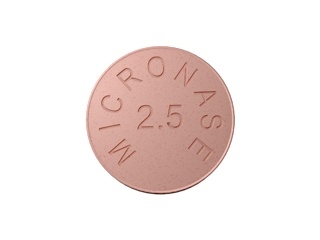
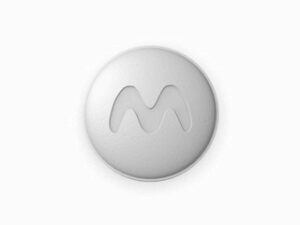
Micronase (Glyburide) – Patient Information
Micronase is a brand of glyburide (also known as glibenclamide in some countries). It is an oral medicine used to help control blood glucose in people with type 2 diabetes mellitus. This guide is designed to be clear and practical, explaining how Micronase works, how it’s typically taken, and key safety considerations—especially around low blood sugar.
Important: Diabetes medicines should be used as part of an overall plan that includes healthy eating, physical activity, and regular monitoring. Individual needs vary.
Basic Product Information
| Feature | Details |
|---|---|
| Medicine | Micronase |
| Active ingredient | Glyburide |
| Medicine type | Oral blood-glucose-lowering medicine (sulfonylurea) |
| Common use | Type 2 diabetes (adult) |
| How it’s taken | By mouth, usually once or twice daily with food |
| Main benefit | Helps lower blood glucose by increasing insulin release |
How Micronase Works (Mechanism of Action)
Micronase belongs to the class of medicines called sulfonylureas. It works primarily by:
- Stimulating insulin release from pancreatic beta cells.
- Increasing the amount of insulin released when blood glucose is elevated.
Because it depends on the pancreas producing some insulin, its effectiveness may decrease over time in people whose beta-cell function declines.
Pharmacokinetics (Absorption, Distribution, Metabolism, Elimination)
Understanding how the body handles glyburide helps explain why dosing and meal timing matter.
- Absorption: Glyburide is absorbed after oral dosing. Time to maximum effect depends on formulation and individual factors.
- Distribution: It circulates in the bloodstream and can bind to plasma proteins.
- Metabolism: It is metabolised mainly in the liver.
- Elimination: Metabolites are excreted through urine and/or bile.
- Duration of effect: The glucose-lowering effect can persist for a substantial part of the day, which is why missed meals and changes in activity can raise the risk of hypoglycaemia.
Clinical implication: Even when the dose is correct, timing with meals is crucial to reduce risk of low blood sugar.
Typical Use in Type 2 Diabetes
Micronase is used to improve blood glucose control in adults with type 2 diabetes. It is often considered when lifestyle changes (diet, exercise, weight management) alone do not sufficiently control glucose.
In some cases, it may be used:
- As monotherapy (one medicine), or
- With other glucose-lowering medicines when additional control is needed.
Because glyburide can cause low blood sugar, clinicians often start with conservative dosing and adjust gradually based on monitoring results.
Indications (When Micronase Is Used)
Micronase is indicated for:
- Type 2 diabetes mellitus in adults, to improve glycaemic control.
Micronase is not used for type 1 diabetes and is not intended for treating diabetic ketoacidosis.
How to Take Micronase: Timing and Dosing
Always follow your healthcare professional’s instructions. Below are general guidance principles.
Typical dosing approach
- Start low to reduce the risk of hypoglycaemia.
- Adjust based on blood glucose readings and/or HbA1c results.
- Doses may be divided depending on your regimen and response.
Timing with food
Glyburide should generally be taken with breakfast or with meals as directed. Many people take it:
- Once daily with the first main meal, or
- Twice daily (e.g., morning and evening) with meals.
Why timing matters: If you take Micronase but delay or skip meals, your blood glucose may drop too low.
Missed dose
- If you miss a dose, do not double it to catch up.
- Take your next dose at the usual time with food, unless your clinician advises otherwise.
Overdose caution
Taking too much may cause prolonged hypoglycaemia. If overdose is suspected, seek urgent medical advice or emergency help.
Food Interactions and Meal Guidance
Food does not “neutralise” the medicine, so meal consistency is important.
- Take with food: Taking Micronase with a meal reduces the risk of low blood sugar.
- Do not skip meals: Skipping meals is a common trigger for hypoglycaemia in people taking sulfonylureas.
- Carbohydrate intake: Keep carbohydrate intake consistent unless your diabetes plan specifies otherwise.
- Changes in diet or appetite: If your appetite decreases (e.g., illness, nausea, reduced intake), you may be at increased risk of hypoglycaemia.
Alcohol Interactions
Alcohol can affect blood glucose in multiple ways, including increasing the risk of low blood sugar—particularly when meals are skipped or when alcohol intake is moderate to high.
- Hypoglycaemia risk: Alcohol may increase the likelihood of low blood sugar.
- Delayed lows: Low blood sugar can occur hours after drinking, especially if you eat less than usual.
Practical advice: If you choose to drink alcohol, do so with food and monitor blood glucose more frequently. Ask your clinician what amount is safest for you.
Medicine Interactions (Important Safety Topic)
Some medicines can change how glyburide works or increase the risk of hypoglycaemia or treatment failure. Always tell your healthcare professional and pharmacist about all medicines you take, including over-the-counter products and supplements.
Examples of interaction types
- Medicines that may increase hypoglycaemia risk (by increasing glyburide effect): some drugs can raise glyburide levels or enhance glucose-lowering.
- Medicines that may reduce glycaemic control (by opposing glucose-lowering): some medicines may raise blood glucose.
- Medicines affecting liver metabolism or kidney function: these can alter glyburide levels.
Extra caution if you use insulin or other glucose-lowering medicines
Combining Micronase with other therapies that lower glucose can increase hypoglycaemia risk. Dosing adjustments may be needed.
Always check before starting new medicines
Particular care is needed with:
- Prescription medicines
- Frequent pain medicines or steroids (which can affect glucose levels)
- Some antibiotics and antifungal medicines
- Herbal products and supplements that may affect metabolism
If you want, you can share a list of your current medicines (with doses) and we can help identify general interaction risks to discuss with your pharmacist.
Safety Profile: Key Side Effects and When to Seek Help
Most important adverse effect: Hypoglycaemia
Low blood sugar is the hallmark risk of sulfonylurea therapy. It may occur if:
- a dose is too high for your needs
- you miss meals
- you eat less than usual
- you exercise more than planned
- you drink alcohol
- you take medicines that enhance the glucose-lowering effect
Common symptoms include:
- sweating, trembling, or shaking
- palpitations
- hunger, nausea
- confusion, irritability, headache
- dizziness or weakness
Severe symptoms (e.g., inability to swallow, fainting, seizures) require urgent emergency treatment.
Other possible side effects
- Weight gain: may occur with sulfonylureas.
- GI symptoms: nausea or stomach discomfort in some people.
- Skin reactions: rash (rare).
- Blood changes: rare and usually detected via blood tests.
- Allergic reactions: uncommon but serious—seek urgent care if swelling or breathing problems occur.
Who needs extra caution?
- Older adults (higher risk of hypoglycaemia)
- People with kidney impairment or reduced ability to clear the medicine
- People with irregular eating patterns
- Those who have had prior hypoglycaemia
Practical Use Tips (Get the Best and Safest Results)
- Monitor glucose as advised: Check your blood glucose regularly, particularly when starting or adjusting dose.
- Keep meals consistent: Regular meal timing reduces glucose dips.
- Carry fast sugar: Glucose tablets or sugary drinks can rapidly raise blood sugar during mild lows.
- Plan exercise: If you plan extra activity, you may need additional carbs—ask your clinician for a plan.
- Know hypoglycaemia signs: Symptoms can vary. Don’t “ignore” early warning signs.
- Be cautious with illness: Vomiting, reduced intake, or fever can increase the chance of hypoglycaemia.
- Use a medical ID: A diabetes identifier can help in emergencies.
Driving and operating machinery: If you feel symptoms of low blood sugar, don’t drive. Treat low blood sugar first and wait until you are stable. Your clinician can advise based on your readings and risk profile.
Alternatives to Micronase (Glyburide)
Depending on your health profile, there are several alternative approaches for type 2 diabetes management. Your clinician can choose based on efficacy, side-effect risk, weight effects, kidney function, and cardiovascular considerations.
Common alternatives (by medicine class)
- Other sulfonylureas: sometimes used if glyburide isn’t suitable.
- Metformin: often a first-line option for many adults.
- DPP-4 inhibitors (e.g., sitagliptin, linagliptin).
- SGLT2 inhibitors (e.g., empagliflozin, dapagliflozin) for selected patients.
- GLP-1 receptor agonists (injection) for selected patients.
- Insulin in some cases when glucose levels are high or control is not achieved with tablets.
Why alternatives may be considered: Some options carry a lower risk of hypoglycaemia than sulfonylureas and may influence weight differently. For specific advice, discuss with your clinician.
Market & Legal Context for Australia
In Australia, medicines are regulated under the Therapeutic Goods Administration (TGA). Availability and brand names can vary by jurisdiction and supply arrangements. Patients generally receive diabetes medicines through registered healthcare pathways, with pharmacists supporting safe use.
For people living in Australia, diabetes management is commonly guided by Australian clinical practice, including the role of lifestyle measures and the use of glucose-lowering medicines tailored to individual risk factors.
Note: Product presentation (strengths, tablet type) and prescribing practices may vary depending on the individual and local supply.
Recent Guidance and Clinical Considerations
Diabetes treatment approaches evolve over time. In recent years, Australian and international guidance has increasingly emphasised:
- Individualised therapy based on age, comorbidities, kidney function, and cardiovascular risk.
- Minimising hypoglycaemia risk where possible, especially in older adults or those with higher vulnerability.
- Use of medicines with proven broader benefits in selected patients (depending on their profile), such as certain SGLT2 inhibitors or GLP-1 receptor agonists.
For patients already stable on glyburide, changes should be made only with clinician guidance, balancing benefits and risks. If you are experiencing frequent low blood sugar, unplanned weight gain, or poor control, it’s important to discuss options promptly.
Delivery and Availability (Australia)
Micronase (glyburide) may be supplied through Australian pharmacy channels depending on stock availability. Delivery services may be offered within Australia by online pharmacies, subject to local regulations and product availability.
- Availability: Stock levels can change—delivery timelines may vary.
- Packaging: Medicines are typically dispatched in original manufacturer packaging.
- Cold-chain: Glyburide tablets do not usually require refrigeration, but always check the product label.
If you need help confirming stock or delivery timelines, you can contact the pharmacy’s support team.
Storage Advice
- Store tablets below 25°C (unless the label states otherwise).
- Keep in the original container and out of reach of children.
- Protect from excess moisture and heat.
- Do not use after the expiry date.
FAQ – Frequently Asked Questions
1. What is Micronase used for?
Micronase (glyburide) is used to help control blood glucose in adults with type 2 diabetes as part of a broader diabetes management plan.
2. How quickly does Micronase work?
It begins lowering blood glucose after a dose, but the full benefit is best judged over time using blood glucose monitoring and HbA1c results. Individual responses vary.
3. Can I take Micronase if I skip meals?
It’s generally not recommended to skip meals while taking a sulfonylurea. Skipping meals can increase the risk of hypoglycaemia. If your meal schedule changes, speak with your clinician about dose adjustments.
4. What should I do if I feel symptoms of low blood sugar?
Check your blood glucose if possible. If symptoms suggest low sugar and you can’t test immediately, treat with fast-acting carbohydrate (e.g., glucose tablets or sugary drink), then recheck and follow your diabetes plan. If symptoms are severe or you can’t swallow, seek urgent help.
5. Does Micronase cause weight gain?
Weight gain can occur with sulfonylureas in some people. Keeping diet and activity consistent can help manage weight.
6. Can I drink alcohol while taking Micronase?
Alcohol can increase the risk of low blood sugar. If you choose to drink, do so with food and monitor your blood glucose more closely. Ask your clinician about what’s safest for you.
7. What medicines should I be careful about?
Some antibiotics, antifungals, steroids, and other diabetes medicines can interact with glyburide—either increasing hypoglycaemia risk or affecting glucose control. Always review your full medicine list with your pharmacist.
8. Is Micronase suitable for everyone with diabetes?
Micronase is for type 2 diabetes in adults. It is not for type 1 diabetes and may not be suitable for people with certain medical conditions or higher risk of hypoglycaemia. Your healthcare professional can assess suitability.
9. What if my blood sugar is still high?
High readings may mean the dose is not sufficient, meals or activity have changed, or another condition is affecting glucose (such as infection). Contact your healthcare professional for advice—don’t change doses yourself.
10. What are common early warning signs of hypoglycaemia?
Sweating, shaking, hunger, palpitations, dizziness, headache, confusion, or unusual tiredness can be early warning signs. If you notice these, check your glucose and treat according to your diabetes plan.
Summary
Micronase (glyburide) is an oral sulfonylurea medicine used to treat type 2 diabetes by increasing insulin release from the pancreas. It can be effective for lowering blood glucose, but it requires careful attention to meal timing, alcohol intake, and drug interactions due to the risk of hypoglycaemia. With regular monitoring and practical day-to-day habits, many people can use Micronase safely as part of a personalised diabetes plan.