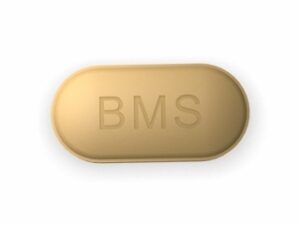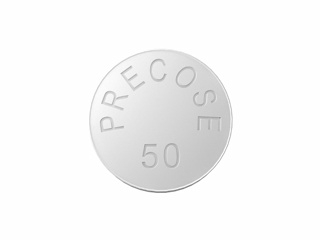

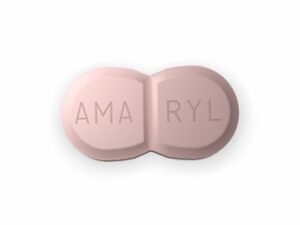
Acarbose (Patient Guide) – Information for People in Australia
Acarbose is a medicine used to help manage blood glucose (sugar) levels, particularly after meals. It works in the gut by slowing carbohydrate digestion so that less glucose is absorbed quickly from starchy foods and table sugar.
This guide explains how acarbose works, when and how to take it, what to expect, possible side effects, important food and medicine interactions, and practical tips to help you get the best results. It also includes Australia-specific market and supply context and answers common questions.
Basic product information
| Category | Details |
|---|---|
| Medicine name | Acarbose |
| Common uses | Improving blood glucose control in adults with type 2 diabetes; sometimes used in impaired glucose tolerance in line with local guidance |
| How it works | Slows breakdown of dietary carbohydrates in the intestine (alpha-glucosidase inhibitor) |
| Typical dosing schedule | Taken with the first bite of each main meal to reduce post-meal glucose rises |
| Common expected effect | Reduced post-meal blood sugar spikes; possible gastrointestinal side effects (gas, bloating, diarrhoea) |
How acarbose works (mechanism of action)
After you eat, carbohydrates are broken down into smaller sugars before absorption occurs. Acarbose is an alpha-glucosidase inhibitor. It acts in the small intestine to delay the breakdown of complex carbohydrates and disaccharides (including some starches and table sugar) into absorbable glucose.
By slowing carbohydrate digestion, acarbose helps:
- Reduce the rate of glucose absorption, especially after meals
- Lower post-meal blood glucose spikes
- Support overall diabetes management when used alongside diet, exercise, and other therapies
Note: Acarbose primarily targets carbohydrates you eat. It does not directly lower blood sugar by stimulating insulin release from the pancreas.
Pharmacokinetics (how the body handles acarbose)
Understanding pharmacokinetics helps explain why acarbose is taken with food and how it behaves in the body.
- Absorption: Acarbose has limited absorption into the bloodstream. Most of its activity occurs within the gastrointestinal tract.
- Metabolism: It is metabolised in the gut and the metabolites contribute to the overall effect.
- Elimination: The medicine and metabolites are largely eliminated through the gastrointestinal tract and to a lesser extent through the kidneys.
Because its main action is local in the intestine, the timing of doses with meals is important for the best blood glucose benefit and to reduce avoidable side effects.
Typical uses and indications (what it’s for)
Acarbose is used to improve glycaemic control, particularly by reducing post-prandial glucose excursions. Indications vary by product formulation and local prescribing practices in Australia.
Typical clinical uses include:
- Type 2 diabetes mellitus: as part of a structured diabetes management plan to improve blood glucose control, often in combination with other glucose-lowering treatments.
- Impaired glucose tolerance / prediabetes: in selected patients as part of an overall lifestyle strategy (food and activity), where recommended by treating clinicians and consistent with local guidance.
Your individual suitability depends on your medical history (including gut conditions and liver function), other medicines, and your overall diabetes plan.
How and when to take acarbose (timing and practical approach)
The most important practical rule is that acarbose should be taken with the first bite of each main meal. This ensures it is present in the gut when carbohydrates are being digested.
Timing checklist
- With the first bite: Take your acarbose at the start of eating.
- Do not take “later”: Taking it after the meal begins can reduce effectiveness.
- Skip doses if you skip the meal: If you do not eat, don’t take the dose.
- Consistency helps: Try to take it at the same time each day with your meal routine.
Dose ramp-up (to reduce side effects)
Many people experience gastrointestinal symptoms when they start acarbose, especially if the dose increases quickly. A dose titration schedule is often used. Start low and increase gradually as advised to improve tolerability.
Dosing (general guidance)
Doses vary depending on the person and the product strength available in Australia. Follow the directions provided by your healthcare professional and the product label. The points below are general information.
Common dosing pattern
- Start: Often a lower initial dose to improve gut tolerability.
- Increase gradually: Dose may be increased stepwise at intervals depending on response and side effects.
- With meals: Split doses are typically taken with breakfast, lunch, and/or dinner depending on meal frequency and prescribed regimen.
If you miss a dose
- If you remember during the meal, take it with your food if appropriate.
- If you have already finished the meal, skip the dose and take your next dose with the next meal.
- Do not double up.
Food interactions and diet advice
Acarbose reduces carbohydrate digestion in the intestine. As a result, what you eat matters—both for blood glucose control and for side effects.
Carbohydrate “indigestion” can cause GI symptoms
Undigested carbohydrates in the gut can be fermented by gut bacteria, which may lead to:
- Gas (flatulence)
- Bloating
- Abdominal discomfort
- Diarrhoea or looser stools
Practical meal tips
- Distribute carbohydrates: Eat consistent meals rather than large, sudden carbohydrate loads.
- Choose lower GI options when possible: Whole grains, legumes, and vegetables may help reduce glucose spikes and may be better tolerated.
- Limit large portions of refined starches: Large servings of white bread, pasta, pastries, or sugary foods can increase GI effects.
- Monitor your response: Pay attention to which meals trigger symptoms and discuss adjustments with your clinician.
Sugar and sweeteners
Acarbose can reduce the breakdown of certain dietary sugars. Importantly, if you experience hypoglycaemia while using acarbose in combination with other medicines, you may need rapid-acting glucose rather than table sugar. This is because the conversion of sucrose may be less effective.
Always follow the hypoglycaemia advice provided by your healthcare team. A common recommendation is to use glucose (dextrose) tablets or gels for fast relief.
Alcohol and acarbose interactions
Alcohol does not directly “neutralise” acarbose, but alcohol can affect blood glucose levels and can increase the risk of low sugar episodes in some people—especially if combined with other diabetes medicines or if you drink without eating.
Safety considerations
- Hypoglycaemia risk: Alcohol can lower blood glucose, particularly when consumed with limited food.
- GI upset: Alcohol may worsen stomach upset, which can overlap with acarbose’s gastrointestinal side effects.
- General advice: If you choose to drink, do so with meals, monitor your blood glucose, and keep to safe drinking guidelines.
If you have liver disease, are at risk of pancreatitis, or have experienced hypoglycaemia previously, discuss alcohol with your doctor or pharmacist.
Medicine interactions (including important “avoid or monitor” examples)
Acarbose can interact with other medicines. Some interactions can reduce effectiveness; others can affect safety. Always inform your pharmacist or clinician about all medicines, including over-the-counter products and supplements.
Potential interactions to be aware of
- Other glucose-lowering medicines (e.g., insulin, sulfonylureas, meglitinides): Combined use can increase the risk of hypoglycaemia. Acarbose itself is less likely to cause hypoglycaemia on its own, but combination therapy can.
- Digestive enzymes and fibre supplements: Some enzyme supplements or digestive aids might reduce the intended effect of acarbose. Discuss whether to separate them or avoid them.
- Adsorbents (e.g., some gut binders): These may alter the availability/effect of medicines taken in the gut.
- Medicines that affect gut function: Laxatives, frequent antidiarrhoeals, or medications that significantly change bowel movement patterns may change how you tolerate acarbose.
- Some diabetes-related regimens: If you are adjusting your insulin or other medicines, dose changes should be coordinated to reduce hypoglycaemia risk.
This is not an exhaustive list. Your pharmacist can check interactions based on the exact acarbose brand and your personal medicine list.
Safety profile (side effects and when to seek help)
Like all medicines, acarbose can cause side effects. Many are gastrointestinal and often improve as your body adapts and as doses are titrated gradually.
Common side effects
- Flatulence (gas)
- Bloating
- Abdominal discomfort
- Diarrhoea or loose stools
- Nausea (less common)
These effects tend to be more noticeable when meals contain higher carbohydrate content or when doses are increased too quickly.
Serious side effects (seek medical advice promptly)
Contact a healthcare professional urgently if you experience signs of a serious allergic reaction or severe complications, such as:
- Swelling of the face, lips, or throat; difficulty breathing; widespread rash (possible allergy)
- Severe or persistent diarrhoea leading to dehydration
- Severe abdominal pain
- Yellowing of the skin/eyes or dark urine (possible liver-related issues; discuss promptly)
Who should use extra caution?
You may need additional monitoring or a different treatment if you have:
- Significant gastrointestinal disease (e.g., inflammatory bowel conditions)
- Marked digestive disorders or malabsorption
- Liver problems (discuss monitoring needs)
- Frequent severe diarrhoea
Your clinician may also advise blood tests if needed to monitor safety in your individual situation.
Practical use tips (to improve tolerability and results)
- Start low and go slow: If your regimen includes titration, stick to the schedule.
- Take with your first bite: Timing affects both effectiveness and side effects.
- Consider meal size: Large carbohydrate portions can increase GI effects.
- Track patterns: Note meals and symptoms for the first few weeks to identify triggers.
- Stay hydrated: If you get diarrhoea, maintain fluid intake.
- Don’t “replace” low sugar management plans: If you’re at risk of hypoglycaemia on combination therapy, keep your hypoglycaemia plan and rapid-acting glucose available.
- Regular monitoring: Follow your diabetes monitoring plan (e.g., blood glucose checks and HbA1c tests as scheduled).
Alternative options (other ways to manage post-meal glucose)
Treatment decisions depend on your overall health, current diabetes control, and other medicines. Alternatives can include:
Other medication classes commonly used in type 2 diabetes
- Metformin: Often first-line; helps reduce liver glucose production and improves insulin sensitivity.
- Sulfonylureas / meglitinides: Stimulate insulin release (may increase hypoglycaemia risk).
- DPP-4 inhibitors: Help regulate post-meal glucose with typically low hypoglycaemia risk.
- GLP-1 receptor agonists: Improve glucose control and can support weight management.
- SGLT2 inhibitors: Promote glucose loss through urine; require appropriate kidney function and safety screening.
- Insulin: For more advanced disease or specific clinical circumstances.
Non-medicine strategies
- Meal planning: Balanced carbohydrates, protein, and fats; choose high-fibre foods.
- Portion control: Smaller carbohydrate servings often improve post-meal glucose.
- Physical activity: Walking after meals can reduce glucose spikes.
- Diabetes education: Understanding carbohydrate counting and hypoglycaemia management.
If acarbose is not tolerated, your clinician may adjust the dose, switch to another agent, or change your meal plan approach.
Alcohol, driving, and everyday considerations
Acarbose itself is not usually associated with drowsiness. However, if you experience gastrointestinal upset or if you have episodes of low blood sugar due to combination therapy, this can affect your ability to drive or operate machinery.
- Hypoglycaemia awareness: Know the early signs (sweating, shakiness, palpitations, hunger, dizziness).
- Carry fast sugar: If you are using combination therapies, carry rapid-acting glucose.
- Hydration and comfort: If you have diarrhoea or cramping, plan accordingly.
Market and legal context for Australia
In Australia, medicines are regulated by the Therapeutic Goods Administration (TGA). Supply depends on approved indications, product formulations, and listing status in the Australian medicines landscape. Availability can vary by brand, strength, and whether supply is consistent across wholesalers and pharmacies.
Your ability to obtain acarbose may depend on:
- The medicine’s category and how it is scheduled under Australian regulations
- Whether the product is currently stocked by your chosen pharmacy
- Local prescribing and dispensing requirements
For exact product information (including whether a product is currently available and its strengths), consult the pharmacy listing or speak to a pharmacist.
Recent guidance and what to monitor
Diabetes care in Australia is guided by national clinical practice recommendations and updated evidence-based pathways. While guidance can evolve, the consistent themes include:
- Individualised treatment: Based on blood glucose levels, comorbidities, kidney function, and patient preferences.
- Addressing post-meal glucose: Lifestyle and medication choices can target meal-related glucose spikes.
- Safety monitoring: Monitoring for side effects (especially GI effects for acarbose) and for hypoglycaemia risk when used with other glucose-lowering medicines.
If you’re starting acarbose, it’s common for clinicians to suggest careful dose titration and monitoring during the initial period. If you already use it, review ongoing tolerance and effectiveness at regular diabetes reviews.
Delivery and availability (online pharmacy information)
Availability of specific brands and strengths can vary. When ordering online in Australia, delivery times depend on stock status, packaging, and your location. Many online pharmacies provide:
- Real-time stock checking (where available)
- Secure packaging to protect tablets from heat and damage
- Tracking for eligible deliveries
- Clear delivery estimates at checkout
If your preferred brand is unavailable, ask the pharmacy whether there is a substitute equivalent strength and formulation that is suitable for your treatment plan.
FAQ about acarbose
1. What is acarbose used for?
Acarbose is used to help improve blood glucose control, especially by reducing post-meal sugar rises. It is commonly used in type 2 diabetes as part of a broader diabetes plan.
2. When should I take acarbose?
Take it with the first bite of each main meal. If you don’t eat, you typically skip that dose. Correct timing helps it work where it’s intended—within the intestine during carbohydrate digestion.
3. Why do I get gas or diarrhoea?
Because acarbose slows digestion of some carbohydrates, more carbohydrate remains in the gut and can be fermented by bacteria. This may cause gas, bloating, and diarrhoea. Symptoms often improve with gradual dose titration and by adjusting meal carbohydrate amounts.
4. Can I take acarbose if I drink alcohol?
You can often drink alcohol safely if you manage diabetes carefully, but alcohol can affect blood glucose and may worsen stomach upset. If you drink, do it with food, monitor your glucose, and follow safe drinking guidelines. Seek advice if you have a history of hypoglycaemia or liver problems.
5. Does acarbose cause low blood sugar?
Acarbose alone has a lower risk of hypoglycaemia. However, if you use it with medicines that can cause low blood sugar (such as insulin or sulfonylureas), the risk increases. Use your personalised hypoglycaemia plan and keep rapid-acting glucose available.
6. What should I do if I miss a dose?
If you miss a dose, do not double up. Take your next dose with your next main meal. If you’re unsure, ask a pharmacist for advice based on your dosing schedule.
7. Are there foods I should avoid?
You don’t necessarily need to avoid all carbohydrates, but large or highly refined carbohydrate portions can worsen gastrointestinal side effects. Aim for consistent meals and discuss diet strategies with a diabetes educator or dietitian.
8. Can I combine acarbose with other diabetes medicines?
Yes, it’s commonly used in combination therapy. Combination therapy should be monitored because of the increased risk of hypoglycaemia when other agents are insulin- or insulin-stimulating. Your clinician may adjust doses if needed.
9. What are the most common side effects?
The most common are gastrointestinal: gas, bloating, abdominal discomfort, and diarrhoea. These are often dose-related and may improve over time.
10. When should I seek urgent medical help?
Seek urgent advice if you develop severe diarrhoea with dehydration, severe abdominal pain, signs of an allergic reaction (such as swelling of the face or difficulty breathing), or symptoms suggesting serious problems (e.g., jaundice).
Summary
Acarbose helps reduce post-meal blood glucose spikes by slowing carbohydrate digestion in the intestine. It’s most effective when taken with the first bite of each main meal and is often started with a gradual dose titration to improve tolerance. While gastrointestinal side effects are common, many people find they improve with time and with appropriate meal planning.
If you have questions about suitability, interactions, or how to manage side effects, speak with a pharmacist. For personalised diabetes management, follow your clinician’s plan and monitor your blood glucose as recommended.