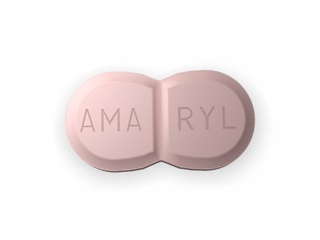

Amaryl (Glimepiride) – Patient-Friendly Guide (Australia)
Amaryl contains glimepiride, a medicine used to help control blood glucose in people with type 2 diabetes. This guide explains how it works, how it’s typically taken, and what to watch for. Always follow your clinician’s instructions and the product label for your individual situation.
1) Basic product information
- Medicine name: Amaryl
- Active ingredient: Glimepiride
- Drug class: Sulfonylurea (second generation)
- Common strengths (varies by product/availability): Tablets (strengths depend on local supply)
- What it’s used for: Improving blood sugar control in type 2 diabetes
Amaryl is generally used when diet, physical activity, and/or other treatments have not provided enough blood glucose control.
2) How Amaryl works (mechanism of action)
Glimepiride helps lower blood glucose mainly by increasing insulin release from the pancreas.
- Stimulates insulin secretion: It binds to sulfonylurea receptors on pancreatic beta cells.
- Promotes insulin release: This leads to increased insulin in response to food and blood glucose levels.
- Improves overall glucose control: By raising insulin levels, it helps reduce fasting and post-meal blood glucose.
Important note: Because glimepiride increases insulin release, it can cause low blood sugar (hypoglycaemia), particularly if meals are delayed, skipped, or if doses are too high for your needs.
3) Pharmacokinetics (how your body processes it)
Understanding pharmacokinetics can help you take Amaryl at the right time and know what to expect.
| Aspect | What it means for you |
|---|---|
| Absorption | Glimepiride is absorbed after oral dosing. Taking it consistently helps maintain predictable blood levels. |
| Onset | It typically starts lowering blood glucose within hours after a dose. |
| Peak effect | Effects generally peak after the dose and can overlap with meal times—this is one reason food timing matters. |
| Distribution | It distributes throughout the body; protein binding may influence duration of action. |
| Metabolism | It is metabolised mainly in the liver. |
| Elimination | Metabolites are eliminated via urine and other routes. Clearance can vary in people with organ impairment. |
Clinical takeaway: Glimepiride is usually taken once daily, and consistent daily timing helps reduce blood glucose swings.
4) Typical use and timing
Amaryl is used for type 2 diabetes. It may be used alone or in combination with other glucose-lowering treatments, depending on your blood glucose levels and overall health.
Typical dosing schedule
- Often taken once daily
- Taken with breakfast or the first main meal (unless your clinician has advised otherwise)
Why timing matters
Glimepiride works best when taken in relation to meals because insulin secretion stimulated by the medicine can outlast or mismatch your carbohydrate intake if you:
- skip meals
- eat much later than usual
- have reduced intake due to illness
Practical tip: Choose a routine you can stick to—taking it at the same mealtime each day can reduce the risk of low blood sugar.
5) Indications (when it is used)
Amaryl is indicated for:
- Type 2 diabetes mellitus to improve glycaemic control in adults.
- Use as part of a broader diabetes plan that may include diet, exercise, weight management, and possibly other diabetes medicines.
It is not intended for the treatment of type 1 diabetes.
6) Dosing (how it’s commonly started and adjusted)
Dosing must be individualised. Your clinician will decide your starting dose and how to adjust it based on your blood glucose monitoring and risk of hypoglycaemia.
How dosing is commonly managed
- Start low and titrate: Many patients start at a lower dose and gradually increase if needed.
- Adjustment based on glucose results: Dose changes are often made every 1–2 weeks (or per clinician guidance) while monitoring glucose levels.
- Single daily dose: Usually taken once each day, commonly with breakfast.
What to do if you miss a dose
If you miss a dose, follow the advice on the medication label or your clinician’s instructions. In general, do not take an extra dose to make up for a missed tablet.
Special dose considerations
- Older adults: The risk of hypoglycaemia may be higher; careful dosing and monitoring are important.
- Renal impairment (kidney problems): Glucose-lowering medicines may require adjustment.
- Liver impairment: Since metabolism is mainly hepatic, the clinician may adjust or monitor more closely.
- Concomitant diabetes medicines: Combining therapies may increase hypoglycaemia risk.
Do not change your dose without medical advice, even if your blood glucose seems improved or worsened.
7) Food interactions (what to eat and how meals affect safety)
Food timing is a key consideration with glimepiride.
Best practice with meals
- Take with the first main meal (commonly breakfast).
- Do not skip meals after taking a dose.
- If your appetite is reduced or you are unwell, discuss whether to adjust your dose.
Carbohydrate intake and low blood sugar
Low blood sugar risk increases when:
- meals are delayed or smaller than usual
- physical activity increases without adjusting food
- alcohol is consumed (details below)
Symptom awareness helps: early recognition of hypoglycaemia can prevent more serious events.
8) Alcohol and medicine interactions
Alcohol can increase the risk of hypoglycaemia and may also interfere with judgement about symptoms and blood glucose monitoring.
- Hypoglycaemia risk: Alcohol can contribute to low blood sugar, particularly if you drink without eating.
- Impaired monitoring: Alcohol may make it harder to recognise or respond to hypoglycaemia.
- Medication safety: If you plan to drink, ask your clinician about the safest approach for you.
Practical tip: If you do drink, consider having carbohydrates with alcohol and monitor glucose more carefully. Avoid drinking if you are unwell or not eating normally.
9) Other medicine interactions (including alcohol-related concerns)
Glimepiride can interact with other medicines that affect blood glucose levels or how your body processes glimepiride. Always review your medication list with your clinician or pharmacist.
Common interaction patterns
- Medicines that may increase hypoglycaemia risk: Some blood glucose medicines, certain anti-diabetic agents, and drugs that enhance the glucose-lowering effect can raise risk.
- Medicines that may reduce the glucose-lowering effect: Some medicines may raise blood glucose, requiring closer monitoring and possible adjustment.
- Medicines affecting liver metabolism: Since glimepiride is metabolised mainly in the liver, some liver enzyme–affecting medicines may influence levels.
What to do
- Tell your pharmacist about all medicines you use, including “natural” products and supplements.
- Ask specifically about interaction risk for hypoglycaemia.
- Check your glucose more often when starting, stopping, or changing other medications.
10) Safety profile (side effects and when to seek help)
Like all medicines, Amaryl can cause side effects. The most important safety concern is hypoglycaemia.
Common and important side effects
- Hypoglycaemia (low blood sugar): Can cause shakiness, sweating, hunger, dizziness, confusion, headache, fast heartbeat, and irritability.
- Weight gain: Some people experience weight gain with insulin-stimulating medicines.
- Gastrointestinal symptoms: Nausea or stomach discomfort may occur in some individuals.
- Skin reactions: Rash or itching may occur (seek advice if you develop a widespread rash or swelling).
When to get urgent help
Seek urgent medical care if you have:
- Severe hypoglycaemia (e.g., you faint, cannot swallow, or require assistance)
- Confusion, seizures, or loss of consciousness
- Signs of serious allergic reaction (swelling of face/lips, trouble breathing)
Hypoglycaemia: prevention tips
- Take Amaryl at the same time each day with a meal.
- Don’t skip meals.
- Be cautious with increased exercise or reduced food intake.
- Monitor blood glucose as advised.
11) Practical use tips (day-to-day guidance)
Build a reliable routine
- Take it with your first main meal, usually breakfast.
- Keep a consistent eating schedule where possible.
- Use a pill organiser or phone reminder to reduce missed doses.
Know your early symptoms
Learn your personal warning signs of low blood sugar. Tell family members or carers what to look for and what to do if you are unwell.
During illness or reduced eating
Sickness can change how much you eat and how your body uses glucose. If you are eating less or unable to maintain meals, contact your clinician or pharmacist for advice on whether to continue and how to monitor glucose.
Driving and operating machinery
If you feel symptoms of hypoglycaemia (e.g., dizziness, blurred vision, confusion), avoid driving and seek sugar treatment and follow medical advice.
12) Alternative options (what else may be considered)
Diabetes treatment is individual. If Amaryl isn’t suitable or no longer works well enough, clinicians may consider other options depending on your blood glucose patterns, kidney function, cardiovascular risk, weight goals, and hypoglycaemia risk.
Common alternative medicine categories
- Metformin (often first-line)
- DPP-4 inhibitors
- GLP-1 receptor agonists
- SGLT2 inhibitors
- Other sulfonylureas (different agents may have different risk profiles)
- Insulin in certain circumstances
Your clinician can help choose an approach balancing benefits (glucose lowering, possible weight effects) and risks (especially hypoglycaemia).
13) Market and legal context for Australia (overview)
In Australia, medicines like Amaryl are regulated under the national pharmaceutical framework, and access requirements depend on how the product is classified and supplied. Online pharmacy services may require documentation and/or medication review steps consistent with Australian regulations and pharmacy standards.
- Availability: Access can vary by state, supply, and pharmacy network.
- Quality and authenticity: Choose a reputable Australian pharmacy with clear product details, batch/expiry information where applicable, and appropriate storage and handling.
- Ongoing monitoring: For diabetes medicines, it’s good practice to keep regular follow-up appointments and report side effects.
Recent guidance note: Diabetes management guidelines in Australia continue to emphasise individualised care, hypoglycaemia risk minimisation, and use of evidence-based glucose-lowering medicines. Clinicians often review therapy regularly to ensure the safest and most effective regimen.
14) Recent guidance and evolving diabetes care (what to expect)
While specific recommendations may vary between clinical settings, recent trends in diabetes care commonly include:
- Personalised treatment: Choosing medicines based on blood glucose patterns, comorbidities, and patient preferences.
- Hypoglycaemia avoidance: Carefully considering medicines that can cause low blood sugar and adjusting plans as needed.
- Cardiometabolic considerations: Considering medicines with benefits beyond glucose lowering where appropriate.
- Regular review: Reviewing HbA1c trends, weight changes, kidney function, and side effects.
Even if you are established on Amaryl, your clinician may re-check whether it remains the best option for your current health status.
15) Delivery and availability (online pharmacy considerations)
Online pharmacies typically provide delivery across Australia, subject to stock availability and local regulations. Availability of specific strengths and blister/pack sizes can vary.
What you can expect when ordering
- Stock checks: Products may be supplied based on current inventory.
- Packaging: Medicines are usually delivered in sealed packaging with clear label information.
- Storage: Store tablets as directed on the label (typically at room temperature, away from moisture and heat).
- Tracking: Many delivery services provide tracking updates.
If you need the medicine urgently or have questions about delivery timeframes, contact customer support before placing the order.
16) FAQ (Frequently asked questions)
How does Amaryl lower blood sugar?
It increases insulin release from pancreatic beta cells, helping reduce fasting and post-meal glucose levels. Because it stimulates insulin, it can cause hypoglycaemia.
When should I take my Amaryl tablet?
It’s commonly taken once daily with your first main meal (often breakfast). Take it at the same time each day and do not skip meals after dosing.
What happens if I miss a dose?
Follow your label or clinician instructions. Generally, don’t take an extra dose to “catch up.” If you’re unsure, ask your pharmacist.
Can I take Amaryl without eating?
It’s not recommended to take it without a meal because insulin release can increase the risk of hypoglycaemia. Take with the first main meal as advised.
What are the signs of low blood sugar?
Common symptoms include shakiness, sweating, hunger, dizziness, headache, fast heartbeat, irritability, confusion, and weakness. Severe hypoglycaemia may involve fainting or seizures.
How should I treat mild low blood sugar?
Use fast-acting carbohydrate as recommended by your diabetes plan (for example, glucose tablets or sugary drinks). Recheck glucose if advised and seek further guidance if symptoms persist.
Is it safe to drink alcohol while using Amaryl?
Alcohol can increase hypoglycaemia risk. If you drink, do so cautiously and with food. Discuss your specific situation with your clinician or pharmacist.
What if I’m sick or not eating much?
Illness and reduced intake can increase hypoglycaemia risk and affect glucose control. Contact your clinician or pharmacist for tailored advice and monitor your glucose closely.
Can Amaryl be used with other diabetes medicines?
Yes, it may be used alone or combined with other medicines, depending on your glucose targets and risk factors. Combination therapy can increase hypoglycaemia risk, so monitoring and dose adjustments may be needed.
What should I do if I experience an allergic reaction?
If you develop signs of a serious allergic reaction (such as swelling of the face/lips or trouble breathing), seek urgent medical care.
Summary
Amaryl (glimepiride) is a sulfonylurea medicine used to improve blood glucose control in type 2 diabetes. It works by stimulating insulin release, which is why meal timing and awareness of hypoglycaemia symptoms are essential. For best safety and effectiveness, take it consistently with your first main meal, monitor your glucose as advised, and keep your healthcare team informed about side effects, other medicines, and changes in health.