Glimepiride (Oral Medicine) — Patient Guide (Australia)
Glimepiride is a prescription-only oral medicine commonly used to help control blood sugar in adults with type 2 diabetes. It belongs to a group of medicines called sulfonylureas. Glimepiride works by stimulating the pancreas to release insulin and by improving how the body uses insulin.
This guide explains how glimepiride works, how it’s typically taken, key safety considerations (including low blood sugar), and practical tips for everyday use. It’s written for patient understanding and general information.
Key Product Information
- Medicine name: Glimepiride
- Class: Sulfonylurea (oral hypoglycaemic medicine)
- Common purpose: Helps lower blood glucose in type 2 diabetes
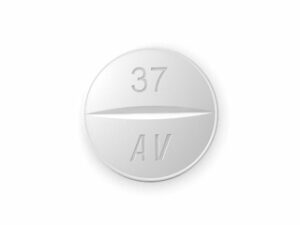
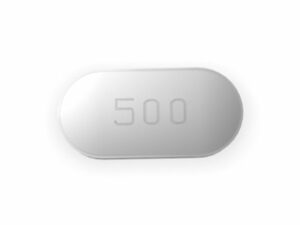
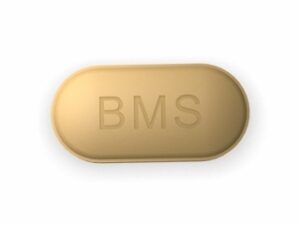
- Form: Usually tablets (strengths vary by brand)
- Who it’s for: Adults with type 2 diabetes, especially when lifestyle changes and/or other medicines are not enough
Note: Brand names, tablet strengths, and packaging may differ. Always follow the instructions provided by your healthcare professional and the product label.
How Glimepiride Works (Mechanism of Action)
Glimepiride primarily lowers blood glucose by:
- Increasing insulin release: It binds to specific receptors on pancreatic beta cells (via the sulfonylurea pathway), leading to insulin secretion.
- Enhancing insulin effectiveness: It may also improve insulin sensitivity in peripheral tissues, helping glucose move from the bloodstream into cells.
Because it increases insulin secretion, glimepiride can sometimes cause hypoglycaemia (low blood sugar), particularly if meals are missed, doses are high, or combined with other glucose-lowering medicines.
Pharmacokinetics (How the Body Processes Glimepiride)
Pharmacokinetics describes how glimepiride is absorbed, distributed, metabolised, and eliminated.
- Absorption: Generally well absorbed after oral dosing; the timing of meals can influence blood sugar response.
- Distribution: Binds to plasma proteins (high protein binding).
- Metabolism: Metabolised mainly in the liver (commonly via CYP pathways); metabolites are less active than the parent drug.
- Elimination: Excreted via both urine and faeces as metabolites.
- Duration: Effects often last long enough for once-daily dosing in many patients.
Individual response varies depending on kidney/liver function, age, and other medicines.
Typical Use in Australia (Indications)
Glimepiride is used to manage type 2 diabetes mellitus to improve glycaemic control. It may be prescribed:
- As monotherapy (with diet and exercise), when blood glucose is not controlled sufficiently
- In combination therapy (with other glucose-lowering medicines, such as metformin or insulin), depending on your overall diabetes plan
Glimepiride is not typically used for type 1 diabetes or for diabetic ketoacidosis.
When to Take Glimepiride (Timing & Routine)
Glimepiride is usually taken once daily, with timing that helps reduce the risk of low blood sugar.
- Common approach: Take glimepiride with breakfast or the first main meal of the day (unless your prescriber instructs otherwise).
- Be consistent: Take it at the same time each day to maintain predictable effects.
- Don’t skip meals: Missing meals while taking a sulfonylurea increases the risk of hypoglycaemia.
If you miss a dose: Do not double up. Take the next dose at the usual time. If you’re unsure, check your product information or talk to your pharmacist.
Food Interactions (What to Know)
Food can strongly influence the risk of hypoglycaemia with glimepiride because the medication increases insulin release.
- Best practice: Take glimepiride with your meal (often breakfast) or immediately before/with the first main meal as directed.
- Skipping meals: Can lead to low blood sugar symptoms such as sweating, shakiness, hunger, dizziness, confusion, and palpitations.
- Carbohydrates: In general, maintaining a regular intake of carbohydrates helps avoid sudden drops in glucose.
- Erratic eating patterns: Higher risk for hypoglycaemia—especially in the elderly or those with variable appetite.
There is no strict “forbidden” food list for glimepiride, but your diabetes diet plan still matters greatly for overall control.
Alcohol Interactions
Alcohol can affect glucose levels and increase the risk of hypoglycaemia when used with diabetes medicines.
- Hypoglycaemia risk: Alcohol may cause or worsen low blood sugar.
- Timing matters: Alcohol taken on an empty stomach is particularly risky.
- Combination with other medicines: If you take additional glucose-lowering medicines, the effect may be stronger.
If you drink alcohol, consider discussing “safe amounts” with your healthcare professional. In many cases, limiting alcohol and always eating with alcohol is advised to reduce risk.
Medicine Interactions (Important Safety Considerations)
Glimepiride can interact with other medicines and substances. Some medicines can increase the risk of hypoglycaemia (by increasing glimepiride effect), while others may reduce its glucose-lowering effect.
Tell your healthcare professional about all medicines you take, including over-the-counter products and herbal supplements.
Common categories that may be relevant include:
- Other glucose-lowering medicines (e.g., insulin, metformin, other antidiabetic agents): may increase hypoglycaemia risk
- Non-steroidal anti-inflammatory drugs (NSAIDs) in some cases: may affect blood sugar or glimepiride metabolism
- Warfarin or other coumarin anticoagulants: may have clinically significant interactions; monitoring may be needed
- Some antibiotics and antifungals: may alter drug metabolism and glucose control
- Corticosteroids (e.g., prednisone): may reduce glucose control
- Thiazide diuretics and certain diuretics: may raise blood glucose
- Beta-blockers: may mask some hypoglycaemia symptoms (such as palpitations)
This is not an exhaustive list. Your pharmacist can check interactions based on your full medication list.
Dosing Information (General Guidance)
Dosing should be individualised based on your blood glucose levels, kidney function, age, and overall diabetes treatment plan. The safest dose is the one prescribed for you.
Typical starting and adjustment (general)
- Start low: Many patients begin with a low dose, especially if older or at higher risk of hypoglycaemia.
- Titration: Dose may be increased gradually to achieve target glucose control, based on monitoring results.
- Maintenance: The final dose depends on response and side effects.
Kidney and liver considerations
- Kidney impairment: Increased risk of hypoglycaemia can occur—dose adjustments may be needed.
- Liver impairment: Glimepiride metabolism may be affected.
Do not adjust your dose without clinician guidance. If your blood sugars are frequently low or high, speak to your healthcare team promptly.
Indications vs. Expected Benefits
Glimepiride is indicated for improving glycaemic control in type 2 diabetes. In practical terms, many people use it to:
- Lower fasting and/or pre-meal blood glucose
- Reduce HbA1c over time (reflecting average blood glucose)
- Support a broader diabetes management plan including diet, exercise, and weight management
It does not cure diabetes; ongoing management is typically required.
Safety Profile (Side Effects & When to Seek Help)
Most people tolerate glimepiride well, but like all medicines it can cause side effects. The most important potential risk is hypoglycaemia.
Common side effects
- Low blood sugar symptoms (hypoglycaemia), especially if meals are missed or doses are too high
- Headache or dizziness
- Nausea or gastrointestinal discomfort (varies between individuals)
Serious side effects (seek urgent advice)
- Severe hypoglycaemia: unconsciousness, seizure, or inability to safely swallow—requires urgent care
- Allergic reactions: rash, swelling of face/lips, breathing difficulties
- Unusual infections or bruising: may indicate blood cell problems (uncommon)
- Signs of liver problems: yellowing of skin/eyes, dark urine (rare)
Recognising hypoglycaemia
Symptoms can include:
- Sweating, trembling, hunger
- Dizziness, headaches
- Fast heartbeat, anxiety
- Confusion, difficulty speaking
- In severe cases: fainting, seizure
What to do: If you feel symptoms coming on, check your blood glucose if you can. Take fast-acting carbohydrate (for example glucose tablets or sugary drink) if recommended by your diabetes action plan, then recheck. If symptoms are severe or you can’t take sugar by mouth, seek emergency help.
Practical Use Tips for Everyday Life
- Use a routine: Take glimepiride with your planned meal. A consistent meal schedule reduces risk.
- Monitor blood glucose: Regular monitoring helps your clinician adjust dosing safely.
- Know your targets: Discuss personalised glucose targets and an action plan for “low” readings.
- Be cautious with exercise changes: Increased physical activity can lower glucose and raise hypoglycaemia risk.
- During illness: Illness can change eating patterns and glucose control. Ask your clinician how to manage medicines during sick days.
- Keep a record: Note dose timing, meal patterns, and glucose readings to help spot patterns.
- Carry identification: Consider wearing diabetes ID and keeping fast sugar available.
Alternative Options (Discuss with Your Clinician)
Depending on your individual health profile, other treatments may be considered instead of or alongside glimepiride. Options may include:
- Metformin (often first-line for many people with type 2 diabetes)
- Other oral agents such as DPP-4 inhibitors, SGLT2 inhibitors, or thiazolidinediones (choice depends on kidney function, cardiovascular risk, and side-effect profile)
- GLP-1 receptor agonists (injectable options for selected patients)
- Insulin when needed for adequate control
Because glimepiride is a sulfonylurea, alternatives may be chosen if hypoglycaemia risk is a concern, or if other medicines better match your needs.
Market and Legal Context for Australia (General)
In Australia, diabetes medicines like glimepiride are regulated under the country’s medicines framework. Many antidiabetic tablets are prescription-only, meaning you need appropriate clinical assessment before starting treatment. Guidance may vary depending on your health situation and history.
Online pharmacies in Australia typically require verification steps to ensure medicines are supplied safely and in line with Australian regulations and pharmacy standards.
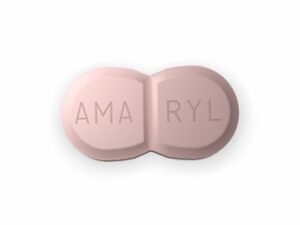
Always ensure: you receive the correct strength, follow the dosing schedule on your provided instructions, and check that the medicine matches the product name and tablet description you were prescribed.
Recent Guidance (How Care Is Commonly Approached)
Diabetes management recommendations continue to emphasise:
- Individualised targets based on age, comorbidities, and hypoglycaemia risk
- Lifestyle foundations (diet, physical activity, weight management, smoking cessation where relevant)
- Minimising hypoglycaemia where possible, especially in older adults and those with variable eating patterns
- Use of glucose monitoring to guide safe treatment adjustments
- Shared decision-making about medicine choice, considering benefits, side effects, and personal circumstances
Your clinician may review medicines periodically, including whether glimepiride is still the best option as your health changes.
Delivery and Availability (Online Pharmacy Considerations)
Availability can vary by brand and strength. When ordering online in Australia:
- Check strength and formulation: Ensure the tablet strength matches what you need.
- Packaging and expiry: Medicines should be supplied in original packaging with clear expiry dates.
- Cold chain: Glimepiride tablets generally do not require refrigeration, but always follow storage directions on the label.
- Delivery timelines: Delivery depends on your location and stock status; some pharmacies offer tracking.
For the most accurate delivery estimate, use the checkout options on your chosen Australian pharmacy website.
Storage Information
- Store at room temperature unless the label states otherwise.
- Keep the tablets in the original container.
- Keep out of reach of children.
- Protect from excess moisture or heat (follow label instructions).
FAQ — Glimepiride
1) What is glimepiride used for?
Glimepiride is used to improve blood sugar control in adults with type 2 diabetes mellitus, typically alongside lifestyle measures such as diet and exercise.
2) How quickly does glimepiride work?
Glimepiride begins lowering blood glucose after dosing. However, the full effect on long-term diabetes control is assessed over time using measurements such as HbA1c and ongoing blood glucose readings.
3) Can I take glimepiride without eating?
Usually it should be taken with the first main meal (often breakfast). Taking it without food increases the risk of hypoglycaemia. Follow the specific instructions provided for your dose.
4) What happens if I miss a dose?
Generally, do not take a double dose. Take the next dose at the usual time. If you are unsure, ask your pharmacist for advice based on your schedule.
5) Are there warning signs of low blood sugar?
Yes. Symptoms can include sweating, shaking, hunger, dizziness, palpitations, confusion, or weakness. Seek urgent help for severe symptoms such as fainting or seizures.
6) Can I drink alcohol while taking glimepiride?
Alcohol may increase the risk of low blood sugar. If you drink, limit amounts and do so with food, and discuss your specific situation with your healthcare professional.
7) What medicines should I be cautious with?
Several medicines can affect blood sugar control or glimepiride levels. Provide your pharmacist with a full list of medicines and supplements, including over-the-counter products, to check interactions.
8) Is glimepiride suitable for everyone with diabetes?
Glimepiride is for type 2 diabetes in adults. It is not generally appropriate for type 1 diabetes or ketoacidosis. Suitability depends on kidney/liver function, age, other medications, and hypoglycaemia risk.
9) Does glimepiride cause weight gain?
Some people may experience weight gain with sulfonylureas. Weight changes vary, and lifestyle measures remain important.
10) What should I do if my blood sugar is often too low or too high?
Contact your healthcare professional. Your dose and diabetes plan may need adjustment. Do not change the dose yourself without guidance.
Summary
Glimepiride is an oral sulfonylurea used to help manage blood glucose in type 2 diabetes. It lowers blood sugar by increasing insulin release and can be taken once daily with the first main meal to reduce the risk of hypoglycaemia. Like all diabetes medicines, it requires careful monitoring, attention to meal timing, and awareness of interactions—particularly with alcohol and other medicines.
If you have questions about how glimepiride fits into your diabetes plan, speak with your pharmacist or healthcare professional for guidance tailored to your health and monitoring results.
| Category | What to know |
|---|---|
| Medicine type | Oral sulfonylurea hypoglycaemic medicine |
| Used for | Type 2 diabetes blood glucose control |
| How it works | Stimulates insulin release; may improve insulin effectiveness |
| Timing | Typically with breakfast or the first main meal (once daily) |
| Key risk | Hypoglycaemia, especially if meals are missed or doses are high |
| Alcohol | May increase hypoglycaemia risk; drink cautiously and with food |
| Monitoring | Regular blood glucose checks as advised |
| Interactions | Several medicines can affect glucose control; check with pharmacist |