Acetazolamide: Patient-Friendly Guide (Australia)
Acetazolamide is a medicine used to treat certain conditions related to fluid balance and eye/nerve pressure. It works by changing how your kidneys and body handle electrolytes, helping reduce excess fluid and altering acid–base balance. This guide explains what acetazolamide is, how it works, how it’s typically used, timing considerations, food and alcohol interactions, safety information, and practical tips for everyday use.
Note for Australia: Availability and product specifics can vary by brand and formulation. Always check your pack and consult a healthcare professional if you’re unsure.
Basic product information
| Topic | Information |
|---|---|
| Active ingredient | Acetazolamide |
| What it’s used for | Glaucoma (selected cases), altitude sickness prevention, and certain conditions involving raised pressure/fluid balance |
| How it works | Carbonic anhydrase inhibitor (changes kidney fluid/electrolyte handling and acid–base balance) |
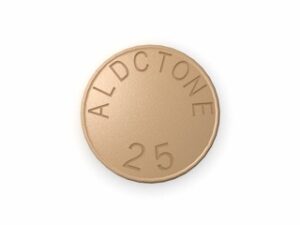
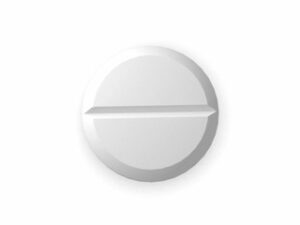
| Typical form | Tablets are commonly used (strengths vary by product) |
| Common side effects | Tingling in hands/feet, increased urination, taste changes, nausea, fatigue |
| Key cautions | Electrolyte imbalances, kidney problems, sulfonamide allergy history, dehydration, interactions with other medicines |
How acetazolamide works (mechanism of action)
Acetazolamide belongs to a class called carbonic anhydrase inhibitors. Carbonic anhydrase is an enzyme present in many tissues, including the kidneys and the eye. It helps regulate acid–base balance and the movement of fluids and electrolytes.
By inhibiting carbonic anhydrase, acetazolamide:
- Reduces bicarbonate reabsorption in the kidneys, which can lead to increased excretion of bicarbonate and water. This effect may contribute to a mild metabolic acidosis and helps fluid management.
- Decreases production of aqueous humour in the eye, which can lower intraocular pressure in some glaucoma settings.
- Alters ventilation responses by shifting acid–base balance, which is one reason it has a role in altitude sickness prevention in selected people.
Pharmacokinetics (how the body processes it)
Pharmacokinetics describes what the body does to the medicine—absorption, distribution, metabolism, and elimination. While exact values can differ by individual and formulation, the key practical points are:
- Absorption: Acetazolamide is absorbed after oral administration and reaches therapeutic effects within a predictable timeframe.
- Distribution: It distributes through body fluids, including ocular tissues and the bloodstream.
- Metabolism: It is not extensively metabolised; most of the active drug is eliminated unchanged.
- Elimination: The kidneys remove acetazolamide primarily through renal excretion. This is why kidney function matters for safety and dosing.
- Duration of action: Effects are not fully continuous throughout the day in many settings, which is why dosing schedules may be split depending on the indication.
Because clearance is mainly through the kidneys, people with reduced kidney function may require lower doses or closer monitoring.
Typical uses (indications)
Acetazolamide is used for several medical conditions where reducing fluid/pressure or responding to acid–base changes is helpful. Common indications include:
- Altitude sickness (prevention): Helps reduce risk of acute mountain sickness in some travellers, particularly when ascending quickly.
- Glaucoma: May be used for certain types of glaucoma or when rapid reduction in intraocular pressure is needed as part of a broader treatment plan.
- Raised intracranial pressure: Sometimes used as an option in select neurological scenarios where carbonic anhydrase inhibition may help manage pressure.
- Other fluid/pressure-related conditions: In some cases, it may be used off-label or as part of specialised care depending on local medical practice and patient factors.
The exact role of acetazolamide depends on your diagnosis, severity, other treatments, and health history.
Dosing overview and timing
Dose and schedule depend on the condition being treated and individual factors such as kidney function, age, and concomitant medicines. Below is a general patient-friendly overview of how dosing may be approached. Your healthcare professional may adjust it based on your needs.
Altitude sickness prevention (typical approach)
- Start timing: Often started shortly before ascent (commonly 24 hours prior), then continued during the period of risk.
- Continue: Typically maintained for the first couple of days in the higher altitude area, or until the risk period passes.
- Hydration matters: Adequate fluids and gradual ascent are important alongside medication.
Glaucoma or pressure-related conditions
- Dosing may be divided across the day to maintain effect and limit side effects.
- Some situations may involve short-term or intermittent use depending on the treatment plan.
General practical dosing tips
- Take acetazolamide at the times your healthcare team recommends, often with a consistent daily routine.
- If you miss a dose, take it when you remember unless it’s close to the next scheduled dose—then resume your regular schedule. Do not take extra doses to “catch up” unless advised.
- Keep a simple note of start dates and the planned duration, especially for travel use.
Important: Never adjust your dose or stop suddenly without advice. If you experience severe symptoms (such as allergic reactions, fainting, or significant dehydration), seek urgent medical help.
Food interactions and taking with meals
Acetazolamide can usually be taken with or without food. However, food may help with certain side effects. Some people find meals reduce stomach upset.
Practical guidance
- If nausea occurs: Try taking it with food or at the start of a meal.
- Hydration: Because it may increase urination, maintaining fluid intake is important.
- Consistency: Take it similarly each day to support stable symptom control.
There are no widely recognised “must-avoid” foods for most people, but your doctor may provide tailored advice— especially if you have electrolyte concerns or kidney disease.
Alcohol interactions
Alcohol can worsen dehydration and may increase dizziness or fatigue. Because acetazolamide can affect fluid balance and acid–base balance, alcohol may increase the likelihood of feeling unwell.
General safety approach
- Avoid binge drinking while taking acetazolamide.
- Moderation: If you choose to drink, keep it minimal and ensure adequate hydration.
- Travel situations: If you’re at altitude, dehydration risk is higher—avoid alcohol where possible.
If you feel unusually light-headed, confused, or extremely tired after alcohol, stop drinking and seek medical advice.
Medicine interactions (important)
Acetazolamide can interact with other medicines, mainly by affecting electrolytes or kidney function, and by altering the acid–base balance. Always review your full medicine list with a healthcare professional.
Common interaction themes
- Electrolyte changes: It can contribute to low potassium or other electrolyte shifts. Medicines that also affect potassium (or that rely on normal electrolyte balance) may increase risk.
- Kidney function: Since it’s cleared by the kidneys, caution is needed with medicines that may stress kidney function.
- Blood sugar medicines: There may be effects on glucose control in some individuals.
- Antiepileptics: Some seizure medicines may have additive effects or shared electrolyte considerations.
- Aspirin (high doses): In some scenarios, carbonic anhydrase inhibition can alter aspirin effects. This is more relevant when aspirin is taken in higher doses.
Always check: Include prescription medicines, over-the-counter products, vitamins, herbal preparations, and any supplements. If you have questions, it’s reasonable to ask your pharmacist to review compatibility for your specific regimen.
Safety profile and side effects
Like all medicines, acetazolamide can cause side effects. Many are mild and manageable, but some require prompt attention. People differ in sensitivity, dose, and underlying health conditions.
Common side effects
- Tingling or numbness (often in hands, feet, or around the mouth)
- Increased urination (especially early in treatment)
- Altered taste (sometimes reduced taste sensation)
- Nausea, stomach discomfort, or appetite changes
- Fatigue or mild dizziness
- Light-headedness, particularly if dehydrated
Less common but serious risks
- Allergic reactions: Seek urgent care if you develop rash, swelling of face/lips, wheezing, or severe itching. People with a history of severe sulfonamide allergy should discuss this carefully before use.
- Electrolyte imbalance: Low potassium, metabolic acidosis, or other shifts may occur. Symptoms can include weakness, muscle cramps, irregular heartbeat, or severe tiredness.
- Kidney-related issues: Rarely, kidney stones may occur; reduced urine output or worsening kidney symptoms warrant medical review.
- Severe dehydration: If you can’t keep up with fluid intake, dizziness and faintness may worsen.
- Blood cell changes: Rarely, acetazolamide can affect blood counts. Report unusual bruising, fever, or persistent infections.
Who should be extra cautious
- Kidney disease or reduced renal function
- Liver disease or significant metabolic conditions
- Electrolyte disorders
- History of severe allergy to sulfonamide medicines (discuss alternatives/monitoring)
- Diabetes or those using glucose-lowering medicines (monitoring may be needed)
Practical use tips (day-to-day)
These tips can make acetazolamide easier to tolerate and safer to use, particularly when starting.
- Expect increased urination: Plan around bathroom access at the start of treatment. Taking doses earlier in the day may help if nighttime urination is disruptive.
- Hydrate wisely: Drink fluids regularly, especially in hot weather or when at altitude. Avoid overcompensating with excessive fluid without a plan, but don’t “dry out.”
- Watch for tingling: Tingling is often benign, but if it’s severe or accompanied by weakness or palpitations, contact a healthcare professional.
- Use sunscreen and sun awareness: Some people become more sensitive; protect your skin outdoors.
- Keep records: For travel, write down when you started the tablets and the altitude schedule.
- Don’t ignore symptoms: Fever, severe rash, breathing difficulty, or fainting require urgent assessment.
If you are using acetazolamide for altitude sickness prevention, remember that medication does not replace safe travel practices. Gradual ascent and recognising early symptoms of acute mountain sickness remain essential.
Recent guidance and monitoring considerations in Australia
Guidance can evolve as new clinical information becomes available. In Australia, recommendations typically emphasise:
- Appropriate patient selection (especially for altitude use and people with kidney issues or allergy history).
- Monitoring when clinically indicated, such as checking electrolytes or kidney function in longer courses or higher-risk patients.
- Clear counselling on hydration, potential tingling, and recognising concerning side effects.
- Medicines review to reduce interaction risk.
Your pharmacist can also help you identify common interaction concerns based on your current medicines and medical history.
Delivery and availability (Australia)
Acetazolamide availability can vary depending on manufacturer supply and the specific product strength. Online pharmacies in Australia typically provide:
- Product listing by strength (check the pack for “acetazolamide” and the exact mg amount).
- Estimated delivery times at checkout, which depend on your location.
- Cold chain: Acetazolamide tablets generally do not require refrigeration.
- Packaging and labelling: Tamper-evident packaging and clear dosing instructions as per the product label.
If you’re travelling, consider ordering early to allow for delivery time and potential delays.
Alternative options
Alternatives depend strongly on the reason acetazolamide is being used. For instance, altitude sickness prevention and glaucoma management have different options.
For altitude sickness (prevention/management)
- Gradual ascent is the primary preventative strategy.
- Other preventative measures may be recommended by clinicians depending on your health and itinerary.
- Symptom-directed treatment can be considered if altitude illness develops.
For glaucoma/pressure-related conditions
- Alternative medicines that lower intraocular pressure may be used in some cases.
- Eye-specific treatments (including topical therapies) are often considered depending on type and severity.
A pharmacist or doctor can help compare suitable alternatives based on your condition, risk factors, and existing medicines.
FAQ: Frequently asked questions
1) Is acetazolamide a diuretic?
Acetazolamide has a diuretic effect because it increases urinary excretion of bicarbonate and water, but it is specifically a carbonic anhydrase inhibitor. Its actions differ from many typical “water tablets.”
2) Why do I get tingling while taking acetazolamide?
Tingling is a common side effect and may relate to the medicine’s effects on acid–base balance and electrolytes. It is often mild. If tingling is severe, persistent, or accompanied by weakness, palpitations, or confusion, seek medical advice promptly.
3) Can I take acetazolamide on an empty stomach?
Yes, many people can. If you get nausea or stomach discomfort, try taking it with food. Follow the instructions provided with your product.
4) What if I’m at altitude—should I avoid dehydration?
Yes. Acetazolamide can increase urination. At altitude, dehydration risk may increase because of breathing changes and environmental conditions. Drink regularly and seek medical help if you cannot keep fluids down.
5) Can I drink alcohol while on acetazolamide?
Alcohol isn’t a guaranteed “absolute no” for everyone, but it can worsen dehydration and increase dizziness or fatigue. In general, limit alcohol and stay well hydrated. Avoid alcohol at altitude if possible.
6) Are there people who should not use acetazolamide?
People with certain conditions (such as significant kidney impairment) or those with a history of severe allergy to related medicines should discuss suitability carefully. If you have a known sulfonamide allergy, raise this before using acetazolamide.
7) Do I need blood tests?
Not everyone needs routine tests for short courses, but monitoring may be recommended for longer use or if you have kidney disease, electrolyte concerns, or are taking medicines that could interact. Ask your healthcare professional what monitoring applies to you.
8) What should I do if I miss a dose?
Take it when you remember unless it’s close to the next dose. Then resume your regular schedule. Avoid taking extra tablets unless your healthcare professional instructs you to.
9) What are warning signs that I should seek urgent help?
Seek urgent medical attention if you develop signs of an allergic reaction (swelling, rash with breathing difficulty), severe blistering rash, fainting, severe weakness, or symptoms of significant dehydration. Contact a clinician promptly for persistent vomiting, reduced urine output, or severe illness.
10) How should I store acetazolamide?
Store tablets according to the product label—typically at room temperature in a dry place, protected from moisture. Keep out of reach of children.
Summary
Acetazolamide is a carbonic anhydrase inhibitor medicine used for specific conditions such as altitude sickness prevention and certain pressure-related conditions including some glaucoma settings. It works by altering how the body handles bicarbonate, fluids, and acid–base balance—effects that can reduce pressure and help your body adapt at altitude.
When using acetazolamide, the most common issues are tingling, increased urination, taste changes, and mild stomach upset. Stay hydrated, take doses at the recommended times, and discuss suitability if you have kidney problems, electrolyte disorders, or a history of severe allergy.
For individual advice, consult a qualified healthcare professional or your pharmacist—especially if you’re combining acetazolamide with other medicines or planning travel to high altitude.