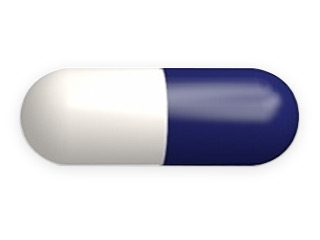

Dexilant® (dexlansoprazole) — Patient Guide (Australia)
Dexilant is a medicine that helps reduce stomach acid. It is used to treat conditions such as gastro-oesophageal reflux disease (GORD) and related symptoms, including heartburn. This guide explains how Dexilant works, when it’s typically taken, what to expect, and practical tips for safe and effective use in Australia.
Always follow the instructions provided by your doctor or healthcare professional and read the Consumer Medicine Information (CMI) supplied with the product.
Quick Facts
- Active ingredient: Dexlansoprazole
- Medicine type: Proton pump inhibitor (PPI)
- How it helps: Reduces stomach acid production
- Common uses: GORD, erosive oesophagitis, and symptom relief for acid reflux
- How often: Usually once daily (based on the condition and strength)
- Timing: Often taken before food (commonly before breakfast)
What is Dexilant?
Dexilant is a proton pump inhibitor (PPI) used to treat acid-related problems in the stomach and oesophagus (food pipe). It helps protect the oesophagus from acid by lowering the amount of acid your stomach produces.
Dexilant tablets are formulated for modified-release delivery. This can provide acid control over an extended period compared with some standard-release PPIs.
How Dexilant Works (Mechanism of Action)
PPIs such as dexlansoprazole work by blocking the “proton pump” in stomach lining cells (parietal cells). This pump is responsible for producing hydrochloric acid. By inhibiting the pump, Dexilant reduces acid secretion and raises the stomach’s pH (less acidic environment).
Dexilant’s formulation is designed to release the medicine in a way that can support longer-lasting acid suppression. This may help improve control of reflux symptoms and healing of irritated tissue.
Pharmacokinetics (How the Body Handles It)
Pharmacokinetics describes what happens to the medicine after you take it—absorption, distribution, metabolism, and elimination.
- Absorption: Dexlansoprazole is absorbed after oral dosing.
- Modified-release profile: The medicine is released in phases, which can produce two time-to-peak exposure periods in some people.
- Metabolism: Primarily metabolised in the liver (mainly via cytochrome P450 enzymes).
- Elimination: Excreted largely via metabolic pathways, with metabolites eliminated through urine and/or faeces depending on the individual.
Practical implication: acid reduction tends to be stronger when PPIs are taken correctly before meals, as the stomach acid “proton pumps” are actively stimulated by food.
Typical Uses in Adults
Dexilant is used for acid-related conditions, particularly:
- Gastro-oesophageal reflux disease (GORD): to reduce symptoms such as heartburn and acid reflux.
- Erosive oesophagitis: inflammation and erosion of the oesophagus caused by acid exposure.
- Ongoing management for certain patients as advised by a clinician.
If you’re not sure whether your symptoms match an acid-related condition, consult a healthcare professional, especially if symptoms are new, severe, or recurring.
When to Take Dexilant (Timing & Duration)
PPIs are most effective when taken before food, because food triggers acid secretion. Follow the dosing schedule recommended for you.
General timing guidance
- Once daily dosing: commonly taken before breakfast (or another meal as advised).
- Take it at the same time each day to help maintain consistent acid control.
- Swallow whole: do not crush or chew unless the product instructions say otherwise.
How long until you feel better?
Some people notice symptom improvement within the first few days, but healing and symptom control can take longer. If symptoms do not improve after the recommended course, contact your healthcare professional.
Dosing (General Overview for Patients)
Dosing depends on the condition being treated, the severity of symptoms, and your individual factors (e.g. age, kidney/liver function, and other medicines). Always use the dose stated on your prescription or label instructions.
Common dosing patterns may include:
- GORD and erosive oesophagitis: once daily in the morning or before a meal.
- Maintenance/ongoing therapy: sometimes once daily at a lower or adjusted strength.
If you have a specific strength (for example, 30 mg or 60 mg), your healthcare professional will have chosen it based on your diagnosis and response. Do not change the dose unless advised.
If you miss a dose
- Take it as soon as you remember if it’s close to the time of your next dose that day.
- If it’s nearly time for your next dose, skip the missed dose.
- Do not take a double dose to make up for the missed one.
Food Interactions (What to Know)
Dexilant is affected by food timing in the sense that acid production is stimulated by meals. For best results, it is typically taken before eating.
- Take before breakfast if you are using once-daily dosing in the morning.
- Consistency matters: taking it at the same time before meals can improve symptom control.
- If you have trouble with morning routines: ask a clinician/pharmacist about switching the dosing time to a meal that fits your schedule—don’t change without advice.
In general, foods do not “interact” in the way some medicines do (e.g., not many specific foods dramatically change its absorption), but correct timing improves effectiveness.
Alcohol and Medicine Interactions
PPIs like Dexilant do not usually have a direct hazardous chemical interaction with alcohol. However, alcohol can worsen reflux symptoms by relaxing the lower oesophageal sphincter and irritating the oesophagus in some people.
Practical guidance
- Limit alcohol if you notice it triggers heartburn or regurgitation.
- Avoid large volumes—smaller amounts may be better tolerated for some people.
- If alcohol is a known trigger for you, consider discussing reflux management strategies with a clinician.
Important: Dexilant can be used alongside other medicines, but medicine interactions depend on what you take. If you take multiple medicines (including supplements), ask a pharmacist to check for interactions.
Medicine Interactions (Other Drugs and Supplements)
Dexilant is metabolised in the liver and may be affected by other medications that influence liver enzymes. It can also alter stomach acidity, which may affect absorption of some medicines.
Common categories where interaction checks are especially important include:
- Medicines affected by stomach pH: some antifungals (e.g., certain azoles), iron preparations, or specific antivirals may be affected.
- Medicines that interact via liver enzymes: some antibiotics/antifungals and other agents that influence cytochrome P450 activity.
- Warfarin (and other blood thinners): PPIs may affect monitoring in some cases—monitoring guidance should be followed.
- Clopidogrel: interaction potential exists with some PPIs; clinicians often consider which PPI to use.
Please tell your pharmacist or doctor about:
- All medicines you currently take (including over-the-counter medicines)
- Herbal products and supplements
- Any history of liver disease or unusual medication side effects
If you are unsure whether a medicine or supplement is safe to take with Dexilant, check before starting.
Safety Profile (Important Warnings & Side Effects)
Like all medicines, Dexilant can cause side effects. Many people tolerate it well, but it’s important to know what to watch for.
Common side effects
- Headache
- Diarrhoea or constipation
- Nausea
- Abdominal pain or bloating
- Gas
Less common but important to monitor
- Allergic reactions (rash, swelling of lips/face, difficulty breathing)
- Severe or persistent diarrhoea (especially watery or bloody)
- Signs of low magnesium (muscle cramps, weakness, dizziness, unusual heartbeat)
Seek urgent medical care if
- You develop symptoms of a serious allergic reaction
- You have severe chest pain, vomiting blood, black stools, or trouble swallowing
- Your symptoms rapidly worsen or you develop unexplained weight loss
Long-term use considerations
PPIs may be used for longer periods when clinically needed. However, long-term therapy should be reviewed regularly by a healthcare professional. Some risks associated with prolonged PPI use (depending on the person and duration) include:
- Infections: increased risk of certain gastrointestinal infections (e.g., C. difficile) and possibly respiratory infections.
- Mineral absorption: reduced absorption of some nutrients such as magnesium or vitamin B12 in certain individuals.
- Bone health: long-term use at higher doses may be associated with increased fracture risk in some populations.
Do not stop abruptly without advice if you have been taking Dexilant for a long time—rebound acid symptoms can occur. Ask your pharmacist/doctor about a safe plan to adjust therapy if appropriate.
Practical Use Tips (Make It Work Better)
- Take it consistently: once daily should be done at the same time each day.
- Use the correct method: swallow tablets whole; don’t chew or crush unless your label/CMI advises otherwise.
- Give it time: if symptoms are severe, improvement may take a few days; healing may take longer.
- Track triggers: keep a short note of foods, timing, alcohol, late-night meals, and symptom severity.
- Avoid late meals: try not to eat within 2–3 hours of bedtime.
- Raise head of bed: for night symptoms, elevating the head of the bed can help (pillows alone may be less effective).
Lifestyle steps can work alongside Dexilant. For many people, a combination of medicine and reflux-friendly habits provides the best results.
Alternative Options for Acid Reflux (Discuss with Your Pharmacist/Doctor)
There are several approaches to managing reflux and acid-related symptoms. The best option depends on the diagnosis and severity of symptoms.
Other medicine options
- Other PPIs: similar class medicines may be suitable alternatives (choice depends on response and interactions).
- H2-receptor antagonists: such as famotidine, may provide symptom relief for some people (often less potent than PPIs).
- Antacids: can relieve symptoms quickly but typically provide short-term relief only.
- Alginate-based products: can reduce reflux by forming a physical “raft” barrier for some patients.
Non-medicine measures
- Weight management if overweight
- Reducing trigger foods (commonly fatty meals, spicy foods, caffeine, chocolate, and acidic foods)
- Avoiding smoking
- Limiting alcohol
- Smaller meals and not lying down soon after eating
If symptoms persist despite treatment, you may need reassessment to confirm the diagnosis or evaluate for complications.
Market & Legal Context in Australia (Availability Overview)
Dexilant (dexlansoprazole) is an established PPI product. In Australia, medicines are supplied in accordance with the Australian regulatory framework and product labelling requirements.
Online pharmacies typically provide access to medicines based on Australian supply rules and product status (for example, whether a medicine requires a health professional assessment or documentation). Availability can also depend on formulation strength and stock.
Always check the product details on the listing page for current information about strength, pack size, and supply options.
Recent guidance (general)
Clinical practice guidance in Australia for reflux generally emphasises:
- Using PPIs at the lowest effective dose for the shortest appropriate duration, with review for long-term therapy.
- Reassessing persistent symptoms to ensure the diagnosis is correct and to evaluate “alarm features.”
- Considering lifestyle modifications alongside medication.
Because guidance may evolve, follow advice from your doctor and read the CMI for the most up-to-date safety information.
Delivery & Availability (Online Pharmacy Tips)
Dexilant availability may vary by strength and pack size. If you’re ordering online, you can generally expect:
- Secure packaging to protect tablets during transit.
- Delivery timeframes based on your location within Australia (regional delivery may take longer).
- Storage instructions: store as directed on the pack (commonly in a cool, dry place away from sunlight and moisture).
If you need Dexilant for ongoing therapy, consider ordering in advance to avoid interruptions.
FAQ (Frequently Asked Questions)
1) What is Dexilant used for?
Dexilant is used to treat acid reflux conditions such as GORD and erosive oesophagitis, helping reduce heartburn and other reflux-related symptoms.
2) How long should I take Dexilant?
The duration depends on your diagnosis and response. Some people need short courses, while others may need longer-term management. Your healthcare professional will guide you and review therapy as appropriate.
3) Should I take Dexilant before or after food?
Dexilant is typically taken before meals for best results. Many people take it before breakfast. Follow the instructions on your label or given by your clinician.
4) Can I take Dexilant with other medicines?
Many medicines can be taken with Dexilant, but some have important interaction considerations (e.g., medicines affected by stomach pH or those metabolised in the liver). Tell your pharmacist about all medicines and supplements you use.
5) What if I drink alcohol while taking Dexilant?
There is typically no direct harmful interaction, but alcohol can worsen reflux symptoms. If you notice alcohol triggers heartburn, consider reducing or avoiding it.
6) What side effects should I watch for?
Common effects include headache, nausea, and bowel changes. Seek urgent medical care for signs of serious allergy, severe persistent diarrhoea, or alarm symptoms such as trouble swallowing, vomiting blood, or black stools.
7) When should I seek medical attention for reflux?
Seek medical advice promptly if you have alarm features such as:
- Unintentional weight loss
- Difficulty swallowing or painful swallowing
- Vomiting blood or black/tarry stools
- Chest pain (especially if you’re unsure it’s reflux)
- Symptoms that persist or worsen despite appropriate treatment
8) Are there lifestyle changes that help alongside Dexilant?
Yes. Strategies often include avoiding late meals, reducing trigger foods, limiting alcohol, maintaining a healthy weight, and elevating the head of the bed if night-time reflux is an issue.
9) Can I stop Dexilant suddenly?
If you’ve been taking a PPI for a prolonged period, stopping suddenly may cause rebound acid symptoms in some people. Discuss with your pharmacist or doctor for a safe plan to reduce or switch therapy.
10) What are common alternatives to Dexilant?
Alternatives may include other PPIs, H2 blockers, antacids, or alginate-based products. The best choice depends on your symptoms, medical history, and medicine interactions.
Summary
Dexilant (dexlansoprazole) is a proton pump inhibitor designed to reduce stomach acid and improve reflux symptoms. For best results, it’s generally taken before meals and consistently each day. If symptoms don’t improve, or if you have alarm features, seek medical advice. For safe use, review medicine interactions and long-term therapy considerations with your healthcare professional.
Note: This information is intended as a patient-friendly overview. The Consumer Medicine Information (CMI) and advice from healthcare professionals remain the most reliable sources for your specific situation.