

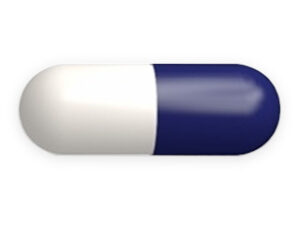
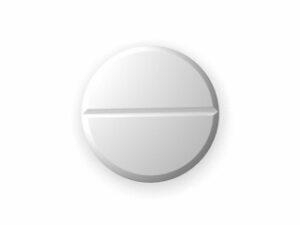
Domperidone (Australia) – Patient Information
Domperidone is a medicine used to help relieve certain stomach and bowel-related symptoms, particularly those linked to slow movement of the stomach. It can be useful when nausea or vomiting is associated with indigestion or a “stuck” feeling after meals.
This page explains what domperidone does, how it works in the body, how it is usually taken, key safety considerations, and practical tips. It is written for consumers in Australia and aims to be easy to read.
Basic product information
| Item | Details |
|---|---|
| Generic name | Domperidone |
| Common uses | Nausea, vomiting, and symptoms of delayed gastric emptying (slow stomach emptying) |
| Common forms | Tablets; oral dosing forms vary by brand and strength |
| Typical dosing frequency | Often taken up to 3 times daily (exact schedule depends on the reason for use) |
| Availability | Availability and listing status in Australia depends on brand and current regulatory scheduling |
Note: Brand names, strengths, and instructions may vary. Always follow the directions on your specific product label or the advice provided by your healthcare professional.
How domperidone works (mechanism of action)
Domperidone works mainly by blocking dopamine receptors in the body. Dopamine receptors play a role in controlling the movement of the digestive tract.
- Improves stomach motility: By antagonising dopamine receptors, domperidone can help the stomach empty more effectively.
- Helps reduce nausea and vomiting: Domperidone can help decrease nausea and vomiting by reducing signals that trigger these symptoms.
- Does not primarily act like a “stomach acid reducer”: It is different from antacids and acid-suppressing medicines (like proton pump inhibitors).
In many people, symptom improvement is felt within hours, particularly when taken around meals for digestion-related symptoms.
Pharmacokinetics (what the body does with domperidone)
Pharmacokinetics describes how domperidone is absorbed, distributed, metabolised, and eliminated. While exact values can vary between individuals, these are the key general features:
- Absorption: Domperidone is absorbed from the gastrointestinal tract. The presence of food can affect how quickly it starts working.
- Distribution: It reaches tissues including the gastrointestinal tract.
- Metabolism: Domperidone is metabolised primarily in the liver, involving the CYP (cytochrome P450) enzyme system, particularly CYP3A4.
- Elimination: It is cleared by both metabolic processes and excretion. Kidney or liver function may influence blood levels.
- Half-life: Domperidone has a relatively short-to-moderate elimination time; dosing frequency is designed to maintain symptom control.
Because domperidone is metabolised by CYP3A4 and can interact with other medicines that affect this pathway, medication review is important.
Typical uses and indications
Domperidone is commonly used to relieve:
- Nausea (feeling sick)
- Vomiting
- Symptoms related to delayed gastric emptying, such as a feeling of fullness after eating (early satiety) and upper abdominal discomfort associated with sluggish digestion
- Indigestion-type symptoms in which delayed stomach emptying is suspected
Important: It is not intended as a treatment for all causes of nausea or vomiting. If symptoms are severe, persistent, or accompanied by alarming features, you should seek medical advice.
Timing: when to take domperidone
Timing can influence effectiveness, especially for stomach-related symptoms.
- Often taken before meals: Many regimens recommend taking domperidone shortly before food, particularly when symptoms are triggered by meals.
- For bedtime symptoms: If your dosing schedule includes an evening dose, it may be taken according to label instructions and symptom pattern.
- Consistency: Taking it at the same times each day helps maintain steadier symptom control.
Always follow the specific instructions provided with your product and your healthcare professional’s advice.
Food interactions and how meals affect domperidone
Food can change how quickly domperidone is absorbed. In general:
- For faster symptom relief: Taking domperidone before meals may improve onset, especially for nausea related to eating.
- If you take it with food: Some people may notice a slower onset of action, though symptoms can still improve.
If you have a sensitive stomach, a healthcare professional may advise a particular timing strategy based on your symptoms and other medicines you take.
Alcohol and medicine interactions
Alcohol
Alcohol may worsen nausea, stomach irritation, and reflux symptoms in some people. It can also affect how your body handles medicines. For these reasons, it is generally best to limit alcohol while using domperidone, especially if nausea is a main symptom.
Interactions with other medicines (especially important)
Domperidone can interact with medicines that affect its metabolism (notably CYP3A4) and with medicines that can affect heart rhythm.
- CYP3A4 inhibitors: Medicines that inhibit CYP3A4 can raise domperidone levels, potentially increasing risk of side effects.
- QT-prolonging medicines: Domperidone may affect heart rhythm in some situations. Combining with other medicines known to prolong the QT interval may increase risk.
- Some antibiotics and antifungals: Certain drugs in these groups may interact through liver metabolism or heart rhythm effects.
- Some antiviral medicines: Certain agents may alter domperidone metabolism.
Because interaction risks vary by the individual’s current medicines, it is important to provide your pharmacist or healthcare professional with a full list of medicines and supplements (including “natural” products).
Dosing (general guidance)
Dosing depends on the reason for use, age, symptom severity, and specific product strength. In all cases, follow your product label or professional guidance.
Adults (typical regimens)
Many adult dosing schedules involve taking domperidone up to three times daily, usually before meals, with the goal of using the lowest effective dose for the shortest duration needed.
Children and adolescents
Domperidone use in children depends on local guidance, product type, and clinical situation. Dosing must be determined carefully, often based on age/weight and the specific indication. Do not estimate doses.
Missed dose
- If you miss a dose, take it when you remember unless it is close to the next scheduled dose.
- Do not take double the dose to make up for a missed tablet.
Duration of use
If symptoms persist or worsen despite taking domperidone as directed, seek advice. Nausea and vomiting can have many causes, including those requiring different treatment.
Safety note: It is generally recommended that domperidone not be used continuously for long periods without re-evaluation by a healthcare professional.
Safety profile: what to know before and during use
Like all medicines, domperidone can cause side effects. Most people tolerate it well when used correctly, but there are important considerations—especially around heart rhythm.
Common side effects
- Headache
- Dry mouth
- Abdominal discomfort
- Dizziness (in some individuals)
- Changes in bowel movements (e.g., constipation or diarrhoea in some cases)
Less common but important risks
- Hormone-related effects: Because domperidone affects dopamine pathways, it can increase prolactin in some individuals. This may contribute to breast tenderness or, less commonly, milk production.
- Heart rhythm concerns: Domperidone has been associated with changes to cardiac electrical activity (QT interval prolongation) in some people, particularly at higher doses, in older adults, or when combined with interacting medicines.
Who should be extra cautious
Talk to a healthcare professional before using domperidone if you have any of the following:
- Known heart rhythm problems or history of QT prolongation
- Significant heart disease
- Low potassium or magnesium (from vomiting, diarrhoea, or certain diuretics)
- Liver impairment
- Use of interacting medicines (as listed earlier)
Seek urgent medical help if
- You experience fainting, severe dizziness, or palpitations
- You have severe allergic symptoms (e.g., swelling of the face/lips, trouble breathing)
- Nausea/vomiting is accompanied by severe abdominal pain, blood, black stools, or dehydration
Practical use tips (to get the best results)
- Take it with the right timing: If your symptoms are meal-related, consider taking domperidone before meals as directed on your label or by your clinician.
- Use symptom tracking: Note which foods or situations trigger nausea/fullness and whether domperidone helps over the first few doses.
- Avoid triggers: Smaller meals, slower eating, and avoiding very fatty or spicy foods may reduce symptoms.
- Maintain hydration: If nausea is significant, focus on fluids and seek advice if you can’t keep fluids down.
- Check your medication list: Especially if you take antidepressants, antibiotics, antifungals, antivirals, or other medicines that may affect heart rhythm.
- Keep doses within the prescribed limits: Do not increase the dose to “make it work faster.”
Alternative options (depending on the cause of nausea)
The “best” alternative depends on why you feel nauseated (for example: reflux, gastroenteritis, migraine-related nausea, motion sickness, anxiety-related nausea, or slow stomach emptying).
Common alternatives
- Acid-reducing medicines (for reflux/heartburn-related symptoms): e.g., antacids, H2 blockers, proton pump inhibitors.
- Other anti-nausea medicines: some people may be prescribed or recommended medicines from different drug classes depending on symptoms.
- Non-medicine approaches: ginger, hydration strategies, meal adjustments, and rest (especially for mild nausea).
- Address underlying causes: if vomiting is due to infection, medication side effects, or another condition, treating the underlying cause may be more effective than symptom suppression alone.
A pharmacist can help you compare options based on your symptoms and current medicine list.
Market and legal context for Australia (general overview)
In Australia, medicines are regulated by the Therapeutic Goods Administration (TGA) and listed based on safety, effectiveness, and appropriate use. Domperidone’s availability and supply status may vary over time.
- Prescribing and dispensing pathways: Depending on the product and current regulatory classification, domperidone may be available through different supply arrangements.
- Ongoing safety monitoring: Regulatory agencies review safety information, including reports related to cardiac rhythm and drug interactions.
- Clear labelling: Australian products include consumer information to support safe use.
Always check the product label and your local guidance on how domperidone should be supplied and used in Australia.
Recent guidance and safety updates (high level)
Over recent years, guidance in many countries (including Australia) has emphasised:
- Using the lowest effective dose
- Avoiding unnecessary long-term use
- Paying attention to drug interactions that increase risk
- Extra caution in people at higher risk for heart rhythm issues
If you are older, have heart conditions, liver impairment, or take interacting medicines, a healthcare professional review is strongly recommended before starting domperidone.
Delivery and availability from an online pharmacy (Australia)
Domperidone availability through online pharmacies can depend on current listings and regional supply rules. Many online pharmacies offer:
- Product selection: Options for specific brand strengths and forms.
- Fast dispatch: Orders are typically processed during business hours, depending on stock and verification requirements.
- Home delivery: Carriers and delivery times vary by location and service level.
- Packaging and privacy: Discrete packaging is commonly used for medicines.
When ordering, double-check:
- The active ingredient (domperidone)
- The strength (e.g., mg per tablet)
- The formulation and any excipients if you have sensitivities
If you’re unsure which strength is appropriate, contact the pharmacy team before ordering.
Frequently Asked Questions (FAQ)
1) What is domperidone used for?
Domperidone is used to help relieve symptoms such as nausea and vomiting, and it can improve symptoms related to delayed stomach emptying (sluggish digestion), such as feeling full quickly or upper abdominal discomfort after meals.
2) How soon does domperidone work?
Many people notice symptom improvement within a few hours. For meal-related symptoms, taking it before meals may help onset. If there is no improvement after several doses as directed, or if symptoms worsen, seek advice.
3) Should I take domperidone before or after food?
For digestion-related nausea/fullness, domperidone is often taken before meals to improve effectiveness. Follow the instructions on your product label.
4) Can I take domperidone with alcohol?
It’s best to avoid or limit alcohol while taking domperidone because alcohol can worsen nausea and may increase irritation or dizziness in some people.
5) What medicines should I avoid while taking domperidone?
You should be cautious with medicines that:
- Increase domperidone levels (e.g., certain CYP3A4 inhibitors)
- Can affect heart rhythm (QT-prolonging medicines)
Provide your pharmacist with your complete medicine list, including supplements, to check for interactions.
6) Is domperidone safe for everyone?
Not everyone should use domperidone. Extra caution is needed for people with heart rhythm problems, significant heart disease, electrolyte abnormalities, liver impairment, and those taking interacting medicines.
7) What should I do if I miss a dose?
Take it when you remember unless it is close to the next scheduled dose. Do not take a double dose.
8) Are there common side effects?
Common side effects can include headache, dry mouth, and stomach discomfort. If you develop severe symptoms or signs of an allergic reaction, seek urgent medical help.
9) Can domperidone cause hormone-related effects?
In some individuals, domperidone may increase prolactin, which can lead to breast tenderness or, less commonly, milk production. If this occurs, seek advice.
10) If my nausea is persistent, should I keep taking domperidone?
If symptoms persist, worsen, or return frequently, the underlying cause should be assessed. It’s generally better to have symptoms reviewed rather than continuing long-term without reassessment.
Important patient reminder
This information is for general education and does not replace advice from a healthcare professional. If you have any concerns—particularly about interactions, heart rhythm, liver problems, pregnancy/breastfeeding, or use in children—speak with a pharmacist or doctor before using domperidone.