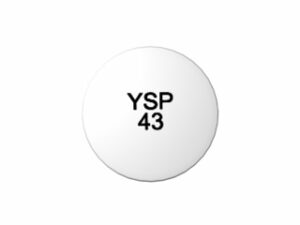


Misoprostol (Australia) — Patient-Friendly Guide
Misoprostol is a medicine used for several important medical purposes. In Australia, it is typically supplied under specific regulatory controls and clinical guidelines. This page provides general, patient-friendly information about how misoprostol works, how it may be used, and key safety considerations.
Important: Misoprostol uses and dosing can vary depending on the reason it is being taken, your medical history, and the product strength and formulation. Always follow the specific instructions provided with your medicine and/or by your healthcare professional.
Quick Facts
- Medicine name: Misoprostol
- Common uses: Reducing stomach acid risk when taking NSAIDs; and for certain gynaecology/obstetric indications (as guided by clinicians and local protocols).
- How it works: Mimics prostaglandins to affect the stomach lining and/or uterine and cervical activity (depending on the indication).
- Typical effects: Abdominal cramping and bleeding may occur for some indications; for stomach protection, it helps reduce ulcer risk.
- Key safety topics: Possible gastrointestinal symptoms, bleeding, uterine effects in pregnancy-related contexts, and drug interactions.
Basic Product Information
Misoprostol is a synthetic prostaglandin E1 analogue. It is available in tablet form. Different countries may use different formulations and strengths; in Australia, availability can vary depending on supply channels and the specific product.
What the medicine is used for
Misoprostol may be used for:
- Prevention of NSAID-associated gastric ulcers in people at risk (for example, those who have a history of ulcers or are older).
- Specific uterine/cervical indications in accordance with local clinical guidelines and under appropriate medical supervision.
Because misoprostol has multiple uses, it is important that the dose and timing match the intended indication.
Mechanism of Action (How Misoprostol Works)
In the stomach
Misoprostol helps protect the stomach and upper gastrointestinal tract by:
- Increasing production of mucus and bicarbonate, which protect the stomach lining.
- Reducing gastric acid secretion.
- Promoting maintenance of mucosal integrity (helping the lining stay healthy).
In the uterus and cervix
For gynaecological/obstetric indications, misoprostol can:
- Cause uterine contractions through prostaglandin receptor activity.
- Promote cervical softening and dilation.
- Influence uterine activity and bleeding patterns, depending on gestational age and clinical context.
The exact clinical role varies by indication and should be used according to established protocols.
Pharmacokinetics (Absorption, Distribution, Metabolism, Excretion)
After dosing, misoprostol is absorbed and converted in the body to active metabolites. Key pharmacokinetic features include:
- Absorption: Misoprostol is absorbed after oral administration; absorption can differ slightly depending on whether the tablets are swallowed whole or used by some alternative routes described in clinical protocols.
- Activation: The drug is metabolised to its active form(s), primarily in the body.
- Onset: Effects can begin within hours, though timing depends on the route and indication.
- Metabolism: Metabolism occurs mainly in the liver.
- Excretion: Metabolites are eliminated through kidneys (urine).
Practical note: Because absorption and onset can vary, timing instructions are important. If your instructions include an “interval” between doses, it is important not to change these intervals without advice.
Typical Use and Timing
Misoprostol is used differently depending on the reason it is prescribed. Below are general, patient-friendly frameworks commonly seen in clinical use. Always use the exact directions that come with your specific product and follow the protocol for the intended indication.
1) Stomach protection when using NSAIDs
When misoprostol is used to help prevent NSAID-related stomach ulcers, it is typically taken as a preventive medicine during NSAID therapy.
- Timing: Often taken in divided doses (e.g., morning and evening) depending on the regimen.
- With meals: Taking misoprostol with food may improve tolerability for some people.
- Consistency: Continue as directed while NSAIDs are used.
2) Uterine/cervical indications
For uterine/cervical indications, timing and dose intervals are critical. Some protocols use multiple doses separated by defined time intervals.
- Expected timing of effects: Cramping and bleeding commonly begin within hours after dosing, but the pattern varies.
- Monitoring window: Medical guidance often includes a period to assess progress and symptoms.
- Follow-up: A follow-up plan is usually recommended if symptoms do not follow the expected pattern.
Do not change the dose or schedule based on symptoms alone.
Food Interactions
Food can affect tolerability and, for some formulations, absorption.
- Taking with food: For people using misoprostol for stomach protection, taking it with meals or shortly after may reduce gastrointestinal discomfort.
- Dealing with nausea/diarrhoea: If diarrhoea or nausea occurs, staying hydrated and eating light meals can help. If symptoms are severe or persistent, seek advice.
If you are given specific instructions about how to take the tablets (for example, timing relative to meals or whether tablets should be held in the mouth), follow those instructions carefully.
Alcohol and Medicine Interactions
Alcohol
There is no single universal rule for alcohol with misoprostol; however:
- Moderation is advised, especially if you experience dizziness, gastrointestinal upset, or cramping.
- Alcohol may worsen stomach irritation and can increase the chance of nausea or diarrhoea.
Other medicines (interaction overview)
Misoprostol can interact with other medicines mainly through additive effects on the gastrointestinal tract or uterine activity depending on the clinical context.
Tell your pharmacist or healthcare provider about all medicines you take, including:
- NSAIDs (relevant when misoprostol is used for ulcer prevention)
- Blood-thinning medicines (e.g., warfarin) — may increase bleeding risk in some indications
- Other prostaglandin-like medicines — may increase uterine effects
- Medicines that affect the liver or drug metabolism — could influence metabolism indirectly
Because interaction risk depends heavily on the indication, your prescriber’s plan, and your health profile, it is important to confirm interactions with a pharmacist.
Indications (When Misoprostol May Be Used)
Below are the main categories where misoprostol may be used, described in patient terms.
NSAID-associated gastric ulcer prevention
Misoprostol can reduce the risk of gastric ulcers caused by NSAID medicines (such as ibuprofen, naproxen, or diclofenac). It is generally considered for people at higher risk of ulcer complications.
Gynaecology/obstetrics-related indications
Misoprostol may be used for uterine and cervical effects as part of clinical protocols for specific situations. The exact use depends on gestational factors and medical assessment.
Important safety point: Misoprostol has strong effects on the uterus and can be harmful in some pregnancy-related circumstances. Use should always align with an appropriate clinical rationale.
Dosing (General Guidance)
Dosing varies according to:
- the indication
- the product strength
- your medical history
- your gestational age (for uterine/cervical indications)
- the route of administration used in the protocol
Because exact dosing schedules differ, this section provides patient-friendly principles rather than a one-size-fits-all regimen.
NSAID-related ulcer prevention (stomach protection)
- Doses are often taken in divided form during NSAID therapy.
- Follow the schedule provided with your medicine.
- If you miss a dose, take it when you remember unless it is close to the next dose—do not double up.
Uterine/cervical indications
- Protocols typically specify an interval between doses.
- Timing affects effectiveness and safety.
- Do not change the number of doses or interval length.
If you have questions about the dose written on your product label, contact your pharmacist.
Safety Profile
Like all medicines, misoprostol can cause side effects. Many side effects are dose-related and may be more noticeable at the beginning of treatment or after uterine-active dosing.
Common side effects
- Gastrointestinal: diarrhoea, nausea, abdominal cramps, indigestion
- Headache
- Chills or feverish feeling
- For uterine/cervical indications: cramping and vaginal bleeding (expected in many protocols, but should still be monitored for severity)
Serious side effects — seek urgent medical help
Get urgent medical assistance if you experience:
- Heavy bleeding (for example, soaking through pads rapidly or passing very large clots)
- Severe or worsening abdominal pain that does not improve
- Fainting, severe dizziness, or signs of shock
- Fever that persists or becomes high, especially if accompanied by worsening pain or foul-smelling discharge
- Allergic reaction such as swelling of the face/lips, trouble breathing, or widespread hives
When to talk to a clinician promptly (non-emergency)
- Bleeding patterns that are much heavier or much lighter than expected
- Ongoing stomach symptoms that are not improving
- Persistent diarrhoea leading to dehydration
Practical Use Tips
These tips are designed to support safe, comfortable use. Always follow your specific product instructions.
General comfort measures
- Hydration: If diarrhoea occurs, drink fluids regularly.
- Light meals: Helps reduce nausea and stomach upset for some people.
- Heat for cramps: A warm compress/heating pad may help abdominal cramping.
- Pain relief: If you can take them safely for your situation, common pain relief options may be considered. Confirm with a pharmacist if unsure.
For uterine/cervical use (symptom monitoring)
- Prepare for cramping and bleeding by having sanitary pads available (avoid tampons unless advised otherwise).
- Plan to rest and remain within reach of medical services if needed.
- Track symptoms (timing of onset, severity, and duration of bleeding) as these can help clinicians assess progress.
Storage and handling
- Store tablets at room temperature as indicated on the packaging.
- Keep out of reach of children.
- Do not use tablets past their expiry date.
Alternative Options
Alternatives depend on the reason misoprostol is being considered.
For NSAID-related ulcer prevention
Alternatives may include:
- Proton pump inhibitors (PPIs) (for acid suppression)
- H2-receptor antagonists (less potent than PPIs for many people)
- Changing NSAID strategy where appropriate (dose reduction or NSAID selection)
For uterine/cervical indications
Depending on local guidelines and medical assessment, alternatives can include different medicines or procedures. Your clinician or pharmacist can discuss what may be appropriate in your situation and what follow-up is required.
Do not self-switch between alternatives without medical guidance, as dosing and risks differ.
Market and Legal Context for Australia
In Australia, medicines are regulated through the Therapeutic Goods Administration (TGA) and the broader national medicines framework. Availability and supply routes can vary depending on:
- Approved indications for the product
- Scheduling (how strictly the medicine is controlled)
- Local clinical guidelines
- Distribution arrangements with pharmacies and authorised suppliers
Patient access is supported through lawful channels such as licensed pharmacies and appropriate clinical pathways. If you have any concerns about eligibility, you can speak with our team or your pharmacist to clarify what is available.
Recent guidance and changing protocols
Clinical approaches can evolve as new evidence emerges, and local guidance may be updated. It is a good idea to:
- Use information that aligns with current Australian clinical guidance
- Confirm any updated recommendations with a clinician or pharmacist
- Follow follow-up and emergency advice relevant to your situation
Delivery and Availability (Australia)
Availability of misoprostol may vary by product strength and supply conditions. If you choose to order from an online pharmacy, common steps include:
- Ordering: Select the product and quantity available on the site.
- Verification: The pharmacy may verify eligibility and provide counselling.
- Dispatch: Orders are typically dispatched after checks are completed.
- Delivery: Home delivery options may vary by region and courier service.
Delivery expectations: Delivery time can depend on your location, stock availability, and any required processing. You will typically receive tracking information once dispatched.
Contact us if you need help confirming availability, expected dispatch times, or delivery constraints.
FAQ
1) What is misoprostol used for in Australia?
Misoprostol can be used for preventing NSAID-associated stomach ulcers in people at higher risk. It may also be used for specific uterine/cervical indications under clinical protocols. The exact use depends on your situation and the medicine regimen you receive.
2) How fast does misoprostol work?
Onset of effects depends on the indication and how the medicine is taken. In many protocols, effects can begin within hours. For stomach protection, improvement is associated with ongoing use rather than a single rapid effect.
3) Is diarrhoea a common side effect?
Yes. Diarrhoea can occur, especially in the first day or two after dosing. If diarrhoea is severe, persistent, or you develop signs of dehydration, contact a healthcare professional.
4) Can I take misoprostol with food?
For many people, taking misoprostol with food can improve tolerability. Follow the instructions supplied with your medicine, particularly if your regimen specifies timing relative to meals.
5) Should I drink alcohol while using misoprostol?
Moderation is advised. Alcohol may worsen stomach symptoms and may increase risk of nausea or dizziness. If you’re unsure, ask your pharmacist.
6) What medicines might interact with misoprostol?
Interactions depend on your health profile and intended use. Tell your pharmacist about all medicines you take, especially NSAIDs, blood thinners, and any medicines that affect uterine activity or metabolism.
7) What should I do if I miss a dose?
For stomach protection regimens, take it when you remember unless close to the next dose. For uterine/cervical protocols, do not adjust the schedule on your own—contact a pharmacist for guidance based on your protocol.
8) When should I seek urgent medical care?
Seek urgent help if you experience heavy bleeding, severe pain, fainting or severe dizziness, persistent high fever, signs of allergic reaction, or any rapidly worsening symptoms.
9) How should I store misoprostol?
Store at room temperature as directed on the pack, keep tablets in the original container, and protect from children. Do not use after the expiry date.
10) Are there alternatives to misoprostol?
Yes, but alternatives depend on what you are treating. For ulcer prevention, acid-suppressing medicines may be alternatives. For uterine/cervical indications, alternatives can include different medicines or procedures guided by clinical protocols.
Important Reminder
This information is intended to help you understand misoprostol in general terms. Individual instructions may differ depending on the indication and your medical circumstances. If you have questions about how to take misoprostol safely, side effects you are experiencing, or whether your symptoms match expectations, speak with a pharmacist or clinician promptly.