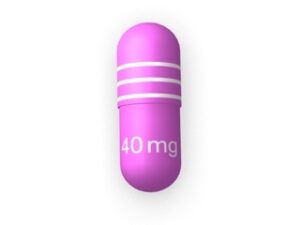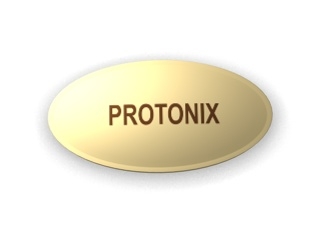


Protonix (Pantoprazole) – Patient Information (Australia)
Protonix is a medicine containing pantoprazole, a proton pump inhibitor (PPI) used to reduce the amount of acid made by the stomach. It is commonly used for conditions such as reflux symptoms (heartburn), stomach and duodenal ulcers, and some situations where the stomach needs extra acid suppression.
This page is written to help you understand how Protonix works, how to take it, what to expect, and what to consider with other medicines and alcohol. Always follow the instructions on your label or as advised by a healthcare professional.
Key product information
| Information | Details |
|---|---|
| Active ingredient | Pantoprazole |
| Medicine type | Proton pump inhibitor (PPI) |
| Common forms | Oral tablets (various strengths) or delayed-release formulations depending on brand/pack |
| How it works | Reduces stomach acid production by blocking the proton pump |
| Typical onset | Often begins within 1–2 days; full benefit may take several days |
| Where it’s used | Reflux disease, ulcers, and acid-related conditions (as guided by your clinician) |
| Availability in Australia | Brand and formulation availability can vary; availability depends on supply and pharmacy listing |
How Protonix works (mechanism of action)
Pantoprazole is a proton pump inhibitor. Proton pumps are specialised systems in the stomach wall (parietal cells) that produce acid. Protonix works by:
- Blocking the proton pump so less acid is released into the stomach
- Helping heal acid-related damage and reducing symptoms like heartburn and acid reflux
- Lowering acidity over the day, which supports treatment of ulcers and erosive conditions
Protonix does not neutralise acid instantly like some antacids. Instead, it gradually reduces acid production. That is why regular daily use is important for best effect.
Pharmacokinetics (what the body does to the medicine)
Understanding how the medicine behaves can help you take it at the right time.
- Absorption: Pantoprazole is absorbed after you take it by mouth. The delayed-release formulation is designed to help it survive the acidic stomach environment and release appropriately in the intestines.
- Onset of action: Acid suppression begins after dosing. Many people notice symptom improvement within the first few days, though complete relief and healing may take longer depending on the condition.
- Metabolism: Pantoprazole is metabolised mainly in the liver (via drug-metabolising enzymes).
- Elimination: Metabolites are removed from the body primarily through the kidneys. Individual clearance can vary with age and liver function.
- Duration of effect: Even though the medicine’s concentration in blood changes over time, its acid-suppressing effect can last longer than the period it stays at high levels.
Typical uses and indications
Protonix may be used to treat or prevent conditions related to excessive stomach acid. Indications can differ depending on dose, formulation, and clinical assessment. Common uses include:
Common indications
- Gastro-oesophageal reflux disease (GORD) and symptoms such as heartburn and acid regurgitation
- Erosive oesophagitis (inflammation of the oesophagus caused by acid)
- Peptic ulcers (stomach or duodenal ulcers)
- Ulcer prevention and management in certain higher-risk patients, particularly where continued acid-related protection is needed
- Acid-suppression strategies where the stomach needs reduced acid output (specialist-directed)
If you’re taking Protonix together with other medicines (for example, for ulcer healing or infection eradication), follow the full combined regimen exactly as directed.
How to take Protonix (timing and instructions)
Correct timing helps Protonix work effectively. The medicine is best taken when it can start acting on the stomach’s acid-producing cells.
General timing guidance
- Take Protonix once daily: usually on the same time each day.
- Best time: many people take it before breakfast (often 30–60 minutes before eating), unless your clinician/pharmacist advises otherwise.
- Swallow whole: do not crush or chew the tablet. Keep it intact so the delayed-release coating works properly.
- Missed dose: take it when you remember unless it’s close to the next dose. Do not take a double dose.
When it is taken more than once daily
Some regimens involve multiple daily doses. If your instructions specify more than one dose per day:
- Separate doses as directed (often before meals).
- Do not exceed the prescribed directions.
Food interactions (what to know about meals)
Food can affect how and when Protonix begins to work. While pantoprazole is absorbed after release from its coating, taking it before food is usually recommended for best effect because acid production rises around mealtimes.
Practical tips
- Take before meals when possible (commonly before breakfast).
- If you accidentally take it with or after food, don’t panic—take the next dose at your usual time and continue regularly.
- For personalised advice, follow your label instructions or your pharmacist’s direction.
Alcohol and medicine interactions
Alcohol does not typically have a direct chemical interaction with pantoprazole. However, alcohol can worsen reflux symptoms in many people by relaxing the lower oesophageal sphincter and irritating the oesophagus. If you have GORD, limiting alcohol may improve comfort and reduce symptom flare-ups.
General alcohol considerations
- Heartburn and reflux: alcohol may increase symptoms.
- Ulcer risk: frequent alcohol intake may contribute to irritation of the stomach lining.
- Moderation: consider reducing intake and observe whether your symptoms improve.
Medicine interactions (important)
Protonix can alter stomach acidity, which may affect absorption or effectiveness of certain medicines. Some interactions are clinically significant. Always check with your pharmacist or doctor if you take other medications.
Medicines that may be affected by acid suppression
- Medicines where absorption depends on stomach acidity (effectiveness can change with lower acid)
- HIV medicines or other specialist medicines where stomach pH is important (your clinician/pharmacist can advise)
- Some antifungal or antibacterial agents where acidity influences absorption
- Medicines affecting liver metabolism may change pantoprazole levels in the body
- Warfarin (there have been reports of changes in INR with PPIs in some patients—monitoring may be required)
What to do: bring a list of your medicines (including vitamins, herbal products, and over-the-counter products) to your pharmacist. This makes it easier to check for interaction risks.
Safety profile and who should be extra careful
Protonix is generally well tolerated. Like all medicines, it can cause side effects in some people. Most are mild and improve as your body adjusts.
Common side effects
- Headache
- Nausea
- Diarrhoea or constipation
- Abdominal pain, bloating, or discomfort
- Flatulence
Seek urgent medical advice if you experience
- Allergic reaction symptoms such as rash, swelling of the face/lips, severe itching, or trouble breathing
- Severe or persistent vomiting, especially if it contains blood
- Black/tarry stools or blood in stool
- Unexplained weight loss, difficulty swallowing, or worsening symptoms
- Severe dehydration from persistent diarrhoea
Long-term safety considerations
For people taking PPIs for longer periods, clinicians typically aim for the lowest effective dose and regular review. Long-term use has been associated with certain risks in research; your healthcare professional can discuss your individual benefit-risk balance.
- Possible effects on vitamin and mineral absorption over extended periods (for example, magnesium and vitamin B12 are sometimes monitored if risk factors exist)
- Increased susceptibility to certain gut infections in some contexts
- Changes in gut hormone signalling and microbiome patterns can occur
- Symptoms that persist despite adequate therapy should be reassessed
Who should be extra cautious
- Liver disease: tell your clinician/pharmacist if you have liver impairment.
- Older adults: review ongoing need and interactions.
- People with osteoporosis risk or long-term PPI use: discuss monitoring and bone health strategies.
- Pregnancy and breastfeeding: only use if advised by your healthcare professional.
- Children: dosing and suitability depend on age and indication and should be determined by a clinician.
Practical use tips for best results
- Be consistent: pantoprazole works best with daily regular dosing.
- Take before breakfast (or before the meal timing specified) for optimal effect.
- Give it time: don’t judge results after one dose; many people need a few days for improvement.
- Avoid missed doses: setting a reminder can help.
- Keep an eye on triggers: common reflux triggers can include large meals, late-night eating, spicy or fatty foods, and alcohol.
- Consider lifestyle measures: elevating the head of the bed, avoiding meals right before lying down, and maintaining a healthy weight can improve symptoms.
Dosing overview (strengths and general patterns)
Protonix dosing depends on the condition being treated, your age, other medicines, and how severe the symptoms are. Always follow the dosing instructions provided for your specific product and situation.
Common dosing patterns used in practice may include:
- GORD / reflux symptoms: often started once daily, sometimes adjusted depending on response
- Ulcer healing: dosing may be once daily or more, depending on the ulcer type and treatment plan
- Maintenance or prevention: may involve the lowest effective dose to keep symptoms controlled
- Combination therapy: if prescribed, Protonix may be used alongside other medicines (e.g., to treat ulcer-related infection or to heal ulcer tissue)
Important: if your symptoms do not improve after a course, or they return quickly, contact your healthcare provider for reassessment rather than increasing dose without guidance.
What to expect when starting Protonix
Many people notice reduced heartburn and reflux over several days. Some people—particularly with more severe inflammation—may require longer. If you’re using Protonix for ulcer healing, symptom improvement may not perfectly track healing; completion of the recommended course matters.
Can it be used with antacids?
Short-term use of antacids or alginate-based products may help with breakthrough symptoms for some people. However, check with your pharmacist—especially if you’re taking other medicines with timing requirements.
Alternative options to Protonix
If Protonix isn’t suitable or isn’t controlling symptoms, there may be alternative approaches. Options include other PPIs and other classes of acid-reducing medicines.
Common alternatives
- Other proton pump inhibitors (for example, omeprazole, esomeprazole, lansoprazole, and others depending on availability)
- H2-receptor antagonists (such as famotidine or similar options) for some mild or intermittent symptoms
- Antacids for fast, short-term relief
- Alginate-based products that form a barrier to reduce reflux for some people
If you want to switch medicines, it’s best to do so with guidance because dosing and timing can differ. Do not stop abruptly if you’ve been taking a PPI long term without discussing with a clinician, as symptoms can return.
Australia market and legal context
In Australia, access to Protonix products can vary by formulation and strength, and by whether the medicine is listed under specific supply arrangements. Pharmacy supply may depend on assessment and adherence to Australian medicine regulations.
What this means for you:
- Pharmacists may ask about your symptoms, medical history, and medicines to check safe use.
- For some presentations, clinical review or specific eligibility criteria may apply.
- Always use the product that matches the intended dose and formulation.
Recent guidance and current best-practice considerations
Australian and international clinical guidance generally emphasises:
- Using PPIs at the lowest effective dose for the shortest time needed, then reviewing ongoing need for longer use
- Assessing persistent symptoms (for example, if reflux symptoms don’t improve) to confirm diagnosis and rule out other causes
- Reviewing drug interactions, particularly when multiple medicines are used
- Monitoring risk factors for long-term users (such as those with osteoporosis risk, kidney disease, or low magnesium/vitamin B12 concerns)
If you have reflux symptoms that keep coming back, it may be useful to discuss a planned step-down or “review date” with your healthcare provider rather than continuing indefinitely without reassessment.
Delivery, availability, and ordering (Australia)
Availability of Protonix in Australia can depend on the specific strength, pack size, and supply chain at the time of ordering. Online pharmacies typically confirm stock prior to dispatch.
Delivery information (typical)
- Dispatch times: vary based on order cut-off times and local stock.
- Tracking: many online pharmacies provide tracking updates after dispatch.
- Cold chain: Protonix tablets do not generally require refrigerated delivery.
- Packaging: medicines are usually delivered in secure packaging suitable for pharmacy products.
If you have a tight timeline (e.g., you are about to run out), it’s a good idea to check estimated delivery times during checkout or contact customer support.
FAQ
1) How quickly does Protonix work?
Many people start to feel relief within 1–2 days, but full effect can take a few days. If symptoms persist or worsen, speak with a pharmacist or clinician for guidance.
2) Should I take Protonix before or after food?
For best results, take Protonix before meals—often 30–60 minutes before breakfast. Follow your product label instructions if they differ.
3) Can I drink alcohol while taking Protonix?
There is no common direct interaction, but alcohol can trigger or worsen reflux symptoms. If you notice worse heartburn after drinking, reducing or avoiding alcohol may help.
4) Can I take antacids with Protonix?
Some people use antacids for breakthrough symptoms. Because timing can affect other medicines too, it’s best to ask your pharmacist—especially if you take multiple medications.
5) What if I forget a dose?
Take it when you remember unless it’s close to the next dose. Don’t take two doses at the same time. If you frequently forget doses, consider setting a reminder.
6) Is Protonix safe for long-term use?
Many people use PPIs long term under medical review when benefits outweigh risks. Long-term use should typically be reviewed periodically with your healthcare professional, aiming for the lowest effective dose and monitoring for risk factors when appropriate.
7) Are there interactions with other medicines?
Yes. Stomach acid changes can affect absorption of some medicines, and pantoprazole can interact with medicines processed by liver enzymes. Always provide your full medicine list to your pharmacist.
8) What side effects should I watch for?
Common effects include headache, nausea, abdominal discomfort, diarrhoea, or constipation. Seek urgent help if you have signs of an allergic reaction, severe worsening symptoms, vomiting blood, black stools, or persistent severe diarrhoea.
9) Can Protonix be stopped suddenly?
If you’ve been taking a PPI for a while, stopping suddenly may lead to a return of symptoms in some people. Discuss a step-down plan with a clinician, especially for long-term use.
10) What should I do if my reflux symptoms don’t improve?
If symptoms persist despite correct use, contact your pharmacist or clinician. You may need a review of diagnosis, adherence to timing, or changes in treatment.
Summary
Protonix (pantoprazole) is a proton pump inhibitor that reduces stomach acid production. For many people with reflux, ulcers, or acid-related conditions, Protonix helps relieve symptoms and supports healing when taken correctly—typically before breakfast and consistently each day. Always consider potential medicine interactions, watch for concerning side effects, and review long-term use with a healthcare professional.