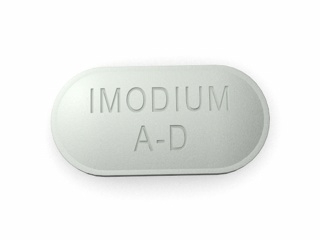

Imodium (Loperamide) – Patient Information (Australia)
Imodium contains loperamide, an anti-diarrhoeal medicine used to help control symptoms of diarrhoea. This guide explains how Imodium works, how to use it safely, and what to know about interactions, timing, and when to seek medical advice.
This information is designed to help you understand the medicine. Always read the package label and, if available, the Consumer Medicine Information (CMI) that comes with your product.
Basic product information
- Medicine: Imodium
- Active ingredient: Loperamide
- Medicine type: Anti-diarrhoeal (symptomatic treatment)
- Common forms: Tablets/capsules and other pack types depending on brand and region
- Who it is for: People with acute or chronic diarrhoea where dehydration is not a major concern and when appropriate for age/condition
Important: Imodium is mainly for reducing the frequency and urgency of diarrhoea. It does not treat the underlying cause (for example, infections) directly.
How Imodium works (mechanism of action)
Loperamide works in the intestine to slow down bowel movement. It binds to opioid (mu) receptors in the gut wall (peripheral opioid receptors), which:
- reduces gut motility (movement of the intestines)
- increases transit time so more water and salts can be absorbed
- intestinal secretions (in some cases)
- urgency and frequency of stools
This results in firmer stools and fewer episodes of diarrhoea.
Pharmacokinetics (how the body handles loperamide)
Understanding pharmacokinetics helps explain dosing and safety. Key points include:
- Absorption: Loperamide is absorbed from the gastrointestinal tract.
- Distribution: It works primarily in the gut. Smaller amounts may reach systemic circulation.
- Metabolism: Loperamide is extensively metabolised, mainly in the liver.
- Excretion: Metabolites are excreted largely via faeces, with some eliminated in urine.
- Central effects: At usual doses, loperamide has limited penetration into the brain due to transport mechanisms. However, overdose or interacting medicines may increase the risk of serious heart and nervous system side effects.
Safety note: Because metabolism and transport pathways can be affected by other medicines, it is important to check drug interactions (see below).
Typical uses and indications
Imodium is used for diarrhoea symptom control. The specific product indication can vary by formulation and local label. In general, it may be used for:
- Acute diarrhoea: such as short-term diarrhoea from dietary causes or mild gastroenteritis, after rehydration measures are considered
- Chronic diarrhoea: in some conditions where symptom control is appropriate (long-term treatment may require medical assessment)
When it is not suitable: Do not use loperamide to treat diarrhoea if you have signs that suggest invasive infection or severe inflammation, such as:
- blood in stool
- fever
- severe abdominal pain
- suspected pseudomembranous colitis or serious inflammatory bowel conditions
- diarrhoea following antibiotics where severe colitis may occur
If any of the above apply, seek medical advice promptly rather than using Imodium to mask symptoms.
Timing and how to take Imodium
Most people take Imodium after the first loose stool. The goal is symptom control while reducing bowel urgency and frequency.
- Start: Take after the first episode of loose stools (following label directions).
- Repeat doses: Usually taken after subsequent loose stools, not on a fixed schedule—unless your label instructs otherwise.
- Maximum daily dose: Do not exceed the recommended maximum on your pack.
- Duration: Use for the shortest time necessary. If diarrhoea continues, you should seek medical advice.
Hydration first: For diarrhoea, the most important treatment is usually preventing dehydration. Oral rehydration solutions (ORS) are often recommended, especially for children and older adults.
Food interactions and whether to take with meals
In general, loperamide can be taken with or without food. However, practical guidance includes:
- If you have an upset stomach, take it with a small snack if tolerated.
- fluids and electrolytes first rather than relying on medication.
No specific food groups are universally known to significantly reduce effectiveness, but severe dehydration or vomiting can affect absorption and tolerance.
Alcohol and medicine interactions
Alcohol
There is no universal “safe” amount of alcohol when you have diarrhoea. Alcohol can:
- increase dehydration
Recommendation: Avoid alcohol while you have diarrhoea and while you are taking anti-diarrhoeal medicines.
Interactions with other medicines
Loperamide can interact with medicines that affect the enzymes and transporters responsible for its metabolism and movement in the body. These include:
- Drugs that inhibit CYP3A4 and/or P-glycoprotein (P-gp) may increase loperamide levels in the body.
- Some antibiotics, antifungals, HIV medications, and certain cardiac or neurologic medicines may increase risk if combined.
- Opioid-related medicines may add to side effects such as drowsiness or constipation.
- Other anti-motility medicines (or agents that slow the gut) may increase constipation risk.
Critical safety point: Taking more than the recommended dose—or combining with interacting medicines—can increase the risk of serious heart rhythm problems (including QT prolongation) and severe effects on the nervous system.
Before using Imodium: check the label for interaction warnings and consider asking a pharmacist about your specific medicines.
Dosing (adults and children)
Always follow the dosing instructions on your pack. Formulations and age guidance can vary. Below is general patient-friendly guidance commonly seen for loperamide-containing products; however, your local label should be treated as the source of truth.
Adults and adolescents
- Initial dose: often 4 mg after the first loose stool (commonly used adult start dose).
- Subsequent dose: often 2 mg after each additional loose stool.
- Maximum: do not exceed the maximum daily dose listed on the package.
Children
Children are more vulnerable to complications from diarrhoea and dosing errors. Many loperamide products have strict age limits and dosing instructions.
- Do not use in young children unless the product label explicitly allows it and dosing is confirmed.
- Use only the child-appropriate strength/form and measure dosing accurately.
- If diarrhoea is frequent, bloody, or accompanied by fever, seek advice promptly instead of using anti-diarrhoeals.
Talk to a pharmacist if you are unsure about age-appropriate dosing for your specific product.
Safety profile and precautions
Most people tolerate loperamide well when used correctly. However, it can cause side effects and is not appropriate for every type of diarrhoea.
Common side effects
- Constipation or reduced bowel movements
- Dry mouth
- Dizziness
- Nausea
Serious risks (seek urgent help)
Stop using loperamide and seek urgent medical help if you experience:
- Severe abdominal pain or a swollen/distended abdomen
- Blood in stool or high fever
- Signs of dehydration (very thirsty, dry mouth, minimal urination, marked weakness)
- Fainting**, severe dizziness, palpitations (possible heart rhythm issues)
- Severe drowsiness or unusual behaviour (possible central nervous system effects, especially with overdose/interactions)
Key precautions
- Avoid prolonged use without medical advice—diarrhoea can have serious causes.
- Do not use if you suspect inflammatory or invasive diarrhoea (e.g., severe infection).
- Use caution if you have liver disease or conditions that affect gut function.
- Be cautious with constipation risk, especially if you are elderly or taking other medicines that slow bowel function.
Practical use tips for best results
- Rehydrate first: Begin ORS or clear fluids to replace losses.
- Follow the “loose stool” dosing pattern: Many regimens use extra doses after each loose stool, not on a schedule.
- Keep track of symptoms: Note the number of stools and whether there is fever or blood.
- Use the minimum necessary: If diarrhoea stops, stop taking further doses.
- Watch for constipation: If stools become hard or you stop passing stool, don’t continue dosing.
- Maintain light foods: When you can eat, choose bland, easy-to-digest foods (e.g., rice, toast, bananas) until improved.
Alternative options for diarrhoea
Depending on the cause and severity, other approaches may be more appropriate than anti-motility medicines.
Oral rehydration solution (ORS)
ORS is often the most important treatment. It replaces water and salts lost in diarrhoea and helps prevent dehydration.
Dietary measures
- Small, frequent sips of fluids
- Light meals when tolerated
- Avoid heavy, fatty, or highly spicy foods during recovery
Other over-the-counter medicines
Some people consider:
- Adsorbents (products that bind stool water) may help some cases
- Bismuth-based products (where available) may help certain diarrhoea types
Suitability varies. A pharmacist can advise based on symptoms and age.
Probiotics
Some studies suggest probiotics may reduce duration of certain diarrhoeas (particularly infectious diarrhoea), but results vary by strain and patient group.
Antibiotics? These are not routinely used for every diarrhoea and should be guided by the suspected cause and clinical assessment.
Market and legal context for Australia
In Australia, medicines are regulated under the Therapeutic Goods Administration (TGA). Many loperamide products (including Imodium) are available for purchase from pharmacies and, in some cases, other retail channels depending on the specific product listing and scheduling.
Schedule and pharmacy access: Availability and supply conditions can vary by formulation (strength, pack size, age indications, and product classification). An Australian pharmacist can confirm the product you’re buying and any limitations.
Pharmacovigilance: Like all medicines, loperamide-containing products are subject to ongoing safety monitoring. Any suspected side effects can be reported through appropriate local channels.
Recent guidance and safety messages (Australia-focused)
Public health and medicine safety guidance generally emphasises:
- Do not use anti-diarrhoeals to treat diarrhoea with blood or fever, or when severe illness is suspected.
- Hydration is essential, especially for children, older adults, and people with chronic illness.
- Follow dosing limits and do not exceed the maximum daily dose.
- Be cautious with interacting medicines and avoid misuse.
Product labels also commonly highlight maximum daily dosing and warnings about serious adverse effects at high doses.
Delivery and availability (online pharmacy)
Imodium (loperamide) is widely stocked through Australian pharmacies and online pharmacy services. Availability depends on demand, pack size, and specific formulations.
- Ordering: Choose the correct product strength and form for your needs.
- Stock status: Online listings typically show availability and expected dispatch times.
- Delivery: Standard and express delivery options may be offered depending on the provider and location.
- Storage: Store at room temperature in a dry place, out of direct sunlight, and keep out of reach of children.
Tip: If you need it for travel or you have recurring bowel issues, consider speaking with a pharmacist for a plan that fits your health history.
FAQ – Frequently asked questions
1) Can I use Imodium for any type of diarrhoea?
No. Avoid using loperamide if diarrhoea is accompanied by blood, fever, or severe abdominal pain, or if you suspect invasive infection or serious inflammatory conditions. In these situations, seek medical advice.
2) How quickly does Imodium work?
Many people notice symptom improvement within hours after taking a dose. If there is no improvement or symptoms worsen, stop self-treatment and seek advice.
3) Should I continue taking Imodium if diarrhoea persists overnight?
Follow the dosing instructions on your pack and do not exceed the maximum daily dose. If diarrhoea persists beyond the period recommended for self-treatment, or if warning signs appear (fever, blood, severe pain, dehydration), seek medical advice.
4) Can I take Imodium with food or milk?
Generally, it can be taken with or without food. If you are nauseated, take it with a small amount of food if it helps you tolerate it. Avoid alcohol.
5) Is it safe to take Imodium if I’m taking other medicines?
Some medicine combinations can increase loperamide levels and the risk of side effects. Inform your pharmacist about all medicines you take (including anti-fungals, antibiotics, HIV medicines, and heart rhythm medicines), and check the interaction warnings on the product label.
6) Can I use Imodium for travellers’ diarrhoea?
Imodium may help reduce urgency and stool frequency for uncomplicated travellers’ diarrhoea. However, if you have fever or blood in stool, do not rely on loperamide—seek medical advice.
7) What should I do to prevent dehydration?
Use ORS if possible, or take frequent sips of fluids. Watch for signs such as reduced urination, dizziness, and extreme thirst—especially in children and older adults.
8) Does Imodium cause constipation?
It can. Constipation is one of the more common effects due to slowed gut movement. Stop dosing if you stop passing stool or if you develop significant bloating or pain.
9) Are there non-medicine options I can try first?
Yes. Hydration (ORS), bland foods, and resting your gut are often the first steps. Consider anti-diarrhoeal medicines only when appropriate and with correct dosing.
10) When should I seek urgent help?
Get urgent help if you have severe abdominal pain, blood in stool, high fever, fainting/palpitations, severe dehydration, or if you suspect overdose or accidental misuse.
Disclaimer: Product information can vary by formulation and local label updates. For the most accurate dosing, warnings, and interactions, please refer to the specific Imodium pack you have purchased and the included Consumer Medicine Information.