Prilosec (Omeprazole) – Patient Information (Australia)
Prilosec contains omeprazole, a medicine used to reduce stomach acid. It is commonly used for conditions such as reflux (heartburn/GERD), inflammation of the oesophagus, and certain stomach ulcers caused by Helicobacter pylori (H. pylori).
This guide is designed to be patient-friendly and to help you understand how Prilosec works, when to take it, what to expect, and what to watch for. Always follow your healthcare professional’s advice and the directions on the product label.
1) Basic product information
- Active ingredient: Omeprazole
- Brand name: Prilosec
- Medicine type: Proton pump inhibitor (PPI)
- How it works: Reduces acid production in the stomach
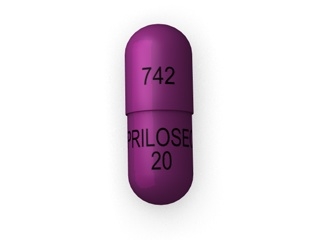
- Common forms: Enteric-coated tablets/capsules (brand presentations can vary by market/availability)
In Australia, omeprazole products may be available as different strengths and formulations, including pharmacy and other listings depending on eligibility and product category. Availability can vary by supplier and stock.
2) How Prilosec works (mechanism of action)
Omeprazole is a proton pump inhibitor (PPI). It works by blocking the “proton pump” (H+/K+ ATPase) in the stomach’s acid-producing cells. This reduces the amount of acid released into the stomach and upper digestive tract.
- Acid suppression: Less stomach acid is produced over the day and night.
- Healing environment: Lower acidity helps the oesophagus and stomach lining heal from irritation caused by acid.
- Symptom relief: Heartburn and acid-related discomfort often improve as acid levels fall.
PPIs are generally more effective than “quick relief” antacids for acid-related conditions because they reduce acid production rather than neutralising acid already present.
3) Pharmacokinetics (how the body handles it)
Understanding pharmacokinetics can explain why PPIs have a specific timing approach.
- Absorption: Omeprazole is absorbed from the gut. Because it is intended to work on active acid pumps, it is formulated to pass through the stomach and become active once absorbed.
- Onset: Symptoms may start to improve within the first day, but maximal acid suppression typically develops over a few days of daily use.
- Peak effect: The strongest effect often occurs after several doses as the acid pumps are inhibited consistently.
- Metabolism: Omeprazole is metabolised by liver enzymes (notably CYP2C19), which can vary between individuals.
- Elimination: Metabolites are eliminated mainly via the kidneys and/or bile depending on individual metabolism.
Because PPIs are most effective when taken before the body begins producing acid for the day, correct timing matters (see “When to take Prilosec” below).
4) Typical uses and indications
Prilosec is used for a range of acid-related conditions. Indications can vary depending on the product strength and local listing, but common uses include:
- Gastro-oesophageal reflux disease (GERD): Heartburn and acid reflux.
- Reflux oesophagitis: Inflammation of the oesophagus due to reflux.
- Healing and prevention: Help heal erosive inflammation and reduce recurrence (where applicable).
- Gastric and duodenal ulcers: Including ulcers related to acid.
- H. pylori eradication: Often as part of combination therapy with antibiotics and other medicines (treatment plans are typically prescribed by a healthcare professional).
- Zollinger–Ellison syndrome and other acid hypersecretory conditions: Less common but treated with ongoing acid suppression.
If symptoms persist despite appropriate use, or if you have red-flag symptoms (see FAQ), seek medical advice promptly.
5) How to take Prilosec – timing, frequency, and duration
General timing (important)
For best results, omeprazole is usually taken once daily, ideally:
- First thing in the morning on an empty stomach, about 30–60 minutes before eating.
If your medicine is prescribed or labelled as once daily, taking it before breakfast helps ensure the proton pumps are inhibited at the time they are most active. If you take it at random times or after meals, the benefit can be reduced.
If you need twice-daily dosing
Some treatment plans use twice-daily dosing (commonly before breakfast and before dinner). Follow the directions on your product label or from a healthcare professional.
Swallowing tips
- Swallow whole with water.
- Do not crush or chew enteric-coated formulations, as this may reduce effectiveness.
How long to expect benefits
- Heartburn relief: Many people notice improvement within 1–3 days.
- Healing of inflammation: Often takes longer (commonly several weeks depending on the condition).
- Continue as directed: If you stop early, symptoms can return.
6) Food interactions and what to eat/drink
Food generally reduces effectiveness if Prilosec is taken after meals. Omeprazole works best when taken before food.
- Avoid taking it with meals unless your label specifically instructs otherwise.
- Take with water and allow time before eating.
- Consistency helps: Try to take it around the same time each day.
Many people find that lifestyle adjustments (smaller meals, avoiding late-night eating) also improve reflux symptoms.
7) Alcohol and medicine interactions
Alcohol
Alcohol can worsen reflux and irritation for many people by relaxing the lower oesophageal sphincter and increasing acid-related symptoms. While alcohol is not known to directly “cancel out” omeprazole in the way some medicines do, it may still reduce comfort and increase flare-ups.
Consider limiting alcohol, especially if you notice symptoms after drinking.
Other medicines and interactions (important)
Omeprazole can affect how the body absorbs or processes certain medicines due to changes in stomach acidity and liver enzyme interactions. Tell a pharmacist or healthcare professional about all medicines you take, including over-the-counter products, vitamins, and herbal supplements.
- Clopidogrel (antiplatelet): Omeprazole may reduce clopidogrel’s activation. This combination is often avoided unless the prescriber considers it appropriate.
- Some antifungals (e.g., ketoconazole/itraconazole) and certain medicines requiring acid: Reduced stomach acid can lower absorption and effectiveness.
- Some HIV medicines: Interactions may occur; specific regimens vary.
- Warfarin (blood thinner): Monitoring may be needed if starting or stopping omeprazole, as INR can be affected in some cases.
- Diazepam and other CYP-metabolised medicines: Omeprazole can influence metabolism of some drugs.
- Phenytoin: Potential interactions can occur, depending on individual treatment and monitoring.
- Other acid reducers and antacids: Antacids can be used for breakthrough symptoms, but timing may matter. If you use antacids, discuss the schedule with a pharmacist.
If you take multiple medicines, it can help to keep a written list and review it with a pharmacist before starting or changing omeprazole use.
8) Safety profile: who should be cautious and when to seek help
Prilosec is widely used and generally well tolerated. However, like all medicines, it has potential side effects and considerations. Many people can use it safely when used correctly; nevertheless, you should be aware of warning signs and risk factors.
Common side effects (may be mild)
- Headache
- Nausea or stomach discomfort
- Diarrhoea or constipation
- Gas/bloating
- Dizziness in some people
Less common but important risks
The following risks are discussed widely for PPIs. They are not guaranteed to occur, but you should know what to watch for, especially with long-term use.
- Infections: Reduced stomach acid may increase susceptibility to certain gut infections (for example, Clostridioides difficile).
- Low magnesium (hypomagnesaemia): With prolonged use, some people may develop low magnesium, which can cause muscle cramps, weakness, or abnormal heart rhythms.
- Vitamin and mineral effects: Long-term use may be associated with reduced absorption of nutrients such as vitamin B12, and possibly iron in certain individuals.
- Kidney issues: Rare cases of kidney inflammation have been reported with PPIs.
- Bone fracture risk: Long-term high-dose PPI use has been associated in some studies with increased fracture risk (risk is generally small, but it is considered when using PPIs over long periods).
When to seek urgent medical advice
Seek medical help promptly if you have any of the following:
- Unintentional weight loss
- Vomiting blood or material that looks like “coffee grounds”
- Black/tarry stools (possible bleeding)
- Difficulty swallowing or pain when swallowing
- Persistent vomiting
- Severe chest pain (especially if unsure whether it is reflux)
- Symptoms that do not improve or worsen despite correct use
Special populations
- Pregnancy and breastfeeding: If you are pregnant, planning pregnancy, or breastfeeding, discuss risks and benefits with a healthcare professional.
- Children: Use only if appropriate for age and condition as directed by product guidance or a clinician.
- Older adults: Generally can use PPIs, but review ongoing need and monitor for side effects with longer use.
- Liver disease: Inform a pharmacist/doctor; monitoring may be required.
9) Practical use tips (getting the best results)
- Take it before food: Set a daily routine before breakfast.
- Be consistent: Taking it every day at the same time helps acid suppression.
- Give it time: Don’t judge effectiveness after one dose if you’re treating inflammation.
- Manage reflux triggers: Avoid late-night meals, reduce large fatty meals, and consider weight management if relevant.
- Use lifestyle changes with medicine: Elevating the head of the bed can help some people.
- Breakthrough symptoms: A pharmacist can advise on safe “as needed” options (for example, antacids) and timing.
- Review the need periodically: If you need PPIs long term, ask a healthcare professional if the dose or duration should be reviewed.
10) Dosing guidance (general information)
Dosing varies depending on the condition, severity, and local product strength. Always use the dose and schedule on the label or as advised by a clinician.
Common dosing patterns include:
- Reflux/GERD symptoms: Often once daily in the morning; some regimens may be higher strength or longer duration depending on response.
- Reflux oesophagitis: Typically requires a course of treatment for healing; duration can vary.
- H. pylori eradication: Usually involves combination therapy with antibiotics and other agents. Follow the full regimen exactly.
- Ulcers and maintenance strategies: Dose and duration depend on ulcer type and risk factors.
If your medicine label says “take once daily,” do not increase the dose without medical advice, even if symptoms continue.
11) Alternative options (what else may help)
Depending on your symptoms and medical history, healthcare professionals may consider other acid-suppressing or symptom-relief options. Alternatives include:
- Other PPIs: Esomeprazole, lansoprazole, pantoprazole, etc. (Different PPIs may be chosen based on tolerability, availability, and interaction profile.)
- H2 receptor antagonists: Famotidine or similar medicines may reduce acid but typically act differently than PPIs.
- Antacids: Provide faster, short-term symptom relief by neutralising acid already present.
- Alginate-based reflux products: Some products form a “raft” barrier to reduce reflux symptoms.
- Prokinetic or other approaches: Only in specific cases and usually under professional guidance.
A pharmacist can help compare options for your particular situation (for example, frequent symptoms versus occasional heartburn).
12) Market and legal context in Australia (overview)
In Australia, medicines are regulated under the Therapeutic Goods Administration (TGA) and classified by scheduling rules (which can determine whether items are available as prescription-only, pharmacy-only, or other categories). Product listings and strength availability can differ across brands and forms.
Omeprazole products may be available through pharmacies and other channels depending on current listings and formulation. Always purchase from reputable suppliers and check the product packaging for the exact strength and directions.
If you have ongoing or recurrent symptoms, it’s important to reassess the cause and long-term plan with a healthcare professional rather than using medicine indefinitely without review.
13) Recent guidance and evolving best practice (what to keep in mind)
Clinical guidance in many countries (including Australia) has increasingly focused on:
- Right treatment for the right time: Use the lowest effective dose for the shortest appropriate duration.
- Reassess ongoing need: For people on long-term PPIs, periodic review is recommended to confirm continued benefit.
- Confirm diagnosis when symptoms persist: Persistent or alarming symptoms warrant medical evaluation to rule out other conditions.
- Be mindful of interactions: Regularly check medicine lists, especially when adding or stopping other therapies.
This reflects a broader “deprescribing” and safety-oriented approach: many people only need a limited course, while others do require longer-term treatment.
14) Delivery and availability (Australia)
Availability of Prilosec/omeprazole can vary by stock level, strength, and formulation. Online pharmacies typically dispatch orders from warehouses and delivery timelines depend on location and courier service.
- Where available: Orders can usually be delivered to metro and regional areas across Australia.
- Packaging: Medicines are supplied in original manufacturer packaging with clear labelling.
- Cold-chain: Omeprazole products generally do not require refrigeration (follow the product label if specific storage instructions apply).
For the most accurate delivery time, check the shop’s product page and checkout estimates.
15) Summary table – key points at a glance
| Topic | What to know |
|---|---|
| Medicine | Prilosec (omeprazole) – a proton pump inhibitor (PPI) |
| Main action | Reduces stomach acid production |
| Best timing | Usually 30–60 minutes before breakfast on an empty stomach |
| Typical onset | Some symptom relief may begin within 1–3 days; maximum effect may take longer |
| Food interaction | Taking after meals may reduce effectiveness—follow label timing |
| Alcohol | May worsen reflux for many people—consider limiting, especially if symptomatic |
| Drug interactions | Potential interactions with certain medicines (e.g., clopidogrel, warfarin, some antifungals) |
| Safety | Generally well tolerated; seek help for warning signs (bleeding, trouble swallowing, severe symptoms) |
16) FAQ – frequently asked questions
1) Does Prilosec work immediately?
Many people feel some improvement within the first few days, but PPIs typically reach their strongest effect after several days of consistent daily dosing. For healing of inflammation, full benefit may take longer (often weeks, depending on the condition).
2) Can I take Prilosec with food?
For best results, take it on an empty stomach 30–60 minutes before meals (often before breakfast). If you take it after food, you may get less acid suppression.
3) What if I forget a dose?
If you remember later the same day, take it if it is still within a reasonable time before the next meal. If it’s close to the next scheduled dose, skip the missed dose and continue as directed. Do not double up.
4) Can I drink alcohol while taking Prilosec?
Alcohol can worsen reflux symptoms for many people. While it may not “block” omeprazole’s action directly, it can still increase heartburn and discomfort. If you notice a pattern, consider reducing or avoiding alcohol while symptoms are active.
5) What are common side effects?
Common side effects include headache, nausea, abdominal discomfort, diarrhoea, constipation, and bloating. If symptoms are severe, persistent, or concerning, seek advice from a pharmacist or healthcare professional.
6) Is it safe to take Prilosec long term?
Some people require longer-term treatment, but it’s generally recommended to review ongoing need with a healthcare professional. Long-term PPI use has been associated with specific risks (such as low magnesium or certain infections), though these are not common.
7) Are there medicines I should avoid with omeprazole?
Some medicines may interact with omeprazole, including clopidogrel and certain antifungals, and monitoring may be needed with warfarin. Always check your full medicine list with a pharmacist, especially if you take multiple prescriptions or have chronic conditions.
8) Can Prilosec be used for occasional heartburn?
It may be used for reflux-related symptoms depending on product listing and your medical situation. For very occasional symptoms, some people use antacids or alginate products instead. If you need acid suppression repeatedly, it’s a good idea to discuss the underlying cause and the most appropriate plan.
9) When should I stop and get medical advice?
Stop and seek advice promptly if you develop warning signs such as difficulty swallowing, vomiting blood, black stools, unexplained weight loss, or severe chest pain. Also seek advice if symptoms do not improve after an appropriate course.
10) What can I do alongside Prilosec to reduce reflux?
Helpful strategies often include:
- Avoid late-night meals
- Eat smaller meals
- Limit trigger foods (for example, fatty meals, spicy foods, or those that worsen symptoms for you)
- Elevate the head of the bed if night reflux is common
- Maintain a healthy weight if relevant
17) Important note
This information is general and is not a substitute for personalised medical advice. If you’re unsure which dose or duration is appropriate for you, or if you have ongoing symptoms, a pharmacist or healthcare professional can help tailor a safe and effective plan.