Pepcid (Famotidine) – Patient Information (Australia)
Pepcid contains famotidine, a medicine used to reduce stomach acid. It is commonly used for conditions such as heartburn and acid reflux. This guide explains how Pepcid works, when to take it, what to expect, and important safety and interaction information for use in Australia.
Quick facts
- Active ingredient: Famotidine
- Medicine type: H2-receptor (histamine-2) blocker
- Main uses: Heartburn, reflux symptoms, stomach/ulcer-related acid problems
- Typical onset: Often within 1 hour (varies by person and dose)
- Common dosing schedule: Once or twice daily depending on the product and condition
What is Pepcid?
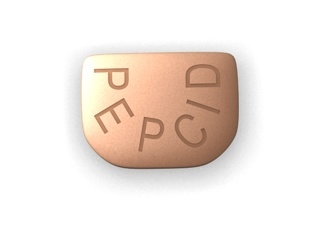
Pepcid is a brand name for famotidine. Famotidine works by decreasing acid production in the stomach. By reducing acid, it can relieve symptoms caused by stomach acid backing up into the oesophagus (the food pipe) or irritating the stomach lining.
In Australia, famotidine products are available through pharmacies for suitable indications. Availability and pack strengths may vary. Always check the label and follow the instructions provided with your specific product.
How Pepcid works (mechanism of action)
Famotidine is an H2-receptor antagonist. It blocks histamine receptors on cells in the stomach lining. Histamine normally stimulates these cells to produce acid. By blocking that signal, Pepcid:
- Reduces stomach acid secretion
- Helps relieve pain/burning from acid irritation
- Supports healing of acid-related conditions in appropriate cases
Compared with some other acid-suppressing medicines, H2 blockers like famotidine typically have a different duration and pattern of action. Many people use Pepcid to control symptoms that flare up, particularly when they need acid relief for a predictable period.
Pharmacokinetics (how the body handles famotidine)
Pharmacokinetics describes what the body does with a medicine—absorption, distribution, metabolism, and elimination.
Absorption
Famotidine is absorbed after oral dosing. Food may influence the speed of absorption, though the overall effect is usually predictable. If your doctor or pharmacist advises taking Pepcid at a specific time relative to meals, follow that advice.
Distribution
Famotidine distributes throughout the body. It acts mainly on acid-producing cells in the stomach.
Metabolism (breakdown)
Famotidine undergoes limited metabolism compared with many other medicines.
Elimination (excretion)
Famotidine is primarily eliminated via the kidneys. This is important for people with kidney impairment, where the medicine may stay in the body longer. Dose adjustments may be needed depending on the situation.
Practical takeaway: If you have reduced kidney function, discuss dosing and safety with a healthcare professional or pharmacist before using Pepcid.
Typical uses and indications
Pepcid is used to treat symptoms and conditions linked to stomach acid. Depending on the product and strength, it may be indicated for:
- Heartburn and symptoms of gastro-oesophageal reflux disease (GORD)
- Acid reflux and indigestion related to acid
- Ulcer-related conditions caused or worsened by excess acid (where applicable)
- Protection from acid-related damage in some clinical settings (as advised)
Note: Exact approved indications can differ by product and local guidance. Always check the consumer medicine information (CMI) or label instructions included with your Pepcid pack.
How to take Pepcid (timing and dosing)
General timing guidance
The best timing depends on what you’re treating. Common approaches include:
- For daytime heartburn: take according to label instructions, often before or after meals depending on your pattern of symptoms.
- For night-time symptoms: taking it in the evening may help reduce acid production overnight.
- For frequent symptoms: follow a planned schedule rather than only taking it when symptoms become severe.
Important: Follow the dosing instructions on the package or as advised by a pharmacist. Do not exceed the maximum daily dose listed on the label.
Typical dosing patterns (examples)
Because strengths and pack instructions vary, the exact dose must be taken from your product label/CMI. However, H2 blockers such as famotidine are commonly used in regimens such as:
- Once daily (especially for night-time symptoms)
- Twice daily (for ongoing reflux/heartburn control)
If you tell a pharmacist your age, kidney health, and symptom pattern, they can help you select an appropriate regimen from the available products.
What if symptoms continue?
Many people feel relief within hours. If symptoms persist beyond the recommended trial period on the label, you should seek medical advice. Ongoing symptoms may need a different strategy, including other medicines or further assessment.
Food interactions
Food can affect how quickly and how predictably some medicines act. With famotidine:
- Taking with or without food: many people can take Pepcid regardless of meals, but specific instructions may differ by formulation.
- For predictable control: taking it consistently at the same time each day can improve symptom control.
Practical tip: If your symptoms mainly occur after meals, consider taking Pepcid at times that match that pattern (for example, before a meal if advised by your pharmacist). If symptoms mainly occur at night, evening dosing may be more helpful.
Alcohol and medicine interactions
Alcohol and heartburn
Alcohol can worsen reflux and heartburn by relaxing the lower oesophageal sphincter and irritating the oesophagus/stomach lining. Even if Pepcid reduces acid, alcohol may still trigger symptoms. If you use alcohol:
- Limit intake if you notice symptoms after drinking
- Avoid drinking close to bedtime if you get night-time reflux
Interactions with other medicines
Famotidine may interact with some medicines, particularly those where absorption depends on stomach acidity or where the route/timing matters.
Common interaction considerations include:
- Medicines affected by stomach pH: Some drugs may absorb differently when acid is reduced.
- Kidney elimination: Because famotidine is cleared by the kidneys, other medicines that affect kidney function may influence exposure.
What to do: Before starting Pepcid, tell your pharmacist about all medicines you take, including:
- Prescription medicines
- Over-the-counter medicines
- Herbal products and supplements
- Recent antibiotic or antifungal medicines
If you have a complicated medication list, ask about whether any doses need spacing.
Safety profile (who should be cautious)
Like all medicines, Pepcid can cause side effects. Most are mild and temporary, but you should know what to watch for.
Common side effects
- Headache
- Dizziness
- Constipation or diarrhoea (varies by person)
- Nausea
Less common but important warnings
Seek urgent medical help if you develop signs of a serious allergic reaction, such as:
- Swelling of the face, lips, tongue, or throat
- Difficulty breathing or wheezing
- Severe rash or hives
When to use extra caution
Talk to a pharmacist or healthcare professional before using Pepcid if you:
- Have kidney impairment or a history of kidney disease
- Are elderly or frail (dose needs may change with kidney function)
- Have persistent or severe symptoms
- Are taking multiple medicines with potential interactions
Pregnancy and breastfeeding
If you are pregnant or breastfeeding, it is important to discuss the safest approach for acid-related symptoms with a healthcare professional. The label/CMI can provide guidance, but individual circumstances matter.
Duration of use
Some people use Pepcid intermittently for recurring symptoms. If you need it regularly, or your symptoms do not improve, it is better to get tailored advice rather than continuing long-term without review.
Practical use tips for better results
- Follow a consistent schedule: Acid control often works best when doses are taken regularly (especially if symptoms occur at predictable times).
- Watch your trigger foods: Common reflux triggers include spicy foods, fatty meals, chocolate, peppermint, caffeine, and late-night eating.
- Avoid lying down right after meals: Remain upright for at least 2–3 hours after eating.
- Manage portion sizes: Large meals can increase reflux risk.
- Sleep positioning: For night-time heartburn, elevating the head of the bed may help.
- Track response: Note when symptoms improve and whether dosing timing needs adjustment.
When symptoms improve: consider whether you can reduce the frequency of doses while maintaining control, but do not stop suddenly if you were advised to take it on a structured regimen.
Alternative options for acid-related symptoms
If Pepcid doesn’t adequately control your symptoms, there are other treatment options available in Australia. The best choice depends on symptom frequency, severity, and your overall health.
Common alternatives
- Antacids (fast, short-acting): helpful for immediate relief of occasional heartburn.
- Alginate-based products (raft-forming): may help reduce reflux episodes, especially after meals.
- Proton pump inhibitors (PPIs): stronger long-term acid suppression for frequent or severe reflux (your pharmacist/doctor can advise).
- Other H2 blockers: different brands or strengths may be available.
Which option may fit you?
| Situation | Common option | Typical role |
|---|---|---|
| Occasional heartburn | Antacids / alginates | Quick, short-term relief |
| Ongoing mild reflux symptoms | Famotidine (Pepcid) | Reduce acid for predictable symptom control |
| Frequent or persistent reflux | PPIs (e.g., omeprazole/esomeprazole—depending on availability) | Stronger acid suppression; longer-term management |
| Night-time symptoms | H2 blocker timing adjustment | Evening dosing may help reduce overnight acid |
Tip: If you’re unsure which approach suits your pattern, ask your pharmacist to compare options based on your symptoms and medical history.
Market and legal context in Australia
In Australia, access to medicines is regulated through the Therapeutic Goods Administration (TGA). Medicines are supplied under scheduling rules that determine whether they are pharmacist-only, available for general sale, or require different controls depending on strength and indication.
Pepcid/famotidine products are generally available through pharmacies for eligible indications, with consumer medicine information (CMI) provided for safe use. The exact supply category can vary by product strength and formulation. Always follow Australian labelling and pharmacist advice.
Recent guidance and stewardship considerations
Across Australia and internationally, there is ongoing emphasis on using acid-suppressing medicines appropriately, including:
- Reviewing ongoing need: If symptoms persist, seek advice rather than escalating without review.
- Using the lowest effective dose for the shortest effective duration where appropriate.
- Recognising red flags: Persistent symptoms may require assessment for underlying conditions.
Red flags that should prompt medical assessment:
- Unintentional weight loss
- Dysphagia (trouble swallowing) or painful swallowing
- Vomiting blood or passing black/tarry stools
- Chest pain (especially if not clearly related to heartburn)
- Symptoms that persist or worsen despite proper use
Delivery and availability (online pharmacy)
Pepcid (famotidine) is typically available in standard pack sizes through online pharmacies in Australia, subject to supply and local regulations. To help ensure you receive the correct product:
- Check the active ingredient is famotidine
- Confirm the strength and dose form (for example tablets) before placing your order
- Verify whether the product is suited to your intended use based on the label instructions
Delivery: Delivery timeframes vary by provider and location. Many online pharmacies offer standard and express options. Tracking details are often provided once your order is dispatched.
Availability: Stock may fluctuate. If your preferred pack strength is unavailable, the pharmacy may offer an alternative product with the same active ingredient—always confirmed with the label/CMI.
Frequently asked questions (FAQ)
1) How quickly does Pepcid work?
Many people experience symptom relief within about 1 hour. Timing can vary depending on the dose, your individual reflux pattern, and whether symptoms are meal-related.
2) Can I take Pepcid every day?
Some people take H2 blockers intermittently or daily for a period, depending on symptom frequency and product instructions. If you need it regularly, discuss your ongoing plan with a pharmacist or healthcare professional to ensure appropriate long-term management.
3) Is Pepcid the same as ranitidine?
No. Pepcid contains famotidine. Ranitidine is a different medicine. Always check the active ingredient on the pack.
4) Should I take Pepcid before or after meals?
Follow the label instructions for your specific product. In general, timing can be chosen based on symptom pattern (daytime vs night-time). If you’re unsure, ask your pharmacist to help you pick an appropriate schedule.
5) What happens if I miss a dose?
Take it when you remember unless it is close to the next dose. Do not take a double dose to make up for the missed one. Refer to your product label for exact guidance.
6) Can I drink alcohol while taking Pepcid?
Alcohol may worsen reflux symptoms, even if acid is reduced. If you notice symptoms after alcohol, consider limiting intake and avoiding alcohol close to bedtime.
7) Are there medicine interactions I should know about?
Yes, some medicines may have altered absorption or increased risk of side effects. Always provide your full medicine list to a pharmacist before use, including supplements and herbal products.
8) Who should not use Pepcid or should seek advice first?
Use extra caution or ask advice first if you have kidney disease, significant ongoing symptoms, or you are pregnant or breastfeeding. If symptoms include red flags (such as black stools, weight loss, or trouble swallowing), seek medical advice urgently.
9) What if Pepcid doesn’t help?
If your symptoms do not improve after following label instructions, it may be time to reassess the underlying cause and treatment approach. A pharmacist or healthcare professional can recommend alternatives or further evaluation.
10) Can I use Pepcid for indigestion?
Pepcid may help indigestion when it is related to acid reflux. However, “indigestion” can have different causes. If symptoms are frequent, severe, or associated with red flags, seek advice.
Summary
Pepcid (famotidine) helps relieve heartburn and acid reflux by reducing stomach acid through H2-receptor blockade. It can provide symptom relief within hours and is commonly used for mild to moderate acid-related symptoms. For best results, take it consistently based on your reflux pattern, watch for food and alcohol triggers, and seek advice if symptoms persist or any red flags appear.
Always read the label/CMI and follow the directions provided for your specific Pepcid product.