
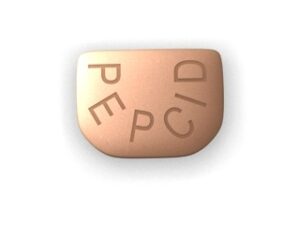
Famotidine: Patient-Friendly Information (Australia)
Famotidine is a medicine used to reduce stomach acid. It belongs to a group called H2-receptor antagonists (sometimes called H2 blockers). In Australia, famotidine is commonly used for conditions such as heartburn, indigestion, and reflux symptoms. This guide explains how famotidine works, how it’s typically taken, what to expect, food and alcohol interactions, and practical safety tips.
Please note: individual products and strengths can vary (for example, tablets of different strengths or brands). Always follow the instructions on your specific pack and consult a healthcare professional if you are unsure.
At a glance (basic product information)
- Active ingredient: Famotidine
- Medicine type: H2-receptor antagonist (acid reducer)
- Common forms: Oral tablets (strength varies by brand/product)
- What it’s used for: Heartburn, reflux-related symptoms, and other acid-related conditions as directed
- How it works: Reduces acid secretion in the stomach
- Typical onset: Often begins within about 1 hour (varies by person and indication)
How famotidine works (mechanism of action)
Famotidine blocks H2 receptors on certain cells in the stomach lining (parietal cells). These receptors respond to histamine, a natural signal that increases acid production. By blocking the H2 receptors, famotidine:
- reduces basal (background) stomach acid secretion,
- reduces stimulated acid secretion (for example after meals),
- helps relieve symptoms related to excessive stomach acid, such as heartburn and indigestion.
Famotidine does not neutralise acid instantly like some antacids (e.g., certain quick-acting products). Instead, it gradually reduces the amount of acid your stomach produces.
Pharmacokinetics (how your body handles it)
Pharmacokinetics describes the journey of the medicine through the body—absorption, distribution, metabolism, and elimination. While exact values can differ between people, the following points provide a practical overview.
- Absorption: Famotidine is absorbed through the gastrointestinal tract after oral dosing.
- Onset: Effects can begin relatively soon after taking the dose, with symptom relief often noticed within about 1 hour.
- Distribution: It reaches tissues including the stomach lining, where it reduces acid secretion.
- Metabolism: Famotidine is partially metabolised in the body, though the extent can vary.
- Elimination: A significant portion is eliminated via the kidneys. This matters for people with impaired kidney function.
- Duration: Its acid-reducing effect can last several hours, which is why dosing schedules may be once or twice daily depending on the situation.
Typical uses and indications (what it may be used for)
Famotidine is indicated for a range of acid-related conditions. Common uses include:
- Heartburn and acid indigestion
- Gastro-oesophageal reflux disease (GORD) (reflux-related symptoms)
- Reflux symptoms such as burning in the chest, sour taste, and discomfort after meals
- Prevention and treatment of certain conditions related to excessive stomach acid (as determined by a clinician and the product’s approved indications)
If symptoms are frequent, worsening, or not responding to standard measures, it’s important to discuss with a healthcare professional. Persistent reflux can sometimes require a different approach.
Common dosing (general guidance for patients)
Dosing depends on the condition being treated, your age, and your kidney function, as well as the specific tablet strength and product instructions. The information below is general and should be used as a guide—always follow the directions on your pack.
| Use | Typical adult dosing approach | How to take |
|---|---|---|
| Heartburn / acid indigestion | Often taken as needed or as directed on the pack | Swallow tablet with water; timing depends on whether you’re preventing symptoms or treating them |
| Reflux / GORD symptoms | May be taken once or twice daily depending on the prescribed/pack schedule | Regular dosing can provide steadier acid control |
| People with reduced kidney function | Dose may need adjustment | Discuss with a clinician or follow product directions for kidney impairment |
Missed dose: If you forget a dose, take it when you remember unless it’s close to the next dose. Don’t double up.
Timing: when to take famotidine for best results
Timing can affect how well famotidine helps your symptoms. In many cases, it’s best taken:
- Before meals if you’re aiming to prevent post-meal heartburn
- Before bedtime if night-time reflux is a problem (only if your product schedule supports this)
- Consistently at the same times each day when used for ongoing reflux symptoms
If your symptoms typically occur after specific meals, adjusting meal timing and portion size can also help alongside medication.
Food interactions (what to know)
Famotidine can be taken with or without food in many circumstances. However, how food affects symptoms matters more than food blocking the medicine. Consider the following practical points:
- For prevention of meal-related heartburn: taking famotidine shortly before meals may help reduce acid stimulation from eating.
- If symptoms occur after eating: you may notice better results by taking it before the meals that trigger your reflux.
- Large/fatty meals: these can trigger reflux regardless of medication. Smaller meals and avoiding late eating may improve control.
If your pack insert suggests a particular timing (for example, before or after food), follow that specific guidance.
Alcohol and medicine interactions
Alcohol can worsen reflux symptoms for many people by relaxing the valve between the oesophagus and stomach and by irritating the stomach lining. Even though famotidine reduces acid production, it may not fully prevent reflux triggered by alcohol.
- Alcohol: if you drink, consider limiting or avoiding alcohol—especially close to meals or before bedtime.
- Other medicines: famotidine may interact with certain medicines by affecting stomach acidity or drug absorption patterns.
Examples of medicine classes that can be affected include:
- Medicines whose absorption depends on stomach acidity
- Some antiviral or antifungal medicines (interaction potential varies)
- Medicines requiring an acidic environment for best absorption
Because interaction risk depends on the specific product, it’s important to check with a pharmacist or healthcare professional if you take any other regular medicines. Bring a list of your medicines when seeking advice.
Safety profile: who should be careful?
Famotidine is generally well tolerated when used as directed. Like all medicines, it can cause side effects in some people. Most side effects are mild and transient, but seek medical advice if you experience serious or persistent symptoms.
Common side effects
- Headache
- Dizziness
- Constipation or diarrhoea
- Nausea
- Fatigue
Less common but important warnings
- Allergic reactions: rash, swelling of face/lips, wheezing, or trouble breathing (seek urgent help)
- Unexplained blood changes or severe infections: consult a healthcare professional
- Severe or persistent symptoms: especially if not responding to medication
When to seek urgent medical advice
Get urgent medical help if you have signs of a serious condition, such as:
- Vomiting blood or material that looks like coffee grounds
- Black, tarry stools
- Difficulty swallowing or food getting stuck
- Unintentional weight loss
- Persistent chest pain (especially if it could be heart-related)
- Severe abdominal pain or persistent vomiting
Practical use tips (get the best outcome)
Medication works best alongside lifestyle strategies—particularly for reflux and heartburn. Use the following practical tips to support famotidine:
- Identify triggers: common triggers include spicy foods, high-fat meals, chocolate, peppermint, caffeine, and alcohol.
- Smaller meals: reduce stomach stretching and reflux pressure.
- Avoid late eating: try not to eat within 2–3 hours of bedtime.
- Sleep positioning: elevating the head of the bed can reduce night-time reflux.
- Stop smoking: smoking worsens reflux for many people.
- Review other medicines: some medications can irritate the stomach or worsen reflux (e.g., certain pain-relievers). Check with a pharmacist.
- Track response: if you don’t notice improvement within a few days (or as directed on the pack), speak to a healthcare professional.
Alternative options to consider
Depending on your symptoms, alternatives may include:
Antacids
- How they work: neutralise existing stomach acid
- Best for: quick relief when symptoms are occasional
- Note: can interfere with absorption of some medicines if taken too close together
Other H2-receptor antagonists
- Some people may respond to different H2 blockers; the choice depends on product availability and individual suitability.
Proton pump inhibitors (PPIs)
- How they work: reduce acid production more powerfully for many people
- Best for: frequent or persistent reflux symptoms, especially if H2 blockers are insufficient
- Important: PPIs often take a few days of consistent use to reach full effect
Non-medicine approaches
- Diet and lifestyle modifications
- Weight management if appropriate
- Management of constipation and avoiding triggers
Your best option depends on how often you experience symptoms, symptom severity, and whether you have red-flag features. A pharmacist can also advise on appropriate product selection for your situation.
Market and legal context in Australia (overview)
In Australia, availability of medicines depends on the regulatory classification and the specific product formulation. Famotidine products may be supplied under pharmacy-only arrangements or other regulated pathways, depending on brand, strength, and indication.
Some acid-reducing medicines are available for over-the-counter use in certain forms, while others may require additional involvement from healthcare providers. Always check the packaging and product information available on the shelf or online listing to confirm the correct classification and directions for use.
Regulations and guidance can change over time. For the most accurate advice, refer to:
- the product leaflet/consumer medicine information (CMI) supplied with your medicine
- the Australian regulatory information and medicine labels
- your pharmacist or healthcare professional
Recent guidance and clinical considerations (high-level)
Current clinical practice in Australia and internationally generally supports a stepwise approach to reflux management:
- Lifestyle measures for symptom triggers and long-term control
- Short-term or on-demand use of acid reducers for intermittent symptoms
- Escalation when symptoms are frequent, severe, or complicated (for example to more potent acid suppression in selected cases)
- Review if symptoms persist or if warning signs are present
Famotidine may be an option for many people, but the “right” medicine depends on your symptom pattern and response. If you’re using acid-reducing treatment regularly and not getting relief, it’s a good idea to talk to a pharmacist or clinician for reassessment.
Delivery and availability (online pharmacy)
Availability of famotidine products can vary depending on stock and supplier arrangements. When ordering online, you can typically expect:
- Standard delivery: dispatched and tracked according to the service level shown at checkout
- Packaging: products are usually supplied in their original retail packaging
- Product details: strength and pack size should match the item listing
- Customer support: a pharmacist may be available to help answer questions about use
Delivery times depend on your location and the dispatch schedule. Check the shipping information at checkout for the most accurate estimate.
How to store famotidine
- Store at room temperature unless the pack instructs otherwise.
- Keep tablets in the original package to protect them.
- Keep out of reach of children.
- Do not use after the expiry date on the pack.
FAQ: Famotidine (Australia)
1) Is famotidine the same as an antacid?
No. Famotidine reduces the amount of acid your stomach produces by blocking H2 receptors. Antacids neutralise acid already present and may work faster for immediate relief. Some people use them together only if advised, because timing matters for medicine absorption.
2) When will I feel relief after taking famotidine?
Many people notice symptom improvement within about an hour, but this varies. If your symptoms are triggered by meals, taking famotidine before the trigger meal can improve results.
3) Can I take famotidine with food?
In many cases, it can be taken with or without food. However, your product’s instructions may suggest preferred timing. If your pack says “before meals” or “at bedtime,” follow those directions.
4) Does alcohol affect famotidine?
Alcohol doesn’t usually “cancel out” famotidine directly, but it can worsen reflux symptoms and irritate the stomach lining. Limiting alcohol—especially around meals and bedtime—can improve symptom control.
5) Can I take other medicines at the same time?
Some medicines may be affected by changes in stomach acidity. To be safe, speak with a pharmacist if you take regular medications, particularly older or ongoing treatments for other conditions. Keep a list of your medicines to review interactions.
6) What if my reflux keeps coming back?
If you need acid-reducing medicines frequently, symptoms may require a longer-term plan or a different medication strategy. Consider discussing with a pharmacist or healthcare professional—especially if symptoms are worsening or not improving.
7) Is it safe for everyone?
Most adults tolerate famotidine well when used as directed, but special caution may be needed for people with kidney impairment, older adults, or those with complex medical conditions. Check your product information and ask a pharmacist if you have concerns.
8) Are there warning signs I should not ignore?
Yes. Seek urgent medical advice if you have difficulty swallowing, vomiting blood, black tarry stools, unexplained weight loss, or persistent severe chest/upper abdominal pain. These may indicate a serious condition that needs assessment.
9) Can I use famotidine long-term?
Long-term use depends on the underlying condition and your response to treatment. If you’re considering ongoing therapy, speak with a healthcare professional to ensure it’s appropriate and to review the best overall management plan.
10) What are the best lifestyle changes to combine with famotidine?
Common helpful strategies include smaller meals, avoiding late-night eating, limiting alcohol and trigger foods (fatty, spicy, caffeine), and elevating the head of the bed for night-time symptoms.
Key takeaways
- Famotidine reduces stomach acid by blocking H2 receptors.
- It can help relieve heartburn and reflux-related symptoms, often starting within about an hour.
- Timing can matter—before meals may help prevent meal-related heartburn.
- Alcohol can worsen reflux symptoms even when acid production is reduced.
- If symptoms persist, become frequent, or include warning signs, seek appropriate medical advice.
This information is intended to help you understand famotidine and how it’s commonly used. It does not replace the advice in your medicine’s consumer medicine information (CMI) or guidance from a healthcare professional.