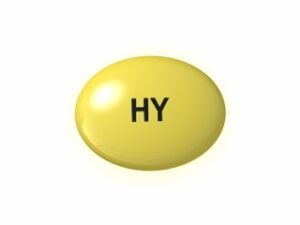

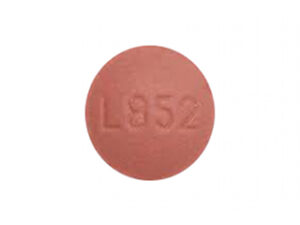
Ranexa (Ranolazine) – Patient-Friendly Guide (Australia)
Ranexa contains ranolazine, a medicine used to help manage a heart condition called chronic (long-term) angina. If you experience chest discomfort with everyday activity or stress, Ranexa may be prescribed as part of your overall heart treatment plan.
This guide explains how Ranexa works, how it’s typically taken, what to expect, important interactions (including food, alcohol, and other medicines), and practical tips for safe use in Australia.
Quick product information
- Medicine name: Ranexa
- Active ingredient: Ranolazine
- Common strengths: Usually available as prolonged-release tablets (commonly 500 mg and 1000 mg, depending on local availability)
- Type: Anti-anginal (anti-chest pain) medicine
- How it’s taken: Usually twice daily as tablets (prolonged-release)
- Main benefit: Helps reduce frequency and severity of angina symptoms
Note: Always check the exact strength and instructions on your medicine label and follow the directions provided by your healthcare professional.
What is angina?
Angina is chest discomfort (pressure, heaviness, tightness, burning, or pain) that can occur when the heart muscle doesn’t get enough oxygen—often because of narrowed heart arteries.
Chronic stable angina typically happens with predictable triggers like walking uphill, climbing stairs, cold weather, emotional stress, or heavy meals. Ranexa is designed for long-term symptom control in appropriate patients.
How Ranexa works (mechanism of action)
Ranolazine helps improve the way heart cells use energy. It primarily works by affecting sodium and calcium handling inside heart cells, which can help reduce abnormal electrical activity and improve efficiency during conditions where the heart is under strain.
Unlike some other angina medicines that mainly reduce heart rate or widen blood vessels, ranolazine’s benefit in angina is often described as helping the heart’s energy balance so it can function more comfortably during limited oxygen supply.
Key points about mechanism:
- Helps reduce chest pain episodes in eligible people with chronic angina.
- May influence electrical signals in the heart, which is why certain safety monitoring (such as the QT interval) can be relevant for some patients.
Pharmacokinetics (how the body handles it)
Pharmacokinetics describes what happens to a medicine after it’s swallowed—absorption, distribution, metabolism, and elimination.
Absorption and prolonged release
- Ranexa tablets are designed to provide prolonged (extended) release to help maintain steadier levels over the day.
- The absorption can be influenced by food, and your prescriber may specify timing preferences.
Metabolism
- Ranolazine is mainly metabolised by liver enzymes (CYP3A).
- This is why interactions with medicines that affect CYP3A can be important.
Half-life and steady levels
- Ranolazine has a time course that supports twice-daily dosing for most patients.
- Steady levels are typically reached after repeated dosing, so benefits may build over days rather than immediately.
Your individual response may vary based on age, liver function, other medicines, and overall health.
What Ranexa is used for (indications)
In Australia, Ranexa is used for the treatment of chronic angina in patients who:
- Are not adequately controlled with other anti-anginal medicines, and/or
- Need additional symptom relief as part of a long-term management plan.
Ranexa is intended for long-term prevention of angina symptoms rather than immediate relief of sudden chest pain.
How to take Ranexa (timing and dosing)
Ranexa is usually taken as prolonged-release tablets twice daily. A common approach is to start at a lower strength and adjust based on symptom control and tolerability.
Typical dosing approach (general information)
- Starting dose: Often 500 mg twice daily (depending on the treatment plan)
- Adjustment: May be increased to 1000 mg twice daily if needed and if you tolerate it
- Maximum: Your clinician will set the dose based on your risk factors and other medicines
Important: Follow the exact dosing schedule on your label. Do not change your dose unless advised by your healthcare professional.
When to take it
- Take your doses about 12 hours apart (morning and evening is common).
- Try to take it at consistent times each day to maintain steady medicine levels.
How to swallow the tablets
- Swallow tablets whole with water.
- Do not crush, split, or chew prolonged-release tablets unless your pharmacist confirms it is appropriate for your specific product.
If you miss a dose
- Take the missed dose when you remember unless it is close to your next dose.
- If it’s nearly time for the next dose, skip the missed dose and continue as normal.
- Do not take double the dose to make up for a missed dose.
Food interactions and meal timing
Food can influence the absorption of some medicines. For ranolazine, timing with meals may matter for comfort and how consistent your medicine levels are.
Practical guidance:
- Many patients are advised they can take Ranexa with or without food, but if your clinician or pharmacist advises a specific routine, follow that advice.
- If you notice stomach upset, take it with food (unless told otherwise).
- Try to keep your meal pattern consistent while on treatment.
Tip: Keep an eye on symptoms such as dizziness or nausea after dose changes. If you suspect food-related triggers, discuss them with your healthcare professional.
Alcohol: is it safe with Ranexa?
Alcohol can affect heart rhythm, blood pressure, and how you feel (e.g., dizziness). Ranexa can also cause side effects such as dizziness, so alcohol may increase the chance of feeling unwell or lightheaded.
General advice:
- Limit alcohol and avoid heavy drinking.
- If you plan to drink alcohol, consider doing so in small amounts and see how you respond.
- Do not drive or operate machinery if alcohol and/or Ranexa makes you feel dizzy.
Always check your personal risk: If you have heart rhythm problems, low blood pressure, or are taking other interacting medicines, ask your pharmacist or doctor for tailored advice.
Medicine interactions (including important CYP3A effects)
Ranolazine can interact with other medicines, particularly those that affect CYP3A enzymes. Interactions can change ranolazine levels and may increase side effects such as dizziness or raise concerns about heart electrical activity (QT prolongation).
Common interaction categories
- Medicines that increase ranolazine levels (strong CYP3A inhibitors) may raise the risk of side effects and are often avoided.
- Medicines that decrease ranolazine levels (CYP3A inducers) may reduce effectiveness.
- Other medicines that affect the heart’s electrical rhythm may further increase QT-related risk.
Examples of interacting medicines (not exhaustive)
| Interaction type | Examples (illustrative) | Why it matters |
|---|---|---|
| CYP3A inhibitors (increase ranolazine) | Some antifungals (e.g., ketoconazole, itraconazole), certain antibiotics (e.g., clarithromycin), HIV medicines (some agents), and other strong CYP3A inhibitors | May increase ranolazine exposure and side effect risk |
| CYP3A inducers (decrease ranolazine) | Some seizure medicines and other strong inducers | May reduce angina benefit |
| QT-prolonging medicines | Some antiarrhythmics, certain antipsychotics, some antidepressants, some antibiotics, and other QT-affecting drugs | May increase risk of heart rhythm disturbances |
| Blood pressure/heart rate medicines | Other anti-anginals and cardiovascular medicines | May increase dizziness or low blood pressure symptoms in some people |
Always tell your pharmacist about:
- All prescription medicines
- Over-the-counter medicines (including cough/cold products)
- Herbal supplements (e.g., St John’s wort can affect enzymes)
- Any recent antibiotic or antifungal treatment
Safety profile: what to know
Like all medicines, Ranexa can cause side effects. Many are mild and improve as your body adjusts, but some require urgent attention.
Common side effects
- Dizziness or lightheadedness
- Nausea
- Constipation
- Headache
- Feeling weak or unwell
Less common but important safety concerns
- Heart rhythm changes (QT prolongation): the risk can be higher with certain other medicines, electrolyte imbalances, or underlying rhythm conditions.
- Low blood pressure symptoms: may cause dizziness, especially when standing.
- Electrolyte disturbances: low potassium or magnesium can increase rhythm risk.
- Interactions leading to higher ranolazine levels: may increase side effects.
When to seek urgent medical help
Seek urgent medical attention if you experience:
- Fainting or severe dizziness
- Fast, irregular heartbeat or palpitations with feeling unwell
- New severe chest pain or symptoms that differ from your usual angina
- Signs of an allergic reaction (swelling of face/lips, trouble breathing, widespread rash)
Note: Sudden or severe chest pain should be treated according to your heart plan (e.g., emergency services guidance). Do not rely on Ranexa for rapid relief of acute attacks.
Practical use tips for everyday life
- Stay consistent: Take doses at similar times each day.
- Don’t stop abruptly: If you feel unwell or symptoms worsen, contact your healthcare professional rather than stopping on your own.
- Be cautious when rising: If dizziness occurs, sit for a moment before standing.
- Keep a symptom diary: Note frequency of angina episodes, triggers, and side effects. This can help your clinician fine-tune therapy.
- Review your medicines regularly: At each appointment, update your healthcare professional about any new medicines or supplements.
- Hydration and electrolytes: Staying hydrated and maintaining nutrition supports electrolyte balance, but do not supplement without advice—especially if you have kidney issues.
What to expect from treatment (timing of benefits)
Ranolazine is generally used for prevention of angina. Some people may notice improvements within the first days to weeks, while others may need a period of consistent dosing and dose adjustment.
During dose changes: Side effects such as dizziness or nausea can occur, which may settle as the body adjusts. Contact your healthcare professional if side effects are troublesome.
Alternative options for chronic angina
Angina management often involves lifestyle measures plus medicines. Alternatives may include combinations tailored to your symptoms and medical history.
Common medicine categories used for angina
- Beta-blockers (help reduce workload and heart rate)
- Calcium channel blockers (help relax and dilate coronary arteries)
- Nitrates (relieve symptoms and prevent attacks in some regimens)
- Long-acting anti-anginal therapies depending on your specific condition
- Revascularisation (procedures) may be considered in some patients if symptoms are not controlled or anatomy is suitable
Why alternatives matter: The “best” option depends on blood pressure, heart rhythm, kidney and liver function, and other medicines you take. Your clinician will decide what is appropriate for you.
Market and legal context for Australia (general)
In Australia, medicines are regulated through the national medicines framework and must be dispensed in line with Australian requirements. Ranexa is a medicine that is typically supplied through pharmacies with appropriate clinical oversight to ensure safe use, correct dosing, and interaction screening.
Availability can vary by strength and supply chain. Your local pharmacy can confirm current stock or arrange procurement if needed.
Recent guidance and monitoring considerations (general information)
Recent clinical practice in angina often includes:
- Ongoing assessment of symptom control (frequency and severity of attacks)
- Review of interacting medicines whenever prescriptions change
- Monitoring of heart rhythm risks in people with risk factors (for example, those taking additional QT-prolonging medicines or with electrolyte disturbances)
- Individualised dose adjustment based on tolerability and response
Your healthcare professional may advise ECG monitoring or blood tests depending on your risk profile and current medications.
Delivery and availability (online pharmacy)
When ordering from an Australian online pharmacy, your experience may include:
- Verification steps to confirm product details and suitability for supply
- Dispatch timelines depending on local stock or supplier delivery schedules
- Tracking updates once your order ships
Storage: Store Ranexa at room temperature and protect from moisture. Keep it out of reach of children. Always check the label for specific storage guidance.
Availability note: Strengths and quantities available online can vary; your pharmacy may be able to source an alternate pack size if your preferred strength is temporarily unavailable.
FAQ about Ranexa (Ranolazine)
1) Is Ranexa used for sudden chest pain?
No. Ranexa is generally used for long-term prevention of chronic angina symptoms. If you get sudden chest pain, follow your personalised emergency plan provided by your healthcare team.
2) How long does it take to work?
Some improvement can be noticed after starting treatment, but benefits may build over days to weeks. Your clinician may adjust dose based on your response and side effects.
3) Can I take Ranexa with food?
Many people can take it with or without food. If you experience nausea or stomach discomfort, taking it with food may help—unless your prescriber has instructed otherwise.
4) What if I miss a dose?
Take it when you remember unless it’s almost time for the next dose. Don’t double up to catch up.
5) Can I drink alcohol while taking Ranexa?
It’s generally best to limit alcohol because it can worsen dizziness or other side effects and may affect heart function. If you choose to drink, do so carefully and avoid heavy amounts.
6) Are there foods or drinks that I should avoid?
There are no special dietary bans in most cases, but consistent meal timing can help with steadier dosing. Avoid excessive grapefruit and be cautious with supplements unless your pharmacist has confirmed safety.
7) What medicines commonly interact with Ranexa?
Medicines that strongly affect CYP3A enzymes, medicines that prolong the QT interval, and certain antibiotics/antifungals can be relevant. Always provide a full list of medicines and supplements to your pharmacist.
8) Who should be extra careful?
Extra caution is important if you have:
- Liver problems
- History of heart rhythm issues
- Low potassium or low magnesium
- Use of QT-prolonging medicines or strong CYP3A inhibitors
9) What side effects are most common?
The most commonly reported side effects include dizziness, nausea, headache, constipation, and feeling unwell.
10) When should I contact a doctor urgently?
Contact urgent medical services if you faint, develop severe or unusual symptoms, experience palpitations with feeling unwell, or have signs of an allergic reaction.
Summary
Ranexa (ranolazine) is an anti-anginal medicine used for long-term management of chronic angina. It helps improve how the heart uses energy, helping reduce angina symptoms for eligible patients. It is usually taken as prolonged-release tablets twice daily. Because ranolazine can interact with other medicines—especially those affecting liver enzymes—and may affect heart electrical activity in some people, it’s important to discuss your full medication list and follow safety advice.
If you’d like, you can also ask your pharmacist about:
- Which medicines and supplements to avoid
- Whether you need any monitoring (e.g., ECG or blood tests)
- Best timing with meals based on your routine