

Daliresp (Roflumilast) — Patient-Friendly Guide
Daliresp is a medicine containing roflumilast. It is used to help reduce symptoms and flare-ups in certain people with chronic obstructive pulmonary disease (COPD). This page explains how Daliresp works, how to take it safely, what to expect, and important interactions.
If you have questions about your personal situation, speak with your healthcare professional. Information here is general and designed to help you understand the medicine.
Quick product information
| Feature | Details |
|---|---|
| Medicine name | Daliresp |
| Active ingredient | Roflumilast |
| Medicinal class | Phosphodiesterase-4 (PDE4) inhibitor |
| Common strengths | 250 micrograms (starter) and 500 micrograms (maintenance) tablets (as used in many regimens) |
| How it is taken | Oral tablets (usually once daily) |
| Typical time to effect | Gradual improvement; may take days to weeks for benefits |
What is COPD and when is Daliresp used?
COPD is a long-term lung condition that makes it harder to breathe due to airflow limitation. Many people experience periods where symptoms worsen, called exacerbations or flare-ups.
Daliresp is intended for people with severe to very severe COPD associated with a history of exacerbations, particularly when additional inhaled therapies are already being used and symptoms remain unstable.
Mechanism of action (how it works)
Daliresp works by inhibiting phosphodiesterase-4 (PDE4). PDE4 normally breaks down cyclic AMP (cAMP) inside cells. By blocking PDE4, roflumilast increases cAMP levels, which helps reduce inflammatory signalling in the airways and lungs.
- Reduces airway inflammation associated with COPD flare-ups
- Helps lower the risk of exacerbations in appropriately selected patients
- Not a “reliever” for sudden breathing problems
Pharmacokinetics (how the body handles roflumilast)
Pharmacokinetics describes absorption, distribution, metabolism, and elimination. While individual responses vary, understanding the basics can help you take the medicine consistently.
Absorption
After oral dosing, roflumilast is absorbed and converted into an active metabolite (roflumilast N-oxide). Consistent daily dosing supports stable exposure.
Metabolism
Roflumilast is primarily metabolised in the liver. The active metabolite contributes to the overall effect.
Time course
Because Daliresp acts on inflammation pathways, benefits may develop over weeks rather than instantly.
Elimination
The medicine and its metabolites are eliminated mainly through the body’s metabolic pathways. Your clinician may adjust your approach if you have significant liver or kidney impairment.
Typical use and timing
Daliresp is taken as a once-daily oral tablet in most regimens. Many treatment plans start at a lower dose to improve tolerability and then increase to the maintenance dose.
How to take it (general guidance)
- Take at the same time each day to maintain steady levels.
- Swallow whole with water. Do not crush or split unless advised.
- Do not adjust your dose without advice.
- If your stomach feels unsettled, your healthcare professional may advise taking it with food (see below).
When should you expect benefits?
Daliresp is used to help prevent COPD exacerbations. You may notice changes in breathing stability gradually. If you are taking the medicine alongside inhalers, continue them as directed.
Food interactions: can you take it with meals?
Daliresp can generally be taken with or without food. However, some people experience gastrointestinal side effects such as diarrhoea, nausea, or abdominal discomfort.
If you experience these effects, taking Daliresp with food or following a consistent meal routine may help. Always follow your clinician’s specific advice.
Alcohol and medicine interactions
Alcohol
There is no specific alcohol warning unique to Daliresp that applies to everyone, but alcohol can worsen gastrointestinal irritation, dehydration risk, sleep quality, and overall respiratory status. If you drink alcohol, keep it moderate and consider avoiding binge drinking.
Tell your healthcare professional if you have a history of alcohol-related liver problems, because Daliresp is processed by the liver.
Other medicines (common interaction themes)
Interactions can occur because roflumilast is metabolised in the liver. Some medicines can increase or decrease roflumilast levels, potentially affecting effectiveness and side effects.
- Strong liver enzyme inducers (e.g., certain anti-seizure medicines or rifampicin-type antibiotics) may reduce roflumilast exposure and lower benefit.
- Medicines that affect liver metabolism may increase roflumilast levels, raising the risk of side effects.
- COPD medicines used as inhalers are commonly combined with Daliresp in practice, but confirm your plan with your clinician.
Always keep an up-to-date list of your medicines (including over-the-counter products, herbal supplements, and vitamins) and show it to your pharmacist or doctor before starting or stopping Daliresp.
Indications (when Daliresp is used)
Daliresp is used to reduce exacerbations in patients with severe to very severe COPD and a history of exacerbations.
It is generally considered an add-on option for those who remain at high risk despite appropriate inhaled therapies.
Dosing: how much and how often?
Dosing should be individualised. The most common approach involves a starter dose followed by a maintenance dose to improve tolerability.
Common roflumilast dosing pattern
- Initial period: a lower dose once daily for tolerability
- Maintenance: increase to the full maintenance dose once daily
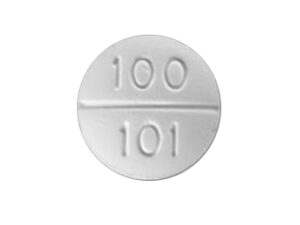
Important: The exact strength and schedule should match the dose recommended by your healthcare professional and the product you received. If you are unsure which strength you have, check the tablet label and packaging.
If you miss a dose
- If you remember on the same day, take it as soon as you can.
- If it is near the time for the next dose, skip the missed dose.
- Do not take a double dose to make up for the missed one.
Safety profile: important side effects and warnings
Like all medicines, Daliresp can cause side effects. Many are mild to moderate and improve with time, but some require prompt medical attention.
Common side effects
- Diarrhoea
- Nausea
- Abdominal pain or discomfort
- Reduced appetite and potential weight loss
- Headache
- Dizziness
- Sleep disturbance in some people
Serious or urgent warning symptoms
Seek urgent medical advice if you experience:
- Severe or persistent diarrhoea or signs of dehydration
- Unintentional significant weight loss or reduced food intake
- New or worsening depression, unusual mood changes, agitation, or suicidal thoughts
- Severe allergic reaction (e.g., swelling of the face/lips, rash with breathing difficulty)
- Symptoms of liver problems (yellowing of eyes/skin, dark urine, severe fatigue)
Weight loss and appetite changes
Weight loss and reduced appetite have been reported. If you are underweight or at risk of malnutrition, your clinician may monitor your weight more closely and may adjust treatment.
Mental health considerations
Some people have reported mood-related side effects. If you have a history of depression or mood disorders, discuss it with your healthcare professional before starting.
Who should be extra cautious?
- People with a history of liver impairment
- People with significant weight loss or low body weight
- People with a history of depression or mood changes
- People taking multiple medications that could interact
Practical use tips (to get the best results)
- Start consistently: If your plan includes a starter-to-maintenance step, follow it exactly.
- Choose a routine time: Morning or evening—pick the time that helps you remember and suits your stomach.
- Manage gastrointestinal effects: stay hydrated, consider taking with food if advised, and eat smaller meals if needed.
- Monitor weight: if you notice appetite changes, weigh yourself regularly (weekly is often enough) and report significant changes.
- Track COPD symptoms: note any changes in breathlessness, cough, and flare-ups; share this with your clinician.
- Do not use as a rescue inhaler: Daliresp is for prevention/maintenance, not sudden relief.
- Keep medication lists updated: especially before adding antibiotics, anti-seizure medicines, or supplements.
Alternative options
COPD management usually involves a combination of inhaled medicines, lifestyle changes, and vaccinations. Depending on your symptoms and exacerbation history, your healthcare professional may discuss alternatives.
Common categories of alternatives
- Inhaled bronchodilators (e.g., long-acting beta-agonists and/or long-acting muscarinic antagonists)
- Inhaled corticosteroids for selected patients
- Other add-on anti-inflammatory options where appropriate
- Pulmonary rehabilitation and tailored exercise programmes
- Smoking cessation support and COPD risk reduction
The “best” alternative depends on your COPD severity, exacerbation frequency, current inhaler regimen, and tolerability. Discuss options with your clinician before making changes.
Australia: market and legal context (plain-language overview)
In Australia, medicines are regulated by the Therapeutic Goods Administration (TGA). Availability and prescribing requirements depend on the product’s listing and scheduling category.
The information below is general and not a substitute for individual medical advice:
- Daliresp is supplied in accordance with Australian regulatory requirements.
- Online pharmacies typically require appropriate patient screening and may request confirmation that you are eligible to receive the medicine.
- Packaging, batch numbers, and expiry dates should be checked on receipt.
Recent guidance and best-practice considerations
COPD treatment is frequently updated based on clinical evidence and guideline recommendations. In general terms, current best practice emphasises:
- Optimising inhaled therapy and ensuring correct inhaler technique.
- Considering add-on therapies for patients with ongoing exacerbation risk.
- Monitoring safety issues relevant to each medicine, including weight, mood, and gastrointestinal tolerance.
- Addressing contributing factors such as smoking, comorbidities, vaccinations, and pulmonary rehabilitation.
Your clinician can confirm whether Daliresp is suitable for your specific COPD profile and whether any monitoring plan should be followed.
Delivery and availability (online pharmacy)
Availability can vary by strength and supply conditions. When ordering online, you should expect:
- Secure packaging designed to protect tablets during transit.
- Tracking updates depending on the delivery service.
- An option to select a delivery address within Australia and confirm expected delivery times at checkout.
- Product checks such as verifying the strength and expiry date before dispatch (as per pharmacy processes).
If you need urgent medicines for travel or a planned schedule, contact support to ask about current dispatch timeframes.
FAQ about Daliresp (roflumilast)
1) Is Daliresp a reliever inhaler?
No. Daliresp is taken as a daily tablet to help prevent COPD exacerbations. It is not intended for quick relief of sudden breathing difficulty.
2) When should I take my dose?
Take it once daily at the same time each day. Some people prefer taking it with food to reduce stomach upset. Follow your healthcare professional’s instructions.
3) What side effects are most common?
Diarrhoea, nausea, abdominal discomfort, reduced appetite, and possible weight loss are among the more commonly reported effects.
4) Will Daliresp help my breathlessness immediately?
It may help gradually by lowering inflammation and reducing flare-ups. Many people do not feel immediate “rescue-like” effects. Benefits, when they occur, generally develop over days to weeks.
5) Can I drink alcohol while taking Daliresp?
Moderate alcohol may be possible for some people, but alcohol can worsen gastrointestinal effects and overall health. Ask your healthcare professional if you have any liver issues or if alcohol use is frequent.
6) What should I do if I get diarrhoea?
Mild diarrhoea may improve. Stay hydrated and consider taking with food (if appropriate). If diarrhoea is severe, persistent, or you feel weak or dehydrated, contact your healthcare professional promptly.
7) Does Daliresp cause weight loss?
Reduced appetite and weight loss can occur. If you notice significant, unintentional weight loss, report it to your clinician and consider a monitoring plan.
8) Can Daliresp affect mood?
Mood changes, including depression, have been reported in some people. Seek medical advice if you notice new or worsening mood symptoms.
9) Are there interactions with other medicines?
Yes. Because roflumilast is metabolised in the liver, some medicines can change its levels. Bring your full medication list to your pharmacist or doctor, including over-the-counter and herbal products.
10) What if I miss a dose?
Take it when you remember on the same day. If it is close to the next dose, skip the missed dose. Do not take a double dose.
11) Who should not take roflumilast or should be extra careful?
People with significant liver impairment or particular risk factors (such as low body weight, history of depression, or certain medicines that interact) need careful assessment by a healthcare professional.
12) How long will I take Daliresp?
Daliresp is usually taken long term as part of COPD management to reduce exacerbation risk. Continue only if it remains appropriate for your condition and tolerance, with regular review by your clinician.
Important reminders
- Take Daliresp as directed and do not stop or change the dose without medical advice.
- Continue your COPD inhalers and non-medicine measures unless your healthcare professional advises otherwise.
- Seek urgent care if you experience severe symptoms such as dehydration from diarrhoea, significant mood changes, severe allergic reaction, or signs of liver problems.
- If you’re unsure about any interaction or side effect, contact a pharmacist for guidance.