Phoslo (Calcium Acetate) – Patient Guide (Australia)
Phoslo contains calcium acetate, a medicine used primarily to help control phosphate (phosphorus) levels in the blood. It is commonly used in people with chronic kidney disease (CKD), especially those receiving dialysis.
This page explains how Phoslo works, when and how it’s taken, important food and medicine interactions, and practical safety information. If you have questions about your individual treatment plan, speak with your treating clinician or pharmacist.
Basic product information
- Medicine name: Phoslo
- Active ingredient: Calcium acetate
- What it’s used for: Phosphate binding in the gastrointestinal tract
- Common patient group: People with CKD and high blood phosphate
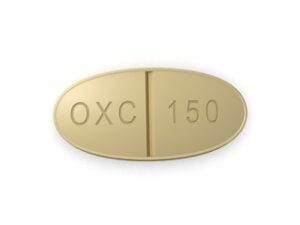
- Formulations: Available as capsules or tablets depending on brand/manufacturer availability
- Brand availability: Availability can vary by supply and pharmacy stock
Note: Product strength, tablet/capsule format, and excipients may vary between brands and markets. Always check the specific pack you receive.
How Phoslo works (mechanism of action)
In people with reduced kidney function, phosphate can build up in the bloodstream. Elevated phosphate levels can contribute to bone and cardiovascular complications over time.
Calcium acetate works as a phosphate binder. When taken with meals, it binds dietary phosphate in the gut, forming an insoluble compound that is removed in faeces. This reduces the amount of phosphate absorbed into the bloodstream.
Key point: Phoslo is most effective when taken with food, because it needs to be present in the digestive tract during phosphate absorption.
Pharmacokinetics (what the body does to the medicine)
Calcium acetate acts mainly within the digestive system. Its clinical effect depends on its local action in the gastrointestinal tract.
- Absorption: Only a small fraction of calcium acetate is absorbed.
- Distribution: Absorbed calcium contributes to the body’s calcium pool.
- Metabolism: No special metabolism is required; calcium participates in normal calcium physiology.
- Excretion: Most phosphate-binding activity occurs in the gut and excretion is via the stool.
Because small calcium absorption may occur, monitoring of calcium levels is important, particularly in people at higher risk of hypercalcaemia.
Typical use in Australia
Phoslo is typically used as part of a broader CKD treatment plan to manage hyperphosphataemia (high blood phosphate).
It may be used in:
- Haemodialysis or peritoneal dialysis patients
- Some people with chronic kidney disease not yet on dialysis, depending on phosphate levels and clinical judgement
- When clinicians choose a calcium-based phosphate binder, considering individual risk factors
Treatment approaches may also include dietary phosphate restriction and, in some cases, additional medicines.
Indications (when Phoslo is used)
Phoslo is indicated for the control of serum phosphate in patients with chronic kidney disease.
It is commonly prescribed when blood tests show phosphate levels above the target range set by the treating team.
When to take it: timing and daily routine
For best effect, take Phoslo with meals (or immediately at the start of meals). This ensures the medicine is present to bind phosphate as it is absorbed.
- Take with: Breakfast, lunch, dinner (and any planned snacks that contain phosphate, as directed)
- Do not take: On an empty stomach, unless your clinician specifically told you to
- Consistency matters: Keep dosing aligned with your meal pattern
If you miss a dose, take it with your next meal (or skip if it is close to the next dose). Do not take a double dose.
Dosing (general guidance)
Dosing varies widely by patient, based on serum phosphate targets, meal size, dietary intake, and blood calcium. Your clinician and pharmacist should provide an exact dose and schedule for you.
General principles:
- Clinicians often start with a lower dose and adjust gradually.
- Adjustments are guided by regular blood test results for phosphate and calcium.
- The number of tablets/capsules is tailored to meal phosphate load.
Important: Always follow the dose on your label. If you are unsure, check with your pharmacist.
Food interactions and dietary considerations
Phoslo is designed to interact with phosphate from food. Therefore, the most important “food interaction” is timing: take it with meals.
Phosphate-containing foods
People with CKD often need to limit phosphate. Your dietitian may advise reducing high-phosphate foods, including many processed foods with phosphate additives.
- Take phosphate binders with meals to reduce phosphate absorption from those foods.
- Do not assume that taking Phoslo eliminates the need for dietary phosphate control.
Calcium and vitamin D considerations
Because Phoslo contains calcium, your clinician may consider your overall calcium and vitamin D intake. Some patients are prescribed vitamin D analogues or other CKD-mineral bone disorder treatments.
If you are taking supplements or vitamin D medicines, ensure your clinician is aware so your calcium levels can be monitored.
Alcohol interactions
There is no specific, well-defined interaction between alcohol and calcium acetate. However, in people with CKD, alcohol may affect hydration status and overall health and can increase the risk of side effects in general.
- Discuss alcohol use with your clinician, particularly if you are on dialysis or have liver disease.
- When in doubt, choose low-risk amounts and avoid binge drinking.
- If alcohol causes stomach upset, it may indirectly worsen tolerance of oral medicines.
Medicine interactions (including common categories)
Calcium-based phosphate binders can affect absorption of some medicines by binding or reducing intestinal uptake. Timing separation can be important.
General interaction approach
- Ask your pharmacist if any of your medicines should be taken at a different time than Phoslo.
- If separation is recommended, it is often done by taking other medicines at least 1–2 hours apart (your pharmacist will confirm the safest timing for your specific medicines).
Examples of medicine classes that may be affected
The list below is not exhaustive, but it highlights medicine types where reduced absorption is possible:
- Iron supplements (may bind with calcium and reduce absorption)
- Levothyroxine (thyroid hormone) – calcium can reduce absorption
- Tetracycline and fluoroquinolone antibiotics (reduced antibiotic absorption can occur with calcium)
- Bisphosphonates used for bone conditions (timing separation is commonly required)
- Some antivirals and immunosuppressants may be affected depending on the agent
If you take multiple medicines, a medication schedule can help. Bring your list to the pharmacy to verify timing.
Safety profile: side effects and risks
Like all medicines, Phoslo can cause side effects. Not everyone will experience them. The most important safety considerations in phosphate binders are related to the calcium load and the effect on blood chemistry.
Common side effects
- Constipation or changes in bowel habits
- Abdominal discomfort, nausea, or bloating
- Diarrhoea (less commonly)
Important risks (discuss with your clinician)
- Hypercalcaemia (high calcium levels): may cause nausea, vomiting, constipation, increased thirst, confusion, or weakness.
- Adynamic bone disease: long-term calcium load may contribute in some patients, especially if calcium and vitamin D management is not balanced.
- Calcification risk: maintaining appropriate targets for calcium–phosphate balance is important in CKD.
Blood tests typically monitor phosphate, calcium, and sometimes parathyroid hormone (PTH) as part of CKD-mineral bone disorder management.
When to seek urgent help
Seek urgent medical advice if you develop symptoms suggestive of severe high calcium, such as:
- Severe weakness or confusion
- Severe constipation with significant pain
- Persistent vomiting
- Signs of dehydration (very reduced urine output, dizziness)
Practical use tips (getting the best results)
- Match dosing to meals: Take Phoslo with the meal where you expect phosphate absorption.
- Do not crush or chew unless your product instructions allow: Follow the instructions for your specific formulation.
- Use a pill organiser: It can help when managing multiple daily medicines.
- Track missed doses: If you miss doses frequently, effectiveness may drop—talk to your pharmacist.
- Keep up with blood tests: Dose may need adjustment based on phosphate and calcium targets.
- Report new symptoms early: Constipation, stomach upset, or unusual fatigue may indicate the dose needs review.
If you’re using a feeding tube or have swallowing difficulties, ask your pharmacist about the best method for your exact product.
Alternative options to Phoslo (phosphate binders)
Several medicines can bind dietary phosphate in CKD. Your clinician may recommend alternatives depending on your blood calcium, cardiovascular risk, gastrointestinal tolerance, and treatment goals.
Common phosphate binder alternatives (examples)
- Non-calcium binders (to reduce calcium load in some patients)
- Sevelamer (a polymeric binder)
- Lanthanum carbonate (where available)
- Aluminium-based binders (usually limited use due to toxicity concerns; generally not long-term)
- Dietary management (phosphate restriction and phosphate additive awareness)
The “best” option depends on your individual lab results and comorbidities. If you ask about alternatives, your pharmacist or clinician can compare expected benefits and side effects.
Market and legal context in Australia
In Australia, medicines are regulated through the Therapeutic Goods Administration (TGA). Availability and pharmacy supply depend on whether the product is listed/scheduled and the category under Australian medicines legislation.
Phosphate binders such as calcium acetate are typically prescribed and monitored within CKD management, and they require appropriate dosing adjustments based on laboratory tests.
What this means for you: For safe use, it’s important to follow clinician instructions, attend regular blood tests, and keep your pharmacy informed about your full list of medicines and supplements.
Recent guidance (general clinical direction)
Clinical practice in CKD commonly emphasises:
- Individualised targets for phosphate and calcium based on CKD stage and patient risk
- Monitoring calcium–phosphate balance to reduce complications
- Using calcium-based binders cautiously in patients at risk of hypercalcaemia or vascular calcification
- Considering non-calcium binders when calcium burden is undesirable or side effects occur
Guidance can evolve as new evidence emerges. Your treating clinician will use the most current local recommendations.
Delivery and availability (online pharmacy)
Stock availability can vary. When ordering online, delivery times depend on location and courier services. To ensure timely treatment, many pharmacies recommend ordering ahead of running out.
Things to check at checkout:
- Your delivery address and preferred delivery option
- Estimated dispatch time (if shown)
- Medication strength and formulation matches what you expect
- Carton/label details for batch and expiry date
If you have urgent needs (for example, you are approaching a gap in supply), contact the pharmacy before placing the order.
FAQ
1. What is Phoslo used for?
Phoslo (calcium acetate) is used to help control high blood phosphate levels in people with chronic kidney disease.
2. How does Phoslo work?
It binds dietary phosphate in the gut when taken with meals, reducing phosphate absorption into the bloodstream.
3. Should I take Phoslo with food?
Yes. Phoslo is generally intended to be taken with meals. This timing is essential for proper phosphate binding.
4. What happens if I forget a dose?
Take it with your next meal. If it’s close to the next dose, skip the missed one—do not double up.
5. Can Phoslo cause constipation?
Yes. Constipation and stomach discomfort can occur. If constipation is severe or persistent, contact your pharmacist or clinician.
6. Is it safe to take Phoslo long-term?
Many people use phosphate binders long-term as part of CKD care. Safety depends on regular monitoring (especially calcium and phosphate). Your clinician may adjust the treatment based on blood tests and overall risk.
7. Does Phoslo interact with other medicines?
It can. Calcium acetate may reduce absorption of some medicines (for example certain antibiotics, levothyroxine, and iron). Ask your pharmacist if you need to separate doses.
8. Can I drink alcohol while taking Phoslo?
There is no specific, common interaction with alcohol, but alcohol can affect overall health, hydration, and stomach tolerance—particularly in people with kidney disease. Discuss with your clinician if you are unsure.
9. Are there alternatives if Phoslo doesn’t suit me?
Yes. Depending on your blood calcium, phosphate, and tolerance, your clinician may consider non-calcium phosphate binders such as sevelamer or other options.
10. What monitoring will I need?
Most patients have regular blood tests to monitor phosphate and calcium (and sometimes PTH) to guide dosing and reduce risk.
Disclaimer: This information is for general education and may not cover all individual circumstances. Always check your medicine label and consult a healthcare professional for advice tailored to you.