
Dilantin (Phenytoin) – Patient-Friendly Guide
Dilantin contains phenytoin, a well-established medicine used to treat certain types of seizures and related neurological conditions. This guide explains how Dilantin works, how it behaves in the body, how to take it safely, and what to expect in day-to-day life. It is written for people in Australia and includes practical information about food, alcohol, medicine interactions, and availability.
Quick facts
- Active ingredient: Phenytoin
- Common purpose: Long-term prevention of seizures (for selected seizure types)
- Typical dosing form: Capsules/tablets and, in some settings, oral suspension or other formulations (availability varies)
- Key safety note: Phenytoin has complex dosing due to a “narrow therapeutic range” in many patients
- Monitoring: Blood tests may be used to guide dosing and check levels
Basic product information
Dilantin is an antiepileptic medicine used to help prevent seizures. It belongs to a group of drugs that stabilise nerve activity in the brain. In Australia, phenytoin products are supplied through pharmacies and are subject to local regulatory and prescribing practices.
How it’s usually presented
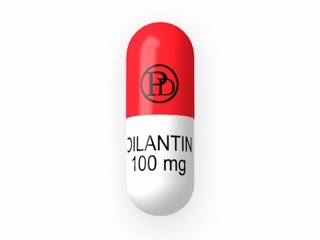
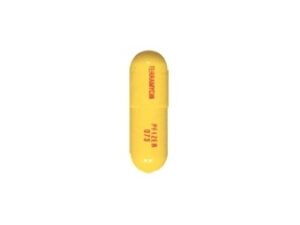
Dilantin is commonly supplied as oral capsules or tablets. Your pharmacist or clinician can confirm the exact formulation you have, as different forms may have slightly different release characteristics and dosing schedules.
Mechanism of action (how Dilantin works)
Phenytoin works mainly by stabilising neuronal membranes and reducing abnormal electrical activity. It does this by:
- Modifying sodium channel activity in nerve cells, which can help control seizure propagation
- Reducing repetitive firing of neurons during seizure activity
- Providing long-term seizure control for certain seizure types when taken consistently
The result is fewer seizures over time. For many people, Dilantin works best when blood levels are kept within an effective range.
Pharmacokinetics (how the body absorbs, distributes, and clears phenytoin)
Phenytoin has properties that affect how dosing is planned. A few features are especially important for safe use:
Absorption
Phenytoin is absorbed after oral dosing. Food can influence absorption for some people, and consistency with how you take your dose helps maintain more stable blood levels.
Distribution
Phenytoin binds significantly to plasma proteins (mainly albumin). This matters because:
- Low albumin levels or certain medical conditions may increase the active “free” fraction of phenytoin
- This can increase the risk of side effects even when total blood levels appear “normal”
Metabolism and non-linear kinetics
Phenytoin is metabolised primarily in the liver. Importantly, its metabolism can be non-linear at typical therapeutic doses. In plain terms, small dose increases may lead to disproportionately large increases in blood concentration in some patients.
Elimination
Clearance is affected by liver function and interacting medicines. Because of non-linear kinetics, adjustments require careful medical guidance and sometimes blood level monitoring.
Typical use (what Dilantin is used for)
Dilantin is used to help treat epilepsy and control certain seizure types. It is usually considered for people who require or respond to phenytoin therapy.
Common indications
Indications can vary based on clinical judgement and local guidance. In practice, phenytoin may be used for:
- Partial (focal) seizures and other seizure patterns as determined by a clinician
- Generalised tonic-clonic seizures in selected patients
- Status epilepticus in hospital settings (depending on formulation and clinical context)
If you’re unsure whether Dilantin is appropriate for your specific seizure type, ask your pharmacist or clinician.
How to take Dilantin: timing and routine
Consistent dosing is crucial. The exact schedule depends on your prescribed plan and formulation. Use this section as general guidance, not a substitute for instructions from your healthcare team.
Typical timing
- Take at the same times each day to keep blood levels steadier
- If your dose is twice daily, try morning and evening at consistent times
- Use reminders (e.g., phone alarms) to reduce missed doses
If you miss a dose
General advice is to follow your medication instructions or pharmacy directions. In many situations:
- If you remember soon after, take the missed dose if it’s close to the original time
- If it’s near the next dose, skip the missed dose and take the next dose at the usual time
- Do not double up to make up for a missed dose unless advised by your healthcare team
If you’re uncertain, contact your pharmacist. Because phenytoin can have significant clinical effects at the wrong level, it’s best to get specific advice for your situation.
Dilantin dosing: what people should know
Dosing is individual. Phenytoin requires careful planning due to non-linear metabolism and a narrow therapeutic range in many patients. Your clinician may use a gradual dose adjustment approach and may check blood concentrations.
Why blood tests may be recommended
Monitoring can help balance seizure control and side effects. Blood level checks can be particularly important when:
- Starting therapy or after dose changes
- Adding or stopping medicines that interact with phenytoin
- There are symptoms suggesting toxicity or inadequate control
- There are changes in liver function, nutrition, or overall health
Factors that affect dose needs
- Age and body composition
- Liver function
- Protein binding (albumin levels)
- Drug interactions (many medicines can raise or lower phenytoin levels)
- Adherence and timing consistency
Food interactions and taking Dilantin with meals
Food may influence absorption for some people. While phenytoin can often be taken with or without food depending on formulation and patient tolerance, the key is to choose one approach and stick to it.
Practical food guidance
- Consistency helps: Take phenytoin the same way each day (with meals or at a similar time relative to meals)
- If you experience stomach upset, discuss whether taking with food is suitable for you
- Avoid sudden changes in diet or very large shifts in nutrition without guidance
Alcohol and medicine interactions
Alcohol can increase the risk of side effects such as dizziness, drowsiness, impaired coordination, and mood changes. Because phenytoin also affects the nervous system, combining alcohol and Dilantin may worsen impairment.
Alcohol: common concerns
- Increased dizziness or sleepiness
- Higher risk of falls or accidents
- Potential liver effects: heavy alcohol use can affect liver function, influencing phenytoin levels
Important safety tip
If you drink alcohol, discuss a safe limit with your clinician or pharmacist. Avoid driving or operating machinery if you feel drowsy or unsteady.
Medicine interactions (including over-the-counter products)
Phenytoin is well known for interacting with many medicines due to liver enzyme pathways and protein binding effects. Some interactions can reduce seizure control (lower phenytoin levels), while others can increase toxicity risk.
Examples of medicines that can interact
This is not an exhaustive list. Always check with a pharmacist before starting or stopping any medicine, supplement, herbal product, or short course therapy.
- Antibiotics (some can raise phenytoin levels or alter metabolism)
- Antifungals (some can increase phenytoin concentrations)
- Oral contraceptives (may affect levels in either direction)
- Antacids and gastric medicines (timing and formulation can matter)
- Anti-epileptic medicines (additive effects or changes in levels may occur)
- Warfarin and other medicines that affect clotting (interaction risk)
- St John’s wort (herbal product) may change phenytoin levels
- Other liver-metabolised medicines (many can modify phenytoin concentrations)
What to do if you need a new medicine
- Tell your pharmacist you take Dilantin (phenytoin)
- Provide a full list of medicines and supplements
- Ask whether you need extra monitoring or dose adjustments
Safety profile: side effects and when to seek help
Like all medicines, Dilantin can cause side effects. Many are dose-related and can improve with dose adjustment or time. However, some reactions are serious and require prompt medical attention.
Common side effects
- Dizziness or light-headedness
- Unsteadiness or coordination problems
- Blurred vision or nystagmus (in some cases)
- Nausea
- Headache or fatigue
- Gingival (gum) overgrowth—more common with long-term use in some people
- Enlarged facial features (some people notice facial puffiness with long-term use)
Serious side effects: get urgent medical help
Seek urgent medical attention immediately if you experience signs of a severe reaction, such as:
- Signs of severe skin reaction (blistering, widespread rash, peeling skin)
- Swelling of the face/lips or difficulty breathing
- Severe fever with rash or mouth sores
- Unexplained bruising or bleeding
- Signs of severe liver problems (yellow skin/eyes, dark urine, severe right upper abdominal pain)
- Confusion, worsening unsteadiness, or marked drowsiness (may indicate toxicity)
These reactions are uncommon but important to recognise quickly.
What may indicate phenytoin toxicity
Toxicity may present with symptoms such as:
- Persistent or worsening dizziness
- Nausea/vomiting
- Slurred speech
- Significant unsteadiness or falls
- Confusion or unusual behaviour
- Rapid worsening of symptoms after a dose change or interacting medicine
If you suspect overdose or toxicity, contact urgent medical services or your local emergency number.
Practical use tips for everyday life
- Stick to consistent timing: take your dose at the same times each day.
- Use a pill organiser: helps prevent missed or duplicated doses.
- Keep a medication list: include all prescriptions, over-the-counter medicines, and supplements.
- Before dental care: inform your dentist that you take phenytoin, as gum care may be important.
- Monitor symptoms: dizziness or unsteadiness may be a sign of an excessive level—report it promptly.
- Do not stop suddenly: stopping antiepileptic therapy abruptly may increase seizure risk. Discuss changes with your clinician.
- Be cautious with alcohol: it can worsen drowsiness and coordination problems.
- Be mindful with driving and machinery: if you feel drowsy or unsteady, avoid these activities.
Alternative options
If Dilantin isn’t suitable due to side effects, interactions, or other clinical reasons, there are other antiepileptic medicines available. The best alternative depends on seizure type, age, other conditions, and interaction risk.
Common alternative medicines (examples)
Alternatives may include medicines such as:
- Levetiracetam
- Lamotrigine
- Carbamazepine (note interaction profile)
- Sodium valproate or other therapies (depending on suitability)
- Oxcarbazepine
- Other specialist treatments as determined by clinical review
Your pharmacist or neurologist can discuss which option may fit your seizure pattern and personal medical needs.
Market and legal context in Australia
In Australia, medicines containing phenytoin are regulated under national and state/territory frameworks. Availability, brand selection, and specific product presentations may vary by pharmacy supply and therapeutic needs. Dispensing arrangements are handled through licensed pharmacies in accordance with Australian health regulations.
Because phenytoin can interact with many medicines and may require monitoring, Australian healthcare practice often emphasises:
- Careful dose selection
- Medication review when new medicines are started
- Education about adherence and side effects
- Blood level monitoring when clinically indicated
Recent guidance and evolving best practice
Ongoing clinical guidance focuses on safer antiepileptic use, including careful review of:
- Drug–drug interactions
- Narrow therapeutic range considerations
- Monitoring needs after dose changes or formulation switches
- Recognising and responding to serious skin reactions or toxicity symptoms
- Individualised seizure management based on seizure type and patient circumstances
If you are transitioning between brands or formulations, ask your pharmacist whether any monitoring or scheduling changes are recommended for your situation.
Delivery and availability (Australia)
Dilantin (phenytoin) may be available through participating online pharmacies in Australia, subject to stock, formulation, and supply arrangements. Delivery times can vary depending on your location and product availability.
What you should expect when ordering
- Stock availability: in-demand products may occasionally have delays
- Packaging: delivered securely and in original packaging
- Payment and delivery updates: confirmations and tracking (where available)
- Pharmacist assistance: you may be contacted for medication history or clarification if required
If a product is temporarily unavailable, your pharmacist can sometimes suggest alternative phenytoin formulations or equivalent options in line with clinical suitability.
Dilantin FAQ
1. What is Dilantin used for?
Dilantin (phenytoin) is used to help prevent and control certain types of seizures in people with epilepsy. It may also be used in specific hospital contexts for urgent seizure management depending on the clinical scenario and available formulation.
2. How long does it take to work?
Some seizure control may be noticed sooner, but full stabilisation often takes time, particularly when dose adjustments are made. Consistent daily dosing is important for achieving steady blood levels.
3. Should I take Dilantin with food?
Many people can take phenytoin with or without food, but the best approach is to use the same routine every day. If you get nausea, taking it with food may help—confirm what’s suitable for your formulation with your pharmacist.
4. Can I drink alcohol while taking Dilantin?
It’s best to limit or avoid alcohol. Alcohol can worsen dizziness, drowsiness, and coordination problems. Heavy drinking may also affect the liver, which can influence phenytoin levels.
5. What medicines commonly interact with phenytoin?
Many medicines can interact with phenytoin, including certain antibiotics, antifungals, oral contraceptives, some anti-epileptic medicines, and medicines affecting clotting. Herbal products such as St John’s wort may also be problematic. Always check with a pharmacist before starting anything new.
6. Why are blood tests sometimes needed?
Phenytoin can have non-linear pharmacokinetics, and its therapeutic range may be narrow for some people. Blood level checks help balance seizure control and reduce the risk of side effects.
7. What should I do if I miss a dose?
Follow the instructions provided with your medicine or by your pharmacist. In many cases, take it if you remember soon, but don’t double up if it’s close to the next dose. Because dosing errors can matter with phenytoin, ask your pharmacist if you’re unsure.
8. What side effects should I watch for?
Common effects may include dizziness, unsteadiness, and nausea. Seek urgent medical advice for severe rash, blistering, swelling, breathing difficulties, signs of liver trouble, or marked confusion/unsteadiness.
9. Is it safe to stop Dilantin suddenly?
Do not stop suddenly unless your clinician advises. Abrupt stopping can increase seizure risk. If you’re considering stopping or changing therapy, discuss a planned approach with your healthcare team.
10. Are there alternative treatments if I can’t tolerate Dilantin?
Yes. Several other antiepileptic medicines may be options. The best alternative depends on your seizure type and your overall health and medicine profile.
Summary
Dilantin (phenytoin) is a longstanding treatment for seizure disorders. It works by stabilising nerve cell activity and requires consistent use due to its complex metabolism and potential interactions. With careful adherence, medication reviews, and monitoring when needed, many people achieve reliable seizure control while minimising side effects.
If you have questions about how to take your specific phenytoin product, or about interactions with other medicines, your pharmacist is the best first point of contact.