
Actigall (Ursodeoxycholic acid) — Patient Information (Australia)
Actigall is a medicine containing ursodeoxycholic acid (UDCA). It is used for specific liver and bile duct conditions where improving bile flow and reducing bile-related damage can help. This guide is designed to be clear and practical, with information about how it works, how to take it, and what to consider for safety.
| Product name | Actigall |
|---|---|
| Active ingredient | Ursodeoxycholic acid (UDCA) |
| What it’s used for | Selected bile/hepatobiliary conditions (e.g., primary biliary cholangitis, certain gallstone types) |
| How it works | Changes bile composition and supports bile flow; may protect cells from bile acid toxicity |
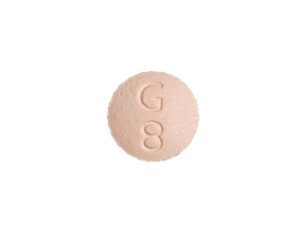
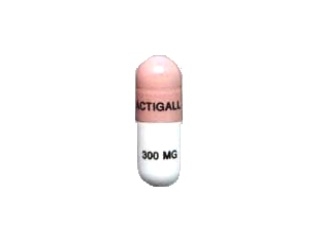
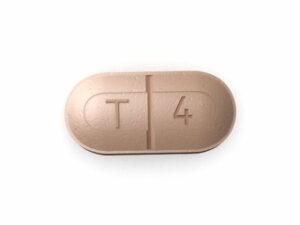
| Typical form | Oral capsules or tablets (availability can vary by brand presentation) |
| How long it can take | Often weeks to months; some benefits take longer |
Basic product information
Actigall (ursodeoxycholic acid) is a naturally occurring bile acid analogue. In treatment, UDCA is used to help manage conditions related to bile flow, bile duct inflammation, or certain kinds of cholesterol gallstones.
- Brand: Actigall
- Active ingredient: Ursodeoxycholic acid (UDCA)
- Route of administration: Oral
- Common dosing schedule: Usually once or twice daily depending on the condition and prescribed regimen
Note: The exact strength and dosing schedule may differ depending on the product presentation and your specific condition.
How Actigall works (mechanism of action)
UDCA works mainly by improving how bile behaves in the liver and gallbladder. It is thought to:
- Replace more toxic bile acids with UDCA in the bile and bile duct system, which may reduce irritation and inflammation.
- Protect liver cells by making bile less damaging to cell membranes.
- Support bile flow (choleretic effect), which helps move bile through the biliary system.
- Reduce cholesterol saturation in bile, which can help dissolve certain cholesterol gallstones over time.
Because the medicine targets bile chemistry and bile duct function, results are often gradual and depend on the underlying diagnosis.
Pharmacokinetics (what the body does to the medicine)
Understanding pharmacokinetics can help set expectations for how UDCA behaves in the body:
- Absorption: UDCA is absorbed in the small intestine after oral dosing.
- Distribution: It travels through the body and is taken up by the liver.
- Metabolism and bile circulation: UDCA is processed in the liver and enters bile, where it participates in the enterohepatic circulation (a cycle between the intestine and liver).
- Elimination: Most of the drug and its bile acid derivatives are eliminated through the digestive tract, largely via bile/feces.
Practical takeaway: UDCA works as part of a “bile cycle,” which is why consistent daily use and compatible dosing habits matter.
Typical uses in Australia
Actigall is used for specific liver/bile disorders and, in some cases, for certain gallstones. The suitability depends on the diagnosis, the type of stones, and individual clinical factors.
1) Gallstones (selected types)
UDCA may be used to dissolve cholesterol gallstones in patients where appropriate. This typically requires:
- Gallstones that are cholesterol-rich (often radiolucent on certain imaging)
- A functioning gallbladder
- No (or limited) complications such as obstruction or infection
2) Primary biliary cholangitis (PBC)
UDCA is commonly used in primary biliary cholangitis, a chronic condition affecting the small bile ducts. The aim is to improve liver biochemistry and slow progression in appropriate patients.
3) Other bile-related conditions
Your clinician may use UDCA for other carefully selected conditions affecting bile flow and liver health. Indications vary based on evidence, product guidance, and clinical practice.
Important: Not all liver diseases respond to UDCA. It should be used only for diagnoses where it is appropriate.
Indications (when Actigall is used)
In practice, Actigall is indicated for:
- Primary biliary cholangitis (PBC): to improve liver function tests and slow disease progression in eligible patients.
- Cholesterol gallstones: for dissolution in selected cases (based on gallstone characteristics and suitability for non-surgical management).
- Other bile/hepatobiliary disorders: when UDCA is chosen by your treating team based on clinical judgement.
Because indications can be diagnosis-specific, always confirm your intended use and expected goals (e.g., symptom relief vs gallstone dissolution vs liver protection).
Dosing and timing
Exact dosing depends on the condition, body weight (often relevant for PBC), and individual response. Your dose may change based on follow-up blood tests and clinical findings.
General dosing principles
- Consistency is important: UDCA works best when taken regularly.
- Follow the prescribed schedule: dosing frequency may be once daily or split doses.
- Use with monitoring (for liver conditions): liver blood tests are typically monitored to assess response.
When to take Actigall
UDCA can usually be taken with or without food. However, timing should consider interactions and tolerance.
- Common approach: take it at the same time(s) each day.
- If split dosing is used: try morning and evening, leaving a steady gap between doses.
- If you miss a dose: take it when you remember if it’s near the next dose; otherwise skip and continue your usual schedule. Do not double up.
Tip: Use a daily pill reminder (phone alarm or calendar) to support consistent dosing—this is especially helpful for long courses.
Food interactions and diet considerations
Food can influence digestion and bile-related medicines. While UDCA is not typically described as having a strict “must take with food” rule, some foods can indirectly affect bile dynamics.
- Fatty meals: Very high-fat meals may change bile flow and how gallbladder-related symptoms feel. If you notice changes after meals, consider taking UDCA at a time that minimises discomfort.
- Regular meals: Maintaining a regular eating pattern can help bile rhythm and reduce variability in symptoms.
- Hydration and overall nutrition: For liver conditions, general balanced nutrition supports overall health.
Practical approach: If your clinician has not specified food timing, take UDCA in a consistent way that suits your routine (e.g., with breakfast and/or dinner if that improves adherence).
Alcohol interactions
Alcohol can affect the liver and may worsen many liver conditions, including conditions where UDCA is used to improve bile-related injury. UDCA itself does not have a classic “direct” acute interaction with alcohol that applies to everyone, but alcohol can undermine liver health.
- Consider avoiding alcohol or limiting heavily, particularly if you have liver inflammation, abnormal liver tests, or symptoms such as fatigue or itching.
- Discuss what’s safe for you with a clinician, because advice depends on the underlying diagnosis and liver function.
Safety reminder: If you feel unwell after drinking (worsened fatigue, nausea, pain in the right upper abdomen, jaundice), seek medical advice promptly.
Medicine interactions (including common interaction types)
Certain medicines can interfere with UDCA absorption or effectiveness, particularly those that bind bile acids or affect bile transport.
Key interaction category: bile acid sequestrants
Medicines that bind bile acids in the gut can reduce UDCA absorption.
- Examples: Some cholesterol-lowering medicines that are bile acid binders (e.g., cholestyramine or colestipol; check your product labels).
- What to do: If you take one, spacing the doses may be required (your clinician or pharmacist can advise an appropriate separation).
Other possible interactions
These interactions may vary by the exact medication and your liver status. Examples of medicines that may need review include:
- Medicines affecting liver enzymes or bile transport pathways
- Hormonal therapies (in some contexts) or medicines used for cholesterol management
- Herbal supplements (some may affect liver function or interfere with metabolism)
What you can do to stay safe:
- Keep an up-to-date list of all medicines, vitamins, and herbal products.
- Ask your pharmacist or clinician about interactions when starting UDCA or any new product.
- Don’t stop other medicines without advice.
Safety profile and side effects
Most people tolerate Actigall well, but side effects can occur. Some adverse effects are more likely at the beginning of treatment or after dose changes.
Common side effects (may occur)
- Gastrointestinal symptoms: nausea, abdominal discomfort, diarrhoea or loose stools
- Indigestion or bloating
Less common but important effects
- Changes in liver tests (monitoring is typically part of treatment plans)
- Rash or hypersensitivity reactions
Seek urgent medical attention if
- you develop swelling of the face/lips, severe rash, or trouble breathing
- you develop significant worsening jaundice, severe abdominal pain, persistent vomiting, fever, or signs of bile duct blockage/infection
Note: This is a general safety overview. Your healthcare team may tailor advice based on your diagnosis and medical history.
Practical use tips
UDCA treatment often takes time. These tips may improve comfort and adherence:
- Take it every day: consistent use supports stable bile composition and response over time.
- Use a routine: tie dosing to daily habits (e.g., breakfast and dinner).
- Manage GI upset: if you experience nausea or diarrhoea, speak to your pharmacist. Sometimes spacing doses or taking with meals may help (follow professional advice).
- Don’t miss monitoring: for liver conditions, blood tests help check response and safety. Attend follow-up appointments.
- Report symptom changes: new or worsening itching, fatigue, jaundice, dark urine, pale stools, or right upper abdominal pain should be reviewed.
- Keep an eye on gallstone-related symptoms: if abdominal pain increases, fever develops, or vomiting occurs, seek prompt care, as this may indicate complications.
How long does it take to work?
Time to benefit varies by indication:
- PBC: biochemical improvements may be seen over months, with ongoing assessment to evaluate response.
- Gallstone dissolution: dissolution is typically slow and may take months or longer, and not all stone types respond.
Practical expectation: If you’re taking UDCA for gallstones, your progress is often assessed using imaging and symptom review. For liver conditions, blood tests guide whether treatment is effective.
Alternative options
The best alternative depends on your diagnosis and severity. Below are common categories of options used in clinical practice—your clinician can help choose the most suitable approach.
For primary biliary cholangitis (PBC)
- Other liver-directed treatments (used in combination or when UDCA response is insufficient, depending on guidelines and local practice).
- Supportive care for symptoms such as itching (e.g., targeted antipruritic strategies may be considered).
- Monitoring and risk management for associated conditions.
For cholesterol gallstones
- Procedural or surgical options (e.g., gallbladder removal) may be preferred for many patients, depending on risk and stone characteristics.
- Lifestyle measures may support overall digestive health, though they are unlikely to dissolve established stones on their own.
Important: Don’t switch treatments without medical advice. Some alternatives can carry different risks or require different monitoring.
Market & legal context in Australia
In Australia, availability and prescribing requirements for medicines are determined by the Australian regulatory framework, including how medicines are scheduled and classified under the Therapeutic Goods Administration (TGA) rules.
- Regulation: Medicines supplied in Australia must meet TGA standards for quality, safety, and efficacy.
- Product access: UDCA products such as Actigall are generally supplied according to the appropriate access pathway and pharmacy requirements.
- Local clinical practice: Indications for UDCA reflect Australian and international evidence, with clinicians using local guidance and patient-specific factors.
For the most current product availability and conditions of supply, consult your local pharmacy or the product information provided on the medicine packaging.
Recent guidance and monitoring (what to expect)
Clinical guidance for bile/liver disorders evolves as research continues. In general, for conditions like PBC, guidelines emphasise:
- Early initiation of evidence-based therapy where UDCA is appropriate.
- Regular blood test monitoring to assess response and identify treatment needs.
- Assessment of treatment response using liver biochemistry markers over time (frequency determined by your clinician).
- Managing symptoms such as itch and fatigue with supportive treatments when needed.
For gallstone dissolution strategies, guidance typically stresses careful patient selection and confirmation of suitability (e.g., stone type and gallbladder function), as outcomes are variable.
Delivery and availability (Australia)
Actigall availability may depend on current supply and the specific strength/presentation. Many online pharmacies in Australia offer:
- Online stock checks before confirming your order
- Secure delivery to Australian addresses (delivery times vary by region and dispatch schedule)
- Discreet packaging
To help your order arrive smoothly:
- Ensure your delivery address is correct and include any relevant unit/suite numbers.
- If you need assistance with ordering, contact the pharmacy customer support team.
Note: Delivery timelines and availability can change due to supply chain conditions.
FAQ — Frequently asked questions
1) Is Actigall the same as bile acid supplements?
No. Actigall contains ursodeoxycholic acid (UDCA) as a therapeutic medicine for specific medical conditions. It is not the same as general “bile support” supplements, and dosing should follow medical guidance.
2) Can I take Actigall with meals?
Many people can take UDCA with or without food. For comfort and consistency, some take it with meals (for example, breakfast and/or dinner). Choose an approach that you can repeat reliably and discuss any concerns with your pharmacist.
3) What if I forget a dose?
Take it when you remember if it’s close to the next dose. If it’s near the time for the next dose, skip the missed dose and continue your usual schedule. Do not double to make up for a missed dose.
4) How will I know if it’s working?
For PBC, response is usually assessed by blood tests over time and symptom review. For gallstone dissolution, response may be assessed with imaging studies and symptom patterns.
5) Can I drink alcohol while taking Actigall?
Because alcohol can affect the liver, it’s generally advised to avoid or limit alcohol, especially if you have liver disease or abnormal liver tests. Discuss safe levels with your clinician.
6) Are there medicines I must not combine with Actigall?
Some medicines can interfere with UDCA absorption or effectiveness. In particular, bile acid-binding medicines (used for cholesterol) may reduce UDCA levels. Always check potential interactions with your pharmacist when you start or change medicines.
7) What side effects should I watch for?
Common ones include stomach upset or diarrhoea. Seek urgent medical help if you develop signs of an allergy (e.g., swelling, severe rash, breathing difficulty) or if your liver/gallbladder symptoms worsen significantly (e.g., intense right upper abdominal pain, fever, persistent vomiting, worsening jaundice).
8) Can children take Actigall?
Use in children depends on the diagnosis and clinical judgement. If Actigall is considered for a child, dosing and monitoring must be determined by a qualified healthcare professional.
9) Do I need regular blood tests?
Often, yes—especially for liver conditions. Blood tests help confirm safety and monitor response.
10) What if I stop Actigall?
Stopping UDCA without advice may allow the underlying condition to worsen. If you’re considering stopping or switching, talk to your clinician or pharmacist first.
Summary
Actigall (ursodeoxycholic acid) is an oral medicine used for selected bile and liver conditions, including primary biliary cholangitis and, in appropriate cases, cholesterol gallstones. It works by improving bile composition and supporting protection of bile duct and liver cells. UDCA generally requires consistent daily use and monitoring over time for the best results.
If you’d like, tell us the condition you’re taking Actigall for and any other medications you use, and we can help highlight the most relevant practical considerations and interaction checks for a smoother experience.