

Alfacip (Alfacalcidol) – Patient Information (Australia)
Alfacip contains alfacalcidol, a vitamin D–related medicine used to help correct problems with calcium and phosphate levels in the body. It is commonly prescribed for people who need support for bone health and for conditions that affect vitamin D metabolism.
This guide explains what Alfacip is, how it works, how it is used, what to expect, and important safety information. It is written for patients and carers in an easy-to-read format for Australia.
Quick Facts
- Active ingredient: Alfacalcidol
- Medicine type: Vitamin D analogue (vitamin D receptor pathway)
- Common purpose: Helps improve calcium absorption and bone mineralisation
- How it’s taken: Usually as an oral dose once daily (schedule can vary)
- Key safety issue: Risk of high calcium (hypercalcaemia) if dose is too high
Basic Product Information
| Feature | Details |
|---|---|
| Brand name | Alfacip |
| Generic name | Alfacalcidol |
| Class | Vitamin D analogue / active vitamin D pathway |
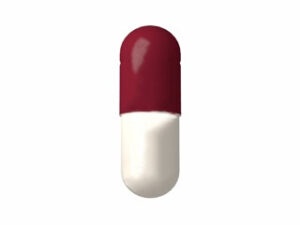
| Available forms | Oral capsules or similar oral presentation (strengths vary by product listing) |
| Typical dosing frequency | Often once daily; follow your individual schedule |
Note: Strength and exact dosing instructions depend on the product presentation and your condition. Always follow the directions provided with your medicine and any laboratory monitoring plan.
How Alfacip Works (Mechanism of Action)
Alfacalcidol is converted in the body to 1,25-dihydroxycholecalciferol (active vitamin D). This active form binds to vitamin D receptors and helps regulate the absorption and handling of key minerals:
- Increases calcium absorption
- Helps maintain appropriate phosphate levels
- Supports normal bone mineralisation by improving mineral availability
- May reduce parathyroid hormone (PTH) levels in some vitamin D deficiency states, helping restore mineral balance
Because it is designed to work through the vitamin D pathway, Alfacip is particularly useful when the body’s ability to produce or use active vitamin D is reduced.
Pharmacokinetics (What the Body Does to the Medicine)
Pharmacokinetics describes absorption, conversion, distribution, and elimination. While exact parameters can vary between individuals, the key points include:
- Absorption: Alfacalcidol is absorbed after oral administration.
- Conversion: It is metabolised in the liver to its active form (1,25-dihydroxycholecalciferol). This conversion is a major step in how it produces its effect.
- Onset of effect: Effects on calcium and phosphate can appear over days, with laboratory changes monitored to guide dosing.
- Duration: The active metabolites contribute to effects over time; regular monitoring helps prevent excessive calcium.
- Elimination: Active vitamin D metabolites are processed and cleared through normal metabolic pathways. Kidney and liver function can influence overall handling, so clinicians often monitor relevant labs.
Clinical implication: Alfacip dosing is usually adjusted based on blood tests (commonly calcium, phosphate, and PTH), not just on symptoms.
What Alfacip Is Used For (Indications)
Alfacip is used in conditions where vitamin D activity is impaired or where calcium/phosphate balance is disrupted—particularly when bone health is at risk. Common indications include:
- Hypocalcaemia (low blood calcium), especially when related to vitamin D deficiency or related metabolic causes
- Osteodystrophy (bone changes) in certain chronic kidney conditions
- Renal osteodystrophy and related disorders of mineral metabolism
- Secondary hyperparathyroidism related to chronic kidney disease (in combination with other management strategies)
- Rickets or osteomalacia due to vitamin D–responsive conditions (as determined by clinician assessment)
Your treating clinician will select Alfacip when the expected benefit outweighs risks and when monitoring can be performed.
Typical Use and Treatment Goals
Most people use Alfacip as part of a broader plan. The goals often include:
- Improving serum calcium into a safer, target range
- Supporting bone strength and reducing risks of fractures related to mineral imbalance
- Correcting or stabilising phosphate and parathyroid hormone (PTH) levels
- Preventing bone pain, muscle weakness, and complications linked to abnormal mineral metabolism
Many patients also receive counselling on adequate calcium intake, vitamin D status, and lifestyle measures that support bone health.
How to Take Alfacip (Timing and Administration)
Follow your individual instructions. In general:
- Timing: Often taken once daily. Try to take it at the same time each day to make it easier to remember.
- With or without food: Alfacalcidol can generally be taken regardless of meals, but your clinician or pharmacist may give specific advice for your situation.
- Swallowing: Swallow the capsule whole with water unless your product instructions say otherwise.
- Missed dose: Take it as soon as you remember on the same day. If you are close to the next dose, skip the missed dose and resume your usual schedule. Do not take double doses.
Important: Because Alfacip affects calcium levels, missed doses and dose changes can matter. If you frequently miss doses or are unsure after a missed dose, ask a pharmacist for advice.
Food Interactions (Diet and Absorption)
Alfacalcidol is a fat-soluble vitamin D analogue pathway medicine. While most guidance suggests it can be taken with or without food, meal composition may influence absorption for some people.
Practical approach:
- If your body tolerates it well, take it consistently either with food or without food—whichever aligns with your clinician’s advice.
- Maintain consistent dietary calcium intake. Sudden increases or decreases in calcium-rich foods may affect lab results.
- Check whether you are also advised to take calcium supplements or phosphate binders.
Note on supplements: Do not start high-dose calcium or additional vitamin D supplements without medical advice, because combined intake can raise the risk of hypercalcaemia.
Alcohol Interactions
Alcohol can affect overall health, nutrition, liver function, and medication adherence. While there is no universal “no alcohol” rule for alfacalcidol, the following precautions are sensible:
- Limit alcohol intake and avoid binge drinking.
- Be cautious if you have liver disease or conditions that affect metabolism, as alfacalcidol conversion occurs in the liver.
- If you experience nausea, dizziness, or dehydration, these may complicate your calcium balance and general wellbeing.
If you drink alcohol regularly, discuss your intake with a healthcare professional so your monitoring plan can be appropriate.
Medicine Interactions (Common Considerations)
Many medicines can influence vitamin D metabolism, calcium levels, or the effects of therapies used for bone and mineral disorders. Always provide your pharmacist with an up-to-date list of medicines, including supplements.
Potential interaction groups include:
- Calcium supplements and other vitamin D products: May increase calcium levels further and increase the risk of hypercalcaemia.
- Thiazide diuretics (e.g., hydrochlorothiazide): Can raise calcium levels; together may increase hypercalcaemia risk.
- Some anticonvulsants (e.g., phenytoin, carbamazepine, phenobarbital): May alter vitamin D metabolism, potentially reducing effect.
- Cholestyramine and bile acid sequestrants: May affect absorption of fat-soluble substances, possibly reducing vitamin D effectiveness.
- Cardiac glycosides (e.g., digoxin): Elevated calcium may increase the risk of toxicity; careful monitoring may be required.
- Corticosteroids: May reduce calcium absorption; dose balancing may be needed.
- Magnesium-containing products (and in advanced kidney disease): Can affect mineral balance; your team may adjust monitoring accordingly.
Special caution: Kidney disease can change the way minerals are handled. If you have reduced kidney function, interaction risk is often higher and requires closer monitoring.
Dosing (How Much to Take)
Dosing varies widely based on the condition being treated, baseline calcium/phosphate levels, kidney function, and response. Alfacalcidol is not “one dose fits all.”
Typical dosing principles:
- Start low and adjust: Many regimens start at a modest dose and adjust based on laboratory results.
- Monitoring drives changes: Calcium and related measures guide adjustments.
- Do not self-adjust: Changing dose without blood tests can lead to dangerous high calcium.
Example schedule (illustrative only): In practice, many patients take a dose once daily, but the exact microgram/mg strength and titration schedule should be determined by your prescriber and confirmed on your medication label.
What to do if you miss a dose: Use the missed-dose guidance above, but if you have had repeated missed doses or have had changes in appetite/illness, ask a pharmacist for tailored advice.
Safety Profile (Side Effects and When to Seek Help)
Like all medicines, Alfacip can cause side effects. The most important risk is hypercalcaemia (high calcium levels), especially if the dose is too high or if additional calcium/vitamin D intake is excessive.
Common or expected effects
- Generally well tolerated when properly dosed and monitored
- Some people may not feel specific effects even while labs improve
Signs of high calcium (hypercalcaemia)
Seek medical advice promptly (or emergency care if severe) if you experience symptoms such as:
- Nausea or vomiting
- Constipation or abdominal pain
- Increased thirst and frequent urination
- Confusion, unusual tiredness, or weakness
- Bone pain or muscle aches (may occur in severe cases)
Other possible side effects
- Itching or rash (less common)
- Headache or dizziness
- Kidney-related symptoms in those predisposed (especially if hypercalcaemia occurs)
Who needs extra caution?
- People with kidney impairment
- Those with a history of high calcium or kidney stones
- Those taking medicines that affect calcium (e.g., thiazide diuretics, digoxin)
- People receiving high-dose calcium or vitamin D supplements
- Older adults, due to increased likelihood of comorbidities and medication interactions
Pregnancy and breastfeeding
If you are pregnant, planning pregnancy, or breastfeeding, discuss Alfacip with a healthcare professional. Vitamin D–related medicines affect calcium balance, and dose needs careful individual assessment.
Practical Use Tips (Getting the Best Results Safely)
- Keep your monitoring schedule: Regular blood tests are crucial. Do not skip them, even if you feel well.
- Track your supplement intake: Record any calcium, vitamin D, magnesium, or “bone” supplements and show the list to your pharmacist.
- Be consistent with diet: Avoid sudden major changes in calcium intake unless advised.
- Stay hydrated: This can support kidney health, especially if you are prone to kidney issues. Follow advice tailored to your condition.
- Tell clinicians about all medicines: Include over-the-counter products and herbal preparations.
- Report symptoms early: If you notice thirst, constipation, confusion, or persistent nausea, contact a healthcare professional.
Reminder: Alfacip dose adjustments are usually based on labs rather than symptoms alone.
Alternative Options (Other Treatments Your Clinician May Consider)
Depending on the underlying cause of the mineral disorder, alternative options may include:
- Cholecalciferol (vitamin D3) or other forms of vitamin D
- Calcitriol (another active vitamin D analogue) in some vitamin D–dependent states
- Calcium supplementation (where appropriate)
- Phosphate binders and other therapies for chronic kidney disease mineral disorders
- Management of underlying causes (e.g., malabsorption or dietary deficiency)
Which option is appropriate depends on factors such as kidney function, baseline calcium/phosphate, and PTH levels. If you are considering switching, discuss it with a clinician to prevent imbalance.
Market and Legal Context in Australia
In Australia, access to medicines like Alfacip is governed by the Therapeutic Goods Administration (TGA) and relevant prescribing/dispensing rules. The specific classification and dispensing requirements can vary by product strength and formulation.
Online pharmacies typically follow Australian regulations for safe supply, including identity checks, medication screening, and ensuring appropriate patient information is provided. Availability may vary by stock levels and the specific strength required.
Pharmacy compliance note: Always ensure you receive the correct strength and formulation stated on the label. If you are unsure, contact the pharmacy before taking the medicine.
Recent Guidance and Monitoring Considerations
Recent clinical practice commonly emphasises:
- Regular biochemical monitoring (calcium, phosphate, and often PTH) to tailor dosing and reduce the risk of hypercalcaemia.
- Individualised dosing rather than fixed dosing for all patients.
- Review of concurrent therapies that can affect vitamin D metabolism or calcium handling.
- Patient education about symptoms of high calcium and the importance of lab follow-up.
Guidance can differ by condition (for example, chronic kidney disease versus other causes of low calcium). Your treating team will determine the exact monitoring frequency.
Delivery and Availability (Australia)
Online pharmacy supply can vary based on product strength and local distributor availability. When ordering Alfacip:
- Confirm the strength and pack size before checkout.
- Delivery times depend on your location (metro versus rural/regional) and current stock.
- In many cases, pharmacies provide tracking and an estimated delivery window.
- Store medicines as directed on the label and packaging inserts.
Storage reminder: Follow the storage conditions on the medicine packaging (commonly store below a specified temperature and protect from moisture). If you are unsure, ask your pharmacist.
FAQ – Frequently Asked Questions
1) What is Alfacip used for?
Alfacip (alfacalcidol) is used to treat conditions involving abnormal calcium and phosphate balance and to support bone health, especially when vitamin D metabolism is impaired.
2) How quickly will I feel better?
Some people feel improvement in symptoms over days to weeks, but laboratory values may take longer to stabilise. The most reliable way to assess response is through scheduled blood tests.
3) Do I need blood tests while taking Alfacip?
In most treatment plans, yes. Monitoring helps ensure calcium and related measures stay in a safe range and guides dose adjustments.
4) Can I take Alfacip with food?
It is often taken with or without food. For best results and to avoid changes in absorption, take it consistently and follow your pharmacist’s guidance.
5) Should I avoid calcium supplements?
Do not start or increase calcium or additional vitamin D supplements without advice. Combined intake can raise calcium levels and increase the risk of hypercalcaemia.
6) What should I do if I miss a dose?
Take it when you remember on the same day. If it is close to the next dose, skip the missed dose and resume your normal schedule. Do not take a double dose.
7) What are the symptoms of too much calcium?
Possible signs include nausea, constipation, excessive thirst, frequent urination, weakness, and confusion. Seek urgent medical advice if symptoms are severe or worsening.
8) Is it safe to drink alcohol while on Alfacip?
Moderation is advised. Alcohol can affect nutrition and liver function, and your general health. If you drink regularly or have liver/kidney issues, discuss it with your healthcare professional.
9) Can other medicines interact with Alfacip?
Yes. Medicines that affect calcium levels, vitamin D metabolism, or absorption can interact. Tell your pharmacist about all medicines and supplements you take.
10) What happens if my calcium is high and the dose needs adjusting?
Your clinician may reduce the dose or pause it temporarily and will monitor labs until values normalise. This is why follow-up testing is important.
Important Reminder
Alfacip helps correct mineral imbalance, but it requires careful individual dosing and monitoring. If you have questions about timing, missed doses, interactions, or lab results, ask your pharmacist or healthcare provider for guidance.