
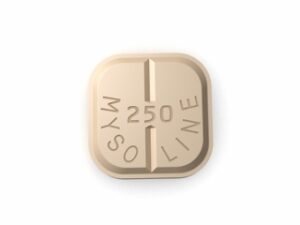
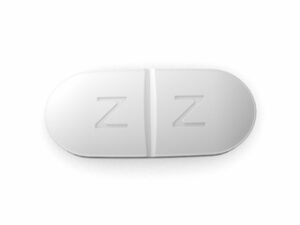
Namenda (Memantine) — Patient-Friendly Medicine Information (Australia)
Namenda contains memantine, a medicine used to treat symptoms of moderate to severe Alzheimer’s disease. It may help improve or stabilise memory, thinking, and ability to carry out daily activities for some people. This page explains how Namenda works, how it is usually taken, key safety points, and practical tips for everyday use in Australia.
Quick facts
- Active ingredient: Memantine
- Common use: Symptoms of moderate to severe Alzheimer’s disease
- How it works: Regulates glutamate activity to protect brain cells from overstimulation
- Typical form: Oral tablets and/or oral capsules (form depends on product strength)
- How soon it may help: Often after several weeks; benefits vary between individuals
- Important: Dosing is usually started low and increased gradually
Basic product information
| Category | Information |
|---|---|
| Brand name | Namenda |
| Generic name | Memantine |
| Medicine type | NMDA receptor antagonist (glutamate modulator) |
| Common strengths | Available in multiple strengths (commonly 5 mg, 10 mg, 15 mg and 20 mg formulations; exact options may vary) |
| Route | Oral (swallowed) |
| Therapeutic goal | Symptom management in Alzheimer’s disease (may help slow functional decline) |
What is Namenda used for?
Namenda is used for symptomatic treatment of moderate to severe Alzheimer’s disease. It is intended to help with:
- memory and thinking difficulties
- day-to-day functioning (for example, communication and ability to manage routine activities)
- behavioural symptoms that can accompany advanced dementia (varies by person)
Important note: Alzheimer’s disease is progressive. Namenda does not cure the condition, but it may help maintain function and quality of life for longer in some people.
How Namenda works (mechanism of action)
In the brain, the chemical messenger glutamate plays a role in learning and memory. In Alzheimer’s disease, glutamate signalling can become overstimulated.
Memantine works by blocking (antagonising) certain NMDA (N-methyl-D-aspartate) receptors. By doing so, it helps regulate the level of calcium entry into brain cells caused by excessive glutamate. This may reduce harmful overstimulation and support brain cell functioning.
What this means for patients and carers
Namenda is designed to modulate signalling rather than completely switch it off. That’s why the medicine is often started gradually and continued to maintain symptom control.
Pharmacokinetics (how the body handles memantine)
Pharmacokinetics describes what the body does to the medicine and includes absorption, distribution, metabolism, and elimination. The following summary is intended to be patient-friendly.
Absorption
- Memantine is absorbed after oral dosing.
- Absorption is generally not strongly dependent on meals (see food section below).
Distribution
- After absorption, memantine spreads through body tissues.
- It can enter the brain to act on NMDA receptors.
Metabolism and elimination
- Memantine is largely cleared by the kidneys.
- Only limited amounts are metabolised in the body.
- Because kidney function influences clearance, dose adjustments may be needed in people with reduced renal function.
If you have kidney disease or reduced kidney function, it’s especially important to follow your dosing plan and discuss monitoring with a healthcare professional.
When and how to take Namenda
Namenda is typically taken once daily (depending on the formulation) and is commonly titrated upward gradually. Titration helps improve tolerability and reduces the chance of side effects.
Typical timing
- Choose a time that fits your routine (for example, morning or evening).
- Take it around the same time each day.
- If drowsiness or dizziness occurs, consider taking it at a different time of day—confirm with your healthcare professional if you need to change timing.
With or without food
Memantine may be taken with or without food. For most people, meals do not significantly change the medicine’s effect. If stomach upset occurs, taking with food may improve comfort.
Swallowing instructions
- Swallow tablets/capsules with water.
- If you have difficulty swallowing, ask a pharmacist whether your specific product can be crushed or opened (product-specific instructions apply).
- Do not adjust the dose or formulation type without professional guidance.
How long until benefit?
Some people notice changes gradually. Clinically, benefits—if they occur—may become clearer after several weeks of consistent use. Continue taking Namenda as directed so your healthcare team can assess response.
Dosing (general guidance)
Dosing depends on the specific Namenda product, the person’s age, and kidney function, and it is usually started at a lower strength and increased over time. Below is general information; always follow the personalised dosing plan provided for you.
Common titration approach (example)
Many treatment plans start with 5 mg once daily and increase stepwise to reach 20 mg once daily (or another target based on local product guidance). Titration schedules can differ between formulations.
- Weeks 1–4: gradual increase in daily dose
- After titration: maintenance dose often 20 mg once daily (varies by product and patient factors)
Missed dose
- If you miss a dose, take it as soon as you remember unless it is close to the next dose.
- Do not take double the dose to make up for a missed tablet.
- If unsure, ask a pharmacist for advice based on your dosing schedule.
Kidney impairment
Because memantine is cleared by the kidneys, dose adjustments may be needed for people with reduced renal function. Your healthcare professional may use kidney function tests (such as creatinine clearance or eGFR) to guide dosing.
Food interactions
In general, food does not have a major interaction with memantine. You can usually take Namenda with or without meals.
However, certain foods and drinks can influence urinary pH, which can affect how quickly memantine is eliminated. This is discussed further in the “Alcohol and medicine interactions” section.
Alcohol and medicine interactions
Alcohol
Alcohol may worsen dizziness, drowsiness, and balance problems in some people. In people living with dementia, alcohol can also increase confusion and fall risk. If alcohol is used, it’s best to discuss a safe approach with a healthcare professional.
Medicines that can interact
Some medicines may interact with memantine or affect side effect risk. Always inform your doctor and pharmacist about all medicines you take, including supplements and over-the-counter products.
Notable interaction considerations include:
- Other NMDA-receptor active medicines (for example, certain anaesthetics or other agents that affect glutamate signalling). Combining may change effects and tolerability.
- Medicines affecting urinary pH: memantine clearance can be influenced if urine becomes more acidic or alkaline. Examples can include some medicines used for urinary tract issues or conditions that change acid–base balance.
- Amantadine and similar medicines: may increase the risk of adverse effects due to related activity.
- Cimetidine (used for some stomach acid conditions): may affect memantine levels in some situations.
- Other medicines primarily cleared by the kidneys: risk of altered levels may be higher in people with kidney impairment.
Practical advice for interaction safety
- Keep an up-to-date list of medicines and bring it to appointments.
- Ask your pharmacist before starting any new OTC medicine.
- If you notice new dizziness, confusion, or unusual symptoms after a medication change, seek advice promptly.
Safety profile: common side effects and what to watch for
Like all medicines, Namenda can cause side effects. Many are mild and improve after the dose is adjusted. Titration helps reduce early side effects.
Common side effects (may occur)
- Dizziness
- Headache
- Constipation or other bowel changes
- Sleepiness or fatigue
- Confusion (particularly in vulnerable individuals or with other contributing factors)
Serious side effects (seek urgent medical advice)
Seek urgent medical assistance if a person develops signs of a serious reaction, such as:
- swelling of the face, lips, or throat; trouble breathing (possible allergy)
- severe or persistent worsening confusion, marked unsteadiness, or fainting
- symptoms suggesting a serious infection or other acute decline (especially in frail patients)
Who needs extra caution?
- People with reduced kidney function (dose adjustment may be needed).
- Those who are very frail or at high risk of falls.
- People taking multiple medicines that affect the brain or circulation.
- Anyone with a history of seizures—discuss with a healthcare professional.
Practical tips for using Namenda at home
For patients
- Use a medication routine: link dosing to a daily habit (brushing teeth, breakfast, or bedtime).
- Keep hydrated: adequate fluids can support general health and comfort.
- Track changes: note whether memory, behaviour, or daily function is improving, stable, or worsening.
- Stay alert to side effects: especially dizziness, constipation, and sleepiness.
For carers and families
- Confirm the exact product and strength: different strengths may exist; titration schedules are specific.
- Use blister packs or a pill organiser: reduces missed doses and dosing errors.
- Watch for swallowing difficulties: ask a pharmacist for safe ways to administer the specific formulation.
- Prevent falls: ensure footwear is secure, reduce trip hazards, and be cautious if dizziness occurs.
- Monitor constipation: dehydration and reduced mobility can worsen constipation—seek advice early.
Alternative options
Treatment for Alzheimer’s disease often involves a combination of medication and non-drug supports. Alternative or complementary options may include:
Other medicines for Alzheimer’s disease
- Cholinesterase inhibitors (commonly used for mild to moderate Alzheimer’s symptoms in many care plans). Examples include donepezil, rivastigmine, and galantamine.
- Combination therapy may be considered in some patients depending on disease stage and tolerability.
Non-medicine support
- structured routines and memory supports
- regular physical activity suited to ability
- hearing and vision checks
- sleep hygiene and behavioural strategies
- carer education and respite support
The best option depends on individual diagnosis stage, co-existing conditions (including kidney function), and medication tolerance. Discuss choices with your healthcare team.
Market and legal context in Australia
In Australia, medicines are regulated under the Therapeutic Goods Administration (TGA) framework. Namenda (memantine) is an established treatment option for Alzheimer’s disease and is available through the medicines supply chain in accordance with Australian requirements.
Availability, brands, and formulations can vary over time. When purchasing through an online pharmacy, ensure the product is supplied by a legitimate Australian pharmacy and that the medicine matches the intended strength and formulation.
Supply and prescribing considerations
For ongoing safety, dementia medicines such as memantine are typically used as part of a monitored care plan, with review of effectiveness and side effects. Dose adjustments may be needed based on kidney function and tolerability.
Recent guidance and monitoring (general information)
Alzheimer’s treatment guidance can be updated as new evidence emerges. In Australia, clinicians often follow evidence-based recommendations for assessing response, determining appropriate stage of disease, and reviewing side effects.
- Regular review: effectiveness and tolerability should be assessed periodically.
- Renal monitoring: kidney function is relevant due to renal clearance of memantine.
- Medication review: reducing polypharmacy where possible can reduce adverse events and interactions.
If you’re starting or changing memantine, ask your clinician or pharmacist what specific monitoring they recommend for your situation.
Delivery and availability (online pharmacy)
Online pharmacies in Australia typically offer:
- Home delivery to Australian addresses where permitted
- Tracking updates (depending on courier service)
- Secure packaging to protect medicines during transit
- Helpful support from pharmacists regarding product selection and administration tips
Availability can depend on stock levels and the specific strength/formulation. If your preferred strength is temporarily unavailable, a pharmacist may discuss suitable alternatives (such as other strengths or equivalent formulations) where appropriate.
FAQ about Namenda (Memantine)
1. Is Namenda the same as memantine?
Yes. Namenda is a brand name and the active ingredient is memantine. Other brands may contain the same medicine, but the exact dosing form and titration schedule can differ.
2. How long does it take to work?
Some people may notice changes gradually. In many cases, it may take several weeks of consistent dosing to see whether symptoms stabilise or improve. Response varies between individuals.
3. Can it be taken with food?
Generally, yes. Namenda can usually be taken with or without meals. If it causes stomach discomfort, taking it with food may help.
4. What if my loved one refuses to take it?
If swallowing tablets is difficult, ask a pharmacist whether the specific formulation can be adjusted for administration. Do not crush, split, or open medicine unless you’ve confirmed the correct method for that product. Practical approaches and routine changes can also help.
5. What should I do if I miss a dose?
Take it when you remember unless it is close to the next dose. Do not take double the dose. If you’re unsure, contact a pharmacist for advice based on your schedule.
6. Are there any lifestyle tips that help?
Medication works best alongside supportive care. Helpful strategies include maintaining a structured routine, ensuring hydration and balanced nutrition, encouraging safe physical activity, and reducing environmental confusion (good lighting, clear signage, calm spaces).
7. Can Namenda be used together with other dementia medicines?
Sometimes, memantine is used alongside other Alzheimer’s medicines as part of a clinician’s care plan. Because interactions and side effect risks depend on the specific medicines and patient health, always check with a healthcare professional before combining treatments.
8. Who should avoid or use Namenda with extra caution?
Extra caution is generally needed for people with reduced kidney function, those at higher risk of falls, and those taking multiple medications that affect the nervous system or clearance pathways. Your pharmacist can help review your current medicines for key concerns.
9. Does alcohol interact with memantine?
Alcohol can increase dizziness and confusion and may raise fall risk. While there isn’t a single universal rule for every person, it’s safer to minimise alcohol and discuss personalised advice with a healthcare professional.
10. What are the signs that I should seek medical help?
Seek urgent advice if there are signs of a serious allergic reaction (swelling, breathing difficulty) or if there is a sudden marked worsening in behaviour, severe dizziness, fainting, or other concerning symptoms.
Important reminders
- Follow your titration and maintenance schedule exactly as advised.
- If kidney problems exist, discuss dose adjustments and monitoring.
- Inform healthcare professionals about all medicines, including OTC products and supplements.
- Store medicines safely and out of reach of children.
If you have questions about whether Namenda is suitable for a person in your care, or you need help understanding dosing, side effects, or interactions, speak with a pharmacist or healthcare professional.