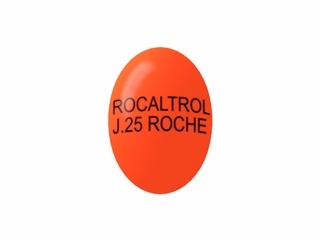


Rocaltrol (Calcitriol) — Patient Information (Australia)
Rocaltrol contains calcitriol, the active form of vitamin D. It is used to help control calcium and phosphate levels in the body, particularly in people whose kidneys cannot adequately convert vitamin D into its active form. This information is designed to be patient-friendly and practical for everyday use in Australia.
| Product | Rocaltrol (Calcitriol) |
|---|---|
| Active ingredient | Calcitriol |
| What it does | Helps regulate calcium and phosphate balance |
| Common reasons for use | Conditions involving low active vitamin D or disturbed calcium/phosphate control |
| How it’s taken | Usually once daily by mouth, depending on the condition and your blood tests |
| Key monitoring | Calcium (and sometimes phosphate and kidney function) |
Basic product information
Rocaltrol is a vitamin D medicine. Unlike “ordinary” vitamin D (such as cholecalciferol), calcitriol is already in its active form. That means it can work directly when the body’s ability to activate vitamin D is reduced or when active vitamin D is specifically required.
In Australia, Rocaltrol is used under healthcare supervision and requires appropriate monitoring, because the medicine can raise blood calcium levels if the dose is too high.
How calcitriol works (mechanism of action)
Calcitriol supports several processes that maintain healthy bones and normal nerve and muscle function:
- Increases calcium absorption: It helps the intestines absorb more calcium from food.
- Affects phosphate balance: It helps regulate phosphate levels in the blood, working together with calcium.
- Supports bone mineralisation: By helping maintain adequate calcium and phosphate, it supports normal bone structure.
- May help normalise parathyroid function: In some conditions, calcitriol helps reduce elevated parathyroid hormone (PTH) effects.
The result is improved control of calcium/phosphate balance—especially when vitamin D activation is impaired or when specific vitamin D–related disorders occur.
Pharmacokinetics (how the medicine behaves in the body)
“Pharmacokinetics” describes what the body does to a medicine—how it is absorbed, distributed, metabolised, and eliminated. For calcitriol, the key practical points are:
- Onset and effect: Calcitriol acts relatively quickly compared with inactive vitamin D forms because it is already active.
- Absorption: When taken by mouth, calcitriol is absorbed through the gastrointestinal tract. Absorption can be influenced by gut health and bile-related fat absorption.
- Distribution: It circulates in the bloodstream and is delivered to target tissues, including bone and intestine.
- Metabolism: It is metabolised mainly in the liver and other tissues into inactive forms.
- Excretion: Metabolites are eliminated via the body’s normal clearance pathways.
In everyday care, the most important aspect is not just the “time to peak effect,” but the need for ongoing blood tests to prevent excess calcium.
Typical use and timing
Rocaltrol is commonly used in conditions such as chronic kidney disease with vitamin D activation problems, disorders with hypocalcaemia, and certain bone or calcium-phosphate disorders where calcitriol is needed.
When to take it
Many people take calcitriol once daily. Some require a different schedule depending on laboratory results. Your prescriber will specify your dose and timing.
- Take it consistently at the same time each day to help maintain steady effect.
- Missed dose: If you miss a dose, take it when you remember unless it is close to the next dose. Do not double up to make up for a missed dose—check with your healthcare professional if unsure.
Can you take it with or without food?
Rocaltrol can usually be taken with or without food. The important thing is to use it reliably as directed. If you find taking it with a meal helps you remember, that is generally fine unless your clinician has advised otherwise.
Food interactions
Food does not usually “block” calcitriol the way some medicines interact, but nutrition can influence calcium levels. The key dietary considerations are:
- Calcium intake: High calcium intake (e.g., from supplements or high-dose calcium products) may increase the risk of high blood calcium.
- Vitamin D from food or supplements: Additional vitamin D supplements may affect overall vitamin D activity. Your healthcare professional may adjust your plan to avoid excessive dosing.
- Fat absorption issues: If you have conditions that reduce fat absorption (for example, certain digestive disorders), absorption of vitamin D–related medicines may be affected. Seek advice if you have gut-related concerns.
If you are using calcium supplements, phosphate binders, or other bone/mineral products, tell your pharmacist or doctor so your regimen can be coordinated safely.
Alcohol and medicine interactions
Alcohol doesn’t have a single guaranteed “direct” interaction with calcitriol in most cases, but it can affect overall health and medication safety. Important considerations include:
- General safety: Heavy alcohol intake can affect the liver and nutrition, which may influence vitamin D and mineral balance.
- Dehydration risk: If alcohol leads to dehydration, it may worsen symptoms that can overlap with high calcium (such as weakness or confusion).
- Medication routines: Alcohol can make it harder to take doses consistently and can lead to missed doses or accidental double dosing.
The more critical interaction issue for calcitriol is usually other medicines that affect calcium, phosphate, or vitamin D activity.
Other medicine interactions (important)
Tell your healthcare professional about all medicines you take, including over-the-counter products and supplements. Some interactions that may matter include:
- Calcium supplements and high-calcium products: Combining with calcitriol can increase the risk of hypercalcaemia.
- Other vitamin D products: Additional vitamin D (such as cholecalciferol or ergocalciferol) may increase total vitamin D effect.
- Thiazide diuretics: Some diuretics can reduce urinary calcium excretion, potentially increasing calcium levels.
- Medicines that affect phosphate: Phosphate binders or related treatments may change the overall mineral balance.
- Digitalis (digoxin) and similar medicines: Changes in calcium can affect heart rhythm and sensitivity to these medicines.
- Magnesium-containing products: In certain patients, abnormal magnesium balance may affect calcium regulation.
This list isn’t exhaustive. Your pharmacist can check your specific medicines for possible interactions.
Indications (what conditions it is used for)
Indications can vary based on local clinical guidelines and the specific patient situation. In general, calcitriol is used for conditions involving:
- Chronic kidney disease with vitamin D activation problems (often associated with low active vitamin D, secondary hyperparathyroidism, and bone/mineral disease).
- Hypocalcaemia or calcium/phosphate disturbances where calcitriol is appropriate.
- Disorders of vitamin D metabolism or specific hypoparathyroidism-related calcium control (as advised by a clinician).
- Rickets/osteomalacia related to vitamin D deficiency or defective vitamin D activation, when calcitriol is selected by the treating team.
Your doctor will determine whether Rocaltrol is suitable based on your blood tests (especially calcium) and your underlying diagnosis.
Dosing information (general guidance)
Dosing should be individualised. Calcitriol has a narrow margin between effective and excessive calcium levels in some people. Your dose is typically based on blood calcium results and how you respond.
Many patients start with a low dose and adjustments are made gradually after monitoring. In some cases, dosing may be daily or adjusted in frequency depending on test results.
Common dosing principles
- Start low: Especially in patients at higher risk of hypercalcaemia.
- Monitor regularly: Calcium is often checked after starting or changing dose.
- Adjust as needed: If calcium rises, the dose may be reduced or temporarily stopped; if calcium is low, it may be increased.
If you take other calcium-related medicines
Dosing may be coordinated with calcium supplements, phosphate binders, or other treatments for mineral balance. Do not change these products without advice.
Safety profile and when to seek help
Like other vitamin D medicines, Rocaltrol can cause high calcium levels (hypercalcaemia). This can be dangerous if not detected early. Symptoms can range from mild to severe.
Possible side effects
Not everyone experiences side effects. However, you should watch for symptoms that may suggest high calcium or other issues.
- Early symptoms of high calcium: nausea, constipation, increased thirst, frequent urination, abdominal pain
- Neurological symptoms: unusual fatigue, weakness, confusion, drowsiness
- General symptoms: loss of appetite, metallic taste
- Heart rhythm concerns: palpitations or abnormal heartbeat (especially if you take digoxin)
Urgent medical advice
Seek urgent help immediately if you develop severe symptoms such as marked confusion, persistent vomiting, severe dehydration, fainting, or significant heart rhythm problems.
Who needs extra caution?
- People with a history of hypercalcaemia or kidney stones
- People with chronic kidney disease
- People taking multiple medicines that can affect calcium (or vitamin D) levels
- Older adults or those with difficulties managing complex medication routines
Practical use tips (how to take it safely)
- Keep track of your blood tests: Ask your healthcare professional when your next calcium check is due.
- Use a medication organiser: A daily pill box can reduce missed/extra doses.
- Don’t “double up” after a missed dose: Follow the “missed dose” guidance from your clinician or pharmacist.
- Be consistent with supplements: If you take calcium or vitamin D supplements, don’t start, stop, or change the dose without checking.
- Stay hydrated: Adequate fluid intake supports overall kidney health (unless you have fluid restrictions).
- Tell your pharmacist: Include all over-the-counter products (including antacids, calcium tablets, and multivitamins).
Alternative options (what else may be used)
Alternatives depend on the reason calcitriol is needed. In general, clinicians may consider:
- Inactive vitamin D forms (such as cholecalciferol/ergocalciferol) in patients who can still activate vitamin D normally.
- Other active vitamin D analogues (depending on availability and clinical preference).
- Non–vitamin D strategies for mineral balance, such as phosphate binders, dietary adjustments, and management of underlying kidney disease or parathyroid disorders.
Only your healthcare professional can decide which alternative (if any) is appropriate for your diagnosis and blood results.
Market and legal context in Australia (high-level)
In Australia, vitamin D medicines like calcitriol are regulated through the Therapeutic Goods framework. Medicines must be supplied in accordance with Australian law and the relevant classification system. Your pharmacist and prescriber can guide you on the safest way to obtain and use Rocaltrol.
Monitoring and patient safety are especially important for calcitriol due to the risk of hypercalcaemia. Guidance may be updated over time as new evidence and monitoring recommendations are released by professional bodies and regulators.
Recent guidance and monitoring expectations
While specific recommendations can vary by condition and patient profile, current clinical practice commonly emphasises:
- Regular blood tests for calcium (and related parameters as advised)
- Dose individualisation rather than “one-size-fits-all” dosing
- Review of interacting medicines, particularly those affecting calcium balance
- Patient education about symptoms of high calcium and safe supplement use
Your healthcare team may adjust how often you are tested based on your stability and underlying condition.
Delivery and availability
At an online pharmacy, availability can vary by product strength and packaging. When ordering Rocaltrol in Australia, you may be able to choose delivery options depending on your location.
- In-stock items may dispatch quickly.
- Out-of-stock items may require additional time for supply or an alternative strength might be offered (subject to availability and clinician/pharmacist advice).
- Packaging: Keep the medicine in its original packaging unless your pharmacist advises otherwise.
For the most accurate delivery timeframes, check the order details during checkout or contact customer support.
Storage
- Store at room temperature as directed on the package.
- Keep out of reach of children.
- Do not use after the expiry date printed on the label.
- Return unused or expired medicine to a pharmacy for proper disposal if local take-back options are available.
Frequently Asked Questions (FAQ)
1) What is Rocaltrol used for?
Rocaltrol (calcitriol) is used to help manage calcium and phosphate balance in conditions where active vitamin D is needed. It’s commonly used in certain cases of chronic kidney disease and other disorders involving hypocalcaemia or vitamin D-related mineral imbalance.
2) How fast does Rocaltrol work?
Because calcitriol is the active form of vitamin D, effects may occur sooner than with inactive vitamin D supplements. However, changes in blood calcium and phosphate are monitored over time, and the safest adjustment strategy is based on your blood tests.
3) Should I take it with food?
Usually, calcitriol can be taken with or without food. If you find it easier on your stomach with a meal, you can typically take it that way. Always follow the instructions provided by your pharmacist or healthcare professional.
4) Can I take calcium supplements while using Rocaltrol?
Sometimes calcium supplements are used alongside calcitriol, but the combination can increase the risk of high blood calcium. Do not start or change calcium supplements without medical or pharmacist advice.
5) What should I avoid?
Avoid making unplanned changes to vitamin D or calcium supplements, and be cautious with medicines that may affect calcium levels (for example, certain diuretics). If you are unsure about any product, ask your pharmacist before using it.
6) What symptoms suggest my calcium may be too high?
Common warning symptoms include nausea, constipation, increased thirst and urination, weakness, tiredness, confusion, or abdominal discomfort. Contact a healthcare professional promptly if you notice these symptoms, especially soon after a dose change.
7) Is alcohol safe?
Moderate alcohol is not usually a direct interaction, but alcohol can affect hydration, nutrition, and medication consistency. If you drink alcohol, do so carefully and avoid binge drinking. If you have kidney disease or other conditions, ask your clinician for personalised advice.
8) What happens if I miss a dose?
Take it when you remember if it is not close to the next dose. If it is close, skip the missed dose and continue your normal schedule. Do not double up. If you’re unsure, ask your pharmacist.
9) Are there alternatives to Rocaltrol?
Alternatives may include inactive vitamin D forms, active vitamin D analogues, or other approaches to managing bone/mineral disease. The best option depends on your diagnosis and blood test results.
10) How often will I need blood tests?
The frequency varies. After starting or adjusting calcitriol, tests may be more frequent to ensure calcium stays within a safe range. Your prescriber or clinic will set the schedule based on your results and overall health.
Conclusion
Rocaltrol (calcitriol) is an active vitamin D medicine used to help correct calcium and phosphate imbalances. It plays an important role in supporting bone health and normal body functions, especially for people who cannot properly activate vitamin D. Because calcitriol can raise blood calcium, careful dosing and regular monitoring are essential.
If you have questions about your dose, blood test schedule, or interactions with other medicines or supplements, your pharmacist is a helpful starting point for safe, practical guidance.