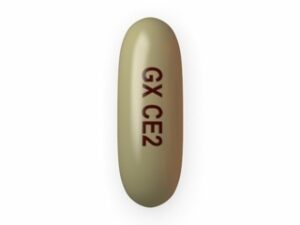

Propecia (Finasteride) — Patient Information (Australia)
Propecia contains finasteride, a medicine used to treat specific androgen-related conditions. This guide explains how Propecia works, how it’s typically taken, important safety information, and practical tips for use. It also covers relevant considerations for people in Australia regarding availability and current clinical guidance.
Note: This information is designed to help you understand your medicine. For personal advice, consult a healthcare professional.
1) Basic product information
- Brand name: Propecia
- Active ingredient: Finasteride
- Common strength: 1 mg tablets (used for hair loss and some prostate-related contexts, depending on local prescribing practices)
- Medicine class: 5-alpha-reductase inhibitor
- How it works: Lowers conversion of testosterone to dihydrotestosterone (DHT)
What it’s used for: Most commonly for male pattern hair loss. In some settings, finasteride may also be used for other androgen-related conditions, depending on dose and clinical assessment.
2) How Propecia works (mechanism of action)
Finasteride blocks the enzyme 5-alpha-reductase, which normally converts testosterone into dihydrotestosterone (DHT). DHT is a more potent androgen that contributes to:
- Male pattern hair loss (androgenetic alopecia): DHT contributes to follicle miniaturisation, leading to thinner hair and reduced growth.
- Enlarged prostate (benign prostatic hyperplasia, BPH): DHT contributes to prostate tissue growth (this is more commonly addressed with different dosing strategies depending on the condition).
By reducing DHT levels, finasteride can help slow or reverse aspects of androgen-driven tissue changes.
3) Pharmacokinetics (how the body handles finasteride)
Understanding how a medicine is absorbed, processed, and eliminated can help you take it correctly.
- Absorption: Finasteride is absorbed after oral administration.
- Distribution: It distributes through the body, including tissues affected by androgen activity.
- Metabolism: Finasteride is metabolised mainly in the liver.
- Elimination: It is cleared from the body primarily through metabolism.
- Half-life: Finasteride has a relatively long terminal half-life, supporting once-daily dosing for many indications.
Practical meaning: Taking Propecia regularly is important because DHT reduction builds over time. Visible outcomes (especially for hair) typically take weeks to months.
4) Typical use and timing
When and how to take it
Propecia is typically taken as a once-daily tablet. Choose a time you can remember every day.
- Best time: Any time of day; consistency matters more than the exact time.
- With or without food: It can generally be taken either way (see food interactions below).
- What to expect: Hair-related benefits, if they occur, usually appear after several months of continuous use.
How soon can effects be felt?
- DHT reduction: DHT levels typically decrease within days of starting treatment.
- Hair outcomes: Many people notice change only after 3–6 months; for others, assessment may take 6–12 months.
- Stopping treatment: If Propecia is discontinued, the underlying androgen effect can return and benefits may gradually diminish over time.
5) Indications (what Propecia is used for)
Propecia is indicated for:
- Male pattern hair loss (androgenetic alopecia) in men, to help reduce hair loss and support regrowth/thickening in appropriate candidates.
Important: Finasteride products come in different strengths and are sometimes used for different conditions. Your clinician determines the most appropriate medicine and dose for your situation.
6) Dosing (usual adult regimen)
Typical dose: Propecia is commonly taken at 1 mg once daily for male pattern hair loss in adult men.
- Do not increase the dose: Taking more does not generally improve results and may increase side effects.
- Missed dose: If you miss a dose, take it when you remember on the same day. If it’s close to your next dose, skip the missed dose—do not double.
- Duration: If you and your healthcare professional decide it’s appropriate, use is typically ongoing to maintain benefit.
Special populations: Finasteride use in certain populations may be limited or contraindicated. For example, women of childbearing potential should not handle crushed or broken tablets. People with liver impairment should discuss suitability with a clinician.
7) Food interactions and what to expect
Food: Propecia can generally be taken with or without food. No major dietary interaction is commonly expected.
- If you experience mild stomach upset, consider taking the tablet with a meal.
- For consistent absorption and adherence, choose a routine time that fits your day.
Alcohol and hydration: There is no direct “food-food” interaction, but lifestyle factors like alcohol intake may influence general health and medication tolerability (see alcohol interactions below).
8) Alcohol and medicine interactions
Alcohol
Moderate alcohol intake is not typically associated with a direct interaction that would require stopping Propecia. However, alcohol may contribute to:
- Sleep disruption, fatigue, mood changes (which can affect perceived wellbeing while on any long-term therapy)
- Possible aggravation of sexual side effects in some individuals
Practical approach: If you choose to drink, consider moderation and monitor how you feel. If you notice worsening symptoms after increasing alcohol, speak with a healthcare professional.
Other medicines (drug interactions)
Finasteride is metabolised in the liver. Some medicines can influence drug-metabolising enzymes and transport proteins, potentially affecting drug levels. In practice, clinically significant interactions for finasteride are not commonly expected, but review your full medication list with a clinician or pharmacist—especially if you take:
- Medicines that affect liver enzyme activity
- Hormonal therapies
- Other medicines related to hair loss, androgen effects, or sexual health
What you should do:
- Provide a complete list of medicines, including over-the-counter products and supplements.
- Ask about interactions if you start a new medicine while taking Propecia.
9) Safety profile and side effects
Most people tolerate Propecia well. However, finasteride can cause side effects in some individuals. If you experience troublesome or persistent symptoms, seek medical advice.
Common side effects
- Sexual function changes (for example, reduced libido)
- Erectile dysfunction
- Changes in ejaculate (such as reduced volume)
- Breast tenderness or enlargement (rare but important)
Less common / serious warnings
- Allergic reactions: swelling of face/lips, rash, breathing difficulty (seek urgent help).
- Depressed mood: report any significant changes in mood or mental wellbeing.
- Breast lumps or discharge: these should be assessed promptly.
- Prostate markers: finasteride can affect PSA levels in certain contexts (relevant for men undergoing prostate monitoring). If you have prostate testing, inform your clinician.
Pregnancy-related safety (very important)
Women who are pregnant or might be pregnant should avoid handling crushed or broken Propecia tablets due to the risk of exposure to finasteride, which can be harmful to a developing male foetus.
- Keep tablets in the blister pack until use.
- Do not handle if a tablet is damaged.
- Keep out of reach of children and unintended users.
When to seek help
- Signs of allergy: swelling, rash, severe itching, breathing difficulty
- Breast changes: new lump, persistent tenderness, nipple discharge
- Severe mood changes or persistent distress
- Any other symptom that concerns you
10) Practical use tips (getting the best results safely)
- Be consistent: Take your tablet at the same time each day to maintain steady DHT suppression.
- Track progress: Consider taking monthly photos under similar lighting to help objectively assess hair changes.
- Give it time: Hair changes often take months. Don’t judge effectiveness after only a few weeks.
- Don’t share: Only use if it has been recommended for you.
- Manage expectations: Propecia may help slow loss and improve density in some men, but results vary.
- Report side effects early: If you experience sexual side effects or breast tenderness, contact a healthcare professional promptly.
- Consider combined therapy: Many hair loss plans may combine finasteride with topical treatments; discuss options with a clinician for your specific case.
11) Alternative options for male pattern hair loss
Depending on your goals, health profile, and severity of hair loss, alternatives may include:
Other medicines
- Minoxidil: Topical treatment that can stimulate hair growth in some people.
- Other androgen-related therapies: Some treatments target hormonal pathways in different ways; suitability varies.
Non-medicine options
- Hair transplant surgery: Can be considered for appropriate candidates.
- Low-level laser therapy (LLLT): Some individuals use this as an adjunct.
- Scalp care and gentle grooming: Helps maintain scalp health.
Lifestyle and supportive measures
- Address contributing factors such as nutritional deficiencies if relevant (via clinician guidance).
- Reduce smoking and manage stress, which may indirectly affect hair health.
Tip: Ask whether combining therapies could improve outcomes for you, and what monitoring is needed.
12) Propecia in Australia: market and legal context
In Australia, availability and prescribing requirements for medicines can vary by product type, strength, and indication. Finasteride-containing medicines such as Propecia are commonly accessed through regulated healthcare pathways. Online pharmacy services typically require user verification and may involve clinical review depending on local requirements.
Regulation and consumer safety:
- Medicines sold in Australia must comply with Australian regulatory requirements, including therapeutic goods compliance.
- Only obtain medicines from reputable, licensed providers to reduce the risk of counterfeit products.
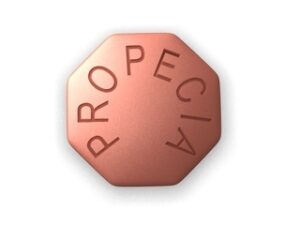
- Always check tablet appearance and packaging if you are concerned; if something looks unusual, don’t use it and contact the supplier.
Recent guidance (general clinical approach)
Clinical practice internationally—and within many Australian healthcare settings—generally supports:
- Using finasteride for male pattern hair loss in appropriate male candidates
- Discussing potential side effects, especially sexual and mood-related effects
- Reviewing progress after several months
- Maintaining contraception and pregnancy-safety precautions for those who can become pregnant in the household
Guidelines and prescribing policies may evolve as new evidence emerges. If you’re considering treatment, ask your clinician or pharmacist about the most current recommendations.
13) Delivery and availability
When buying Propecia online in Australia, availability depends on stock, pharmacy operations, and fulfilment timeframes. Reputable Australian online pharmacies typically provide:
- Clear product details (strength, dosage form, expiry information)
- Secure delivery to Australian addresses
- Tracking where available
- Customer support for delivery queries and medication questions
Delivery tips:
- Ensure your delivery address is correct.
- Store tablets at room temperature and follow label instructions.
- Check the packaging and expiry date on arrival.
14) How to store and handle Propecia
- Keep in its original packaging until use.
- Store in a cool, dry place away from direct sunlight.
- Keep out of reach of children.
- Do not use after the expiry date.
Handling precautions: Do not crush or break tablets. If a tablet is accidentally broken, avoid direct contact and keep it away from pregnant individuals.
15) Frequently asked questions (FAQ)
Is Propecia the same as finasteride?
Yes. Propecia is a brand name that contains the active ingredient finasteride. Different brands may contain the same medicine.
Who can use Propecia?
Propecia is generally used by adult men for male pattern hair loss. Use by other groups may be restricted due to safety considerations, particularly pregnancy-related risks. Your pharmacist or clinician can confirm suitability for your circumstances.
How long does it take to work?
DHT levels can decrease quickly, but visible hair benefits—if they occur—commonly take 3 to 6 months, with longer time frames for full assessment.
Can I stop Propecia if I don’t see results?
It’s best to discuss stopping with a healthcare professional. If you stop, the underlying androgen effects may return and hair improvements may fade gradually.
Will Propecia cure hair loss?
It typically helps manage male pattern hair loss rather than “cure” it. Long-term treatment may be needed to maintain benefit.
Does Propecia affect PSA tests?
Finasteride can affect PSA levels in some contexts. If you undergo prostate monitoring, tell your clinician that you take finasteride so results can be interpreted correctly.
Can I take Propecia with food?
Yes. Propecia can usually be taken with or without food.
Are there any alcohol interactions?
There is no common direct interaction requiring avoidance, but moderation is sensible. If alcohol seems to worsen how you feel or sexual side effects, discuss it with a healthcare professional.
What medicines should I avoid?
Most people don’t have major interaction problems, but you should still tell your pharmacist about all medicines and supplements you take—especially hormonal treatments or medicines that affect liver enzymes.
What side effects should make me stop and seek help?
Seek medical advice urgently if you notice signs of allergy, significant breast changes (tenderness/enlargement/lumps), severe mood changes, or any symptoms that worry you. Don’t ignore persistent or worsening side effects.
Is Propecia safe to use long term?
Long-term use is sometimes considered for appropriate candidates, with periodic review of benefits and side effects by a clinician. Individual risk factors and tolerance vary.
Can women take Propecia?
Finasteride products are not intended for women due to potential risks, especially pregnancy-related exposure. If a woman is pregnant or could become pregnant, handling precautions are critical. If you have questions, speak with a healthcare professional.
Summary
Propecia (finasteride) reduces DHT by blocking 5-alpha-reductase. For men with male pattern hair loss, consistent daily use can help slow hair loss and support regrowth in some individuals, with results typically assessed over several months. Like all medicines, it has potential side effects—particularly sexual side effects and breast-related symptoms—and requires attention to safety precautions, especially regarding tablet handling around pregnancy.
If you’re considering Propecia, speak with a healthcare professional or pharmacist to confirm suitability, discuss risks and expected timelines, and choose the best overall hair loss plan for you.