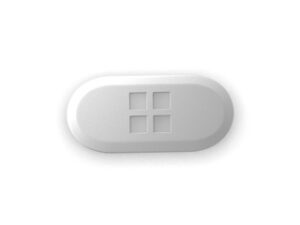
Aristocort (Triamcinolone) – Patient Guide (Australia)
Aristocort contains triamcinolone, a corticosteroid (often called a “steroid” medicine) used to reduce inflammation and calm an overactive immune response. This guide explains what Aristocort is, how it works, typical uses, how it’s taken, key safety information, and practical tips to help you use it confidently.
This information is designed to be patient-friendly and general. Your prescriber or pharmacist may tailor advice to your situation, including dose and duration.
Quick product information
| Feature | Details |
|---|---|
| Medicine | Aristocort |
| Active ingredient | Triamcinolone |
| Class | Glucocorticoid (corticosteroid) |
| Common reasons for use | Inflammatory and immune-related conditions (varies by formulation and route) |
| Typical effects | Reduces inflammation, swelling, itching, and immune-driven symptoms |
| Formulations | Available forms may vary by market and product range (e.g., oral/injection/topical depending on brand/strength) |
Note: Aristocort is a name used for different triamcinolone-containing products. The exact strength, formulation and instructions (such as frequency or route) depend on the specific product you purchase. Always follow the directions on your package and the advice provided with your medicine.
How Aristocort works (mechanism of action)
Triamcinolone is a glucocorticoid. It helps control inflammation by affecting how your immune system releases chemicals that cause swelling, redness, pain, and tissue irritation.
In practical terms, triamcinolone:
- Reduces inflammatory signalling that drives symptoms like redness, warmth, swelling and pain.
- Modulates immune activity, which can help when symptoms are caused or worsened by an overactive immune response.
- Decreases immune cell migration and mediators involved in inflammatory responses.
Because corticosteroids act on the inflammatory cascade, they can provide strong relief for many steroid-responsive conditions. However, they do not cure the underlying cause in every case, and long-term use can bring risks.
Pharmacokinetics – what the body does with triamcinolone
“Pharmacokinetics” describes how the medicine is absorbed, distributed, metabolised and eliminated. These details can vary depending on the route of administration (for example, oral versus injected versus topical).
In general, triamcinolone:
- Is metabolised primarily in the liver.
- Is eliminated from the body via renal (kidney) pathways and through metabolic processes.
- Produces effects that may last longer than the immediate presence of drug in the bloodstream, because steroids act on gene expression and inflammatory pathways.
If you’re using an injectable or long-acting formulation, the onset and duration can be different from a tablet or a topical cream/ointment. Always refer to the specific product instructions provided with your medicine.
Typical use – what Aristocort is commonly prescribed for
Aristocort (triamcinolone) is used for a range of inflammatory and immune-mediated conditions. The exact indications depend on:
- the specific formulation and strength
- the route of administration
- your medical history and severity of illness
Common examples of steroid-responsive conditions may include:
- Allergic and inflammatory skin conditions (depending on topical/route)
- Inflammatory eye conditions (under specialist guidance)
- Rheumatologic/inflammatory joint conditions (often via targeted injection in some cases)
- Respiratory inflammation (selected cases; overall steroid plan depends on diagnosis)
- Severe allergic reactions or inflammatory flares (where appropriate)
Steroids are often selected when symptoms are significantly driven by inflammation. They can be life-changing for many people, but they also require careful monitoring and appropriate duration.
How to take Aristocort – timing and consistency
Your dose and timing depend on the formulation (and sometimes your condition). If you have been advised to take tablets or another oral form, the schedule is usually designed to reduce side effects.
General timing guidance (oral corticosteroid principles)
- Many prescribers recommend taking steroids in the morning (or with food if advised) to better match the body’s natural cortisol rhythm.
- Try to take it at the same time each day if it’s prescribed daily.
- Do not stop suddenly if you’ve been taking it for more than a short course, unless instructed by your healthcare professional. Stopping abruptly can be unsafe.
If you’re using a topical product
- Apply to the affected area only and use the amount directed.
- Avoid covering with airtight dressings unless instructed.
- Wash hands before and after use unless treating the hands.
For injections, timing and interval are determined by the clinician and product type. Always use healthcare professional instructions for those forms.
Food interactions and what to eat
Oral corticosteroids can irritate the stomach in some people. Food may help reduce stomach discomfort.
- If you experience heartburn, nausea or stomach pain, ask your pharmacist whether taking it with food is appropriate for your specific product.
- When possible, maintain a balanced diet and adequate hydration.
- Corticosteroids can affect appetite and blood sugar. If you have diabetes or pre-diabetes, monitor glucose closely and discuss adjustments promptly.
There are no universal “must avoid” foods for triamcinolone, but your prescriber may advise tailored nutrition strategies—especially for longer courses or higher doses.
Alcohol interactions
Alcohol does not have a single, universally predictable “direct” interaction with triamcinolone, but combining alcohol with steroid therapy may increase certain risks.
- Stomach irritation: Alcohol can increase the risk of gastritis or reflux, which may be worsened by steroids.
- Immune effects: Both alcohol use and steroid therapy can affect immune function in different ways. Heavy or frequent alcohol use may increase infection risk.
- Sleep and mood: Steroids can affect sleep and mood; alcohol may further worsen sleep quality.
If you drink alcohol, consider keeping it moderate and discuss safe limits with your healthcare provider, particularly if you have ulcer disease, liver issues, infections, or are on prolonged therapy.
Medicine interactions – important considerations
Triamcinolone may interact with other medicines, potentially changing effectiveness or increasing side effects. Always tell your pharmacist and prescriber about:
- prescription medicines
- over-the-counter products (including cold/flu medicines)
- herbal supplements and vitamins
- vaccines you plan to receive
Common interaction themes
- Blood sugar: Steroids can raise glucose. Medicines for diabetes may need review.
- Infection risk: Steroids can reduce immune response. Immunosuppressive medicines used together may increase risk.
- Stomach protection: When steroids are used with NSAIDs (anti-inflammatory pain medicines like ibuprofen/naproxen), the combined effect may raise gastrointestinal risk for some people.
- Anticoagulants: Warfarin and related medicines may be affected—monitoring may be necessary.
Your pharmacist can check for specific interactions based on your exact product, dose and other medicines.
Indications – when Aristocort may be used
In Australia, triamcinolone products are used under clinical guidance for steroid-responsive conditions. The “indication” means the condition it’s meant to treat.
Depending on the formulation and whether it is used orally, topically, or by injection, indications may include:
- Inflammatory disorders (including severe flares)
- Allergic reactions with significant inflammation
- Autoimmune and immune-mediated conditions (as part of a broader treatment plan)
- Symptom control while longer-term treatments take effect
Steroid therapy is often chosen for its rapid anti-inflammatory effect. Whether Aristocort is appropriate depends on diagnosis, severity, and your risk factors.
Dosing – what you should know
Dosing varies widely with indication, severity, and formulation. Because Aristocort products can differ, the dose written on your label is the most important guide.
General dosing principles
- Use the lowest effective dose for the shortest possible time (a common corticosteroid safety principle).
- If long-term treatment is used, doses may be reduced gradually (“tapered”) to allow the body’s natural cortisol production to recover.
- Do not change dose or frequency without guidance.
Missed dose guidance (general)
- If you miss a dose and remember soon, take it as directed.
- If it’s close to the next dose, skip the missed dose and continue your normal schedule.
- If you’re unsure, ask your pharmacist for advice tailored to your regimen.
For topical products and injections, “missed dose” may be handled differently—follow the specific directions given for your product.
Safety profile – what to watch for
Like all medicines, triamcinolone can cause side effects. Some are more likely with higher doses, longer duration, or if you have specific health conditions (such as diabetes, infection risk, or stomach ulcers).
Common or expected side effects (may vary by route and dose)
- Increased appetite
- Indigestion or stomach discomfort
- Changes in sleep (insomnia)
- Mood changes (e.g., irritability)
- Temporary fluid retention
More serious side effects – seek urgent medical advice
Get medical help promptly if you develop:
- Signs of serious infection (fever, worsening sore throat, shortness of breath, severe weakness)
- Severe allergic reaction (swelling of face/lips, trouble breathing, widespread rash)
- Severe stomach pain, vomiting blood, or black/tarry stools
- Vision changes or severe eye pain (especially if eye conditions are being treated)
- Uncontrolled blood sugar symptoms (excess thirst, frequent urination, confusion)
- Signs of adrenal suppression during/after prolonged treatment (e.g., profound fatigue, dizziness, nausea), especially if stopping abruptly
Long-term risks (increased with higher dose and longer duration)
- Higher infection risk
- Weight gain and changes in body fat distribution
- Raised blood pressure in some people
- Bone thinning (osteoporosis)
- Cataracts or glaucoma (eye risks)
- Skin thinning and easy bruising (more relevant to long-term exposure)
- Suppression of the body’s natural steroid production
If you’re on prolonged therapy, your healthcare provider may recommend monitoring (for example blood pressure, glucose, eye checks, and bone health).
Practical use tips (patient-friendly)
- Follow the exact label instructions. Different triamcinolone products can have different strengths and schedules.
- Don’t stop suddenly. If you’ve been taking corticosteroids for more than a short period, stopping abruptly can be unsafe.
- Take in the morning if your prescriber advised daily dosing. This may reduce sleep disturbance and align with natural cortisol timing.
- Consider food if you get stomach irritation. If permitted for your product, take with food or as directed.
- Monitor for infection signs. If you feel unwell while taking steroids, contact a healthcare professional early.
- Keep track of side effects. Note changes in sleep, mood, appetite, or blood sugar (if relevant).
- Be careful with “live” vaccines. Steroids can affect vaccination safety depending on dose and duration—discuss with your healthcare provider.
Alternative options (discuss with your healthcare team)
Depending on the condition being treated, alternatives may include other corticosteroids, non-steroidal anti-inflammatory treatments, or immunomodulators. The best choice depends on diagnosis, severity, and your personal risk factors.
Possible alternative approaches (examples)
- Different steroid medicines: Another corticosteroid may be selected based on potency, duration, or route.
- Topical therapies: For localized inflammatory conditions, topical anti-inflammatory treatments may be preferred.
- Non-steroidal anti-inflammatory drugs (NSAIDs): Sometimes used for pain/inflammation (but not always appropriate, and may carry GI risks especially with steroids).
- Immunomodulators: For some chronic immune conditions, steroid-sparing medicines may be considered.
- Supportive care: For allergy or inflammation, antihistamines and other symptom-control measures may be used alongside or instead of steroids in some cases.
Your pharmacist can help compare options based on your exact condition and current medicines.
Aristocort and Australia – market/legal context
In Australia, medicines containing corticosteroids are regulated under the Australian regulatory framework. The ability to supply, the requirements for counselling, and the classification of specific triamcinolone products depend on the exact formulation (for example tablet vs topical vs injection) and the strength.
Key points relevant to Australian customers include:
- Regulatory oversight: Therapeutic Goods Administration (TGA) regulates the quality, safety and performance of medicines.
- Pharmacy supply rules: Certain products may require assessment by a pharmacist, and some strengths may be subject to prescription-only or restricted supply rules.
- Patient safety focus: Corticosteroids are potent medicines, so pharmacists often check for interactions, appropriate indications, and safe use.
Always ensure you purchase an Australian-approved product from a legitimate pharmacy to reduce the risk of counterfeit or incorrect products.
Recent guidance and important monitoring
Clinical guidance for corticosteroid use in Australia and internationally consistently emphasises:
- Using the lowest effective dose for the shortest time that achieves control.
- Careful monitoring for infections and metabolic effects (such as blood glucose changes).
- Preventing steroid complications in longer courses (for example bone health, eye monitoring, and cardiovascular risk management when relevant).
- Avoiding abrupt stopping after prolonged use due to adrenal suppression risk.
If you’re taking Aristocort as part of a longer plan, ask your pharmacist or clinician what monitoring you should expect and how long you may need treatment.
Delivery and availability (online pharmacy)
Availability of Aristocort products can vary depending on stock levels and the specific triamcinolone formulation (strength and route). Reputable Australian pharmacies may offer online ordering with home delivery where allowed by law and logistics.
What to expect when ordering online
- Product verification: You should receive the exact product and strength displayed at checkout.
- Pharmacist checks: The pharmacy may conduct medication safety checks and provide counselling.
- Packaging: Medicines should be supplied in compliant packaging with clear labelling and expiry information.
- Delivery timelines: Vary by region and courier service; check the pharmacy’s delivery information at checkout.
If you need urgent treatment, contact the pharmacy directly to confirm stock and delivery options.
FAQ – common questions about Aristocort (Triamcinolone)
1) What is Aristocort used for?
Aristocort is a triamcinolone corticosteroid used to treat conditions where inflammation or immune activity contributes to symptoms. The exact indication depends on the formulation and your diagnosis.
2) How quickly does it work?
Some people notice symptom improvement within hours to a few days, while others may take longer depending on the condition and formulation (oral versus injected versus topical). If you do not feel any improvement within the expected timeframe, contact your healthcare provider.
3) Can I stop Aristocort suddenly?
Do not stop abruptly if you have been taking corticosteroids for longer than a short course. Your body may reduce natural cortisol production, and stopping suddenly can be unsafe. Always follow a taper plan if one is recommended.
4) Does Aristocort make you gain weight?
It can increase appetite and, depending on dose and duration, may contribute to weight gain. Fluid retention can also occur. Lifestyle measures and monitoring can help, and your clinician can guide dose adjustments.
5) Is Aristocort safe for people with diabetes?
Corticosteroids can raise blood glucose. People with diabetes should monitor glucose more closely and discuss medication adjustments promptly. Never change diabetes medicine without professional advice.
6) What infections should I watch for?
Contact a healthcare professional if you develop fever, chills, worsening sore throat, persistent cough, shortness of breath, painful urination, or widespread skin infections. Steroids can mask symptoms, so “not feeling right” matters.
7) Can I take it with food?
Many people find taking oral steroids with food helps reduce stomach discomfort. Follow your product instructions and ask your pharmacist if you’re unsure.
8) Can I drink alcohol while using Aristocort?
Moderate alcohol use may be possible for some people, but it can increase risks such as stomach irritation and sleep disruption. If you have ulcer disease, liver problems, infections, or are on higher doses, it’s especially important to discuss with your healthcare provider.
9) Are there drug interactions I should know about?
Yes. Potential interactions include medicines affecting blood sugar, anticoagulants, NSAIDs (increasing gastrointestinal risk for some people), and other immunosuppressive medicines. Provide your full medication list to your pharmacist for a tailored check.
10) What are some “safer” alternatives if I want to avoid steroids?
Alternatives depend on your condition. Options may include non-steroidal anti-inflammatory treatments, topical therapies for local disease, or steroid-sparing immune treatments for some chronic conditions. Discuss risks and benefits with your healthcare team.
When to seek medical help
Seek urgent advice if you experience signs of a serious allergic reaction, severe infection, black/tarry stools or vomiting blood, sudden vision changes, chest pain, or severe shortness of breath. For milder but persistent side effects (sleep disturbance, mood changes, persistent indigestion), contact your pharmacist or doctor for guidance.
If you’re unsure whether Aristocort is suitable for you, or you have questions about dosing, interactions, or side effects, a pharmacist can help you find the safest way to use your medicine.