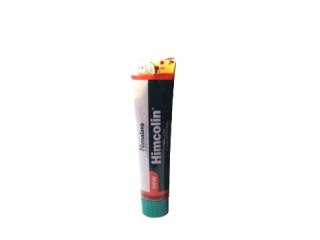
Himcolin (Howcolin / Himcolin) — Patient-Friendly Guide for Australia
Himcolin is an oral medicine used in the management of certain infections and related conditions. This page explains what Himcolin is, how it works, how it’s taken, and what to consider for safety and everyday use—tailored for customers in Australia.
Note: Brand names and formulations can vary by supplier and may include different strengths. Always check the product pack or the pharmacy label for the exact strength and ingredients, and follow the directions provided by your healthcare professional or pharmacist.
Basic product information
| Item | What to know |
|---|---|
| Medicine name | Himcolin |
| Type | Oral medicine (tablet/capsule/suspension format depends on the product) |
| Common uses | Used for treatment of susceptible infections as determined by a clinician |
| Active ingredient | Check your pack for the active ingredient(s) and strength |
| Availability | Availability depends on local pharmacy supply and regulatory status |
Important: If you are unsure whether Himcolin is suitable for your condition, ask a pharmacist before starting. Different infections require different antibiotic/antimicrobial choices.
How Himcolin works (mechanism of action)
Himcolin works by targeting the growth and survival of specific disease-causing microorganisms (such as bacteria) that are sensitive to its active ingredient(s).
While the exact mechanism depends on the active ingredient, antimicrobial medicines typically work by one (or more) of the following:
- Interfering with the microorganism’s ability to build essential structures (e.g., cell wall formation).
- Disrupting key biochemical processes required for survival and replication.
- Reducing the ability of organisms to multiply so your immune system can clear the infection.
Why this matters: Taking Himcolin exactly as advised helps ensure the concentration in your body stays high enough for long enough to work effectively.
Pharmacokinetics (how your body handles Himcolin)
Pharmacokinetics describes how the medicine is absorbed, distributed, metabolised, and eliminated. While exact values depend on the formulation and active ingredient(s), the general pattern for oral antimicrobial medicines is:
- Absorption: After you swallow it, the medicine enters your bloodstream through the gut.
- Distribution: The medicine travels through the body tissues and fluids to reach infection sites.
- Metabolism: The liver may partially process the medicine (depending on the active ingredient).
- Excretion: The kidneys and/or bile help remove the medicine and metabolites from the body.
Key practical takeaway: Because clearance occurs over time, dose timing helps maintain effective levels—so try not to miss doses.
Typical use and indications
Himcolin is generally used to treat infections caused by susceptible organisms. Indications can vary according to the active ingredient and local clinical guidance, but commonly may include:
- Respiratory tract infections (depending on the likely germ and antibiotic susceptibility)
- Skin and soft tissue infections
- Urinary tract infections (for appropriate cases)
- Other bacterial infections as assessed by a clinician
Good to know: Using antibiotics only when they are likely to help reduces side effects and helps slow antimicrobial resistance.
When to take Himcolin (timing guidance)
Follow the schedule on the pack or the directions given to you by a healthcare professional or pharmacist. In general, antibiotic-style medicines are taken at regular intervals.
Practical timing tips:
- Take at the same times each day to maintain steady medicine levels.
- If you take twice daily doses, aim for roughly 12 hours apart.
- If you take three times daily, aim for roughly 8 hours apart.
- If you forget a dose, follow the pack instructions or ask your pharmacist for advice. In many cases, you should not double up to make up for a missed dose.
Food interactions (with meals)
Whether Himcolin can be taken with food depends on its active ingredient(s). Many oral antimicrobials can be taken with or without food, but food can affect absorption for some medicines.
General guidance:
- If the pack says take with food, follow that advice—food may reduce stomach upset or improve absorption.
- If the pack says take on an empty stomach, you may be instructed to take it at least a certain time before or after meals.
- If you experience nausea or stomach discomfort, speak to a pharmacist. Do not change timing or dosing without checking compatibility with your specific formulation.
Tip: Keep a routine: pair your dose with a consistent meal or daily routine (e.g., breakfast and dinner) if the product is suitable to take that way.
Alcohol and medicine interactions
Alcohol may worsen side effects such as dizziness, drowsiness, nausea, stomach irritation, and may affect how well you feel while recovering. While some medicines do not have a direct “disulfiram-like” interaction with alcohol, alcohol can still be risky for your recovery and liver function (especially with prolonged illness).
Recommendations:
- Avoid alcohol where possible during treatment, particularly if you feel unwell.
- If your illness involves vomiting, dehydration, liver-related symptoms, or severe infection, avoid alcohol and consult a pharmacist or clinician for specific advice.
- Always check your product label and the medicine interactions list for any specific warnings.
Be cautious: If you are taking other medicines (including pain relief, anticoagulants, anti-nausea drugs, or herbal supplements), interactions are possible—ask a pharmacist if you’re unsure.
Safety profile and side effects
Most people tolerate Himcolin well, but all medicines can cause side effects. The likelihood, type, and severity depend on the active ingredient and your individual health.
Common side effects
- Nausea
- Diarrhoea
- Stomach pain or indigestion
- Headache
- Rash or mild skin irritation
Seek urgent medical help if you experience
- Signs of an allergic reaction such as swelling of the face/lips, difficulty breathing, severe rash, or hives
- Severe or persistent diarrhoea, particularly if watery or with blood/mucus
- Yellowing of the skin/eyes or dark urine (possible liver-related issues)
- Severe dizziness, fainting, or unusual bruising/bleeding
- Severe skin reactions (blistering, peeling, sores in the mouth/eyes)
Safety note: If you develop worsening symptoms while taking Himcolin, contact a healthcare professional promptly rather than stopping or continuing blindly.
Practical use tips to improve success
- Complete the full course unless your clinician advises stopping. Stopping early can lead to incomplete treatment.
- Use reminders (phone alarms, pill box) to avoid missed doses.
- Stay hydrated—especially if you have fever, vomiting, or diarrhoea.
- Monitor your symptoms: you should generally see improvement within a few days. If not, seek advice.
- Avoid sharing medicines or using leftover doses. The right treatment depends on the infection type and susceptibility.
- Keep track of side effects. If you develop a rash, severe stomach pain, or worsening diarrhoea, tell a pharmacist promptly.
Dosing information (how to take)
Correct dosing depends on: your diagnosis, age, kidney/liver function, the specific strength of Himcolin you have, and how your clinician assesses the infection.
For safety reasons, this page does not provide a one-size-fits-all dosing regimen. Always refer to the product label or the direction provided by your pharmacist.
General dosing principles
- Follow the frequency exactly (e.g., once/twice/three times daily as directed).
- Do not change the dose or stop early without advice.
- Kidney impairment: some antibiotics require dose adjustment. Ask a pharmacist if you have kidney disease.
- Liver impairment: some medicines may require extra monitoring. Discuss with a clinician if you have liver conditions.
What to do if you miss a dose
Check the pack for “missed dose” instructions. If you’re unsure:
- Call or visit a pharmacy for advice.
- In many cases, you take the missed dose when you remember, unless it’s close to the next scheduled dose.
- Do not double up unless instructed.
Medicine interactions (other medicines you should mention)
Interactions can occur between Himcolin and other medicines, supplements, or herbal products. Because the exact interaction profile depends on the active ingredient(s), always provide your pharmacist with a complete list.
Common categories to discuss include:
- Antacids, iron supplements, or calcium products (may affect absorption for some antibiotics)
- Warfarin or other anticoagulants (antibiotics may affect bleeding risk via gut bacteria or liver metabolism)
- Probenecid (in some cases can affect elimination)
- Other antimicrobials (can change effectiveness or side effect risk)
- Oral contraceptives: if you have severe diarrhoea or vomiting, absorption may be affected; seek advice
- Herbal supplements (e.g., St John’s wort) that can affect metabolism
Tip: If you need ongoing medicines (for example, for asthma, blood pressure, diabetes, or epilepsy), review them with your pharmacist to reduce interaction risk.
Who should take extra care?
Extra caution may be needed if you have any of the following:
- History of allergy to similar antibiotics/antimicrobials
- Kidney or liver disease
- Significant gastrointestinal disease (e.g., inflammatory bowel disease)
- Past antibiotic-associated diarrhoea
- Pregnancy or breastfeeding (the safest option depends on the active ingredient and infection type)
- Use of multiple medicines (higher interaction potential)
If any of these apply to you, discuss suitability with a pharmacist or clinician.
Alternative options
For infections, alternative antimicrobial options may be available depending on the suspected or confirmed organism, severity, and your medical history.
Examples of alternatives clinicians may consider (varies by indication and local resistance patterns):
- Other antibiotic classes (e.g., penicillins, cephalosporins, macrolides, tetracyclines, depending on the infection)
- In certain cases, targeted therapy after culture results
- Supportive care when an antibiotic is not appropriate (e.g., some viral illnesses)
Important: Don’t switch to a different antibiotic on your own. The “best” option depends on the infection and your allergy/side-effect history.
Market & legal context for Australia (what customers should know)
In Australia, medicines are regulated through the Therapeutic Goods Administration (TGA) and are classified according to how they are supplied (including pharmacist-only or prescription-only pathways, depending on the product and active ingredient). Availability of Himcolin online may depend on:
- Whether the specific Himcolin formulation/strength is registered for use in Australia
- How it is classified (e.g., prescription-only vs pharmacist-supplied) for that ingredient
- Eligibility checks performed by the pharmacy during checkout
Always ensure: you are ordering the correct product strength and formulation intended for use in Australia, and that it is supplied through a legitimate Australian pharmacy channel.
Recent guidance note: Antimicrobial stewardship continues to emphasise appropriate antibiotic use, correct duration, and minimising unnecessary antibiotics. If you have questions about whether antibiotics are needed, ask your pharmacist or a clinician.
Delivery and availability (Australia)
Online pharmacies in Australia typically deliver to metro and regional areas using courier services. Availability can vary depending on stock levels, courier times, and whether the product is routinely held locally.
What to expect:
- Estimated dispatch time shown at checkout (varies by supplier)
- Delivery timeframes depending on your address (metro usually faster than remote/regional)
- Packaging designed to protect tablets/capsules during transit
- Cold-chain requirements are generally not needed for most oral tablet formulations, but always follow the pack instructions
Availability disclaimer: If Himcolin is temporarily out of stock, the pharmacy may offer an alternative product or notify you when it’s back in supply.
Storage instructions
Follow the storage directions on your pack label. In general for oral medicines:
- Store in a cool, dry place
- Keep out of reach of children
- Check the expiry date before use
- Do not store in direct sunlight or in a bathroom where humidity may be high
FAQ — Common questions about Himcolin
1) What is Himcolin used for?
Himcolin is an oral medicine used to treat infections caused by susceptible organisms. The exact indication depends on the active ingredient(s) and your clinical diagnosis.
2) How long does it take to work?
Many people start to feel some improvement within a few days. If symptoms are not improving, worsening, or you develop new severe symptoms, contact a pharmacist or clinician.
3) Can I take Himcolin with food?
It depends on the specific formulation. Some products can be taken with meals; others should be taken on an empty stomach. Always follow the instructions on the pack.
4) What should I do if I miss a dose?
Check the pack instructions. If you are unsure, ask a pharmacist. Avoid doubling doses unless explicitly instructed.
5) Is it safe to drink alcohol while taking Himcolin?
Alcohol is best avoided during treatment because it can worsen nausea, dizziness, and dehydration, and may affect recovery. If you choose to drink, keep it minimal and discuss your situation with a pharmacist.
6) What side effects are common?
Common side effects may include nausea, diarrhoea, stomach discomfort, headache, or mild rash. Seek medical advice if symptoms are severe or persistent.
7) When should I seek urgent help?
Seek urgent care for signs of allergy (swelling, trouble breathing, severe rash), severe/persistent diarrhoea, yellowing of the skin/eyes, or other serious reactions.
8) Can Himcolin interact with my other medications?
Yes, interactions can occur. Tell your pharmacist about all medicines, supplements, and herbal products you are taking so they can check compatibility.
9) Can I take Himcolin if I’m pregnant or breastfeeding?
Some antimicrobial medicines may be used in pregnancy or breastfeeding depending on the active ingredient and situation. Ask a pharmacist or clinician for personalised advice.
10) How should I store Himcolin?
Keep it in a cool, dry place, out of reach of children, and check the expiry date on the pack.
Reminder: This information is general and designed to help you understand Himcolin. For advice specific to your health and medicines, speak with a pharmacist or healthcare professional.