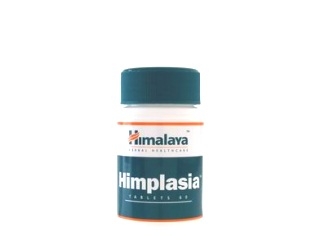
Himplasia (Human Haptoglobin/Immunotherapy) – Patient Guide (Australia)
Himplasia is a medicine used to support the management of specific inflammatory and immune-related conditions. This guide is designed to help you understand what Himplasia is, how it works, how it’s typically taken, and what to consider for safe and effective use. Always follow your clinician’s instructions and read the consumer medicine information (CMI) provided with your product.
Note: Product formulations and exact indications can vary. If you have the pack information, check the strength and form (e.g., tablet, capsule, or other dosage form) and confirm the purpose of use with your healthcare professional.
Quick Facts
- Medicine name: Himplasia
- Common purpose: Helps manage inflammation and immune-related activity in appropriate conditions
- How it works: Targets immune/inflammatory pathways (mechanism depends on formulation)
- Typical use: Often used as part of a treatment plan alongside other therapies
- Key safety considerations: Possible infections, liver or blood test changes, and interaction risks
Basic Product Information
What is Himplasia? Himplasia is a therapeutic medicine intended to reduce or control abnormal inflammation/immune activity. In Australia, medicines are regulated by the Therapeutic Goods Administration (TGA). Availability and listing status may differ by product form and strength.
How is it supplied? Himplasia may come in different forms (commonly oral dosage forms). Your specific pack will include details about:
- Active ingredient(s)
- Strength per tablet/capsule (if applicable)
- How many tablets/capsules to take
- How often to take it
- Storage and handling instructions
Who should use it? Himplasia is generally recommended for people who meet the indication criteria for that medicine. Your clinician may consider age, medical history, current medications, and relevant test results before starting.
How Himplasia Works (Mechanism of Action)
The mechanism of action of Himplasia is designed to modulate immune/inflammatory processes. While the exact pathway can depend on the formulation and active ingredient, Himplasia’s therapeutic effect generally involves:
- Reducing inflammatory signalling that drives symptoms
- Modulating immune responses to decrease tissue irritation or damage
- Improving clinical control of inflammation-related conditions over time
What you may notice: Some people experience symptom improvement within days to weeks, while full benefit may take longer. Consistent use as directed is important.
Pharmacokinetics (Absorption, Distribution, Metabolism, Elimination)
Pharmacokinetics describes how the body processes a medicine. For Himplasia, the main processes typically include:
- Absorption: After oral dosing (if applicable), Himplasia is absorbed through the gastrointestinal tract. The rate and extent of absorption may be affected by food and gastrointestinal factors.
- Distribution: The active ingredient distributes into tissues where it can exert its effect. Protein binding and tissue penetration may influence duration of action.
- Metabolism: The medicine may be metabolised by hepatic (liver) enzymes and/or other pathways.
- Elimination: Breakdown products and/or unchanged medicine are cleared from the body primarily via renal (kidney) and/or biliary routes.
Important practical takeaway: If you miss a dose or change your eating pattern, your blood levels and effect could be affected. Follow the recommended timing and dosing schedule closely.
Indications: When Himplasia Is Used
Himplasia is used for specific immune- and inflammation-related conditions where immune modulation is appropriate. Indications can vary depending on the product’s registration and formulation in Australia.
Common categories of use for medicines like Himplasia include:
- Conditions with persistent inflammation or immune dysregulation
- Situations where anti-inflammatory/immune-modulating therapy is part of standard care
- Adjunct treatment in combination therapy plans
To ensure correctness: Check the exact indication listed on the package and in the CMI supplied with your Himplasia product.
Typical Dosing and How to Take Himplasia
Dose instructions can vary. Your clinician will tailor dosing to your diagnosis, severity, response, age, and other medications. Always follow the directions on your label or as provided in the CMI.
Typical starting and maintenance approach (general guidance)
- Starting dose: Often begins at a standard dose based on indication and patient factors.
- Adjustment: Dose may be adjusted based on tolerance and response.
- Duration: Treatment may be ongoing or time-limited depending on your condition.
Example dosing schedule (illustrative)
The exact dosing schedule for your Himplasia pack may differ. Use this section only as a guide to how dosing schedules are typically presented:
- Once daily dosing: taken at the same time each day
- Twice daily dosing: morning and evening doses spaced evenly (unless otherwise instructed)
If you miss a dose
- Take it as soon as you remember unless it’s close to the next scheduled dose.
- If near the next dose, skip the missed dose and continue your regular schedule.
- Do not double the dose to make up for a missed one.
Do not stop suddenly without advice
Stopping treatment may lead to symptom recurrence or loss of control. Discuss changes with your clinician, especially if you’re taking other immune-affecting therapies.
Timing: Best Time to Take Himplasia
Timing can affect both comfort and effectiveness. Many medicines like Himplasia can be taken:
- At the same time each day to help maintain consistent levels
- With or without food depending on the formulation and instructions in the CMI
Follow your product label: Some medicines require consistent relation to meals. If you’re unsure, check the CMI or consult your pharmacist.
Food Interactions (With and Without Meals)
Food interactions can influence absorption and tolerability. For Himplasia, the key considerations are:
- Consistency is important: Avoid frequently changing whether you take Himplasia with food.
- Follow the CMI instructions: If the CMI says to take with food, aim to do so.
- Gastrointestinal comfort: If the medicine causes nausea or stomach upset, taking it with a meal may help (only if permitted by your instructions).
Grapefruit and certain juices: Some medicines interact with grapefruit through liver enzymes or transport proteins. If your Himplasia product label includes any restrictions, follow them carefully.
General advice: If you plan to make major diet changes (e.g., starting supplements or high-fibre regimens), ask a pharmacist whether any could affect your medicine.
Alcohol and Medicine Interactions
Alcohol: It’s generally recommended to limit alcohol while taking medicines that may affect the immune system, liver, or overall wellbeing. Alcohol may worsen side effects such as dizziness, nausea, sleep disturbances, or fatigue.
Interaction risk: Alcohol can also increase strain on the liver. If Himplasia is metabolised in the liver, heavy or regular alcohol intake may increase the risk of adverse effects.
- Best approach: Avoid excessive alcohol and discuss moderate drinking with your pharmacist or clinician.
- If you notice side effects: Stop alcohol and seek medical advice if symptoms persist.
Important medicine interactions
Himplasia may interact with other medicines that affect the immune system, liver enzymes, blood cells, or bleeding risk. Tell your healthcare professional about all medicines you take, including:
- Prescription medicines
- Over-the-counter products (including pain relief and cold/flu remedies)
- Herbal supplements (e.g., St John’s wort)
- Vitamins or high-dose mineral supplements
Examples of interaction categories to discuss:
- Immune-suppressing therapies (increased infection risk)
- Live vaccines (safety concerns in immune modulation)
- Medicines affecting liver enzymes (may change medicine levels)
- Blood-thinning medicines (if relevant to your case)
Safety Profile: Side Effects and When to Seek Help
Like all medicines, Himplasia can cause side effects. Not everyone experiences them. Your individual risk depends on your health status, dose, and other medications.
Common or mild side effects (examples)
- Nausea or stomach discomfort
- Headache
- Fatigue
- Changes in blood test results (as monitored by your clinician)
Serious side effects (seek urgent advice)
Contact a healthcare professional promptly or seek urgent care if you develop:
- Signs of infection such as fever, chills, sore throat, persistent cough, painful urination, or spreading redness
- Unusual bruising or bleeding (e.g., nosebleeds that won’t stop, blood in urine/stool)
- Severe allergic reaction (swelling of lips/face, trouble breathing, widespread rash)
- Severe or persistent abdominal pain, yellowing of the skin/eyes (possible liver issues), or dark urine
- Shortness of breath or chest pain
Monitoring and follow-up
Your clinician may order regular tests to monitor safety, such as:
- Blood tests (e.g., full blood count)
- Liver function tests (if relevant)
- Other condition-specific monitoring
Vaccines: Immune-modulating therapies can affect vaccine timing and safety. Discuss vaccination plans with your healthcare provider.
Practical Use Tips for Better Outcomes
- Keep a routine: Choose a time you can consistently remember (morning or evening).
- Use a medication organiser: A weekly pill box can reduce dosing errors.
- Stay hydrated and nourished: Helps overall tolerability, especially if nausea occurs.
- Don’t stop suddenly: If you feel better, continue as directed unless your clinician says otherwise.
- Track symptoms: Note flare-ups, triggers, and improvement timing to help your clinician adjust treatment.
- Infection precautions: Wash hands regularly and avoid close contact with people who are sick.
- Bring a medication list: Keep a list of all medicines and supplements for appointments.
Alternative Options
Depending on the condition being treated, alternative therapies may include other anti-inflammatory or immune-modulating medicines, non-drug approaches, or different treatment classes. Alternatives vary widely by diagnosis.
Common categories of alternatives may include:
- Other prescription anti-inflammatory medicines
- Immunomodulating medicines with different mechanisms
- Biologic or targeted therapies (for certain conditions)
- Supportive therapies such as symptom relief and lifestyle interventions
- Non-pharmacological strategies (e.g., physiotherapy, stress management, diet planning)
Choosing an alternative: Your clinician can weigh effectiveness, safety, monitoring needs, and interaction risks for your specific situation.
Market and Legal Context for Australia
In Australia, medicines are regulated through the Therapeutic Goods Administration (TGA). The safety, quality, and availability of medicines—including registration status and approved indications—are governed by national rules.
Online pharmacies in Australia generally follow requirements for:
- Product authenticity and traceability
- Compliant labelling and consumer information
- Clear communication about proper use, storage, and warnings
- Ensuring safe supply practices and appropriate customer education
Recent guidance: Guidance and prescribing requirements may evolve as new safety data or clinical recommendations are published. For the most current information for your condition and product, check the product’s latest CMI and consult your healthcare professional.
Recent Guidance and What to Watch For
Immune/inflammation medicines may require updates based on:
- Emerging safety signals
- New recommendations about monitoring frequency
- Changes in vaccination advice
- Updated interaction warnings with newly marketed medicines
What you can do:
- Re-check the CMI if you receive a new supply.
- Inform your pharmacist about any new medications or supplements since you started.
- Keep up with scheduled blood tests and reviews.
Delivery and Availability in Australia
Availability of Himplasia can vary by region and supply chain timelines. When ordering through an Australian online pharmacy, your experience typically includes:
- Stock status: Real-time availability shown at checkout
- Dispatch times: Orders are usually dispatched promptly once verified
- Delivery: Standard delivery timeframes apply, varying by postcode
- Tracking: Some deliveries include tracking updates
Packaging and storage: Follow storage directions on the label (e.g., room temperature or refrigeration if specified). Keep medicines out of reach of children.
If you need urgent dosing continuity: Contact customer support to confirm dispatch and delivery estimates.
FAQ: Himplasia
1) What is Himplasia used for?
Himplasia is used for selected immune- and inflammation-related conditions, as described in the product’s approved indication and consumer medicine information. Confirm your specific indication with your healthcare professional.
2) How long does it take to work?
Some people feel improvement within days to weeks, while full effect can take longer. If symptoms worsen or don’t improve, speak with your clinician rather than changing the dose yourself.
3) Can I take Himplasia with food?
Food instructions depend on the exact Himplasia formulation. Some medicines can be taken with or without food, while others may work best with consistent timing relative to meals. Always follow the directions on the label/CMI.
4) What should I do if I miss a dose?
Take it when you remember unless it’s close to your next dose. If close, skip the missed dose and continue your usual schedule. Do not double up.
5) Is it safe to drink alcohol while taking Himplasia?
It’s generally best to limit alcohol. Alcohol may worsen side effects and can increase risks if the medicine affects the liver or overall wellbeing. Discuss moderate drinking with your pharmacist or clinician.
6) What medications interact with Himplasia?
Interactions can include other immune-modifying therapies, medicines that affect liver enzymes, and certain supplements (e.g., herbal products). Tell your healthcare professional about everything you take, including over-the-counter and herbal products.
7) Will Himplasia affect vaccines?
Some immune-modulating therapies can affect vaccine safety and timing, especially live vaccines. Plan vaccinations in consultation with your healthcare provider.
8) What side effects are most important to watch for?
Seek medical advice promptly for signs of infection (fever, persistent cough), allergic reactions (swelling, breathing difficulty), bleeding/bruising, or symptoms suggesting liver issues (yellow skin/eyes, dark urine).
9) Do I need regular blood tests?
Your clinician may recommend monitoring depending on your condition, dose, and overall risk profile. Follow the monitoring plan provided.
10) Are there alternatives if Himplasia isn’t suitable for me?
Yes—alternatives depend on your diagnosis and may include other anti-inflammatory or immune-modulating medicines, targeted therapies, or supportive/non-drug strategies. Discuss options with your clinician.
Summary
Himplasia is a medicine used to help manage selected immune- and inflammation-related conditions. It works by modulating inflammatory/immune pathways and requires consistent use as directed. For best results and safety, take it at the recommended times, follow food and alcohol advice, and keep up with recommended monitoring. If you’re unsure about dosing, interactions, or side effects, speak with a pharmacist or healthcare professional.
Disclaimer: This information is general and not a substitute for medical advice. Always refer to the product’s consumer medicine information (CMI) and your healthcare professional’s instructions for your individual situation.