
Karela (Bitter Melon) – Patient-Friendly Guide (Australia)
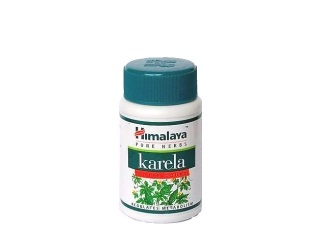
Karela, commonly known as Bitter Melon, is a herbal supplement made from the fruit of Momordica charantia. It has a long history of use in traditional medicine and is widely chosen in Australia for general metabolic wellness and as a complementary option for people who want support for healthy blood glucose within a lifestyle plan.
This page explains what Karela is, how it may work, how the body handles it, typical uses, timing, safety considerations, and practical tips—written to be clear and patient-friendly.
Basic Product Information
| Product name | Karela (Bitter Melon) |
|---|---|
| Common name | Bitter Melon, Karela, Momordica charantia |
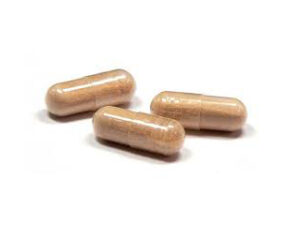
| Typical form | Capsules, tablets, or liquid extracts (varies by brand) |
| Active constituents (general) | Charantin, polypeptide-p (in fruit), cucurbitane-type triterpenes, phenolics (varies by preparation) |
| Intended use | Complementary support for healthy metabolic function and blood glucose management |
| Category in Australia | Often sold as an over-the-counter complementary/therapeutic product depending on brand and claims |
Important: Karela products differ in strength and standardisation. Always check the Supplement Facts or label for the exact dose and ingredient concentration.
What Karela Does (Mechanism of Action)
Karela may support metabolic health in several ways. Research findings are mixed across studies, and effects may vary by dose, product type, and individual factors. Possible mechanisms include:
- Improving insulin sensitivity: Some components may help tissues respond more effectively to insulin.
- Supporting glucose uptake: Certain constituents may influence how cells take up glucose.
- Influencing carbohydrate digestion: Karela may affect digestive enzymes or how carbohydrates are processed.
- Antioxidant and anti-inflammatory activity: Fruit contains bioactive compounds that may help reduce oxidative stress, which is relevant to overall metabolic health.
- Potential effects on liver metabolism: Some studies suggest changes in how the liver handles glucose and related pathways.
In practice, Karela is typically used as a complement to diet, activity, sleep, and weight management where appropriate. If you are monitoring blood glucose, you should track your results and discuss changes with a qualified healthcare professional.
Pharmacokinetics (How the Body Handles Karela)
Because Karela supplements vary widely in their formulation (whole fruit powder vs extracts vs capsules), a single set of pharmacokinetic parameters is not available for all products. In general, the way the body processes Karela depends on the specific compounds present and their bioavailability.
- Absorption: Active constituents may be absorbed after oral intake, but the degree of absorption can vary.
- Distribution: Compounds (and their metabolites) may distribute into tissues involved in metabolic regulation.
- Metabolism: Plant compounds are typically metabolised in the liver and other tissues into smaller metabolites.
- Excretion: Metabolites are usually eliminated through the kidneys (urine) and/or the digestive tract.
Practical takeaway: If you are starting Karela, allow time to evaluate how your body responds (for example, appetite, digestive comfort, and—if relevant—blood glucose trends) and use a consistent schedule.
Typical Use and Indications (What It’s Commonly Used For)
In Australia, Karela products are usually marketed for complementary support of metabolic health and “healthy blood glucose” within the context of diet and lifestyle.
Typical indications people seek include:
- Supporting healthy blood glucose levels as part of a balanced diet and active lifestyle
- Metabolic wellness (for example, after meals or as part of a routine)
- General antioxidant support (depending on product claims and composition)
Not a substitute for medical care: Karela is not intended to replace clinician-led treatment for diabetes or other conditions. If you have diabetes or take glucose-lowering medicines, consult a healthcare professional before use—see interaction and safety sections.
When to Take Karela (Timing & How to Use It)
Timing can influence comfort and how the product fits into your routine. Many people use Karela around meals to align with carbohydrate intake.
Common timing approaches
- With or just before meals: Often chosen if the goal is support for post-meal glucose response.
- Once daily: If your product label recommends once-daily dosing, take it at the same time each day.
- Split dosing (if label allows): Some products suggest multiple daily doses—space them out to reduce stomach upset.
Consistency is key
For best results, take Karela consistently for several weeks while maintaining steady diet and activity patterns. If you notice side effects (e.g., stomach upset), adjust timing and consider pausing and seeking advice.
Food Interactions
Karela is a herbal supplement derived from fruit. It can interact with digestion and may affect how you tolerate certain foods. While definitive interaction data is limited, these considerations are practical:
- Taken with food may reduce nausea or stomach discomfort. If you get indigestion, try taking it after a meal.
- Carbohydrate-heavy meals: If you notice changes in blood glucose patterns after such meals, track results and consider discussing dosing with a healthcare professional.
- Fibre-rich diets: These can already slow glucose absorption; monitor for additive effects if you also take glucose-lowering medicines.
Advice: Start with the lowest dose on the label, monitor tolerance, and avoid sudden dietary changes when evaluating benefits.
Alcohol Interactions
There is limited high-quality evidence directly linking Karela and alcohol. However, alcohol can affect blood glucose, liver function, sleep, and stomach irritation—factors that may influence how you feel while taking supplements.
- Stomach irritation risk: Alcohol may worsen reflux, nausea, or gastritis-like symptoms in some people.
- Blood glucose variability: Alcohol can cause glucose fluctuations, which may be more noticeable if Karela also affects glucose regulation.
- Liver considerations: If you have liver disease or elevated liver enzymes, discuss supplement use with a clinician.
Practical approach: If you drink alcohol, consider taking Karela with food and limit alcohol intake. If you observe symptoms such as dizziness, unusual fatigue, or persistent GI upset, stop and seek advice.
Medicine Interactions (Including Glucose-Lowering Medicines)
The most important consideration with Karela is its potential to affect blood glucose. That means it may add to the glucose-lowering effects of certain medicines.
Please check with a healthcare professional if you use any of the following:
- Diabetes medicines (e.g., insulin, sulfonylureas, metformin, GLP-1 receptor agonists, SGLT2 inhibitors)
- Other supplements that lower glucose (for example, berberine, bitter herbs, or high-fibre products with claims about glycaemic control)
- Blood pressure medicines (indirect effects via metabolic changes may be relevant)
- Liver-metabolised medicines (plant extracts can sometimes influence metabolism)
Hypoglycaemia warning signs
If Karela reduces glucose too much—especially when combined with other glucose-lowering therapies—watch for symptoms such as:
- sweating, shaking, or feeling weak
- hunger, headache, or difficulty concentrating
- confusion, blurred vision, or palpitations
If you experience signs of low blood sugar and you can check glucose, do so. If symptoms are severe or persistent, seek urgent medical help.
Dosing (How Much to Take)
Dosing depends on the exact product and its concentration. Always follow the label instructions for your specific Karela product. The sections below provide general dosing guidance commonly seen on supplement labels; they are not a substitute for product directions.
Typical supplement dosing ranges (general)
- Capsules/tablets: often range from 250 mg to 1000 mg per day depending on extract strength
- Extracts/liquids: commonly have measured drops or mL dosing; follow standardised label amounts
- Powders: if using fruit powder, doses vary widely and may be difficult to compare across brands
How to start (practical approach)
- Start at the lowest labelled dose for 1–2 weeks.
- Assess tolerance (especially digestion and energy).
- If well tolerated and your goal supports it, adjust only within the labelled range.
How long to take it
Many people use Karela in courses (for example, 4–12 weeks) while assessing outcomes, then re-evaluate. If you’re using it for a specific health goal, track measurable markers such as fasting blood glucose, HbA1c (if advised), weight, waist circumference, and how you feel.
Safety Profile (Who Should Be Careful)
Karela is generally well tolerated by many people when taken as directed, but it can cause side effects—particularly in higher doses or in combination with glucose-lowering agents.
Common side effects
- Gastrointestinal upset: nausea, stomach cramps, diarrhoea, or bloating
- Headache or dizziness (less common)
- Reduced appetite in some users
Serious but less common concerns
- Low blood sugar (hypoglycaemia): especially with diabetes medicines
- Allergic reactions: rash, itching, swelling, or breathing difficulty—seek urgent care
- Liver concerns: if you have existing liver conditions or unexplained abnormal liver tests, seek medical advice
Who should avoid or seek medical advice first
- Pregnancy or breastfeeding: avoid unless advised by a qualified clinician
- Children: only under professional guidance
- People with diabetes or on glucose-lowering medicines
- People with liver disease or significant gastrointestinal disorders
- Those planning surgery (blood glucose control matters—discuss timing with a clinician)
Practical Use Tips
- Choose reputable products: Look for clear labelling, standardisation information, and batch/quality testing where available.
- Start low, go slow: Begin with a small dose to gauge tolerance.
- Take with food if sensitive: This can improve comfort.
- Monitor key outcomes: If relevant, track blood glucose trends and how you feel.
- Keep your diet consistent at first: This helps you understand whether changes are due to Karela or lifestyle.
- Stay hydrated: Helps if the supplement causes mild bowel changes.
- Stop if you experience persistent side effects: GI upset that doesn’t settle or symptoms of low blood sugar warrant review.
Alternative Options
If you’re considering Karela for metabolic support, there are several alternatives—depending on your goal and health status. These may include:
Food-based alternatives
- Dietary fibre (e.g., psyllium, legumes, vegetables): supports glucose and satiety
- Whole-food approaches such as Mediterranean-style eating patterns
- Regular physical activity (especially after meals) to support post-meal glucose
Other complementary supplements (varies by evidence and safety)
- Berberine (may influence glucose, but can interact with medications)
- Chromium (some people use it for metabolic support)
- Cinnamon (mixed evidence; some forms have safety considerations)
Important: Alternatives can also interact with diabetes medicines. Always check compatibility before combining products.
Market & Legal Context for Australia
In Australia, complementary medicines and herbal products are regulated under the Therapeutic Goods Administration (TGA) framework. What you can claim on labels and websites depends on product categorisation and approval status.
For many herbal supplements like Karela, brands typically make low-level, general health claims (for example, “supports” rather than “treats” a disease), unless the product is approved for higher therapeutic claims.
- Look for TGA-related information on the product listing or packaging.
- Avoid products with unrealistic claims about curing or treating diabetes without appropriate regulatory approval.
- Report concerns: If you experience unexpected side effects, contact the seller and your healthcare professional.
If you are using Karela for metabolic concerns, it’s wise to keep your care plan informed—especially if you take medications.
Recent Guidance & What to Watch For
While guidance can evolve, the general direction from health authorities worldwide emphasises:
- Evidence-based expectations: Supplements may support wellness, but they are not substitutes for medical management.
- Safety and quality: Choose products from reputable brands with clear ingredient lists and testing.
- Monitoring interactions: For people taking glucose-lowering medicines, the risk of low blood sugar remains a key concern.
- Clear labelling and dosing: Following label directions reduces the risk of adverse effects.
If you want, you can share your current medicines with your pharmacist to check interaction risks before starting.
Delivery, Availability & Ordering (Australia)
Karela is commonly available from online pharmacies and supplement retailers across Australia. Availability may vary by brand, capsule count, and whether you choose tablets, capsules, or extracts.
Delivery options: Many Australian online pharmacies offer standard and express delivery depending on your location. Dispatch times and delivery estimates appear at checkout.
- Stock status: Products may sell out during high-demand periods; check current listings for availability.
- Packaging: Supplements are typically dispatched in protective cartons to reduce damage risk.
- Storage: Store as directed on the label—generally in a cool, dry place away from sunlight.
FAQ
1) Is Karela the same as Bitter Melon?
Yes. Karela is a common name for Bitter Melon in some regions. Many products list the botanical name Momordica charantia on the label.
2) What is Karela usually used for?
Karela is commonly used as a complementary option for metabolic wellness and supporting healthy blood glucose levels when combined with diet and lifestyle.
3) When should I take it for best results?
Many people take Karela with or just before meals to fit their routine and align with post-meal nutrition. Always follow the timing and dosing instructions on your specific product label.
4) Can I take Karela with diabetes medication?
You should speak with a healthcare professional first. Because Karela may influence glucose regulation, combining it with glucose-lowering medicines could increase the risk of low blood sugar.
5) Does Karela cause low blood sugar?
Low blood sugar is not guaranteed, but it is a potential risk—especially when used alongside insulin or other glucose-lowering therapies. Monitor your glucose if advised and watch for symptoms like sweating, shaking, confusion, or unusual weakness.
6) What side effects should I expect?
Some people experience stomach upset (nausea, cramps, diarrhoea) or headaches. Taking it with food and starting at the lowest labelled dose may improve tolerance. Stop and seek advice if symptoms are severe or persistent.
7) Can I drink alcohol while using Karela?
There is limited direct evidence about alcohol–Karela interactions. However, alcohol can affect blood glucose and may increase stomach irritation. If you choose to drink, do so moderately and consider taking Karela with food.
8) How long does it take to work?
The timeline varies by person and product. Some people notice changes in how they feel within days, while measurable effects on blood glucose typically require consistent use over several weeks alongside lifestyle measures.
9) Who should avoid Karela?
People who are pregnant or breastfeeding, children, and anyone with liver disease or significant medical conditions should seek medical advice before use. People taking diabetes medicines should get professional guidance first.
10) What should I do if I miss a dose?
Take it when you remember unless it’s close to the next scheduled dose. Don’t double up. Follow label directions and maintain your routine.
Disclaimer: This information is for general education and should not replace advice from a qualified healthcare professional. If you have medical conditions or take medications, consider checking suitability with your pharmacist or doctor.