VP-GL (Medicine) — Patient-Friendly Guide
VP-GL is a medicine used to treat specific health conditions. This guide explains how VP-GL works, typical uses, how to take it safely and effectively, what to expect, and when to seek medical advice. It is written for people in Australia and uses general information to help you understand the medicine.
Please note: Always follow the instructions given by your healthcare professional and the directions on your medicine label. If you have any questions about whether VP-GL is right for you, speak with a pharmacist or doctor.
Quick Overview
- Medicine name: VP-GL
- Type: Prescription medicine used for defined medical indications
- Common focus: Treatment of certain conditions as determined by your clinician
- How it works: Works at the biological level to achieve its therapeutic effect
- How to take: Usually once daily or as directed (timing matters—see below)
- Key cautions: Interactions with alcohol and some medicines; important safety monitoring
Basic Product Information
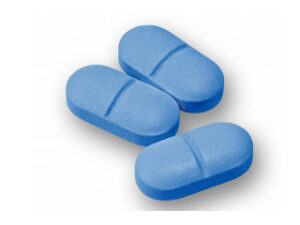
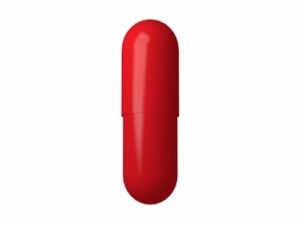
VP-GL may come in specific strengths and pack sizes depending on the formulation available in your region. The exact active ingredient, strength, and form (for example, tablets/capsules) can differ by product presentation. For accurate details, check the outer packaging or the label.
In Australia, medicines are supplied through regulated channels and must meet Australian regulatory requirements. Availability may vary depending on the medication’s listing, supply schedule, and prescriber instructions.
What VP-GL Does (Mechanism of Action)
VP-GL works by targeting specific pathways involved in your condition. In general terms, the medicine is designed to:
- Reduce or control the underlying process: VP-GL helps the body move toward the intended therapeutic outcome.
- Improve symptoms and/or disease control: Many people experience symptom improvement over time as the medicine takes effect.
- Support long-term management: When used appropriately, it may reduce relapses or help maintain control.
The exact mechanism depends on the active ingredient and formulation of VP-GL. If you want the specific scientific description for your product, consult your pharmacist or check the consumer medicine information (CMI) that comes with it.
Pharmacokinetics (How Your Body Handles VP-GL)
Pharmacokinetics describes how a medicine is absorbed, distributed, metabolised, and eliminated. While individual results can vary, the following general patterns help you understand what to expect.
Absorption
After taking VP-GL by mouth, the medicine is absorbed through the gastrointestinal tract. Absorption may be influenced by food, gastric pH, and individual factors such as gut health and concurrent medications.
Distribution
Once absorbed, VP-GL circulates in the bloodstream and distributes into tissues where it can exert its effect. Protein binding may occur, which can influence interactions with other medicines.
Metabolism
VP-GL is typically metabolised (broken down) by the liver and/or other pathways. Medicines that affect liver enzymes may change how quickly VP-GL is processed.
Elimination
VP-GL is eliminated from the body via renal (kidney) and/or biliary routes. This matters most for people with kidney or liver issues, since it may require dose adjustment or extra monitoring.
Onset and duration of effect
Some people notice benefits relatively quickly, while others require days to weeks for full effect—depending on the condition being treated. It’s important not to stop VP-GL early even if symptoms improve, unless advised by your healthcare professional.
Typical Use and Indications
VP-GL is used for specific medical conditions. The indication(s) for which VP-GL is appropriate depend on the active ingredient and the approved uses for that product.
Commonly, medicines in this category may be used to:
- Manage chronic conditions: Support ongoing control and symptom reduction.
- Prevent flare-ups or complications: Used as part of a planned treatment approach.
- Improve quality of life: Reduce bothersome symptoms for many patients.
| Use case | What VP-GL may help with | Typical approach |
|---|---|---|
| Condition management | Symptom control and stabilisation | Regular dosing as directed |
| Long-term therapy (where applicable) | Maintenance of disease control | Consistent daily routine |
| Planned treatment plan | Supports overall therapy goals | May be used alone or with other medicines |
How to Take VP-GL (Dosing, Timing, and Missed Dose)
The correct dose of VP-GL depends on your diagnosis, age, kidney/liver function, other medicines you take, and your response to treatment. For safety and effectiveness, follow the dosing instructions provided with your supply.
Typical dosing guidance (general)
- Do not change your dose: unless your prescriber tells you to.
- Use the correct strength: ensure you are taking the exact dose on the label.
- Maintain a schedule: taking it at the same time each day can help you stay consistent.
Timing
VP-GL may be recommended at a particular time of day depending on the condition and how your body processes the medicine. Choose a time you can maintain daily.
Practical tip: If your label says “once daily,” pick a time you can remember (e.g., morning with breakfast or evening after dinner), then stick to it. If your label provides specific timing, follow that exactly.
Missed dose
If you miss a dose, take it as soon as you remember unless it is close to the time for your next dose. If you are unsure, contact your pharmacist for advice. In general:
- Do not take a double dose to make up for the missed one.
- Follow the guidance on your medicine information sheet, or ask your pharmacist.
How to swallow and store
- Swallow tablets/capsules whole with water unless your healthcare professional advises otherwise.
- Keep VP-GL in its original packaging to protect from moisture and light (as directed on the label).
- Store at the recommended temperature range and out of reach of children.
Food Interactions (With and Without Meals)
Food interactions vary by medicine. Some medicines are better taken with food to reduce stomach upset, while others are more reliably absorbed when taken on an empty stomach.
For VP-GL, check your label/CMI for specific directions. As general patient-friendly guidance:
- If your label says “with food”: take VP-GL with a meal or snack to improve tolerability.
- If your label says “on an empty stomach”: take it at least 1–2 hours after meals unless directed otherwise.
- Be consistent: avoid changing between “with meals” and “without meals” unless instructed.
If you have reflux, nausea, or a sensitive stomach, discuss timing with your pharmacist to improve comfort and adherence.
Alcohol Interactions
Alcohol can affect how you tolerate VP-GL and may increase side effects such as dizziness, drowsiness, poor concentration, or stomach irritation. Alcohol may also worsen some medical conditions and affect treatment effectiveness.
For safety, it is generally recommended to:
- Avoid alcohol or keep intake very low while starting VP-GL until you know how the medicine affects you.
- Do not binge drink—even occasional heavy alcohol use can increase risk of adverse effects.
- Seek advice if you drink regularly or have liver disease or a history of alcohol misuse.
If your CMI lists specific alcohol cautions for VP-GL, follow those recommendations.
Medicine Interactions (Other Medications and Supplements)
VP-GL can interact with other medicines. Interactions may change the level of VP-GL in your body or alter the effects of other drugs. This may increase side effects or reduce effectiveness.
Tell your pharmacist or doctor about all medicines you take, including:
- Prescription medicines
- Over-the-counter medicines (including pain relief)
- Herbal products and supplements (e.g., St John’s wort, certain “sleep” or “weight loss” products)
- Vitamin/mineral supplements
Common interaction categories to watch for
- Liver enzyme inducers or inhibitors: may alter VP-GL levels.
- Medicines that affect bleeding: if relevant to your condition, discuss safety.
- Medicines that affect the heart rhythm: in some cases, medicines can add to QT-related risk.
- Sedating medicines: may increase drowsiness or impaired coordination.
This list is not complete. Always check interaction information for your specific VP-GL product.
Safety Profile and Possible Side Effects
Like all medicines, VP-GL can cause side effects. Not everyone experiences them. Many side effects are mild and improve over time. However, some symptoms may require urgent medical attention.
Common side effects (may occur)
- Nausea or stomach discomfort
- Headache
- Diarrhoea or constipation
- Dizziness
- Fatigue or sleep changes
Serious side effects (seek urgent help)
Contact a healthcare professional immediately or seek urgent care if you experience:
- Signs of an allergic reaction (e.g., swelling of face/lips, rash, breathing difficulty)
- Severe or persistent vomiting
- Chest pain, fainting, or severe palpitations
- Yellowing of the skin/eyes (jaundice), severe abdominal pain
- Unusual bleeding or bruising (if relevant to your condition and medicine)
- Severe skin reactions or blistering
When to talk to your pharmacist soon
- Side effects that don’t improve after the first few days
- Symptoms affecting daily function (e.g., significant dizziness or sleep disturbance)
- Any new symptoms after starting or changing the dose
Who may need extra caution
Extra monitoring may be needed if you have:
- Kidney impairment or liver disease
- History of medication allergies
- Multiple chronic conditions or complex medicine regimens
- Pregnancy or breastfeeding (discuss with your clinician)
- Older age (dose adjustments may be required)
Practical Use Tips for Better Results
- Follow the label every time: dosing and timing consistency improves outcomes.
- Create a routine: link your dose to a daily habit (breakfast, brushing teeth, bedtime).
- Use a medication reminder: phone alarm, pillbox, or calendar alerts.
- Keep a side effect log: note timing, severity, and possible triggers (especially during the first 1–2 weeks).
- Stay hydrated and eat as advised: helps reduce common stomach effects if your plan allows.
- Avoid sudden changes: don’t start new herbal supplements or stop other medicines without advice.
- Regular monitoring: your clinician may recommend blood tests or check-ups depending on the medicine and your health needs.
Alternative Options
If VP-GL is not suitable due to side effects, interactions, or individual health factors, alternative treatment options may be considered. Alternatives could include:
- Different medicines within the same therapeutic class
- Medicines with a different mechanism but used for the same condition
- Non-medicinal supportive care such as lifestyle changes, therapy, or symptom management strategies
The best alternative depends on your diagnosis, severity, other conditions, and current medicines. Your pharmacist or doctor can help you weigh benefits and risks and recommend the most appropriate option for Australia.
Market and Legal Context (Australia)
Medicines in Australia are regulated to support safety and quality. VP-GL is supplied in line with Australian medicine scheduling and pharmacy laws. Supply may require documentation and assessment based on the medicine’s classification and your health circumstances.
Access to VP-GL is typically provided through licensed pharmacies. Availability can depend on:
- Whether the medicine is listed under relevant Australian regulatory frameworks
- Stock levels and distribution schedules
- Your clinical suitability and required documentation
For the latest status and product-specific approvals, refer to official Australian health resources or ask your pharmacist.
Recent Guidance and Ongoing Safety Updates
Safety information for medicines can evolve as new evidence becomes available. This can include updated interaction cautions, revised dosing recommendations, or updated consumer medicine information.
To stay informed:
- Use the most current product information sheet included with your supply.
- Ask your pharmacist if there have been recent changes for VP-GL.
- Report new symptoms promptly rather than waiting for the next appointment.
Delivery and Availability (Australia)
Online pharmacies in Australia may offer home delivery of medicines where permitted and clinically appropriate. Availability of VP-GL can vary depending on stock and the medicine’s supply chain.
What to expect when ordering
- Processing time: orders may require verification to ensure safe supply.
- Dispatch: delivery timing depends on local stock and carrier schedules.
- Packaging: medicines are typically packed to protect tablets/capsules from damage.
Delivery tips
- Ensure your contact details are correct to receive delivery updates.
- Choose a delivery address where parcels can be securely received.
- Check the parcel on arrival and store the medicine immediately as instructed.
If VP-GL is temporarily unavailable, the pharmacy may offer an alternative medicine where clinically suitable, or provide an estimated restock timeframe.
FAQ About VP-GL
1) What is VP-GL used for?
VP-GL is used to treat specific conditions as determined by your healthcare professional. The exact indication depends on the product’s active ingredient and approved uses. If you’re unsure why VP-GL was selected for you, ask your doctor or pharmacist.
2) How soon will VP-GL start working?
Some people notice improvement early, while others may take days to weeks for full effect. The timing depends on the condition being treated and your individual response. Don’t stop VP-GL early simply because symptoms improve.
3) Can I take VP-GL with food?
Many medicines have specific food directions. Check your label/CMI for the exact advice for your VP-GL product. If no specific instructions are provided, your pharmacist can clarify how to take it to best support absorption and comfort.
4) What should I do if I miss a dose?
Take it when you remember unless it’s nearly time for your next dose. Do not take a double dose. If you’re uncertain, contact your pharmacist for guidance.
5) Is alcohol safe while taking VP-GL?
Alcohol may increase side effects and can affect how you tolerate VP-GL. It’s generally safest to avoid alcohol or keep intake very low while starting treatment. If you drink regularly or have liver-related concerns, speak with your clinician.
6) Can VP-GL interact with other medicines?
Yes. VP-GL may interact with other prescription medicines, over-the-counter products, and supplements. Make sure your pharmacist knows everything you take, including herbal products.
7) Who should be extra careful with VP-GL?
People with kidney or liver problems, those taking multiple medicines, and those who have had medicine allergies should get extra guidance. Pregnancy/breastfeeding and older age may also require additional consideration from your healthcare professional.
8) What side effects are most common?
Common side effects may include nausea, headache, dizziness, and changes to bowel habits. Many mild effects settle as your body adjusts. If side effects are severe or persistent, contact your pharmacist or doctor.
9) What side effects mean I should seek urgent help?
Seek urgent medical attention for signs of serious allergic reaction (swelling, rash, breathing difficulty), severe chest pain, fainting, jaundice, severe skin reactions, or any other alarming symptoms.
10) Can I use alternative therapies or supplements instead of VP-GL?
Alternatives may be possible, but you should not replace VP-GL without professional advice. Some supplements can interact with medicines. If you want to explore alternative approaches, discuss them with your pharmacist or doctor.
Important Reminder
This information is provided to help you understand VP-GL in a general way. It cannot replace medical advice tailored to your personal health needs. If you have questions about dosing, side effects, or interactions, your pharmacist is a great first point of contact.