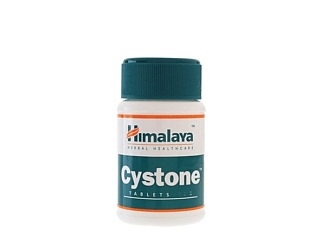
Cystone (Cystine) – Patient-Friendly Guide for Australia
Cystone is an evidence-based supplement/medicine used for selected urinary and kidney conditions related to stone formation. This guide explains what Cystone is, how it works, how to take it, and key safety and interaction considerations for people in Australia.
Please note: product ingredients and presentations may vary by brand or formulation. Always check the package label or product information for the exact active ingredient(s) and strength for the version you have.
Quick product information
| Category | What to know |
|---|---|
| Medicine name | Cystone |
| Common purpose | Helps reduce recurrence of certain urinary stones and supports urinary chemistry |
| Typical form | Tablets or oral dosage form (varies by product version) |
| How it’s taken | Usually by mouth, as directed on the label or by a clinician |
| Who may use it | People with a clinician-confirmed need based on stone type/urine chemistry |
| Key lifestyle support | Hydration and urine volume targets; dietary adjustments may be advised |
What is Cystone?
Cystone is a medicine/supplement marketed to help manage urinary stone risk, particularly by influencing the chemistry of urine. In many cases, it is used as part of a broader plan that may include:
- Hydration to increase urine volume
- Dietary changes based on the stone type
- Monitoring urine pH or relevant urine markers (where appropriate)
- Medical evaluation of underlying causes
Because stone formation is not the same for everyone, Cystone is most appropriate when it matches the stone type and risk profile identified by a healthcare professional.
How Cystone works (mechanism of action)
The effectiveness of Cystone depends on its ability to alter factors in urine that promote stone formation. While exact mechanisms can vary by formulation, medicines in this category generally aim to:
- Reduce stone-forming activity by changing the balance of substances in urine.
- Support favourable urinary conditions (for example, improving conditions that reduce crystallisation).
- Reduce recurrence risk when combined with adequate fluids and appropriate dietary measures.
In practical terms, this means Cystone is often used for people who have a demonstrated tendency to form certain types of stones, and where modifying urine chemistry can help lower the chance of future episodes.
Typical uses and indications
Cystone is commonly used for urinary stone management and prevention strategies. Typical indications may include:
- Prevention or recurrence support for people prone to urinary stones (especially when advised for a specific stone type).
- Support in conservative management alongside hydration and diet adjustments.
- Adjunct use after evaluation for causes of stone disease.
Because “urinary stones” includes different chemical types (for example, calcium-based, uric acid, cystine, and others), it’s important that the chosen therapy aligns with the cause.
If you are unsure what type of stone you form, ask your clinician whether urine testing, imaging, or stone analysis has been done. This can help confirm whether Cystone is appropriate.
Dosing: how to take Cystone
Dosing depends on the product strength and the reason for use. Always follow:
- The dose and schedule on the product label
- Any instructions provided by your healthcare professional
- The leaflet that comes with your specific Cystone pack
Typical dosing examples (for general education purposes): many urinary stone support products are taken two to three times daily. However, the correct schedule for your specific Cystone version may differ. Check the exact instructions for your pack.
Missed dose
- If you miss a dose, take it as soon as you remember.
- If it’s close to your next dose, skip the missed dose—don’t double up.
- If you frequently miss doses, consider setting a reminder or speak with a pharmacist for practical strategies.
Duration of use
Stone prevention is usually a longer-term strategy. Your clinician may recommend taking Cystone for a period and re-checking urine chemistry or symptom trends.
Timing: when to take Cystone
Many people find it easiest to take Cystone at consistent times each day. A common approach is:
- With meals to support stomach comfort (if your label allows).
- At the same times daily to maintain a steady routine.
Best practice: choose timing that you can maintain reliably, and follow the label directions for your formulation.
Food interactions and dietary considerations
In general, Cystone is taken by mouth and may have limited food interactions, but this can vary by formulation. To reduce the chance of stomach upset and support adherence:
- Take with food if tolerated—especially if you notice nausea or indigestion.
- Aim for adequate hydration regardless of meals.
- Follow any diet advice provided for your stone type (for example, sodium reduction or moderation of specific foods).
If your healthcare professional has advised changes to urinary pH, fluid intake, or diet, Cystone should be used alongside those recommendations.
For the most accurate guidance, check:
- The ingredient list
- Any specific warnings listed for your product
- Your pharmacist’s advice if you take other medicines
Alcohol and medicine interactions
Moderate alcohol intake may be acceptable for some people; however, alcohol can indirectly affect urinary health by:
- Reducing hydration (especially if alcohol causes dehydration)
- Potentially worsening urinary symptoms for some individuals
- Contributing to dietary patterns that may affect stone risk
With medicines like Cystone, the key practical concern is often hydration and urine concentration. If you drink alcohol, consider:
- Drinking water alongside alcoholic beverages
- Avoiding excessive alcohol intake
- Monitoring symptoms (burning, frequency, flank pain)
Direct medicine-to-medicine interactions can depend on what you take alongside Cystone. Tell your pharmacist about all medicines and supplements, including:
- Diuretics (“water tablets”)
- Urinary alkalinisers or pH-altering agents (if used)
- Calcium, vitamin C, or mineral supplements
- Herbal products
If you have kidney disease or a complex medication list, seek tailored advice before starting Cystone.
Pharmacokinetics (what happens in the body)
Pharmacokinetics describes how a medicine is absorbed, distributed, metabolised, and excreted. For many urinary stone support agents, clinical benefits are driven largely by effects on the urinary environment. Exact pharmacokinetic parameters depend on the specific formulation and active ingredients.
In general, for oral urinary stone medicines:
- Absorption: absorption from the gastrointestinal tract may occur to varying degrees depending on formulation.
- Local urinary effects: the intended benefit relates to urine chemistry rather than systemic action alone.
- Excretion: relevant compounds are typically cleared from the body through the kidneys and appear in urine.
Because Cystone products can differ, the most reliable pharmacokinetic information is that provided with your specific pack and the product’s official documentation.
Safety profile: who should be careful
Most people tolerate Cystone well when taken correctly. However, safety depends on your medical history, kidney function, and other medicines/supplements.
Common side effects
Side effects may be mild and include:
- Stomach upset, nausea, or mild abdominal discomfort
- Changes in urine appearance or urinary symptoms (less commonly)
Seek urgent medical help if you develop
- Severe or worsening flank/back pain
- Fever, chills, or feeling unwell (possible infection)
- Blood in urine that is significant or worsening
- Allergic reaction symptoms such as swelling of the face/lips, rash, or difficulty breathing
When extra caution is needed
- Kidney impairment: discuss suitability and monitoring with a healthcare professional.
- Known stone disorder: correct stone type matters for safe, effective use.
- Pregnancy or breastfeeding: seek professional advice before using any stone-prevention product.
- Children: dosing and suitability must be confirmed by a clinician/pharmacist.
If you experience persistent symptoms or side effects, stop and seek advice promptly. Don’t try to “push through” severe discomfort.
Practical use tips (to get the best results)
Cystone works best when used as part of a routine that supports urinary stone prevention. Consider these practical steps:
- Hydrate consistently: aim for frequent water intake throughout the day to maintain a high urine volume.
- Take at the same times: helps adherence and keeps your routine steady.
- Track symptoms: note pain, urinary frequency, burning, or changes in urine.
- Attend follow-ups: urine tests or imaging may be recommended depending on your history.
- Avoid excess salt: high sodium can increase urinary calcium and stone risk for some people.
- Review supplements: vitamin C, calcium, and herbal products can influence stone risk in certain cases.
If you’re prone to stones, hydration and diet often make a bigger difference than any single medicine. Cystone is usually one component of a prevention plan.
Alternative options for urinary stone prevention
Depending on the stone type, healthcare professionals may recommend different approaches. Alternatives (or additions) may include:
- Hydration-focused strategies (often the cornerstone): targeting a higher daily urine output.
- Dietary changes based on stone analysis (e.g., reduce salt; adjust intake of animal protein; manage oxalate in some cases).
- Urine pH modifiers for specific stone types (used only when appropriate).
- Thiazide-type diuretic therapy for select calcium stone risk profiles (doctor-led).
- Uric acid–targeted management when uric acid stones are confirmed.
An important point: different stones require different prevention strategies. If your stone type is unknown, ask about stone analysis or urine metabolic testing to guide the safest choice.
Market and legal context in Australia
In Australia, medicines and supplements are regulated through the Therapeutic Goods Administration (TGA). Products sold as “medicines” must meet regulatory requirements, and the availability of a product may differ depending on how it is classified and listed.
When purchasing Cystone online in Australia, reputable suppliers should provide:
- Clear product identification (brand, strength, dosage form)
- Manufacturer information and batch details where applicable
- Accurate label instructions and safety warnings
- Legally compliant supply and distribution
Supply and guidance can change over time. Your pharmacy can help confirm product availability and provide the most current information for your specific item.
Recent guidance and monitoring (general update considerations)
Stone prevention advice in Australia typically emphasises:
- Confirming the stone type whenever possible
- Using urine and metabolic testing to guide long-term prevention
- Prioritising hydration and diet
- Reviewing risk factors such as medication history and comorbidities
While product-specific instructions must always be followed, general clinical practice encourages ongoing assessment when stones recur. If symptoms return or worsen, seek assessment rather than relying only on supplements.
Delivery and availability in Australia
Cystone may be available for purchase online depending on the product’s classification and supply arrangements. Delivery options commonly include:
- Standard parcel delivery within Australia (timeframes vary by region)
- Express options where offered
- Tracking updates via email or SMS (if provided)
Availability can vary, so it’s a good idea to:
- Check stock status before ordering
- Confirm whether the exact strength/form you need is in stock
- Allow extra time for rural/remote delivery
If you need the product urgently (for example, around symptom flares), contact customer support to confirm dispatch times.
FAQ about Cystone
1) What is Cystone used for?
Cystone is used to support urinary stone prevention strategies and may be recommended when urine chemistry or stone risk suggests it could help reduce recurrence. It works best when matched to your stone type and overall prevention plan.
2) How long does it take to work?
Some people may notice changes in urinary comfort over time, but stone prevention is typically a longer-term goal. The best assessment is through symptom trend and, when recommended, urine or follow-up checks.
3) Should I take Cystone with food?
Many people tolerate oral medicines better with food. However, the ideal timing depends on your specific product label. Follow the directions on your pack; if unsure, ask a pharmacist.
4) Can I drink alcohol while taking Cystone?
Moderate alcohol may be acceptable for some people, but alcohol can reduce hydration and may worsen urinary symptoms. If you drink, keep well hydrated and monitor for any symptom changes.
5) Are there interactions with other medicines?
Potential interactions depend on what you take. Tell your pharmacist about all medicines and supplements, especially: diuretics, mineral supplements, pH-altering urinary medicines, and herbal products.
6) Who should not take Cystone or should seek advice first?
Extra caution is advised if you have kidney impairment, are pregnant or breastfeeding, or are treating children. If you have recurring stones or complex health conditions, seek personalised advice.
7) What should I do if I miss a dose?
Take it when you remember unless it’s nearly time for your next dose. Don’t double up. If you miss several doses, restart your routine and speak with a pharmacist if needed.
8) What symptoms mean I should get urgent care?
Seek urgent medical help for severe flank pain, fever/chills, significant blood in urine, or signs of infection or allergy (such as swelling, hives, or breathing difficulty).
9) Are there alternatives to Cystone?
Yes. Alternatives may include hydration targets, dietary modifications, or other medicines selected according to stone type. Your clinician can guide the most appropriate option after evaluating your stone risk.
10) Is Cystone available throughout Australia?
Online availability depends on product supply and classification. Many pharmacies can deliver across Australia, with delivery times varying by location. Check current stock status at the time of ordering.
Important reminder
If you have urinary symptoms such as burning, fever, severe pain, or blood in your urine, don’t rely on Cystone alone. Seek medical assessment promptly to rule out infection or other urgent causes.
For the most accurate information about your specific Cystone product—including exact dosing, ingredients, and safety warnings— refer to the package instructions provided with your purchase or speak with a pharmacist.