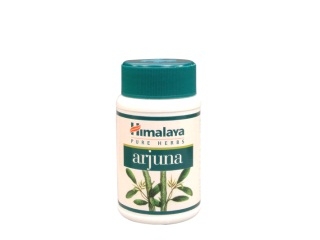

Arjuna (Terminalia arjuna) — Patient Guide (Australia)
Arjuna is a herbal medicine traditionally used in Ayurveda to support cardiovascular health and overall stamina. In Australia, Arjuna is commonly available as an herbal supplement and/or registered therapeutic goods depending on the specific product formulation, strength, and regulatory status. This page provides general educational information to help you understand how Arjuna may work, what it’s typically used for, and how to take it safely.
Always check the label of your specific product for the exact ingredients, strength, recommended dose, and cautions. If you have any medical conditions or take other medicines, consider speaking with a pharmacist or clinician before starting Arjuna.
Basic product information
- Product name: Arjuna
- Active source: Terminalia arjuna (bark extract and related herbal preparations)
- Common forms: capsules, tablets, powders, or liquid extracts (varies by brand)
- Typical use: traditional support for heart health, stamina, and healthy circulation
- Regulatory note in Australia: availability may differ between products classified as complementary medicines and those registered under the Therapeutic Goods framework. Always confirm your product’s listing and label directions.
How Arjuna works (mechanism of action)
While herbal medicines can have multiple bioactive compounds, Arjuna is primarily studied for actions that may support blood flow and cardiovascular function. Proposed mechanisms include:
- Support for vascular function: may help maintain healthy vessel tone and circulation, which is important for cardiovascular performance.
- Antioxidant activity: may help reduce oxidative stress, which is linked to cardiovascular risk over time.
- Potential lipid and metabolic support: some studies suggest effects on cholesterol-related markers, though results can vary by product and study design.
- Support for cardiac muscle resilience: traditional use centres on “cardiac nourishment,” and modern research explores pathways that may relate to heart health.
- Endothelial (inner vessel lining) support: some evidence suggests Arjuna may influence pathways involved in blood vessel health.
Important: The exact mechanism and degree of benefit can vary by extract type, dosage, and your health status. Arjuna should not replace medical care for diagnosed cardiovascular disease.
Pharmacokinetics (what the body does to Arjuna)
“Pharmacokinetics” describes how the body absorbs, distributes, metabolises, and excretes a substance. For many herbal medicines, comprehensive pharmacokinetic data are limited and can differ by extract preparation.
- Absorption: bioactive constituents (e.g., polyphenols) may be absorbed to varying degrees; absorption can be influenced by formulation and food.
- Distribution: active compounds may distribute into tissues involved in metabolism and cardiovascular function, though detailed tissue distribution is not fully established for all products.
- Metabolism: herbal polyphenols are often metabolised in the liver and gut; metabolites may contribute to overall effects.
- Excretion: metabolites are generally eliminated via urine and/or bile, depending on the compound.
If you want the most practical guidance, focus on the label instructions, your tolerance, and how you respond clinically over time.
Typical use and indications (what it’s taken for)
In practice, Arjuna is commonly used as a complementary approach to support:
- Cardiovascular wellness: supporting healthy circulation and heart function as part of overall lifestyle care
- Stamina and physical endurance: traditional support for “strength” and reduced fatigue
- Healthy lipid profile (indirect support): may be used by people aiming to support healthy cholesterol-related markers
- Overall vitality: “tonic” use in traditional settings
Clinical note: If you have angina, heart failure, significant arrhythmias, or are recovering from a cardiovascular event, discuss any supplement use with your healthcare professional. Complementary medicines can interact with prescription therapies and may not address acute or serious conditions.
Dosing: how to take Arjuna (general guidance)
Dosing depends on the product strength and the manufacturer’s standardisation. Always follow the product label. The ranges below are general and may not match your specific brand.
| Product form (typical) | Common adult dosing pattern (general) | Example timing | Notes |
|---|---|---|---|
| Capsules/tablets | Often taken once or twice daily | Morning and/or evening | Use label directions; some products are titrated based on tolerance. |
| Liquid extract | Measured dose once or twice daily | With meals or as directed | Shake if required; use the provided measuring device. |
| Powder | Divided dosing once or twice daily | Mixed with water/food | Ensure consistent preparation each dose. |
Starting strategy: If you’re new to Arjuna or have a sensitive stomach, consider starting at the lower end of the label range (if permitted by the manufacturer) and monitor for any side effects.
Timing: when to take Arjuna
Arjuna is usually taken daily to support longer-term wellness goals. Many people prefer consistent timing to maintain routine.
- For many people: take it with food or shortly after a meal to improve tolerability.
- If your label specifies fasting: follow the label. However, if you experience stomach discomfort, you may need to take it with a light meal (unless the label advises otherwise).
- Consistency matters: taking it at the same time each day can help you track effects and avoid missed doses.
Food interactions: what to know
Food can affect the absorption and tolerability of herbal constituents. While specific interactions are not always fully characterised for every Arjuna product, practical guidance includes:
- Taking with meals may reduce gastrointestinal discomfort for some people.
- High-fat meals may alter absorption for some herbal polyphenols—this varies by formulation.
- Grapefruit and other “enzyme-inhibiting” foods can affect drug metabolism in general; while not specifically proven for Arjuna across all products, it’s prudent to be cautious if you also take medicines with narrow therapeutic windows.
If you notice symptoms after taking Arjuna with a particular type of meal (e.g., nausea, reflux, or cramps), try taking it after a different meal timing (as long as it remains consistent with label instructions).
Alcohol interactions: can you drink while taking Arjuna?
There is limited product-specific evidence on a direct interaction between Arjuna and alcohol. However, combining alcohol with any supplement can:
- Increase stomach irritation (nausea, gastritis symptoms) in some people.
- Complicate monitoring of side effects or tolerability.
- Increase strain on health if alcohol intake is heavy, especially in people with cardiovascular risk factors.
Practical recommendation: If you choose to drink alcohol, consider moderate intake, take Arjuna with food, and avoid heavy drinking. If you develop unusual symptoms, stop alcohol and seek advice from a pharmacist or clinician.
Medicine interactions: what to watch for
Herbal medicines can interact with other treatments by affecting metabolism, absorption, or the way the body regulates circulation and blood pressure. For Arjuna, interactions may be more relevant if you:
- take medicines for blood pressure
- take medicines that affect blood clotting (anticoagulants/antiplatelets)
- take medicines for cholesterol or blood sugar
- take multiple cardiovascular medicines (polypharmacy)
Because individual products vary, always tell your pharmacist about all medicines and supplements you use, including “natural” products. Particular caution is advised for:
- Antiplatelet or anticoagulant medicines (e.g., warfarin, apixaban, rivaroxaban, clopidogrel, aspirin): monitor for unusual bruising or bleeding and seek advice promptly.
- Blood pressure medicines: watch for dizziness, light-headedness, or faintness, especially when standing up.
- Cholesterol-lowering medicines (e.g., statins): while not always interacting, combining therapies may affect tolerability and monitoring needs.
- Diabetes medicines: herbal supplements may influence metabolic markers; watch for symptoms of low blood sugar and ensure regular monitoring if relevant.
If you are unsure: bring the Arjuna product box/bottle and your current medication list to a pharmacist. They can help check for likely interaction risks.
Safety profile: who should be careful?
Many people tolerate Arjuna well, especially at label doses. However, safety depends on your health status, other medicines, and product quality. Reported side effects are not always consistent across studies and can vary by extract.
Common or possible side effects
- Gastrointestinal symptoms (nausea, stomach discomfort, bloating, diarrhoea)
- Headache or mild dizziness (uncommon, but reported with some herbal products)
- Allergic reactions in sensitive individuals (e.g., rash, itching, swelling)
When to seek medical advice promptly
- Any signs of allergy (hives, facial swelling, breathing difficulty)
- Unusual bruising or bleeding, black/tarry stools, or persistent nose/gum bleeding
- Significant dizziness, fainting, or symptoms of very low blood pressure
- Severe abdominal pain or persistent vomiting/diarrhoea
- Symptoms that worsen rapidly or don’t settle
Special populations (caution needed)
- Pregnancy and breastfeeding: safety data may be limited—seek advice before use.
- Children: only use if the product label specifically supports it and a clinician agrees.
- Liver or kidney disease: talk to a healthcare professional before starting.
- History of drug allergies: start carefully and monitor.
- People undergoing surgery: inform your surgeon—particularly if you take medicines affecting bleeding.
Practical use tips for getting the best experience
- Choose a reputable product: select brands with clear ingredient lists, standardisation details, and appropriate labelling.
- Follow the label: don’t exceed the recommended dose. More is not always better with herbal products.
- Be consistent for at least a few weeks: wellness goals typically require regular use rather than short-term trial.
- Track tolerability: note any stomach upset or changes in energy, and adjust timing (with food) if appropriate.
- Keep records: if you’re using Arjuna alongside other cardiovascular strategies, note which changes happen when (sleep, diet, exercise, other supplements).
- Stay hydrated and maintain lifestyle measures: circulation support is strongly influenced by diet, movement, smoking status, and blood pressure control.
How long to take Arjuna?
There is no single “one-size” duration because goals differ. Many people use Arjuna as an ongoing complementary option. A practical approach is:
- Initial trial: try for a few weeks while monitoring tolerability.
- Evaluate: if you experience side effects, stop and discuss with a pharmacist.
- Longer-term use: if beneficial and well-tolerated, continue according to label directions and periodic check-ins with your healthcare professional.
If you have cardiovascular disease or risk factors, continue standard care (e.g., prescribed therapies and regular reviews) and use Arjuna only as an adjunct.
Alternative options (depending on your goals)
If you’re considering alternatives to Arjuna, it can help to match the choice to your goal (general heart health, lipid support, exercise stamina, or antioxidant support). Common alternative complementary approaches include:
- Coenzyme Q10 (ubiquinone/ubiquinol): often used for energy metabolism support and for people taking statins (discuss with a pharmacist).
- Omega-3 fatty acids (fish oil): support cardiovascular health; dosing and product quality matter.
- Magnesium: may support muscle and nerve function; helpful if low intake is suspected.
- Garlic extracts: sometimes used for cardiovascular wellness; may affect bleeding tendency in some people.
- Hawthorn (where available): traditionally used for mild cardiovascular support; interactions are possible with some heart medications.
- Lifestyle-focused supplements: fibre (psyllium), plant sterols, and diet-based strategies for lipid support.
If your primary aim is cardiovascular risk reduction, the most evidence-based steps include blood pressure management, cholesterol management, physical activity, healthy eating patterns, and smoking cessation.
Market and legal context for Australia
In Australia, complementary medicines and herbal products are regulated under the Therapeutic Goods Administration (TGA) framework. Depending on the product classification, Arjuna may be sold as:
- Registered or listed complementary medicines (with specific approved indications/claims), or
- Other regulated categories depending on intended purpose and ingredients.
Key practical implications for customers:
- Claims may be limited: label indications must comply with Australian requirements.
- Quality and ingredient disclosure: reputable products provide clear active ingredients and directions for use.
- Always check the label: look for the manufacturer details, batch/expiry, directions, and cautions.
Recent guidance and safety updates (what to consider now)
Complementary medicine guidance can change over time as regulators update standards for evidence, manufacturing practices, and safety monitoring. Because this can affect labelling and availability, consider:
- Check the product’s TGA status (if available on the label or in the listing information provided by the pharmacy).
- Follow recall and safety notices where relevant (your pharmacy typically helps with this if a product is affected).
- Be cautious with “blended” formulas that add multiple herbs or high-dose extracts—interaction risk may be higher.
If you’ve previously used Arjuna without issues, it’s still worth reviewing the current label and directions each time you purchase, as formulations may change.
Delivery and availability in Australia
Arjuna products are widely available from online pharmacies and health retailers across Australia, depending on the specific brand, formulation, and regulatory classification. Availability can vary by:
- stock levels and supplier lead times
- pack size and strength
- seasonal demand
- regulatory or labelling updates
When ordering online, confirm:
- Expiry date and batch information
- Correct form and strength (capsule count, mg per dose, or extract concentration)
- Shipping options and expected delivery timeframe for your location
- Storage instructions (e.g., keep cool/dry, away from sunlight)
If you have urgent needs (e.g., starting a new regimen), choose services with reliable tracking and consider allowing extra time for regional delivery.
FAQ
Is Arjuna suitable for everyone?
Not necessarily. People who are pregnant or breastfeeding, children, and those with significant liver/kidney problems should seek advice first. If you take blood pressure, blood-thinning, or other cardiovascular medicines, check interactions with a pharmacist.
How soon might I notice effects?
Many wellness effects of herbal supplements are gradual. You may notice changes in how you feel within a few weeks, but measurable changes in cardiovascular risk markers (if monitored) typically require longer periods. Focus on tolerability first, and evaluate after consistent use.
Can I take Arjuna with other supplements?
Sometimes, but be cautious. Combining multiple herbs increases the chance of side effects or interactions. If you take omega-3s, magnesium, CoQ10, or other cardiovascular supplements, it’s best to review your full list with a pharmacist.
What if I miss a dose?
Take it when you remember if it’s not close to your next dose. If it’s near your next dose, skip the missed dose and continue your usual schedule. Don’t double up.
Should I stop Arjuna if I have stomach upset?
If symptoms are mild, try taking it with food and reassess. If discomfort is persistent, severe, or accompanied by rash or bleeding concerns, stop and seek advice from a pharmacist or clinician.
Does Arjuna replace heart medications?
No. Arjuna is intended for complementary wellness support. If you have diagnosed cardiovascular disease, continue your healthcare plan and ask your clinician before using Arjuna as an adjunct.
Can Arjuna interact with blood thinners or aspirin?
Potentially. Because individual products and your medication regimen matter, it’s important to check with a pharmacist—especially if you take anticoagulants or antiplatelet medicines.
How should I store Arjuna?
Store according to the label. Typically, keep it in a cool, dry place away from direct sunlight. Keep out of reach of children and always use the product before the expiry date.
What should I look for when choosing an Arjuna product?
Choose products with clear ingredient lists, standardisation information (if provided), reputable manufacturer details, and straightforward directions. Avoid unlabeled or poorly documented products.
Summary
Arjuna (Terminalia arjuna) is a traditional herbal medicine used by many people to support cardiovascular wellness, stamina, and healthy circulation. Possible supportive actions include antioxidant and vascular support. For best results, take it consistently as directed on the label—often with food—monitor your response, and speak with a pharmacist if you take other medicines or have ongoing health conditions. In Australia, ensure your product meets relevant Therapeutic Goods requirements and is correctly labelled with dosing and cautions.