Amalaki (Amla) – Patient Information for Australia
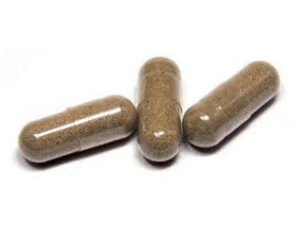
Amalaki (often referred to as Amla in India and traditional Ayurvedic practice) is a herbal dietary supplement made from Indian gooseberry (Phyllanthus emblica). In Australia, Amalaki is commonly purchased as a natural supplement in capsule, tablet, powder, or extract form, aiming to support general wellbeing—particularly antioxidant activity, immune support, and overall metabolic health.
This guide is designed to help you understand what Amalaki is, how it may work, how to take it safely, and what to consider regarding interactions, timing, and practical use. Always follow the product label and consult a healthcare professional if you have a medical condition or take other medicines.
Quick Summary
- What it is: A herbal supplement containing Indian gooseberry (Amla).
- Common goals: Antioxidant support, immune support, and digestive/metabolic wellbeing.
- Forms available: Capsules, tablets, powders, or extracts.
- How to take: Typically once or twice daily, preferably consistently; timing depends on your product form and personal tolerance.
- Key cautions: Possible effects on blood sugar, digestion, or interactions with blood thinners/diabetes medicines in some people.
- In Australia: Marketed as a complementary medicine or health supplement depending on product classification; must comply with Australian regulatory requirements.
Basic Product Information
| Category | Typical details (varies by brand) |
|---|---|
| Active ingredient | Indian gooseberry (Phyllanthus emblica) extract or powder |
| Common supplement forms | Capsules, tablets, powder, liquid extract |
| Typical packaging | “Take X capsules/tablets daily” or “Mix powder with water” |
| Who may use it | Adults seeking antioxidant/immune/digestive support |
| Who should check first | Pregnant/breastfeeding people, children, those on chronic medicines, and those with chronic diseases |
Note: Different products use different standardisations (for example, the amount of polyphenols or specific extract strength). Always check the Supplement Facts / Ingredients panel on the exact Amalaki product you purchase.
How Amalaki May Work (Mechanism of Action)
Amalaki is rich in naturally occurring compounds—particularly polyphenols and vitamin C–related constituents (from the fruit of Indian gooseberry). While supplement effects can vary depending on the preparation and dose, the main proposed mechanisms include:
- Antioxidant support: Polyphenols and related compounds may help neutralise free radicals, which are involved in oxidative stress.
- Immune support (indirect): Antioxidant activity may contribute to normal immune function, supporting the body’s resilience.
- Potential support for metabolic health: Some studies suggest effects on pathways involved in glucose handling and lipid metabolism, though results vary and are not a substitute for diabetes or cardiovascular treatment.
- Digestive wellbeing: Traditional use and early evidence suggest it may support aspects of digestion (for example, comfort in the gastrointestinal tract) in some people.
Important: “Natural” does not automatically mean “risk-free.” Supplements can still interact with medicines or may not be suitable for everyone.
Pharmacokinetics (What We Know About Absorption & Processing)
Because Amalaki is a complex herbal material, its ingredients may be absorbed and processed differently. In general terms:
- Absorption: Plant polyphenols may be partially absorbed in the small intestine, but a significant proportion may pass to the gut where they can be modified by gut microbiota.
- Metabolism: Many polyphenols undergo metabolic transformation in the body (including in the liver and intestines), producing related metabolites.
- Elimination: Metabolites are typically eliminated via urine and bile, though exact timelines depend on the specific extract and person.
- Time course: Effects are often evaluated over days to weeks (as with many nutritional supplements), rather than as a single-dose “instant” effect.
Practical takeaway: Consistency matters. If you’re using Amalaki for ongoing support, it is usually taken daily for at least several weeks before evaluating how you feel or whether you notice benefits.
Typical Use in Adults
In Australia, Amalaki is typically used by adults for:
- Antioxidant support as part of a healthy diet
- General immune health support (complementary approach)
- Metabolic wellbeing (e.g., supporting healthy glucose and lipid metabolism in conjunction with lifestyle)
- Digestive comfort for some individuals
Wellness note: A supplement cannot replace medical care. If you have symptoms or a diagnosed condition, seek appropriate advice.
Indications (How It Is Commonly Marketed)
Product claims vary by brand and regulatory classification. In Australia, herbal supplements like Amalaki are generally presented for wellness and supportive purposes, such as:
- Antioxidant support
- Support of the body’s natural defences (immune support)
- Supporting overall health and vitality
- Supporting digestive wellbeing (depending on product formulation)
Always check: the exact claim and wording on your product label. Some products may be listed as complementary medicines, while others may be categorised as vitamins and minerals or general health supplements. Claims are limited by the relevant Australian rules.
Dosing – Typical Recommendations
Doses for Amalaki depend heavily on the form (powder vs extract), the extract strength, and the manufacturer’s standardisation. For safety and effectiveness, follow the label instructions supplied with your product.
Common starting approaches for adults:
- Lower, gradual start: Many people start at the labelled “half dose” for 3–7 days if they are sensitive to herbal supplements, then increase to the full label dose.
- Typical daily use: Often once or twice daily, depending on the product and dose per serving.
General timing guidance:
- Some people prefer morning: If it feels energising or supports digestion earlier in the day.
- Others prefer with meals: To reduce the chance of stomach upset.
- Split dosing: If taking twice daily, try to space doses 8–12 hours apart.
Do not exceed: the maximum daily dose on the label. If you miss a dose, take it when convenient—do not double unless the label suggests otherwise.
Timing & How to Take Amalaki
Although there is no single “universal” schedule, these practical tips can help you take Amalaki consistently:
- With food vs on an empty stomach:
- If your stomach is sensitive, take Amalaki with a meal.
- If the label specifically recommends an empty stomach, follow that instruction; start slowly if you’re unsure.
- Consistency: Use a daily routine (for example, with breakfast and/or dinner).
- Hydration: Drink adequate water, particularly with capsules/tablets.
- Track effects: Consider noting any changes in digestion, energy, sleep, or appetite over 2–4 weeks.
Food Interactions
Amalaki can be affected by the food environment in the digestive tract. While specific interactions are not as well-established as for prescription medicines, these considerations are useful:
- Absorption may vary with meals: Taking with food may improve tolerability and may influence absorption of certain polyphenols.
- Stomach comfort: If taken on an empty stomach worsens reflux or nausea, taking with meals is often better.
- High-fibre meals: These may slow digestion for some people; if you notice changes, try adjusting timing to your tolerance.
Tip: If you’re pairing Amalaki with other supplements (e.g., vitamin C, antioxidants, probiotics), consider spacing them to reduce gastrointestinal discomfort—unless your label indicates a combined approach.
Alcohol & Medicine Interactions
Alcohol
Moderate alcohol use is generally not expected to create a dramatic interaction with Amalaki for most people, but alcohol can affect:
- Gut irritation (which may overlap with herbal side effects)
- Liver metabolism (relevant to how the body processes many compounds)
Practical advice: If you notice stomach upset or feel unwell after alcohol, consider avoiding Amalaki on those days or taking it with food, and speak with a clinician if symptoms persist.
Interactions with other medicines
Because Amalaki can contain multiple biologically active compounds, interactions are possible—especially in people taking chronic medicines.
Extra caution and professional advice are recommended if you take:
- Diabetes medicines: Some herbal materials may influence blood glucose regulation. Monitoring is important if you already manage diabetes.
- Blood thinning / antiplatelet medicines: Herbal products may affect bleeding risk in some people. If you take anticoagulants or antiplatelets, consult a healthcare professional first.
- Blood pressure medicines: If you notice dizziness or changes in readings, review your supplement use.
- Liver-affecting medications: Anyone with liver disease or taking medications that stress the liver should seek advice before starting.
- Immunosuppressants: Because supplements can influence immune pathways, discuss with your healthcare team.
What to do: Provide your pharmacist or doctor with the exact brand, dose, and ingredient list. Herbal interactions are best assessed by knowing the full context.
Safety Profile
Amalaki is widely used as a dietary supplement. However, safety depends on dose, product quality, individual health, and concurrent medications.
Common or possible side effects
- Gastrointestinal discomfort (nausea, bloating, diarrhoea, or stomach upset), particularly at higher doses
- Loose stools in sensitive individuals
- Headache or mild changes in sleep for some people (less common)
Who should use caution
- Pregnant or breastfeeding (safety data may be limited for supplements)
- Children (use only if a clinician advises and the product is appropriate for age)
- People with diabetes (due to possible blood glucose effects)
- People with bleeding disorders or those on blood-thinning therapy
- People with liver disease or those who have abnormal liver tests
- Those with a history of significant medication sensitivities
When to stop and seek advice
Stop taking Amalaki and seek medical advice promptly if you experience:
- Signs of an allergic reaction (rash, swelling, difficulty breathing)
- Persistent vomiting, severe abdominal pain, or bloody stools
- Unexplained bruising or bleeding
- Symptoms of very low or high blood sugar (e.g., shakiness, confusion, faintness, or severe thirst/urination)
Practical Use Tips
- Choose quality products: Look for brands that provide clear ingredient lists, standardisation information (if available), batch details, and reputable manufacturing.
- Start low: Especially if you have a sensitive digestive system. Consider titrating up over a week.
- Track your response: Note changes in digestion, energy, appetite, and any side effects.
- Give it time: For wellness goals, evaluate over 2–4 weeks rather than after one dose.
- Keep routines simple: Avoid starting many new supplements at once so you can identify what helps or causes side effects.
- Store correctly: Follow label instructions for temperature and moisture; keep out of direct sunlight.
Alternative Options
If Amalaki isn’t right for you (e.g., due to side effects, interactions, or your preferences), there are alternatives you may consider—depending on your goal:
For antioxidant support
- Vitamin C supplements (from natural sources or synthetic)
- Polyphenol-rich supplements (e.g., grape seed extract, green tea extract—check caffeine content)
- Mixed antioxidant formulas that combine multiple plant extracts
For immune and general wellbeing
- Vitamin D (if you have low levels or limited sun exposure)
- Omega-3 (for inflammatory balance—though it’s not an “immune” supplement specifically)
- Probiotics if digestive comfort is a major concern
For digestive wellbeing
- Ginger or peppermint for comfort (where appropriate)
- Probiotics or fibre supplements depending on your symptoms
Note: Alternatives can also interact with medicines. If you’re unsure, ask your pharmacist for a safe option based on your health history.
Amalaki in the Australian Market: Legal & Regulatory Context
In Australia, products like Amalaki are generally supplied under regulation and guidance relevant to complementary medicines and supplements. The exact classification depends on the product’s ingredients and claims.
Key points for customers:
- Claims: Labels must reflect permitted statements for the product category and avoid unsupported claims that could be interpreted as treatment for diseases.
- Quality and consistency: Reputable manufacturers provide standardisation and appropriate documentation.
- Consumer safety: The Australian regulatory system monitors product compliance, adverse event reporting, and product standards.
What this means for you: You can shop online for Amalaki, but make sure you choose a product with clear labelling and evidence-based, responsible claims. If a product makes unusually strong “cure” promises, treat it with caution.
Recent Guidance & Ongoing Considerations
Supplement guidance evolves over time, particularly regarding:
- Reporting adverse events and improving transparency
- Ensuring claims remain within approved categories
- Quality control expectations for herbal extracts and standardisation
Practical update approach: When possible, choose brands that regularly update their labels in line with Australian requirements and provide verifiable manufacturing details (for example, batch numbers and ingredient transparency).
Delivery & Availability in Australia
Amalaki is widely available online through Australian pharmacies and supplement retailers. Availability can vary by:
- Form factor (capsules vs powder)
- Extract strength and standardisation
- Stock timing and seasonal demand
Delivery overview (typical):
- Orders are processed after confirmation and payment.
- Shipping options may include express or standard delivery depending on your location.
- Packaging is usually designed to protect capsules/powders from moisture.
Tip: Check the product page for current dispatch times, delivery estimates, and whether the stock is local or imported.
FAQ – Amalaki (Amla) for Australian Customers
1) What is Amalaki made from?
Most Amalaki supplements are made from Indian gooseberry (Amla), typically in the form of extract or powder derived from Phyllanthus emblica. Exact composition varies by brand.
2) How long does it take to notice benefits?
For general wellness goals, many people evaluate effects over 2–4 weeks. Results vary depending on your health, diet, and the product’s dose and standardisation.
3) Should I take Amalaki with food?
If you’re prone to stomach upset, taking Amalaki with a meal is often more comfortable. If the label suggests otherwise, follow it and start gradually if needed.
4) Can I take Amalaki every day?
Many people do take it daily as a supplement. It’s best to follow the label dose and monitor for side effects. If you have chronic conditions or take regular medicines, confirm suitability with a pharmacist or clinician.
5) Will Amalaki interact with my medications?
Potential interactions are possible, particularly with diabetes medicines, blood thinners/antiplatelet medicines, and other chronic therapies. Always check the label and discuss with a healthcare professional if you take medicines regularly.
6) Is Amalaki safe during pregnancy or breastfeeding?
Safety data for herbal supplements can be limited. It’s advisable to speak with your healthcare provider before using Amalaki during pregnancy or breastfeeding.
7) What side effects should I watch for?
Possible side effects include mild gastrointestinal discomfort or loose stools, particularly at higher doses. Stop and seek advice if symptoms are severe or you develop signs of allergy.
8) Can I take Amalaki with alcohol?
Moderate alcohol use may not cause a direct interaction for everyone, but alcohol can worsen stomach irritation and affect how your body processes compounds. If you notice discomfort, consider adjusting timing or avoiding alcohol on supplement days.
9) How do I choose a good Amalaki product?
Look for products with clear labelling, transparent ingredient lists, appropriate standardisation (where applicable), and reputable manufacturing. Avoid products making extreme claims that seem unrelated to general wellness.
10) What are alternatives if I don’t tolerate Amalaki?
Depending on your goal, alternatives include other antioxidants (e.g., vitamin C), immune support nutrients (e.g., vitamin D if appropriate), omega-3, or probiotics for digestive wellbeing. Choose based on your personal situation and possible interactions.
Final Notes
Amalaki (Amla) is a popular herbal supplement used in Australia for antioxidant, immune, and general wellness support. While many people tolerate it well, safety depends on the product, dose, and your health profile—especially if you take other medicines or manage chronic conditions.
Best practice: Follow the label, start at a comfortable dose, and seek professional advice if you have concerns about interactions or underlying health conditions.