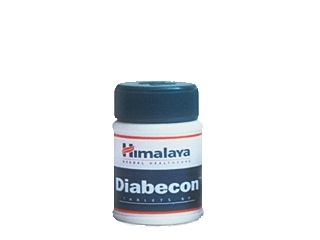

Diabecon (Metformin + Dapagliflozin/Other combinations may vary by brand) – Patient-Friendly Guide (Australia)
Diabecon is an oral medicine used as part of the management of type 2 diabetes. It helps improve blood glucose control and may reduce the risk of diabetes-related complications when used alongside lifestyle measures such as healthy eating, regular physical activity, and weight management.
Important: Formulations and ingredients can vary depending on the specific product sold under the Diabecon brand name in different markets. This page is written to help you understand how Diabecon is commonly used. Always read the label and the consumer medicine information (CMI) supplied with your pack, and confirm the exact strength and active ingredients listed there.
Quick Product Snapshot
| Category | Oral diabetes medicine |
|---|---|
| Common use | Helps lower blood sugar in type 2 diabetes |
| Typical dosing form | Tablets (strengths vary by product) |
| How it’s taken | Usually once or twice daily depending on the prescribed regimen |
| Key safety points | Risk of low blood sugar mainly depends on combination therapy; watch dehydration and stomach side effects |
| Common interactions | Some diabetes medicines, diuretics, alcohol; certain kidney-affecting drugs |
What Diabecon Does (Basic Product Information)
Diabecon is designed to improve blood glucose levels. For many people with type 2 diabetes, blood sugar control requires both lifestyle changes and medicines. Diabecon works by targeting one or more pathways involved in glucose regulation.
Active ingredient(s): Check the package for the exact active ingredient(s) and strength. This matters because dosing and safety considerations depend on the specific medicine.
Who it’s for: Adults with type 2 diabetes who need additional help reaching their target blood glucose levels.
Who it may not be for: People with certain medical conditions (for example, significant kidney impairment or conditions that raise risk of serious side effects) should not use Diabecon unless their clinician has assessed their suitability.
How Diabecon Works (Mechanism of Action)
Diabecon’s mechanism depends on its active ingredient(s). In general, diabetes medicines work through one or more of the following routes:
- Reducing glucose production in the liver and improving insulin sensitivity (common for medicines in the biguanide class).
- Increasing glucose excretion through the kidneys (common for SGLT2 inhibitor medicines), which can also support modest weight loss and mild blood pressure effects in some people.
- Helping the body use insulin more effectively and improving overall glycaemic control.
Why this matters: Understanding the mechanism helps you appreciate expected benefits (such as lower HbA1c over time) and practical safety considerations (such as hydration and kidney-related monitoring for medicines that affect renal glucose handling).
Pharmacokinetics (How the Body Processes It)
“Pharmacokinetics” describes what the body does to a medicine—how it’s absorbed, distributed, metabolised, and excreted. While exact values vary by formulation and individual factors, the general patterns for common diabetes medicine classes include:
- Absorption: Oral tablets are absorbed through the gastrointestinal tract. Food can change absorption rate for some medicines, while others can be taken with or without food.
- Distribution: The medicine circulates in the bloodstream and reaches target tissues involved in glucose regulation.
- Metabolism: Some diabetes medicines are metabolised in the liver; others are largely excreted unchanged. This influences interaction risk with liver-affecting drugs.
- Excretion: Many diabetes medicines depend on kidney function to clear them. Reduced kidney function can increase exposure and side effect risk.
- Onset: Blood sugar can improve within days for some medicines, but full benefits are typically judged using HbA1c measured over ~3 months.
Clinical monitoring: Depending on the active ingredient(s), you may be advised to have periodic checks such as kidney function (e.g., eGFR/creatinine), liver function (if relevant), and HbA1c.
Typical Use and Indications (What Diabecon Is Used For)
Diabecon is used to treat type 2 diabetes. It is typically used as:
- Monotherapy when lifestyle changes and single-agent therapy are not enough, depending on product suitability.
- Combination therapy with other diabetes medicines to improve glycaemic control.
Indications may include:
- Improving blood glucose levels in adults with type 2 diabetes.
- When applicable to the specific active ingredient, reducing certain diabetes-related risks in appropriate patients (your clinician can advise based on your health profile).
Note: Indications can differ between active ingredients and product versions. Confirm what applies to your exact Diabecon formulation by reading the pack instructions.
How to Take Diabecon (Dosing and Timing)
Follow the dosing instructions provided with your Diabecon pack and any diabetes plan from your healthcare professional. Dosing is individual and depends on factors like kidney function, other medications, and prior diabetes treatment.
General dosing principles
- Start low, go slow (often): Some diabetes medicines are increased gradually to reduce side effects.
- Consistency matters: Take the tablet(s) at the same time each day for steady glucose control.
- Do not double up: If you miss a dose, do not take an extra dose unless your pack guidance says so.
Timing
- Once daily regimens: Often taken at the same time each day. Some people prefer morning dosing; others take it with their main meal—follow the product instructions.
- Twice daily regimens: Commonly taken morning and evening, spaced to maintain coverage.
Example schedule (illustrative only)
- Morning: Take with breakfast or as directed.
- Evening: If twice daily, take with dinner or as directed.
If you’re unsure: Check your label for the exact strength (e.g., number of mg per tablet) and your prescribed schedule.
Food Interactions and Dietary Considerations
Food can affect how some medicines are absorbed and tolerated. For Diabecon, the practical advice often looks like this (confirm with your pack):
- With food: Taking with meals can help reduce stomach discomfort for medicines that may cause nausea or indigestion.
- Without food: Some products may be taken with or without food, depending on their formulation.
Diet still matters: Even when taking Diabecon, blood glucose can rise with high-sugar or high-carbohydrate meals. A balanced diet may include:
- High-fibre foods (vegetables, legumes, wholegrains)
- Lean proteins
- Limiting sugary drinks and frequent refined carbs
Alcohol and Medicine Interactions
Alcohol
Alcohol can affect blood glucose levels and can also worsen the risk of certain side effects for some diabetes medicines—particularly if you drink heavily, binge drink, or drink while fasting.
- Avoid heavy or binge drinking.
- If you choose to drink, consider small amounts and monitor your blood glucose more frequently.
- Do not drink if you feel unwell (e.g., vomiting, diarrhoea, dehydration) or if you have been told to restrict alcohol.
Other medicines
Diabetes medicines can interact with other drugs. Common interaction categories include:
- Other glucose-lowering medicines (risk of low blood sugar depending on combination).
- Diuretics (“water tablets”) (may increase dehydration risk for medicines that promote urine glucose loss).
- Blood pressure medicines (may enhance blood pressure lowering in some patients).
- Drugs affecting liver or kidney function (can alter clearance and increase side effects risk).
- Medicines that can affect fluid balance (e.g., corticosteroids in some contexts may raise blood glucose).
Always tell your healthcare professional and pharmacist about all medicines, including over-the-counter products and supplements.
Safety Profile (Common and Serious Side Effects)
All medicines can have side effects. Most people tolerate Diabecon well, but it’s important to know what to watch for.
Common side effects
- Gastrointestinal symptoms: nausea, stomach upset, diarrhoea, or abdominal discomfort (more likely with certain active ingredients).
- Changes in appetite (varies).
- Increased urination and increased thirst may occur with certain diabetes medicines that act through the kidneys.
Less common but important risks
- Dehydration (especially if you also have vomiting/diarrhoea, are in hot weather, or don’t drink enough).
- Genital or urinary infections (some diabetes medicines increase glucose in the urine, which can raise infection risk).
- Low blood sugar (hypoglycaemia): risk is higher when combined with insulin or sulfonylureas; symptoms include sweating, shaking, dizziness, confusion, or hunger.
Seek urgent medical attention if you experience
- Symptoms of a severe allergic reaction: swelling of the face/lips, difficulty breathing, hives.
- Signs of serious dehydration: severe dizziness, fainting, very dark urine, inability to keep fluids down.
- Unusual breathing, severe drowsiness, or persistent vomiting (possible metabolic complications—urgent assessment is needed).
Do not ignore severe or worsening symptoms. If you’re concerned, contact a healthcare professional promptly.
Practical Use Tips for Getting the Best Results
- Take it at the right time: Use a daily reminder (phone alarm, calendar app).
- Stay hydrated: Especially if the medicine can increase urination. Aim for regular fluid intake unless you’ve been advised to restrict fluids.
- Monitor blood glucose if advised: Follow your diabetes plan, particularly when starting or adjusting doses.
- Look after your feet and skin: Diabetes is associated with circulation and skin changes. Report sores or infections early.
- Plan for “sick days”: If you are vomiting, have diarrhoea, have a high fever, or can’t eat or drink normally, contact your healthcare professional for advice. Some people may be advised to temporarily pause certain diabetes medicines during acute illness.
- Keep track of kidney health: Attend scheduled blood tests (e.g., eGFR/creatinine) if recommended.
Tip: Keep a small log of tablets taken, glucose readings (if you monitor), and any side effects. This helps with dose adjustments and clinical review.
Missed Dose Guidance
If you miss a dose of Diabecon, follow the instructions in the pack leaflet. In general:
- Do not take a double dose to make up for the missed tablet.
- Take the next dose at the scheduled time.
If you’re unsure, ask a pharmacist for guidance based on your specific dosing schedule and formulation.
Alternative Options (If Diabecon Isn’t Suitable)
Depending on your health profile, Diabecon may not be the best choice for everyone. Your healthcare professional may consider alternatives from the following groups:
- Metformin-based therapy (where appropriate) for improving insulin sensitivity.
- SGLT2 inhibitors (if indicated and suitable) to promote renal glucose excretion.
- DPP-4 inhibitors to support incretin pathways.
- GLP-1 receptor agonists (injectable options) which can improve glucose control and support weight management.
- Insulin for advanced diabetes management.
- Other oral agents depending on availability, individual risks, and response.
How to choose: Alternatives depend on factors such as kidney function, risk of low blood sugar, heart and kidney history, body weight, side effect tolerability, and current medicines.
Australia Market & Legal/Regulatory Context
In Australia, diabetes medicines are regulated by the Therapeutic Goods Administration (TGA). Diabetes medicines are generally supplied through pharmacies under applicable scheduling and prescribing rules. Availability and specific product details depend on the active ingredient, strength, and whether the product is listed for supply to the public.
Pharmacy supply: Online pharmacy services in Australia must follow relevant state and federal requirements for medicine supply, including identification checks where required, and dispensing procedures consistent with Australian regulations.
Safety and quality: Only obtain medicines from reputable sources. Ensure the packaging includes the Australian product information and batch/expiry details.
Always check: The active ingredient(s) and strength on the carton and blister/bottle label.
Recent Guidance and Clinical Review Considerations
Diabetes management guidance in Australia commonly emphasises a personalised approach based on:
- Individual risks (cardiovascular disease, kidney disease, risk of hypoglycaemia)
- Glycaemic targets (HbA1c goals tailored to age, comorbidities, and overall health)
- Patient preferences (tablet frequency, side-effect tolerance, ability to monitor glucose)
- Ongoing education (diet, physical activity, and “sick day” plans)
As new evidence emerges, clinicians may update preferred medicine choices and monitoring schedules. If you’ve recently started Diabecon or have had your regimen changed, it’s a good idea to review your plan at your next diabetes review.
Delivery, Availability, and Ordering (Australia)
Availability can vary depending on stock levels and the specific strength and form of Diabecon. When ordering online from an Australian pharmacy, you typically can expect:
- Discreet packaging for privacy.
- Expiry and batch information clearly marked on the product.
- Delivery timeframes depending on your location (metro vs regional/remote areas).
What you can do: Confirm your selected product strength, quantity, and the delivery address before payment. If you need to replace an existing medicine due to expiry, plan ahead to avoid running out.
Note: Delivery times are subject to courier schedules and product availability.
Frequently Asked Questions (FAQ)
1. What is Diabecon used for?
Diabecon is used to help manage type 2 diabetes by improving blood glucose levels. It works alongside diet and exercise.
2. How long does Diabecon take to work?
Some people notice blood glucose improvements within days. However, diabetes control is usually assessed using HbA1c, which reflects average blood sugar over about 3 months. Your clinician will guide follow-up testing.
3. Can I take Diabecon with food?
Many diabetes medicines can be taken with or without food, but others are better tolerated with meals. Check your product label for the exact instruction for your Diabecon formulation.
4. What happens if I miss a dose?
Follow the missed-dose instructions in the pack leaflet. In general, do not double up. If you’re unsure, ask a pharmacist for guidance based on your dosing schedule.
5. Does Diabecon cause weight change?
Weight effects vary by active ingredient and individual response. Some diabetes medicines can cause modest weight loss, while others are weight-neutral or weight-promoting. Your pack information and your clinician can advise for your specific formulation.
6. Can Diabecon cause low blood sugar?
Low blood sugar risk depends on your overall regimen. Diabecon alone may carry a lower risk compared with some other diabetes medicines, but risk can increase when combined with insulin or sulfonylureas. If you monitor glucose, follow your diabetes plan.
7. Are there alcohol restrictions?
Moderation is advised. Heavy drinking can increase the risk of side effects and can destabilise blood glucose. Avoid binge drinking and do not drink if you’re unwell, dehydrated, or unable to eat normally.
8. Who should be extra careful?
People with kidney impairment, dehydration risk, recurrent urinary/genital infections, or complex medication regimens should be assessed carefully. If you have any medical conditions not listed in your pack leaflet, ask a pharmacist or clinician for advice.
9. What side effects should I watch for?
Common effects may include stomach upset. Seek urgent care if you develop symptoms of a severe allergic reaction, significant dehydration, or concerning metabolic symptoms (for example, persistent vomiting with feeling unwell).
10. What are the key monitoring steps?
Monitoring depends on your medicine and health. Common checks include blood glucose readings (if advised) and periodic blood tests such as kidney function and HbA1c.
Summary
Diabecon is an oral medicine commonly used to manage type 2 diabetes in Australia. By improving glycaemic control through its specific active ingredient(s), it helps reduce the day-to-day and long-term impact of elevated blood glucose—when used alongside diet, activity, and regular monitoring.
For best results: take it consistently as directed, review side effects early, maintain hydration, and attend recommended diabetes reviews and blood tests.
Always check the pack for the exact strength and instructions for your version of Diabecon, and consult a healthcare professional if you have questions about suitability, interactions, or symptoms.