Shallaki (Boswellia serrata extract) — Patient Guide for Australia
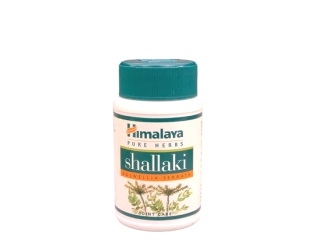
Shallaki is a herbal medicine commonly used to support joint comfort and flexibility. It contains an extract from Boswellia serrata (frankincense), standardised to boswellic acids. Many Australians use Shallaki as part of a long-term approach to managing everyday aches and stiffness—particularly those related to inflammatory conditions and exercise-related strain.
This guide explains how Shallaki works, how it’s typically taken, what to expect, important safety considerations, and practical tips to get the most benefit. It also includes Australia-specific information about availability and regulatory context.
Quick overview
| Feature | What to know |
|---|---|
| Product name | Shallaki (Boswellia serrata extract) |
| Type | Herbal medicine / supplement-style product (varies by brand presentation) |
| Main ingredient | Boswellia serrata extract (standardised boswellic acids) |
| Common uses | Joint comfort, stiffness, and mobility support |
| How it works | Targets inflammation pathways; may support reduced inflammatory activity in joints |
| Typical onset | Some people notice early changes; more consistent benefits may take several weeks |
| How to take | Usually taken daily, with timing depending on the specific product label |
| Availability | Online and in-store depending on the brand; check Australian listing and pack size |
Basic product information
Shallaki is marketed for joint health and comfort. While exact composition and dosing can differ between brands, most versions are based on an extract of Boswellia serrata, often standardised for boswellic acids. These compounds are thought to contribute to Shallaki’s anti-inflammatory activity.
What’s in it?
- Active ingredient: Boswellia serrata extract (often standardised to boswellic acids).
- Form: commonly capsules or tablets.
- Strength: varies by product—always confirm the exact boswellic acid content and recommended dose on your specific pack.
Who usually takes it?
- People seeking support for stiffness and joint comfort.
- Those looking for an adjunct approach alongside lifestyle measures (e.g., physiotherapy, exercise, weight management).
- Individuals who prefer herbal-based options for longer-term joint support.
Mechanism of action (how Shallaki may work)
Shallaki’s primary botanical compounds—boswellic acids—are studied for their potential to influence inflammatory processes. While no single mechanism explains all effects, several pathways have been proposed.
- Modulating inflammatory signalling: Boswellic acids are believed to influence mediators involved in inflammation.
- Supporting joint comfort: By reducing inflammatory activity at the tissue level, the product may help improve comfort and mobility over time.
- Antioxidant properties: Some constituents of frankincense extracts may contribute to antioxidant activity, which can be supportive in chronic inflammatory states.
Important note: Individual responses vary. Shallaki is generally considered a supportive option rather than a fast-acting pain reliever.
Pharmacokinetics (what happens to the body)
Pharmacokinetics describes how a substance is absorbed, distributed, metabolised, and eliminated. For herbal extracts like boswellia, exact data can vary depending on the product formulation and standardisation method.
General considerations:
- Absorption: Boswellic acids may have variable absorption. Standardised extracts and specific formulations can influence how much is absorbed.
- Distribution: After absorption, compounds may circulate and reach tissues, including areas associated with inflammation.
- Metabolism: Like many dietary and herbal compounds, metabolism can occur in the liver and other tissues.
- Elimination: Metabolites are eventually cleared via normal body processes.
Practical takeaway: Because absorption and effectiveness can be influenced by formulation and routine use, it’s important to take Shallaki consistently and allow sufficient time for benefits to develop.
Typical use and indications
Shallaki is typically used to support joint comfort, especially in people experiencing stiffness or reduced mobility due to day-to-day strain or chronic inflammatory processes.
Common indications (how it may be used):
- Support for joint discomfort and stiffness
- Complementary support for mobility and range of motion
- General inflammatory support related to osteoarthritis-like symptoms or other inflammatory joint concerns (based on product claims and evidence for specific preparations)
What Shallaki is not intended to do: It is not designed to provide immediate relief like an acute pain medication. Most people seek gradual improvement with ongoing use.
How and when to take Shallaki
The most accurate dosing and timing instructions are those on your specific Shallaki product label. Because products may differ in strength and formulation, the guidance below provides typical patterns.
Typical timing
- Once daily or split doses: Many brands recommend once daily or twice daily dosing depending on the total daily amount.
- Consistency matters: Taking it at the same time each day can help maintain routine and improve the chance of steady benefits.
- Expect gradual benefit: Some individuals notice changes earlier, but a more reliable improvement may take several weeks.
Dosing (general guidance)
Follow your pack instructions. As a rule, dosing is usually calculated based on the extract strength (including standardised boswellic acids).
Typical adult dosing patterns you may see:
- Adults: commonly 1,000–1,500 mg per day of standardised extract in divided or single dosing (exact amount varies by product).
- Children: suitability depends on age and product formulation; check label directions and speak with a pharmacist if uncertain.
If you miss a dose: Take it when you remember unless it’s close to the next dose. Do not take double the amount.
Food interactions (what to know with meals)
Food can influence absorption of herbal compounds. While Shallaki may be taken with or without food depending on tolerance, some people find improved stomach comfort when taken with meals.
- With food: may reduce the chance of mild stomach upset.
- Empty stomach: may be tolerated by some, but if you experience nausea or reflux, try taking it with a meal.
Practical tip: If your label doesn’t specify, start with taking Shallaki with breakfast or lunch, then adjust based on how you feel and your product instructions.
Alcohol and medicine interactions
Alcohol
Shallaki is a herbal product and is generally tolerated by many users. However, alcohol can irritate the stomach and may affect how your body handles metabolism and inflammation.
- Moderation is recommended: Avoid excessive alcohol intake.
- Watch for symptoms: If you notice increased stomach discomfort, dizziness, or worsening reflux after alcohol while using Shallaki, consider reducing or avoiding alcohol and speak with a pharmacist.
Interactions with other medicines
Because herbal products can interact with medications through metabolism pathways, it’s important to review your medication list. Report all supplements and medicines to your pharmacist.
Particular caution areas include:
- Blood thinning medicines (anticoagulants/antiplatelets): If you take medicines that affect clotting, ask a pharmacist for personalised advice.
- Anti-inflammatory or pain medicines: Shallaki may be used alongside these for some people, but dose and monitoring are important—especially if you have underlying conditions or flare-ups.
- Diabetes medicines: If you have diabetes and your medicines are carefully managed, monitor for any unexpected changes in how you feel and discuss with a clinician.
- Liver conditions or liver-affecting medicines: If you have liver disease or take medicines known to affect liver function, seek medical advice before use.
General rule: Do not start or stop other medicines on your own. If you’re on long-term therapy, a pharmacist can help check compatibility.
Safety profile and precautions
Most people tolerate Shallaki well, but as with any medicine or supplement, side effects and precautions can occur.
Common or mild side effects
- Gastrointestinal upset: nausea, stomach discomfort, or mild diarrhoea
- Heartburn or reflux: particularly if taken on an empty stomach
- Headache or dizziness: less common
Serious side effects (seek urgent advice)
Stop use and seek prompt medical advice if you experience signs of a serious reaction such as:
- Swelling of the face, lips, or throat
- Difficulty breathing or wheezing
- Severe rash, hives, or blistering skin
- Persistent vomiting or severe abdominal pain
Who should be cautious
- Pregnancy and breastfeeding: safety may not be established. It’s best to consult a healthcare professional before use.
- Children and adolescents: suitability depends on product formulation and age. Check label instructions.
- Liver disease: consult a pharmacist or doctor before use, particularly if liver enzymes are abnormal or you take liver-affecting medicines.
- Bleeding disorders or anticoagulant therapy: seek advice due to potential interaction with clotting mechanisms.
- Planned surgery: discuss use with a clinician, especially if you take medicines that affect bleeding.
- Allergy to herbal ingredients: if you’ve had reactions to similar products, speak with a pharmacist.
Allergy note: Herbal extracts can vary between brands. If you’ve experienced allergies to frankincense resin or related preparations, avoid and seek advice.
Practical use tips for best results
Shallaki is typically used for longer-term joint support. To get the most from it:
- Be consistent: take it daily at the same time (or as directed by the label).
- Allow time: set expectations for a gradual improvement over weeks rather than days.
- Track symptoms: consider noting pain/stiffness levels before starting and weekly after to see trends.
- Support it with lifestyle measures: gentle strengthening, stretching, and appropriate activity can improve outcomes.
- Use with safe exercise: avoid “pushing through” severe pain. If symptoms worsen, reassess and consider professional guidance (e.g., physiotherapist).
- Consider timing with meals: if you get stomach upset, take with food.
- Review your entire routine: include other supplements (e.g., turmeric/curcumin, omega-3, glucosamine) when discussing use with a pharmacist.
How to judge effectiveness: A product like Shallaki may help more with stiffness and comfort than with sudden pain spikes. If you do not notice any benefit after the label-recommended trial period, consider speaking with a healthcare professional for alternatives.
Alternative options for joint comfort (Australia)
If Shallaki doesn’t suit you or you want to explore other options, there are several categories commonly used for joint comfort. Availability depends on brand and whether the product is classified as a complementary medicine, listed medicine, or dietary supplement.
Common alternatives
- Curcumin (turmeric extracts): used for inflammatory support; formulations vary in absorption enhancement.
- Omega-3 (fish oil): may support inflammatory balance in some people.
- Glucosamine and chondroitin: commonly used for osteoarthritis-related symptoms (evidence varies by product and person).
- Topical treatments: such as diclofenac gel (where appropriate) may help localised pain with lower systemic exposure.
- Physiotherapy and exercise therapy: often one of the most effective long-term approaches for improving mobility and reducing stiffness.
- Other herbal options: e.g., ginger, boswellia blends—always check ingredients and standardisation.
Choosing the right option: the best choice depends on your symptoms, medical history, and what other medicines you take. A pharmacist can help you weigh benefits and safety.
Market and legal context for Australia
In Australia, herbal and complementary medicines are regulated through the Therapeutic Goods Administration (TGA). Products may be:
- Listed medicines or registered medicines depending on evidence and regulatory requirements.
- Supplied with product information that includes recommended use, ingredients, and safety warnings.
Key compliance points for shoppers:
- Look for a product that clearly states its ingredients, standardised extract details, and dose.
- Choose reputable brands with clear manufacturing and quality practices.
- Check for a TGA listing where applicable and follow the label instructions.
Important: Always follow the directions on the product packaging and consult a healthcare professional if you have ongoing conditions or take regular medications.
Recent guidance and what to expect
In recent years, the broader focus in Australia has been on responsible use of complementary medicines—particularly around:
- Quality and standardisation: ensuring the product contains consistent active constituents.
- Safety monitoring: paying attention to possible interactions with medicines and underlying health conditions.
- Evidence-based expectations: using herbal products as supportive measures and reassessing if benefits are not seen.
What this means for you: take Shallaki as directed, give it time, and if you experience side effects or worsening symptoms, stop and seek advice from a pharmacist or clinician.
Delivery and availability in Australia
Shallaki may be available online through Australian pharmacies and health stores depending on the brand and pack size. Shipping timeframes and stock availability can vary.
- Availability: commonly stocked in capsule or tablet formats.
- Delivery: typically dispatched within the store’s standard processing period (check the product page for current timing).
- Packaging: products are usually supplied in manufacturer packaging with label details intact.
Tip: For the best match, confirm the product’s boswellic acid standardisation and the recommended daily dose printed on your chosen pack before ordering.
Storage
- Store in a cool, dry place, away from direct sunlight.
- Keep out of reach of children.
- Follow the storage instructions on the label.
FAQ — Frequently asked questions about Shallaki
1) How long does it take for Shallaki to work?
Many people report gradual improvement. Some notice changes in days to a couple of weeks, but more consistent benefit often takes several weeks. Consistent daily use and symptom tracking can help you assess whether it’s working for you.
2) Can I take Shallaki with other joint supplements?
Sometimes yes, but it’s best to check the full list of ingredients and your health profile. Combining multiple products that affect inflammation or clotting (depending on their components) can increase the chance of side effects or interactions.
3) Should I take Shallaki with food?
If your stomach is sensitive, taking it with meals may reduce the risk of nausea or reflux. If your label advises otherwise, follow the label instructions.
4) Does Shallaki replace my usual treatment?
Shallaki is commonly used as a supportive option. Do not stop other treatments without advice from a qualified healthcare professional—especially if you have an ongoing condition.
5) Is Shallaki suitable for everyone?
Not always. People who are pregnant or breastfeeding, those with liver disease, those taking anticoagulants/antiplatelet medicines, and those with a history of allergic reactions should seek personalised advice before use.
6) What side effects might I experience?
The most common effects are mild gastrointestinal symptoms such as stomach upset or heartburn. Seek urgent help for signs of a serious allergic reaction.
7) Can I drink alcohol while taking Shallaki?
Moderate alcohol is generally not specifically prohibited, but alcohol can irritate the stomach and may affect overall wellbeing. If you notice worsening symptoms after drinking, reduce or avoid alcohol and consult a pharmacist.
8) What if I miss a dose?
Take it when you remember unless it’s near the next dose. Do not double up.
9) When should I stop and get advice?
Stop use and seek medical advice if you develop a severe rash, swelling, breathing difficulty, persistent severe abdominal pain, or other concerning symptoms.
10) How do I choose the right Shallaki product?
Compare the boswellic acid standardisation and the exact daily dose recommended on the label. If you’re unsure, ask a pharmacist to help interpret the product information.
Important reminder
Every person’s needs are different. If you have a chronic condition, take regular medicines, or plan surgery, speak with a pharmacist for guidance on safe use. For ongoing or worsening joint symptoms, consider professional assessment to determine the cause and the best long-term plan.