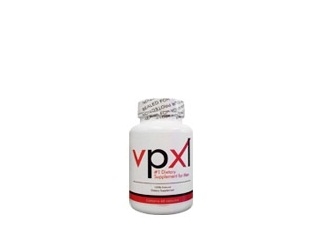
VPXL (Voxilaprevir + Velpatasvir) — Patient Information
VPXL is an antiviral medicine used to treat certain hepatitis C (HCV) infections in adults. It contains two active ingredients: voxilaprevir and velpatasvir. This combination medicine works by blocking key steps in the hepatitis C virus life cycle, helping the body clear the virus.
This page is written to help you understand how VPXL works, how it is typically taken, and what to consider for safe use. Always follow the instructions given by your healthcare professional and the product information you receive with your medicine.
Quick overview
| Feature | What you need to know |
|---|---|
| Medicine name | VPXL (voxilaprevir + velpatasvir) |
| Common purpose | Treatment of hepatitis C infection (HCV) |
| How it works | Blocks viral proteins required for replication |
| Typical dosing | Usually taken once daily with food (per regimen/label) |
| Key safety focus | Drug interactions, liver function monitoring |
| Common side effects | Headache, fatigue, nausea; many people feel well |
| Important considerations | Interaction with certain medicines (especially acid-reducing drugs) |
Basic product information
VPXL is an oral direct-acting antiviral (DAA) combination medicine. It is designed to treat hepatitis C caused by the HCV virus.
- Active ingredients: voxilaprevir and velpatasvir
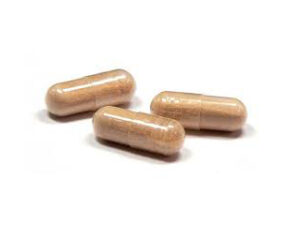
- Medicinal form: tablets (exact brand presentation may vary by product listing)
- Route: oral (by mouth)
Different treatment regimens may apply depending on your HCV type, prior treatment history, liver health, and other medical factors. Your healthcare team will confirm the best regimen and duration for you.
How VPXL works (mechanism of action)
Hepatitis C is caused by an RNA virus that relies on specific proteins to copy itself inside liver cells. VPXL contains two antivirals that act at different points in this process:
- Velpatasvir blocks NS5A, a viral protein required for viral replication and assembly.
- Voxilaprevir blocks NS3/4A protease, an enzyme the virus needs to cut viral proteins into functional parts.
By combining these actions, VPXL helps stop the virus from multiplying and spreading, allowing your immune system (and the effects of the medication) to clear the infection.
Pharmacokinetics (how the body handles VPXL)
“Pharmacokinetics” describes how the medicine is absorbed, distributed, metabolised, and eliminated.
- Absorption: VPXL components are absorbed after oral administration. Taking the medicine with food may improve absorption and overall effectiveness for many people.
- Metabolism: Both active ingredients are processed by the liver through metabolic pathways, including enzymes such as CYP pathways.
- Elimination: The medicine and its metabolites are removed from the body primarily via the biliary (through the bile) and faecal route, with some contribution from the urinary route.
- Half-life (general concept): Active drug persists long enough to support once-daily dosing for many approved regimens.
Because VPXL is affected by liver function and by drug interactions (for example, other medicines that change drug levels), it’s important to review your current medications with a clinician or pharmacist.
What VPXL is used for (indications)
VPXL is indicated for the treatment of chronic hepatitis C virus (HCV) infection in adults, including situations where infection may have persisted after prior therapy.
Exact eligibility depends on:
- HCV genotype (types 1–6 are relevant to different DAA combinations)
- Whether you have received HCV treatment previously
- Your liver condition (e.g., compensated cirrhosis vs more advanced disease)
- Other health factors and medicine interactions
Your healthcare professional will determine whether VPXL is appropriate for you and the intended course length.
Typical dosing and timing
Important: The dosing schedule and duration must match your prescribed regimen and product instructions.
In many standard VPXL regimens used in practice, the medicine is taken:
- Once daily
- With food (unless your clinician instructs otherwise)
- For a defined number of days based on your treatment history and liver status
How to take VPXL
- Take your tablet at the same time each day to help you remember.
- Swallow whole with water.
- If you have difficulty swallowing, speak with a pharmacist about what options are available for your specific tablet formulation.
- If you miss a dose, follow the guidance given by your healthcare professional or the leaflet that came with your medicine. (Do not take a double dose unless instructed.)
Timing with meals
Because VPXL is often recommended with food, try to take it during or immediately after a meal. If you consistently eat at certain times, choosing a routine meal time may make adherence easier.
Food interactions
Food can affect absorption. VPXL is commonly taken with food to support consistent drug levels.
- Take with food: This is often the recommended approach for optimal effectiveness.
- Large changes in meal timing: Try to keep meal timing consistent day to day if possible.
- Grapefruit and similar fruit juices: While not universally applicable, many medicines are sensitive to certain dietary components. Ask your pharmacist whether any specific foods or supplements are a concern for you.
If you have diabetes or other dietary constraints, you can still take VPXL with meals that suit your health plan.
Alcohol and medicine interactions
Alcohol: While VPXL is an antiviral medicine, it treats hepatitis C, not alcohol use itself. Drinking alcohol can worsen liver inflammation and increase the risk of liver complications, especially if you have existing liver disease. For the best liver outcomes, discuss alcohol use with your healthcare professional; many people are advised to avoid alcohol during treatment.
Alcohol interaction summary
- No common direct “chemical” interaction is typical for antivirals, but alcohol can harm the liver and undermine treatment benefits.
- Alcohol may worsen side effects like nausea or fatigue in some people.
Medicine interactions (very important)
VPXL can interact with other medicines. Some drugs can change VPXL levels, potentially making it less effective or increasing side effects. Others may also affect the liver.
Tell your pharmacist or clinician about all medicines you take, including:
- Prescription medicines
- Over-the-counter medicines
- Herbal products (e.g., St John’s wort)
- Supplements and vitamins
Below are common interaction categories to discuss. Your clinician/pharmacist will confirm what applies to you:
-
Acid-reducing medicines (antacids and acid blockers):
- Proton pump inhibitors (PPIs) and some H2 blockers can affect absorption of velpatasvir.
- Some regimens require careful timing or dose limits, or may recommend alternative stomach treatments.
- Antacids and aluminium/magnesium products can require spacing away from VPXL.
-
Strong enzyme inducers:
- Medicines that strongly induce liver enzymes can reduce antiviral levels and lead to treatment failure.
- Examples may include some anti-epileptics (depending on the specific agent) and herbal products such as St John’s wort.
-
HIV medicines and other antivirals:
- Some combinations require monitoring and careful selection due to potential level changes.
-
Statins and cholesterol medicines:
- Interaction risk exists because changes in antiviral levels can alter statin exposure, raising the chance of side effects such as muscle-related problems.
-
Immunosuppressants:
- In transplant recipients, drug interactions can be complex and require close monitoring.
Do not start, stop, or change doses of any other medicine without checking with a pharmacist or clinician.
Safety profile and precautions
Most people tolerate VPXL well. However, as with all medicines, side effects and warnings apply. Your healthcare professional will consider your medical history, liver function, and other medicines before and during treatment.
Common side effects
Commonly reported effects can include:
- Headache
- Fatigue
- Nausea
- Sometimes other mild gastrointestinal symptoms
Serious risks (seek urgent medical advice)
Serious reactions are uncommon, but it’s important to know what to watch for.
-
Signs of liver problems (especially if you already have liver disease):
- Yellowing of the eyes or skin (jaundice)
- Dark urine
- Severe tiredness or worsening abdominal pain
- Bleeding or bruising more easily than usual
-
Allergic reaction (uncommon):
- Swelling of face/lips
- Difficulty breathing
- Rash with itching or blistering
If you develop concerning symptoms during treatment, contact your healthcare professional promptly.
Before and during treatment: key precautions
- Liver function assessment: Monitoring may be required during treatment.
- Medication review: Because interactions are a major concern, a full review of your medicines is essential.
- Hepatitis B reactivation: People with past or ongoing hepatitis B infection may have hepatitis B reactivation when treated for hepatitis C with DAAs. Clinicians often screen for hepatitis B and monitor if needed.
Practical use tips for best results
Successful treatment depends not only on the medicine but also on taking it correctly and consistently. Here are practical steps that can help:
- Use a daily reminder: Set an alarm or use a medication app.
- Take it with your meal: This helps adherence and supports absorption.
- Keep a medication list: Carry a list of all your medicines and supplements to every appointment.
- Plan for stomach medicines: If you use antacids or acid reducers, ask your pharmacist how to time them relative to VPXL.
- Avoid “trial and error” supplements: Herbal products can interact with prescription medicines.
- Watch for side effects, but don’t stop without advice: Many side effects are mild. If you feel unwell, seek advice rather than stopping suddenly.
Adherence matters
Consistent dosing helps maintain effective drug levels. If you struggle to remember doses or have trouble taking tablets with food, discuss solutions early—there may be practical adjustments.
Alternative options
There are multiple direct-acting antiviral regimens for hepatitis C, and the best choice depends on your HCV genotype, prior treatment history, and liver health.
Alternative approaches may include:
- Other DAA combinations (different active ingredients and treatment durations)
- Regimens tailored to cirrhosis status or to previous treatment experience
- Supportive care and monitoring as part of HCV management
Your clinician can compare options based on your lab results and medication interactions. If VPXL is not suitable, there may be other DAA combinations that better fit your situation.
Market and legal context in Australia (patient-focused)
In Australia, medicines for hepatitis C are supplied through regulated channels and must be used according to Australian prescribing and dispensing rules. Access may involve specialist assessment and ongoing monitoring.
What this means for you:
- Medicines like VPXL are provided under the healthcare system’s safety framework, including appropriate assessment and review of drug interactions.
- Online pharmacies may supply medicines in line with Australian regulations, identity verification procedures, and product requirements.
- Because hepatitis C treatment can be complex (especially with other medicines), reputable providers will typically support you with medication information and safe-use checks.
If you have questions about eligibility, reimbursement pathways, or how treatment is accessed in Australia, ask your healthcare professional or the pharmacy team assisting you.
Recent guidance and monitoring (what to expect)
Australian and international hepatitis C treatment guidance evolves as new data emerge. In recent years, DAAs have become standard therapy with high cure rates. Ongoing recommendations commonly include:
- Baseline testing: Viral load and liver assessment, often including fibrosis or cirrhosis evaluation.
- Medication interaction review: Especially for acid-reducing medicines and strong enzyme inducers.
- Hepatitis B screening: To reduce risk of HBV reactivation in people with past hepatitis B exposure.
- Follow-up testing after treatment: To confirm viral clearance (sustained response) using appropriate lab tests.
Your clinic or healthcare team will provide a monitoring schedule that fits your situation.
Delivery and availability (online pharmacy)
Availability of VPXL may vary depending on supplier stock and your location. When ordering online, reputable services typically aim for safe, timely delivery across Australia.
- Processing time: Orders may require verification and preparation before dispatch.
- Delivery timeframes: These depend on your postcode and the courier service used.
- Packaging: Medicines are generally supplied in manufacturer packaging with information for safe use.
- Cold chain: VPXL is typically handled as standard ambient storage (unless packaging instructions specify otherwise).
If you need the medicine urgently, check with the pharmacy about dispatch cut-off times and expected delivery to your area.
FAQ — Frequently asked questions
1. What is VPXL used for?
VPXL is used to treat adults with hepatitis C virus (HCV) infection. Your eligibility depends on your HCV history, including prior treatment and your liver status.
2. How long will I need to take VPXL?
Treatment duration depends on the specific regimen recommended for you. Your healthcare professional will specify the number of days based on your medical history and test results.
3. When should I take VPXL during the day?
Most regimens use once-daily dosing. Take it at the same time each day and generally with food as directed in your instructions.
4. Can I take VPXL with an antacid?
Some antacids and acid-reducing medicines can affect VPXL absorption. It’s important to discuss your stomach medicines with a pharmacist. They can advise on spacing (e.g., separating doses) or alternative options.
5. What if I miss a dose?
Follow the miss-dose guidance provided with your medicine or from your healthcare professional. In general, don’t take a double dose unless instructed.
6. Is it safe to drink alcohol while on VPXL?
While VPXL is an antiviral, alcohol can worsen liver health. Many people are advised to avoid alcohol during treatment. Speak to your healthcare professional about what is safest for you.
7. What medicines commonly interact with VPXL?
Drug interactions vary, but acid-reducing medicines, strong enzyme inducers, and certain cholesterol, HIV, or transplant medications are common areas requiring review. Always provide your pharmacist with a full list of your medicines and supplements.
8. Will VPXL cure hepatitis C?
For many people, DAA regimens like VPXL achieve very high cure rates. Cure is confirmed through follow-up lab testing after completion of treatment, as advised by your clinician.
9. What side effects should I watch for?
Common side effects include headache, fatigue, and nausea. Contact a healthcare professional promptly if you experience signs of significant liver problems (such as jaundice) or symptoms of a serious allergic reaction.
10. Do I need monitoring during treatment?
Yes. Monitoring may include liver function tests and checks for viral response. If you have (or had) hepatitis B, additional monitoring may be required.
Important final reminders
- Follow your dosing schedule exactly and take VPXL with food as directed.
- Review all other medicines and supplements with a healthcare professional to prevent interactions.
- Don’t stop VPXL early without medical advice.
- If you have symptoms suggesting liver trouble or an allergic reaction, seek help promptly.