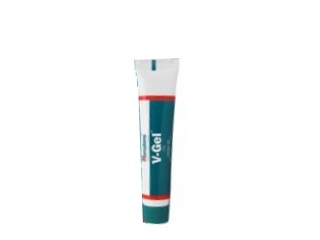
V-gel (Urethral Gel) – Patient Information (Australia)
V-gel is a topical lubricating anaesthetic gel used to help reduce discomfort and provide local numbing during certain urinary catheter procedures. It is designed to make catheter insertion easier and more comfortable, supporting safer and more tolerable urinary access when clinically indicated.
This page is written to help you understand what V-gel is, how it works, how it’s typically used, and what to consider for safe use. Always follow the instructions provided by your healthcare professional and the product label.
Quick Product Overview
| Category | Details |
|---|---|
| Medicine type | Urethral/local anaesthetic gel (topical) |
| Main purpose | Lubrication and local numbing during catheterisation |
| Typical setting | Clinical use in catheter insertion procedures |
| How it’s used | Applied into the urethra via a pre-filled applicator |
| Key benefits | Comfort support, reduced pain/discomfort, improved ease of insertion |
Note: Exact composition, strength, and instructions may vary by pack and brand version. Check the specific product label for the active ingredient(s), concentration, pack size, and directions for use.
What V-gel Is
V-gel is a pre-filled topical gel used for local anaesthesia of the urethra and to provide lubrication. It’s used to reduce discomfort associated with catheter insertion and related urinary procedures.
Depending on the clinical context, V-gel may be used for:
- Male or female urethral catheterisation procedures
- Intermittent catheter insertion
- Healthcare facility or home-care catheter use (when directed)
How It Works (Mechanism of Action)
V-gel works through a combination of:
- Local anaesthesia: The active local anaesthetic ingredient numbs the urethral lining. This reduces sensation and discomfort during catheter insertion.
- Lubrication: The gel’s lubricating properties help the catheter slide more easily, reducing friction and potentially lowering pain or urethral trauma.
- Coating effect: Gel application helps coat the urethral surface, allowing the anaesthetic to contact tissue before catheter placement.
In simple terms: V-gel helps make the catheterisation process feel less uncomfortable and easier to perform.
Pharmacokinetics (How the Body Handles It)
Because V-gel is used topically in the urethra, the overall systemic absorption is generally low compared with medicines taken by mouth. However, some absorption can occur, especially if used on irritated or inflamed tissue, repeated frequently, or in higher-than-recommended amounts.
General pharmacokinetic principles for topical local anaesthetics:
- Absorption: Primarily local effect with limited systemic absorption under normal use.
- Distribution: If absorbed, local anaesthetics distribute through the bloodstream to various tissues.
- Metabolism: Most local anaesthetics are metabolised mainly by the liver.
- Elimination: Metabolites are removed via the kidneys and/or other elimination pathways.
Clinical relevance: If you have liver disease, kidney impairment, or are using other local anaesthetic-containing products, it’s important to discuss safe use with your healthcare professional. Inappropriate dosing increases the chance of side effects from systemic absorption.
Typical Uses and Indications
V-gel is commonly used for urethral catheterisation to:
- Improve patient comfort during catheter insertion
- Reduce pain or discomfort associated with urethral instrumentation
- Support easier catheter passage
It may be indicated when:
- Catheter insertion is required for bladder management
- There is a need to reduce discomfort during urethral access
- Healthcare providers recommend local anaesthesia to improve tolerability
Who should not use it without advice? If you have a known allergy or sensitivity to the gel’s active ingredients (including local anaesthetics) or related anaesthetic drugs, seek medical advice before use.
Dosing and Timing (How to Use)
V-gel is supplied as a gel applicator typically designed for a single procedure. The dose used generally corresponds to the contents of the provided applicator and the clinical instruction for that procedure.
Typical timing:
- Apply: The gel is introduced into the urethra using the applicator.
- Wait briefly: Many protocols include a short waiting period to allow local numbness to develop before catheter insertion. Your product label or healthcare provider will specify the timing.
- Insert catheter: Once the gel has had time to take effect, insert the catheter as instructed.
Important: Always follow the exact directions on your V-gel pack and the instructions given by your treating clinician. Instructions may differ depending on patient sex, catheter type, and the specific procedure.
Food Interactions
Because V-gel is a topical urethral gel, it is not expected to have direct interactions with food in the way oral medicines do. However, overall tolerability can be affected by factors such as hydration status and general health.
Practical note:
- There’s typically no specific requirement to fast for V-gel use.
- Stay hydrated as advised by your healthcare professional, particularly if catheterisation is part of your ongoing care.
Alcohol and Medicine Interactions
V-gel’s intended action is local, but systemic effects are possible—especially if larger amounts are used, tissue is inflamed, or it is used repeatedly.
Alcohol
- General caution: Alcohol can worsen drowsiness or affect safety if systemic absorption occurs or if you’re also using medicines that cause dizziness.
- Practical approach: Avoid heavy alcohol intake around the time of catheterisation unless your clinician has said it is safe.
Other medicines (including other local anaesthetics)
- Local anaesthetics: Using additional local anaesthetic products at the same time may increase the risk of additive side effects.
- Medications affecting the liver: Since local anaesthetics are metabolised primarily by the liver, severe liver impairment can increase risk of side effects.
- Medicine interactions via systemic levels: While systemic absorption is usually low, always tell your healthcare provider about all medicines you use, including creams, gels, and dental or skin numbing products.
If you have concerns about a specific medicine combination, ask a pharmacist to check for interaction risks.
Safety Profile: Side Effects and When to Seek Help
Most people tolerate V-gel well when used correctly. However, like all medicines, it can cause side effects.
Common or mild effects
- Temporary burning or stinging (especially if the urethra is irritated)
- Temporary discomfort or a feeling of numbness
- Local redness or irritation
Less common but important risks
- Allergic reactions: rash, itching, swelling, breathing difficulties
- Systemic local anaesthetic effects: dizziness, ringing in ears, metallic taste, drowsiness, or in severe cases, seizures or irregular heartbeat (rare, but urgent)
- Urinary complications: persistent pain, bleeding, or inability to pass urine after catheterisation may require medical review
Seek urgent medical help if
- You develop signs of anaphylaxis (trouble breathing, swelling of face/lips, collapse)
- You experience severe symptoms suggestive of systemic local anaesthetic toxicity (confusion, seizures, fainting, severe dizziness, fast/irregular heartbeat)
- Catheterisation is associated with significant bleeding, severe pain, or you cannot urinate as expected
Call a healthcare professional if side effects persist or worsen.
Practical Use Tips (Patient-Friendly)
These tips can help make catheterisation safer and more comfortable. Your clinician’s instructions always come first.
- Use sterile/clean technique: Follow the infection control steps provided for catheter insertion.
- Check the gel expiry date: Do not use expired product.
- Inspect the pack: Do not use if the applicator is damaged or the seal is broken.
- Use the correct amount: Apply only the recommended contents. More is not better.
- Allow appropriate timing: Wait for the gel to take effect before catheter insertion as instructed.
- Go gently: If you feel resistance, stop and seek advice rather than forcing the catheter.
- Hydration matters: Maintain adequate fluids if your care plan allows, as dehydration can contribute to discomfort.
- Report issues: If you repeatedly experience burning, bleeding, or difficulty inserting, contact your healthcare professional. You may need reassessment of technique or catheter type.
Hygiene reminder: Follow your healthcare provider’s guidance on handwashing, cleaning of the urethral area, and safe disposal of used materials.
Alternative Options
Depending on the reason for catheterisation and your comfort needs, healthcare professionals may consider alternatives. These can include:
- Lubricating gels without local anaesthetic: For people who cannot use local anaesthetic-containing products.
- Catheterisation technique adjustments: Changes to catheter size, type, or insertion approach may reduce discomfort.
- Other local anaesthetic preparations: Alternative formulations may be used in some settings.
- Non-drug comfort measures: Training, supportive positioning, and patient coaching can improve tolerability.
If you’re considering alternatives due to side effects, poor tolerability, allergy, or repeated difficulties, speak with a pharmacist or clinician to select a suitable option.
Australia: Market, Legal and Guidance Context
In Australia, medicines and therapeutic goods are regulated through the Therapeutic Goods Administration (TGA). Availability, scheduling, and supply pathways depend on product classification, approved uses, and local regulatory arrangements.
For urinary catheters and related products, categories may include medical devices and therapeutic goods. Always verify the specific product listing on the label and any provided documentation (for example, indication, dosage instructions, and warnings).
Recent guidance (general):
- Clinical services continue to emphasise appropriate catheter care and infection prevention.
- There is a growing focus on patient-centred comfort strategies, including local anaesthetic gels when appropriate.
- People using catheterisation at home are advised to follow structured training and to seek assessment if they experience repeated discomfort, bleeding, fever, or urinary symptoms.
Because guidance can change, the most reliable source for local and up-to-date recommendations is your healthcare professional and authoritative clinical references.
Delivery and Availability (Australia)
V-gel availability may vary by pack size and supplier. When sold through an online pharmacy, delivery is typically available across metropolitan and regional areas in Australia, subject to product classification and local shipping requirements.
- Shipping speed: Options may include standard or express delivery depending on your location.
- Packaging: Medicines are usually packed to protect from damage during transport.
- Temperature handling: Store as directed on the pack. If refrigeration or protection from heat is required, the label will specify it.
- Stock updates: If a specific pack is temporarily unavailable, the pharmacy may offer alternatives or notify you.
Always check your order confirmation for the exact product name, strength (if applicable), and pack size.
Storage and Disposal
- Storage: Store according to the label instructions (commonly in a cool, dry place away from direct sunlight).
- Keep out of reach of children: Even topical products should be stored safely.
- Disposal: Used applicators and packaging should be disposed of safely in line with local waste guidelines and infection control advice from your healthcare provider.
FAQ – Frequently Asked Questions
1) What is V-gel used for?
V-gel is used to provide local numbing and lubrication during urethral catheterisation to reduce discomfort and support easier insertion.
2) How do I know how much V-gel to use?
V-gel is typically provided in a pre-filled applicator meant for a single procedure. Use the amount specified on your pack and follow the timing instructions from your clinician or the product label.
3) When should I insert the catheter after applying V-gel?
Many procedures include a short waiting time to allow the anaesthetic to take effect. The exact timing should be followed from the product label and your healthcare provider’s instructions.
4) Can I eat or drink before using V-gel?
There are usually no food-related restrictions because V-gel is used topically. However, follow any general pre-procedure instructions given to you for the catheterisation process.
5) Are there alcohol interactions?
Because effects are mainly local, direct alcohol-food interactions are not expected. However, alcohol may increase dizziness or affect safety if any systemic absorption occurs. Use caution, and ask your pharmacist if you’re unsure.
6) What if I have burning, bleeding, or persistent pain?
Some mild, temporary discomfort can occur. If pain is severe, bleeding is significant, or symptoms persist, seek medical advice promptly. You may need technique adjustment, different catheter sizing, or evaluation for infection or irritation.
7) Can V-gel be used if I’m allergic to anaesthetics?
If you have a known allergy or sensitivity to the gel’s active ingredients (including local anaesthetics), do not use unless a clinician has advised it is safe for you. Discuss alternatives with a pharmacist.
8) Is V-gel safe for home use?
Home use may be appropriate for some patients when trained and directed by a healthcare professional. Follow strict hygiene and catheter care instructions to reduce infection risk.
9) Are there alternative products if I can’t use V-gel?
Alternatives may include lubricating gels without local anaesthetic, different catheter types, or other local anaesthetic preparations depending on your situation. A clinician can help choose the safest option.
10) How quickly will it work?
V-gel is designed to take effect locally to reduce discomfort during catheter insertion. Waiting the recommended short time before catheter insertion is important for best comfort benefits.
Summary
V-gel is a topical urethral lubricating and local anaesthetic gel used to make catheterisation procedures more comfortable and tolerable. It works locally by numbing the urethral lining and reducing friction during catheter insertion. When used correctly, it can support patient comfort during urinary instrumentation.
If you have questions about suitability, timing, or safety—particularly if you have allergies, liver or kidney impairment, or you use other medicines—speak with a pharmacist or healthcare professional. For the most accurate instructions, always refer to the product label and the guidance you were given for your catheterisation plan.