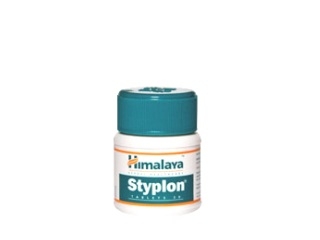
Styplon (incl. mechanism, dosing, safety and use tips)
Styplon is a medicine used to help manage diarrhoea. It works by slowing down movement of the bowel and helps the body retain fluids, which can reduce the number of bowel movements and improve stool consistency.
This page provides patient-friendly information about Styplon for customers in Australia. Always read the label and follow your healthcare professional’s advice if you’ve been given personalised instructions.
Quick overview
| Topic | What to know |
|---|---|
| Uses | Helps reduce symptoms of diarrhoea (especially acute diarrhoea). |
| How it works | Reduces bowel motility and helps increase stool consistency. |
| Common timing | Often taken after the first loose stool and then as directed for the shortest needed time. |
| Food | Food can affect comfort and absorption for some people; follow product directions. |
| Alcohol | Alcohol may worsen dehydration/irritation and interact with diarrhoea management. |
| When to seek help | Seek urgent medical care if there’s blood in stool, high fever, severe pain, or signs of dehydration. |
Basic product information
Styplon contains loperamide as its active ingredient. Loperamide is an anti-diarrhoeal medicine used to manage diarrhoea.
Styplon is available in different strengths and forms depending on the local product presentation. Your pharmacist or the product pack will confirm the exact strength and dosing instructions.
Category: Antidiarrhoeal (antimotility) medicine.
What does Styplon do? (Mechanism of action)
Loperamide works primarily in the bowel. It:
- Slows intestinal movement by acting on opioid receptors in the gut.
- Increases water and electrolyte retention by reducing transit speed.
- Helps improve stool consistency and reduces the urgency to pass stool.
Important: Styplon helps control symptoms. It is not a cure for the underlying cause of diarrhoea (such as infection). If diarrhoea is due to certain infections or if symptoms are severe, other treatments may be needed.
How the body handles it (Pharmacokinetics)
Understanding how loperamide behaves can help explain why it’s usually taken in short courses and why certain people need extra caution.
- Absorption: Loperamide is absorbed from the intestine, but much of it is processed before reaching the bloodstream.
- Metabolism: It is extensively metabolised in the liver.
- Distribution: The medicine primarily acts in the gut; only small amounts reach systemic circulation in typical use.
- Excretion: Metabolites are eliminated mainly via the faeces (and to a lesser extent urine).
Why this matters: Because the liver plays an important role in processing loperamide, people with liver disease require extra caution and should not exceed the recommended dose.
Typical use (Indications)
Styplon is commonly used to treat:
- Acute non-bloody diarrhoea in adults and older children (as directed on the product pack and by healthcare professionals).
- Chronic diarrhoea in some conditions where symptom control is needed (for example, under medical guidance).
Not for every diarrhoea cause: Styplon is generally not recommended when diarrhoea may involve certain infections that require the body to clear the infection (for example, when there is blood or mucus in stool or when fever is present). If you have these symptoms, check with a healthcare professional promptly.
Timing and how to take Styplon
Follow the directions on the pack or from your pharmacist. In general, loperamide products are taken as follows:
- Start: Take after the first episode of loose stool.
- Continue: Take additional doses after subsequent loose stools, as directed.
- Stop: Stop once your bowel movements have returned to normal or after the maximum recommended period (often no more than 2 days for acute diarrhoea unless advised otherwise).
Practical tip: Keep up with fluids and electrolytes. Anti-diarrhoeal medicines treat symptoms, but rehydration is essential, especially for children and older adults.
Food interactions
Styplon can usually be taken with or without food. However, food may affect how quickly you feel relief and how comfortable your stomach feels.
General practical guidance:
- If you’re nauseated, take with a small amount of food or a snack (unless your pack says otherwise).
- Continue to drink fluids regularly (water and oral rehydration solutions are often the best choices).
- Avoid very heavy, fatty meals during diarrhoea episodes, as they can worsen symptoms.
When to be careful: If you have persistent vomiting, severe abdominal pain, or signs of dehydration, contact a healthcare professional rather than relying solely on symptom medicines.
Alcohol and medicine interactions
Alcohol does not directly “cancel out” loperamide in most people, but it can make diarrhoea worse by contributing to dehydration and irritation of the digestive system.
Recommendations:
- Avoid alcohol while you have diarrhoea and you’re rehydrating.
- If you choose to drink, limit intake and ensure adequate fluid replacement.
Medicine interactions: Some medicines can increase loperamide levels in the body or increase the risk of side effects, particularly at higher doses.
Discuss with a pharmacist if you take:
- CYP3A4 inhibitors (can affect drug metabolism), such as certain antifungals or antibiotics.
- P-glycoprotein (P-gp) inhibitors (may alter absorption/efflux).
- Other medicines that slow gut motility (increases risk of constipation/ileus).
- Medicines that affect the heart rhythm or electrolyte balance (especially if you have diarrhoea-related dehydration).
Safety note: Do not exceed the recommended dose. Intentional overdose of loperamide has been associated with serious heart rhythm problems. If you think you have taken too much, seek urgent help immediately.
Dosing guidance (general patient information)
Always use the exact dosing instructions on your specific Styplon pack. Doses differ by age, strength and formulation. Below is general guidance for loperamide-based products.
Adults (general approach):
- Initial dose: Usually a larger dose after the first loose stool.
- Subsequent doses: Smaller doses after each additional loose stool.
- Maximum daily dose: Do not exceed the maximum stated on the pack.
Children:
- Use only if the product label allows use in the child’s age group and you understand the dosing.
- Children are more vulnerable to side effects. Seek advice from a pharmacist or healthcare professional.
- Do not use in very young children unless specifically directed.
Chronic diarrhoea: Dosing is often adjusted to achieve normal bowel movements, but this should be guided by a healthcare professional.
If diarrhoea persists: If symptoms continue beyond the advised time (commonly 48 hours for acute diarrhoea), stop and seek medical advice.
Safety profile and side effects
Most people tolerate loperamide well when used appropriately, but side effects can occur. The likelihood increases when doses are too high or used too long.
Common side effects
- Constipation
- Stomach cramps or abdominal discomfort
- Nausea
- Dry mouth or mild dizziness
- Flatulence
Seek medical help urgently if you have
- Severe abdominal pain or a swollen belly
- Blood in stool or black/tarry stools
- High fever or worsening symptoms
- Signs of dehydration (very dry mouth, little urine, extreme tiredness)
- Rash, breathing trouble or severe allergic symptoms
Special precautions
- Liver disease: Use with extra caution; avoid exceeding doses.
- Electrolyte imbalance: Dehydration from diarrhoea can affect potassium and magnesium levels, which can influence heart rhythm risk.
- Older adults: Greater sensitivity to constipation and dehydration risk—monitor closely.
- Children: Risk is higher; dose accuracy is essential.
Practical use tips (to get the best and safest outcome)
- Prioritise fluids: Use an oral rehydration solution if you’re having frequent watery stools.
- Use the shortest course: Stop once bowel movements normalise.
- Track frequency: Note how many times you’re passing stool and whether blood/fever are present.
- Avoid driving if affected: If you feel dizzy or unwell, don’t drive.
- Don’t “stack” doses: If another anti-diarrhoeal product is used, check ingredients to avoid doubling up.
- Watch for constipation: After diarrhoea improves, do not continue taking more than necessary.
Alternative options for diarrhoea management
Choice depends on the cause and severity. Alternatives may include:
- Oral rehydration solutions (ORS): Often the most important treatment for diarrhoea.
- Diet adjustments: Small, bland meals and plenty of fluids (avoid alcohol and overly fatty foods).
- Probiotics: Some people benefit in certain infectious diarrhoea settings, though results vary.
- Other anti-diarrhoeal medicines: Some products contain different active ingredients; check suitability carefully.
- Medical assessment: If symptoms are severe, persistent, or associated with red flags (blood, fever, severe pain), a healthcare professional may recommend targeted treatment.
When to choose not to use Styplon: If there is blood in stool, high fever, severe abdominal pain, suspected dysentery, or if diarrhoea lasts longer than the recommended period, avoid self-management and get timely advice.
Market and legal context for Australia
In Australia, medicines like loperamide-based anti-diarrhoeals are made available through community pharmacy. Availability depends on product classification, pack size, and the current Australian regulatory framework.
Customers should note:
- Product information: Use the pack’s instructions for dosing and warnings.
- Pharmacy guidance: Pharmacists can help determine suitability, especially for children, pregnancy/breastfeeding, or people with liver disease.
- Safety monitoring: Consumers are encouraged to report adverse effects to relevant authorities.
Recent guidance (general patient approach): If diarrhoea is severe, persists, or is accompanied by fever or blood, do not delay seeking assessment. Rehydration remains a core recommendation, and antimotility medicines should be used only when appropriate and at recommended doses.
Delivery and availability (online pharmacy)
Styplon may be available from Australian online pharmacies depending on current stock levels and supplier availability. Delivery options and dispatch times vary by store.
When you order, typical steps include:
- Order confirmation: Once payment is processed, your order is confirmed.
- Dispatch: Items are dispatched after stock is checked and packed.
- Delivery tracking: Many pharmacies provide tracking information.
Availability: If Styplon is temporarily out of stock, you may be offered alternatives with the same active ingredient or a different formulation. If you have specific needs (e.g., particular strength or age-appropriate form), contact customer support.
FAQ
How long can I take Styplon for diarrhoea?
For acute diarrhoea, follow the product instructions. Many loperamide-containing products are intended for a short course and should be stopped once bowel movements are normal. If diarrhoea continues beyond the recommended timeframe (commonly 48 hours for acute diarrhoea), seek advice.
Can I take Styplon if I have fever or blood in my stool?
If diarrhoea is accompanied by blood, mucus, or high fever, it may indicate a more serious condition. Check with a pharmacist or doctor promptly rather than continuing self-treatment.
Will Styplon stop diarrhoea immediately?
Some people notice improvement relatively quickly, but response varies. If symptoms are not improving as expected or worsen, stop and seek medical advice.
Is it safe to use Styplon during travel?
Many travellers keep loperamide for short-term diarrhoea management. Use it only for appropriate symptoms and follow the pack dosing. Remember that hydration is often more important than symptom control.
Can I take Styplon with food?
Typically, you can take it with or without food. If diarrhoea comes with nausea, a small snack may improve comfort. Always follow the instructions on your specific pack.
Can I drink alcohol while using Styplon?
It’s generally best to avoid alcohol while you have diarrhoea, as it can worsen dehydration and irritate the gut. If you drink, keep it minimal and focus on rehydration.
What should I do if I miss a dose?
If you miss a dose and diarrhoea is still present, take the next dose according to the pack schedule. Do not take extra doses to make up for a missed one.
What if I get constipated?
Constipation can happen, especially if the medicine is continued after improvement. Stop Styplon and allow bowel function to normalise. Seek advice if constipation is severe or you can’t pass stool or gas.
Who should get advice before using Styplon?
Ask a pharmacist or healthcare professional if you have:
- Liver disease
- Severe dehydration or significant weakness
- Diarrhoea with fever or blood
- Ongoing or recurrent diarrhoea
- Are pregnant or breastfeeding
- Children (age and dosing matter)
What are good next steps if diarrhoea doesn’t improve?
Continue fluids/ORS and stop Styplon if advised by the product label timeframe. Seek medical advice if symptoms persist, become severe, or include red flags like blood, fever, severe pain, or signs of dehydration.
Remember: This information is general. For the safest use, always follow the directions on the Styplon pack and consult a pharmacist if you are unsure—especially for children, liver conditions, pregnancy/breastfeeding, or if you take other medicines.