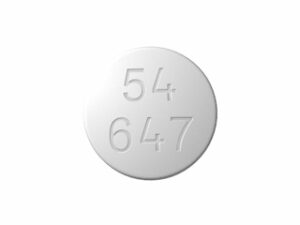

Conjugated Estrogens (CEE) — Patient Information
Conjugated estrogens (often abbreviated as CEE) are medicines that contain a mixture of naturally occurring estrogen hormones. They are used to treat certain hormone-related conditions in people who have ovaries that no longer produce enough estrogen, or in specific situations where estrogen therapy is appropriate.
This guide is designed to be patient-friendly and to help you understand how conjugated estrogens work, how they are typically taken, and what to watch for. Always follow the advice provided by your healthcare professional and the instructions on your medicine label.
Basic product information
- Medicine name: Conjugated estrogens
- Also known as: CEE (conjugated equine estrogens are a common type of conjugated estrogen product)
- Drug type: Hormone replacement therapy (HRT) / estrogen therapy
- Common route: Oral tablets (availability may vary by product brand and strength)
- Active ingredient: Conjugated estrogen mixture
Products may differ in strength (for example, 0.3 mg, 0.625 mg or other strengths depending on the formulation). Your specific dose should be matched to your condition and individual risk profile.
How conjugated estrogens work (mechanism of action)
Estrogen is a key hormone involved in many body functions, including reproductive health, the menstrual cycle, bone maintenance, vaginal tissue integrity, and aspects of cardiovascular and metabolic function.
Conjugated estrogens act by binding to estrogen receptors in tissues such as the uterus, cervix, breast, liver, skin, and bones. This helps:
- Replace oestrogen when natural production is reduced (e.g., around menopause or after ovarian failure)
- Support bone density by slowing bone breakdown
- Relieve estrogen-deficiency symptoms such as hot flushes and night sweats
- Improve urogenital symptoms (for example, vaginal dryness and discomfort) in appropriate patients
In people with a uterus, estrogen therapy often needs to be paired with a progestogen to reduce the risk of endometrial overgrowth. This is important for safety and long-term use.
Pharmacokinetics (how your body handles CEE)
The pharmacokinetics describe what happens to the medicine from the time you take it until it is cleared from the body.
- Absorption: CEE is absorbed through the gastrointestinal tract after oral dosing.
- Distribution: Estrogens circulate and bind to plasma proteins; they distribute to estrogen-responsive tissues.
- Metabolism: Conjugated estrogens are metabolised mainly in the liver.
- Elimination: Metabolites and conjugated forms are eliminated through urine and bile/feces pathways.
Individual responses can vary based on factors such as liver function, age, interacting medications, and formulation.
What conjugated estrogens are used for (typical use)
Conjugated estrogens may be used to treat symptoms related to estrogen deficiency and certain hormone-responsive conditions. Common clinical uses include:
- Menopausal symptoms (e.g., moderate to severe hot flushes and night sweats) due to natural menopause or ovarian insufficiency
- Prevention of postmenopausal osteoporosis in selected patients at risk (when appropriate for their situation)
- Other estrogen-responsive conditions where estrogen therapy is considered medically appropriate
Your clinician will weigh benefits and risks based on your age, symptom severity, time since menopause, personal and family medical history, and other medications.
Indications and suitability
In Australia, the specific approved indications and product directions depend on the brand and formulation. In practice, estrogen therapy is generally considered when:
- You have clinically significant menopausal symptoms that affect quality of life
- You are at risk of osteoporosis and other options are not suitable or appropriate
- There is a specific medical rationale for using estrogen in your condition
Suitability depends strongly on your risk factors, including:
- History of blood clots (venous thromboembolism)
- Stroke or cardiovascular disease
- Known or suspected estrogen-dependent cancers
- Unexplained vaginal bleeding
- Severe liver disease
When to take it (timing and how to start)
Timing depends on the formulation and the prescribed schedule. Many oral estrogen regimens aim to provide steady hormone levels.
- Follow your label: Take the tablet exactly as directed.
- Consistency helps: Try to take it at about the same time each day.
- Starting therapy: Your clinician may review symptoms and adjust dose over time.
If you are switching from another estrogen product, you may require dose changes—do not substitute without medical guidance.
Dosing (general guidance)
Dosing varies by indication, product strength, and whether a uterus is present. Typical dosing strategies include:
- Menopausal symptoms: The goal is to use the lowest effective dose for the shortest duration needed to control symptoms.
- Bone protection: Doses may differ based on risk and response.
- People with a uterus: Estrogen is typically combined with a progestogen regimen to reduce endometrial risks.
Important: For personalised dosing, you should rely on your prescribed regimen and follow-up plan. Avoid changing dose or stopping abruptly unless advised.
Food interactions and dietary considerations
For most oral estrogen products, food does not usually require special timing adjustments. However, food can affect stomach emptying and absorption speed for some medicines.
- Practical approach: Take your dose at the time you normally choose each day.
- If you experience nausea: Taking with food may help (unless your product label says otherwise).
- Maintain consistency: Try not to vary the timing dramatically day-to-day.
If your specific brand leaflet indicates “take on an empty stomach” or any special instructions, follow that guidance.
Alcohol and medicine interactions
Moderate alcohol use does not usually directly “cancel out” estrogen therapy. However, alcohol can influence:
- Liver metabolism (relevant because estrogen is metabolised in the liver)
- Cardiovascular risk factors depending on overall intake and personal health profile
- Hot flushes and sleep (some people find alcohol can worsen symptoms)
If you have liver problems, drink heavily, or notice symptom changes with alcohol, discuss it with your clinician. Also consider that alcohol may increase side effects such as dizziness or nausea in some people.
Other medicine interactions (important)
Conjugated estrogens can interact with other medicines. Some interactions can lower estrogen effectiveness, while others can increase the risk of side effects by affecting hormone levels.
Common interaction categories include:
- Enzyme inducers (can reduce estrogen levels): for example, certain anti-seizure medicines, rifampicin-type antibiotics, and some medicines used for HIV treatment.
- Some anti-fungal and antiviral medicines (may affect estrogen metabolism): interaction potential depends on the specific drug.
- Herbal products: St John’s wort may reduce estrogen levels.
- Medications affecting clotting or bleeding: estrogen can influence clotting risk, so bleeding/clotting medicines should be reviewed carefully.
- Thyroid medicines: estrogen may change thyroid-binding proteins; dose adjustments may be needed in some patients.
Always provide a full list of your medicines to your healthcare professional, including over-the-counter products and supplements. If you start or stop another medicine, it may affect your estrogen therapy.
Safety profile (what to know before and during use)
Like all medicines, conjugated estrogens can cause side effects. Many people tolerate estrogen therapy well, but it is important to recognise serious risks and seek help promptly if they occur.
Common side effects
- Nausea or stomach upset
- Headache
- Tenderness or swelling of the breasts
- Vaginal spotting or change in bleeding pattern
- Fluid retention or bloating
- Mood changes
Serious risks (seek urgent medical advice)
Contact urgent medical care or seek immediate help if you develop symptoms suggestive of:
- Blood clots (e.g., sudden one-sided leg swelling, pain, redness; sudden shortness of breath; coughing blood)
- Stroke (e.g., sudden weakness or numbness on one side, trouble speaking, facial droop, sudden vision changes)
- Possible endometrial problems (e.g., new or persistent unexpected vaginal bleeding)
- Liver problems (e.g., yellowing of skin/eyes, severe abdominal pain, dark urine)
- Severe allergic reaction (e.g., swelling of face/lips, difficulty breathing, widespread rash)
Your clinician will assess your individual risk. Risk can change with age, health conditions, smoking status, and changes to other medicines.
Who should be extra cautious
- People with a history of thromboembolism or stroke
- Those with high risk factors for clotting
- Anyone with a history of hormone-sensitive cancers
- People with unexplained vaginal bleeding
- Those with liver disease
Practical use tips
- Use the right product strength: Only take the dose prescribed for your situation.
- Track symptoms: Keep notes on hot flushes, sleep, mood changes, and any bleeding pattern changes.
- Report bleeding changes promptly: New or persistent unexpected vaginal bleeding should be assessed.
- Review regularly: Periodic review helps confirm ongoing need and ensures you remain on the lowest effective dose.
- Support bone health beyond hormones: Adequate calcium and vitamin D intake, weight-bearing exercise, and avoiding smoking help protect bone health.
- Be mindful with travel or immobility: During long trips or recovery from surgery, clot risk may increase; discuss your plan with your clinician.
Pharmacovigilance and “what to do if you miss a dose”
If you miss a dose, take it as soon as you remember on the same day. If it is close to the time of your next dose, skip the missed dose and continue your schedule.
- Do not double up to make up for a missed tablet unless your clinician specifically instructs you to.
- If you are unsure, check your product leaflet or ask a pharmacist for guidance.
Alternative options
Depending on your symptoms and risk factors, alternatives may include:
Non-hormonal options for menopausal symptoms
- Certain prescription non-hormonal medicines (your clinician can advise)
- Lifestyle strategies such as cooling measures, paced exercise, and sleep hygiene
- Managing triggers (for example, identifying foods or alcohol that worsen flushes)
Other hormone regimens
- Different estrogen types (for example, other oral estrogens or transdermal estrogen products)
- Vaginal estrogen preparations for local urogenital symptoms (for example, vaginal dryness), depending on your needs
Bone protection alternatives
- Other osteoporosis prevention/treatment medicines
- Calcium, vitamin D, and structured exercise programs
Choice depends on what you’re treating, your medical history, and your tolerance of side effects. Your clinician can help compare options.
Market and legal context for Australia
In Australia, estrogen-containing medicines are regulated through the Therapeutic Goods Administration (TGA). Availability, indications, and safety communications may change over time as new evidence becomes available.
When using any hormone therapy, Australian healthcare practice generally emphasises:
- Individualised benefit–risk assessment
- Using the lowest effective dose
- Reassessing regularly to determine whether ongoing therapy is needed
- Appropriate protection for the uterus where relevant (combination regimens)
Patients are encouraged to keep follow-up appointments and report changes in health promptly.
Recent guidance and clinical updates (general)
Across many countries (including Australia), recent clinical emphasis for menopausal hormone therapy has commonly focused on:
- Careful selection of patients and lowest effective dose
- Shortest duration compatible with treatment goals
- Regular review of cardiovascular and clotting risk factors
- Attention to bleeding patterns and endometrial safety when a uterus is present
Keep in mind that recommendations can be updated as evidence evolves. Your clinician can tell you what the latest advice means for your situation.
Delivery and availability (Australia)
Conjugated estrogens may be available through authorised pharmacies and online pharmacy services where permitted by Australian laws and regulations. Availability depends on stock levels, product brand, strength, and formulation.
- How to check stock: Use the product page for the specific brand/strength you require.
- Delivery areas: Many services deliver across Australia; delivery time depends on location and courier schedules.
- Order processing: Orders may be dispatched the same day or next business day depending on verification and stock.
- Packaging: Medicines are typically packed securely with patient information included.
If you have questions about delivery timelines, you can contact customer support. If the exact strength is unavailable, the pharmacy may suggest acceptable alternatives if appropriate.
Conjugated estrogens: quick-reference summary
| Topic | What you should know |
|---|---|
| Medicine type | Estrogen hormone therapy (HRT) |
| Common use | Menopausal symptoms and selected hormone-related conditions |
| How it works | Activates estrogen receptors to relieve deficiency symptoms and support tissues |
| How to take | Usually once daily by mouth; follow your label and schedule |
| Food | Often not a major issue; take consistently and follow product leaflet instructions |
| Alcohol | May affect liver metabolism and symptoms; use moderation |
| Key safety watch-outs | Unusual bleeding, symptoms of blood clots or stroke, liver symptoms |
| Review | Regular reassessment for lowest effective dose and ongoing need |
FAQ (Frequently Asked Questions)
1. Is conjugated estrogens the same as “bioidentical” estrogen?
Conjugated estrogens are a specific formulation of estrogen compounds. “Bioidentical” is a broad term used for hormones that are described as chemically identical to those made in the body. Whether a product is considered “bioidentical” can vary by product and marketing definitions. Ask your pharmacist or clinician if you’re uncertain about the product you’ve been prescribed.
2. How long does it take to work for menopausal symptoms?
Many people notice improvement in hot flushes and night sweats within a few weeks, though some symptoms may take longer. Your clinician may reassess after an appropriate trial period and adjust the regimen if needed.
3. Can I stop conjugated estrogens once I feel better?
Don’t stop suddenly without discussing it with your clinician. Symptoms may return after stopping. Your clinician can help you plan a safe approach, including whether gradual reduction is appropriate for your situation.
4. What if I get vaginal bleeding after starting treatment?
Light spotting can occur, especially early in therapy, but new, persistent, or heavy bleeding should be assessed. Unexplained bleeding can be a sign that the regimen needs review.
5. Do I need a progestogen as well?
If you have a uterus, estrogen alone can increase the risk of endometrial changes. Many treatment plans include a progestogen component to reduce this risk. Your clinician will advise the safest regimen for you.
6. Are there foods I must avoid?
Usually, there are no specific foods that must be avoided. Taking your dose consistently and following the leaflet guidance is the key. If you have nausea, taking the tablet with food may help.
7. Can I drink alcohol while taking conjugated estrogens?
Moderate alcohol may be acceptable for many people. However, alcohol can worsen hot flushes and may affect liver health. If you notice symptom worsening or have liver risk factors, discuss alcohol intake with your clinician.
8. What medicines or supplements should I mention to my pharmacist?
Tell your pharmacist about all medicines, including:
- anti-seizure medicines
- antibiotics (especially rifampicin-type)
- antifungals and antivirals
- herbal supplements (especially St John’s wort)
- blood thinners or medicines that affect bleeding
9. What should I do if I miss a dose?
Take it when you remember on the same day. If it’s near the next scheduled dose, skip the missed dose and continue as normal. Don’t double dose.
10. Is it safe for everyone?
Not everyone can take estrogen therapy. Safety depends on your medical history and risk factors such as clotting history, stroke, liver disease, and any history of hormone-sensitive cancers. A clinician can help determine whether it’s appropriate for you.
Need more help?
If you have questions about conjugated estrogens—such as how to take your specific brand, what to watch for, or how to compare options—speak with a pharmacist. They can help you understand how this medicine fits into your overall treatment plan.