
Mestinon (Pyridostigmine) — Patient Information (Australia)
Mestinon is a medicine containing pyridostigmine. It is commonly used to treat specific conditions where nerve signals to muscles can be weaker than normal. This patient-friendly guide explains how Mestinon works, how it’s taken, what to expect, and how to use it safely.
Important: Always follow the instructions provided with your medicine and the advice of your healthcare professional. Individual dosing and monitoring may vary depending on your condition, age, other medicines, and overall health.
Basic product information
- Active ingredient: Pyridostigmine
- Brand name: Mestinon
- Common uses (see below): Myasthenia gravis, selected neuromuscular conditions (as advised by a clinician)
- How it works: Enhances communication at the neuromuscular junction (the “connection” between nerves and muscles)
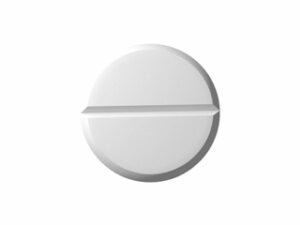
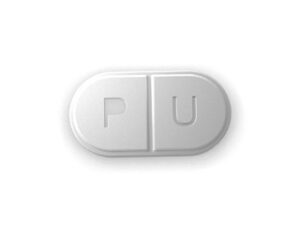
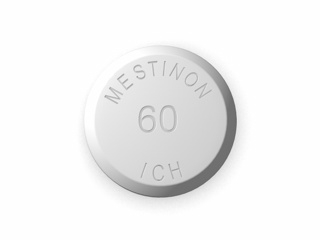
- Typical forms: Tablets (formulations may vary by product availability)
How Mestinon works (mechanism of action)
Pyridostigmine is an acetylcholinesterase inhibitor. In simple terms, it helps keep acetylcholine (a natural chemical used by nerves to signal muscle) available at the neuromuscular junction for longer.
- Normally, acetylcholinesterase breaks down acetylcholine after a signal is sent.
- Pyridostigmine reduces the breakdown of acetylcholine.
- This can lead to stronger and more reliable muscle responses—especially in conditions such as myasthenia gravis where transmission is impaired.
Key point: Mestinon helps improve strength and endurance of muscle activity by supporting nerve-to-muscle signalling. It does not “cure” underlying disease, but it can significantly improve symptoms for many people.
Pharmacokinetics (how the body handles pyridostigmine)
While exact measurements can differ between individuals, the general pharmacokinetic pattern is:
- Absorption: Taken by mouth, absorbed from the gastrointestinal tract.
- Onset: Effects typically begin within a short time after dosing (often within about 30–60 minutes, though responses vary).
- Duration: The medicine usually has a relatively short-to-moderate duration, which is why dosing is commonly spread across the day.
- Distribution: It acts at the neuromuscular junction, supporting acetylcholine availability where needed.
- Metabolism & excretion: The medicine is mainly eliminated by the body (often through the kidneys), so kidney function may influence tolerability and dosing decisions.
If you have kidney impairment, it’s especially important to discuss dosing and monitoring with your healthcare professional.
Typical uses in Australia (indications)
Mestinon is most widely used for:
- Myasthenia gravis: To improve muscle weakness, including problems with eye movements, facial muscles, swallowing, and limb strength.
Depending on clinical circumstances, clinicians may consider pyridostigmine for other neuromuscular problems where enhancing acetylcholine signalling is appropriate. Your doctor will base this on diagnosis and your response to treatment.
When and how Mestinon is usually taken (timing and schedule)
Because effects may wear off before the next dose, dosing is often planned around your symptoms and daily routine.
- Common timing: Doses are frequently spaced through the day, and sometimes later in the day depending on symptom patterns (for example, to help with daytime activities and evening swallowing).
- Consistency matters: Try to take your medicine at the times your healthcare professional recommends.
- Missed dose: If you miss a dose, take it when you remember unless it’s close to the next scheduled dose. Do not double up without medical advice.
- Steady adjustment: Your dose may be adjusted gradually to find the best balance between improved strength and side effects.
Practical tip: Keep a simple symptom diary (e.g., eyelid drooping, fatigue, chewing/swallowing, breathing comfort) to help your clinician fine-tune the timing.
Food interactions: what to know
Food can influence how quickly a tablet dissolves and is absorbed. In many people, pyridostigmine can be taken with or without food, but your healthcare professional may provide specific instructions.
- If you experience nausea or stomach upset: Taking with a light meal may help.
- If you notice symptoms change after meals: Discuss this with your clinician; your dose timing might need adjustment.
Don’t change your regimen based only on food effects—talk to your healthcare professional if your symptoms are inconsistent.
Alcohol and medicine interactions
Alcohol: Alcohol may worsen muscle weakness or fatigue in some people and can increase the risk of dizziness. It may also affect judgement and timing of doses. If you choose to drink alcohol, do so cautiously and in moderation, and discuss it with your healthcare professional—especially if you have swallowing or breathing involvement.
Medicine interactions: Pyridostigmine’s effects can be influenced by other medicines that affect cholinergic signalling or neuromuscular function. Tell your clinician/pharmacist about all medicines you take, including:
- Other cholinergic medicines (including some used for Alzheimer’s disease, glaucoma, or bowel/urinary conditions)
- Anticholinergic medicines (may oppose pyridostigmine’s effects)
- Medicines that affect neuromuscular transmission (including some antibiotics and anaesthetic agents)
- Beta-blockers and other cardiovascular medicines (may affect heart rate; pyridostigmine can cause slower heart rate in some cases)
- Some muscle relaxants and sedatives
Always check: When starting or stopping any medicine—prescription or over-the-counter—ask your pharmacist to review interaction risks for pyridostigmine.
Dosing guidance (general information)
Dosing must be individualised. The “right” dose depends on the condition being treated, symptom severity, age, and side effects. Your healthcare professional will determine your starting dose and schedule.
General approach
- Start low, then adjust: Many people begin with a lower dose, then increase gradually if needed.
- Goal: Improve strength with minimal side effects.
- Watch for over-treatment: Too much pyridostigmine can cause cholinergic side effects (see Safety profile below).
Typical dosing pattern (conceptual)
Because this medicine may not last all day, it’s often taken in multiple daily doses. Your prescribed schedule may reflect:
- Daytime weakness vs. evening fatigue
- Eye symptoms (ptosis/diplopia) vs. swallowing/lower limb weakness
- Respiratory involvement (if present)
Note: Exact milligram dosing varies by formulation. Use only the strength and frequency specified for your product and personal plan.
Safety profile: side effects and when to seek urgent help
Like all medicines, Mestinon can cause side effects. Many are dose-related (meaning they may improve if the dose is reduced). In some situations, side effects can signal that the dose is too high and requires medical review.
Common side effects
- Gastrointestinal: Nausea, abdominal cramps, diarrhoea, increased saliva
- Musculoskeletal/neuromuscular: Muscle twitching, increased weakness if excessive cholinergic effects occur
- General: Sweating
- Heart rate: Slower heart rate (bradycardia) or palpitations in some people
Less common but important effects
- Urinary frequency or difficulty
- Headache or dizziness
- Blurred vision or changes in eye comfort due to increased secretions/eye effects
Seek urgent medical attention if you have
Contact emergency services (000) or seek urgent care if you develop signs of serious complications, such as:
- Breathing difficulties (shortness of breath, inability to speak in full sentences)
- Severe swallowing problems or choking
- Fainting or marked light-headedness
- Severe diarrhoea/vomiting leading to dehydration
- Symptoms that rapidly worsen compared with your usual myasthenia pattern
Why this matters: In myasthenia gravis, worsening weakness can occur from the underlying condition itself or from medication being inadequate/excessive. Both require prompt clinical assessment.
Practical use tips for everyday life
- Plan around activities: Schedule doses so that muscle strength is strongest when you need it most (e.g., meal times, work tasks).
- Monitor “wearing off”: If symptoms return before the next dose, discuss whether timing or frequency needs adjustment.
- Track side effects: Note diarrhoea, cramps, sweating, excessive saliva, or dizziness. These can help your clinician balance benefit vs. tolerability.
- Hydration: If you get stomach upset, maintain fluid intake and seek advice if diarrhoea is persistent.
- Oral care: Increased saliva can affect comfort; manage oral hygiene and consider speaking with a pharmacist about supportive strategies.
- Safety when driving: If you experience dizziness or blurred vision, avoid driving until you feel safe.
Indications and symptom patterns (what improvement may look like)
People using Mestinon for myasthenia gravis often notice symptom changes such as:
- Reduced eyelid drooping and/or improved double vision
- Better chewing and swallowing
- Improved limb strength and endurance
However, response can vary. Some people experience clearer relief at certain times of day, especially if doses are spaced to match symptom fluctuations.
Alternatives to Mestinon (pyridostigmine) — what else may be considered
Your clinician may consider other treatments depending on diagnosis severity, symptom control needs, and response. Possible options (not exhaustive) include:
- Other acetylcholinesterase inhibitors: Some people may be treated with different cholinesterase inhibitors depending on availability and side-effect tolerance.
- Immunomodulating treatments for myasthenia gravis: Such therapies aim to reduce the immune attack driving the disease (for example, corticosteroids or other immunotherapies), usually based on specialist assessment.
- Symptom-focused supportive strategies: Swallowing assessments, meal planning, speech/swallow therapy, and fatigue management.
The best alternative depends on your type of myasthenia gravis, severity, and personal response to medications.
Market and legal context in Australia (high-level)
In Australia, medicines are regulated by the TGA (Therapeutic Goods Administration). Availability, branding, and product presentation are determined by the medicine’s registration status and prescriber requirements.
For patient safety, medicines like pyridostigmine are typically provided under appropriate healthcare guidance, with pharmacists supporting safe use and interaction checks. Product supply may vary between pharmacies and online pharmacy providers.
Note: Requirements for supplying medicines can change. Your pharmacist can confirm how Mestinon is supplied for your specific product and situation.
Recent guidance (general considerations)
Clinical guidance for myasthenia gravis and cholinesterase inhibitor use focuses on:
- Individualised dosing: Adjusting to symptom relief while limiting side effects.
- Monitoring for complications: Watching for respiratory and swallowing issues.
- Recognising treatment imbalance: Distinguishing between inadequate symptom control and cholinergic excess.
- Medication review: Checking interactions with drugs that can worsen neuromuscular transmission.
Because recommendations can evolve with new evidence and updates to clinical practice, it’s important to follow current advice from your treating team.
Delivery and availability (Australia)
Online pharmacies may offer delivery of registered medicines within Australia, where permitted. Availability can vary by:
- Strength and pack size
- Current stock levels
- Manufacturer supply
Delivery: Delivery timeframes depend on your location (metro vs regional) and the online pharmacy’s dispatch schedule. You may receive tracking details once your order is dispatched.
Storage: Keep tablets in a cool, dry place in the original packaging, away from moisture and direct sunlight. Follow the storage instructions on your pack.
FAQ (Frequently asked questions)
1) What is Mestinon used for?
Mestinon (pyridostigmine) is commonly used to improve muscle weakness in conditions such as myasthenia gravis by supporting nerve-to-muscle signalling.
2) How quickly does Mestinon work?
Many people notice an effect within 30–60 minutes of taking a dose, but the timing and degree of benefit can vary.
3) How often should I take Mestinon?
Dosing schedules are individual. Because effects can wear off, many people take it in multiple doses each day. Use only the dosing instructions provided for your specific product.
4) Should I take Mestinon with food?
It may be taken with or without food, but if you experience stomach upset, taking it with a light meal may help. Ask your pharmacist for advice specific to your brand/formulation.
5) What side effects are most common?
Common side effects include GI symptoms (nausea, cramps, diarrhoea), increased saliva, sweating, and sometimes effects on heart rate (e.g., a slower pulse).
6) How do I know if the dose is too high?
Too much pyridostigmine can cause cholinergic side effects such as significant diarrhoea, abdominal cramps, excessive saliva, sweating, and may lead to worsening symptoms rather than improved strength. If this occurs, contact your healthcare professional for advice on dose adjustment.
7) Can alcohol interact with Mestinon?
Alcohol can worsen tiredness and may increase dizziness or reduce safety. It can be risky for people with swallowing or breathing issues. If you want to drink alcohol, discuss it with your clinician or pharmacist.
8) What medicines should I be careful with?
Tell your pharmacist about all medicines you take, especially those affecting cholinergic signalling or neuromuscular function, including some antibiotics and agents used for other conditions. Interaction checks are essential.
9) Is Mestinon habit-forming?
Mestinon is not considered habit-forming. However, it is important not to stop or change dosing without medical advice.
10) What should I do if I miss a dose?
Take it when you remember unless it’s close to your next dose. Do not double doses. If you’re unsure, ask your pharmacist for guidance.
11) Can I drive while taking Mestinon?
If you experience dizziness, blurred vision, or significant weakness, avoid driving until you feel safe and stable. Discuss any driving concerns with your healthcare professional.
12) When should I seek urgent help?
Seek urgent medical attention for breathing difficulty, severe swallowing problems, fainting, or rapidly worsening weakness.
Summary
Mestinon (pyridostigmine) helps improve muscle strength by increasing the availability of acetylcholine at the neuromuscular junction. It is widely used for myasthenia gravis and works best when taken on a consistent schedule tailored to your symptoms. Like all medicines, it has potential side effects—often related to dose—and it’s important to seek urgent medical help if breathing or swallowing becomes difficult. Use the guidance provided by your healthcare professional and pharmacist, and keep an eye on both symptom relief and side effects to ensure the safest, most effective use.