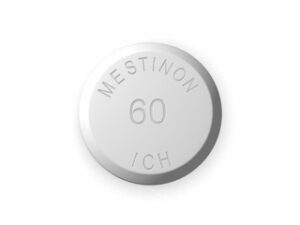
Medrol Active (Methylprednisolone) — Patient Information for Australia
Medrol Active contains methylprednisolone, a corticosteroid medicine used to reduce inflammation and calm overactive immune responses. It can be used for a wide range of conditions, from allergic reactions and inflammatory diseases to certain autoimmune conditions and flare-ups where rapid symptom control is needed.
This page is designed to help you understand how Medrol Active works, how it’s typically used, important safety considerations, and what to expect while taking it. Always follow the instructions provided by your clinician and the product label.
Basic product information
| Category | Details |
|---|---|
| Medicine name | Medrol Active |
| Active ingredient | Methylprednisolone |
| Medicinal class | Corticosteroid (glucocorticoid) |
| Common forms | Tablets (strengths may vary by brand/pack) |
| How it works | Reduces inflammation and immune activity |
| Typical use | Short courses for flares or longer management for selected conditions (as directed) |
How Medrol Active works (mechanism of action)
Methylprednisolone is a glucocorticoid. It helps control symptoms by:
- Suppressing inflammation by reducing the production of inflammatory mediators (such as cytokines and prostaglandins).
- Modulating the immune response, which can reduce immune-driven swelling, redness, pain, and itch.
- Stabilising immune cell activity, helping to prevent ongoing tissue damage during inflammatory flares.
Important note: It treats the inflammation that contributes to symptoms. It does not “cure” every underlying cause, so your clinician may combine it with other therapies depending on the condition.
Pharmacokinetics (how the body handles it)
Pharmacokinetics describes what the body does to a medicine—absorption, distribution, metabolism, and elimination.
- Absorption: Methylprednisolone is absorbed after oral administration. Food may slightly affect the speed of absorption, but it generally does not prevent absorption.
- Distribution: It distributes into body tissues and binds to plasma proteins (primarily albumin and corticosteroid-binding globulin).
- Metabolism: It is metabolised mainly in the liver.
- Elimination: Metabolites are excreted primarily via the kidneys. The biological effects can outlast the blood concentration due to tissue activity.
Your individual response can vary based on dose, duration, underlying liver function, and other medicines you take.
Typical uses in adults and children
Methylprednisolone is used for conditions where reducing inflammation or immune overactivity is important. Common indications include:
- Allergic and inflammatory conditions (for example, severe allergic flare-ups not controlled by other measures).
- Autoimmune and inflammatory diseases, such as rheumatoid arthritis, vasculitis, and other immune-mediated conditions (depending on the diagnosis).
- Severe asthma exacerbations or other respiratory inflammation episodes (as guided by treatment plans).
- Inflammation affecting specific organs, including certain cases of inflammatory eye conditions, skin conditions, or gastrointestinal inflammation (as directed).
- Neurological inflammatory conditions in selected scenarios, where clinician judgement is required.
Note: Indications differ by patient and may depend on severity, prior treatment response, and risk factors.
When it starts working (timing)
Many people notice symptom relief within several hours to a day after starting methylprednisolone. For some conditions, the improvement may be more gradual over a few days.
However:
- For flare-ups, earlier improvement doesn’t always mean the underlying condition is fully controlled.
- Your clinician may adjust dosing or duration depending on progress and side effects.
How to take Medrol Active: practical dosing basics
Dosing varies widely depending on the condition, severity, and your overall health. Only use the regimen provided for you. Dosage may also be adjusted if symptoms improve or if side effects occur.
Common dosing patterns (general guidance)
- Once daily dosing: Many regimens use a once-daily dose, often in the morning to match the body’s natural cortisol rhythm.
- Divided doses: Some situations use split dosing (morning and/or evening) when clinically required.
- Short course: For acute flares, a short course may be used with careful tapering if needed.
- Longer treatment: If treatment lasts longer, gradual dose reduction (tapering) may be necessary to reduce risk of adrenal suppression.
If you miss a dose
- Take it when you remember unless it is close to the time of your next dose.
- If near the next dose, skip the missed dose—do not double unless directed by your clinician.
- If you’re unsure, consult your pharmacist or clinician.
Food interactions and stomach comfort
Food can help reduce stomach irritation. While methylprednisolone can be taken with or without food, many people prefer to take it with meals.
- Take with food if you get indigestion, nausea, or stomach discomfort.
- Avoid taking on a completely empty stomach if you have a history of gastritis, reflux, or ulcers (unless your clinician advises otherwise).
- Stay hydrated and maintain regular meals, particularly if your appetite increases on treatment.
Gastric protection: Corticosteroids can increase the risk of stomach irritation in some people. Your clinician may recommend additional protection if you’re at higher risk, especially if you also take NSAIDs (like ibuprofen) or aspirin.
Alcohol interactions
Alcohol does not have a single universal “safe/unsafe” interaction with methylprednisolone, but combining them can increase risk of:
- Stomach irritation and indigestion
- Increased blood sugar (especially in people with diabetes or prediabetes)
- Sleep disturbance and mood changes
- Lower infection resistance indirectly through side effect burden and immune effects
Practical advice: If you choose to drink alcohol, keep it moderate and consider avoiding alcohol during your first days of treatment until you know how the medicine affects you. If you have liver disease or a history of ulcers, discuss alcohol use with your healthcare professional.
Interactions with other medicines
Methylprednisolone can interact with a number of medicines. Many interactions are dose-dependent and may require monitoring. Inform your pharmacist or clinician about all medicines you use, including over-the-counter products and herbal preparations.
Common interaction themes
- Increased infection risk: Taking other immunosuppressants or vaccines at the wrong time can affect immune response.
- Blood sugar changes: Steroids can raise glucose levels—especially relevant if you take diabetes medicines.
- Bone and electrolyte effects: Long-term use may affect calcium balance and potassium levels, influenced by certain diuretics or heart medicines.
- Enzyme effects: Some medicines can speed up or slow down steroid metabolism in the liver.
Examples of medicines to discuss
- NSAIDs (e.g., ibuprofen, naproxen) and aspirin: may raise risk of stomach bleeding/ulceration.
- Diabetes medicines (insulin, metformin, sulfonylureas): may require glucose monitoring and dose changes.
- Anticoagulants (e.g., warfarin): steroid treatment can affect clotting control; monitoring may be needed.
- Antifungals, antivirals, certain antibiotics: may alter steroid levels.
- Rifampicin (TB medicine) and some anti-seizure medicines: can reduce steroid effect by changing metabolism.
- Diuretics (especially loop or thiazide): may contribute to potassium changes.
Vaccines: Live vaccines may be less suitable during immunosuppressive doses. Discuss vaccination timing with your clinician.
Indications: what Medrol Active may be used for
In Australia, methylprednisolone is used under clinical direction for various inflammatory and immune-mediated conditions. “Indications” means the specific diseases or situations for which the medicine is considered appropriate.
Examples include:
- Inflammatory flare-ups requiring steroid control
- Some autoimmune disorders
- Severe allergic or inflammatory reactions
- Certain inflammatory conditions of organs (based on diagnosis)
Always use the medicine for the condition your healthcare professional assessed. Steroids can reduce symptoms that might otherwise reveal worsening infection or other problems—so medical review is important.
Dosing: understand dose strength, schedule, and tapering
Dosing is individual. Typical dose selection depends on:
- Your diagnosis and severity
- Response to therapy
- Whether the treatment is short-term or longer-term
- Your risk factors (diabetes, glaucoma, infection history, stomach ulcer risk, etc.)
Why tapering may be necessary
Corticosteroids can affect the body’s natural cortisol production. If you take methylprednisolone for long enough, stopping abruptly can lead to adrenal insufficiency. Tapering allows your body to resume natural steroid production.
If you are on a longer course or higher dose, do not stop suddenly—ask your clinician for a step-down plan.
Safety profile: side effects to know
Like all medicines, methylprednisolone can cause side effects. Many are more likely with higher doses and longer duration. Common side effects can include:
Common or dose-related side effects
- Increased appetite and weight gain
- Indigestion, nausea, or stomach discomfort
- Sleep disturbance (especially if taken later in the day)
- Mood changes (irritability, anxiety, or rarely mood swings)
- Fluid retention and increased blood pressure
- Raised blood glucose (hyperglycaemia)
Less common but important risks
- Infection risk: Steroids can reduce immune response, making infections more likely or more severe.
- Eye problems: Possible worsening of glaucoma or cataracts with prolonged use.
- Bone effects: Long-term use can reduce bone density (osteoporosis risk).
- Skin changes: Thinning skin, easy bruising, slow wound healing.
- Adrenal suppression: With longer therapy, tapering is needed.
- Rare serious reactions: Allergic reactions are uncommon but can occur.
Seek urgent medical advice if you experience
- Signs of infection: fever, worsening cough, burning when urinating, severe sore throat, or new rapidly spreading symptoms
- Severe stomach pain, vomiting blood, black stools
- Severe mood changes, confusion, or unusual behaviour
- Blurred vision or severe eye pain
- Shortness of breath, swelling of lips/face, or hives (possible allergy)
Practical use tips (making treatment easier and safer)
- Take it in the morning if your regimen allows—this may reduce insomnia and help align with natural cortisol rhythm.
- Take with food to reduce stomach irritation.
- Monitor blood sugar if you have diabetes or prediabetes, and report unusually high readings.
- Watch your infection risk: Avoid close contact with people who have contagious infections (for example, chickenpox or measles) and report symptoms promptly.
- Don’t stop suddenly if you’ve been taking it for more than a short period—ask about tapering.
- Support bone health if long-term treatment is expected: discuss calcium/vitamin D and exercise with your healthcare professional.
- Keep a medication list and bring it to appointments so interactions can be checked quickly.
Alternative options (discuss with your clinician)
Depending on the condition being treated, clinicians may consider alternatives such as:
- Other corticosteroids (e.g., prednisolone) with different dosing schedules and potency
- Non-steroidal anti-inflammatory or immune-modifying treatments (based on diagnosis), including targeted therapies
- Local treatments like inhaled, topical, or injected steroids to reduce whole-body effects when appropriate
- Supportive care for flare management (for example, antihistamines for some allergic reactions, or asthma inhaler adjustments)
The best alternative depends on your disease and how urgently symptoms need control. If you’re concerned about steroid side effects, talk to your healthcare professional about steroid-sparing strategies.
Medrol Active in the Australian market: legal and guidance context
In Australia, corticosteroids including methylprednisolone are regulated medicines supplied according to the Therapeutic Goods Administration (TGA) requirements. Availability can vary by product strength and formulation, and medicines may be dispensed through pharmacies under the relevant Australian prescribing and dispensing rules.
Local clinical guidance typically emphasises:
- Using the lowest effective dose for the shortest practical duration
- Careful assessment of infection risk and vaccination status
- Monitoring in high-risk groups (diabetes, glaucoma, osteoporosis risk, peptic ulcer risk, and children)
- Tapering after longer courses to reduce adrenal insufficiency risk
Guidance may also evolve based on evidence and disease-specific management recommendations issued by professional bodies and local health services.
Recent guidance and clinician considerations
While individual regimens differ, ongoing themes in modern corticosteroid use include:
- Risk-benefit assessment: Steroids should be used when benefits outweigh risks, with attention to infection prevention and monitoring.
- Diabetes and cardiovascular monitoring: Steroids can increase glucose and blood pressure—especially at higher doses.
- Patient-centred counselling: People are encouraged to understand warning signs (infection, mood/behaviour changes, eye issues) and the need to taper when appropriate.
- Vaccination planning: Timing of vaccines (especially live vaccines) should be considered during steroid therapy.
If you have a chronic condition, ask your healthcare professional whether any additional preventive measures (e.g., stomach protection or bone health support) are recommended for your situation.
Delivery and availability (Australia)
Availability of Medrol Active tablets may depend on the specific pack size and strength. When ordering online, delivery options, dispatch times, and courier service coverage can vary by pharmacy and location.
- In-stock items: Usually dispatched quickly according to the pharmacy’s processing schedule.
- Out-of-stock items: May require sourcing time from wholesaler suppliers.
- Cold chain: Generally not required for tablet corticosteroids.
Tip: Before placing an order, confirm the strength and pack quantity you need, and check that you can receive the medicine safely at your nominated delivery address.
FAQ — Medrol Active (Methylprednisolone)
1) Is Medrol Active the same as prednisone?
No. Medrol Active contains methylprednisolone. Prednisone is a different corticosteroid. They may be used in different situations or dose equivalents may be considered by your clinician.
2) How long does it take to work?
Many people feel improvement within hours to a day. The full effect can take longer depending on your condition and severity.
3) Can I take Medrol Active with food?
Yes. Taking it with food can help reduce stomach irritation. Follow your product instructions and clinician advice.
4) Should I avoid alcohol?
It’s best to limit alcohol while taking corticosteroids, as it can increase the risk of stomach irritation and may worsen sleep or mood in some people. If you have ulcer risk, liver disease, diabetes, or other concerns, ask a healthcare professional for advice.
5) Will I gain weight?
Some people experience increased appetite and fluid retention, which can lead to weight gain—more likely with higher doses and longer use. Monitoring diet and discussing duration/dose with your clinician can help manage this.
6) Can I stop suddenly once I feel better?
Do not stop abruptly if you’ve been taking methylprednisolone for more than a short period. Steroids may suppress natural cortisol production. A clinician may recommend tapering.
7) What if I miss a dose?
Take it when you remember unless it’s near your next dose. Do not double up. If you’re unsure, contact your pharmacist or clinician.
8) What warning signs should make me seek urgent care?
Seek urgent help if you develop fever or signs of serious infection, severe stomach pain (or blood in vomit/black stools), severe eye pain or vision changes, severe mood/behaviour changes, or symptoms of allergy such as swelling or difficulty breathing.
9) Does Medrol Active affect vaccinations?
Corticosteroids can affect how the immune system responds to vaccines. Live vaccines may be unsuitable during higher-dose immunosuppressive therapy. Discuss your vaccination plan with a healthcare professional.
10) Are there alternatives to methylprednisolone?
Yes. Alternatives depend on the condition and may include other steroids, steroid-sparing medications, or local therapies. Your clinician can help determine the best option based on your diagnosis and risks.
Summary
Medrol Active (methylprednisolone) is a corticosteroid medicine widely used to reduce inflammation and manage immune-related conditions. It can provide symptom relief quickly, but it also carries potential risks—especially with higher doses or longer treatment—such as infection susceptibility, blood sugar increases, mood changes, stomach irritation, and longer-term effects on bone and eyes.
To use Medrol Active safely, take it as directed (often in the morning with food), be alert for warning signs of infection or serious side effects, and ask your clinician about monitoring and tapering needs when appropriate. If you have concerns about interactions, alcohol, or side effects, speak with your pharmacist or clinician for personalised guidance.