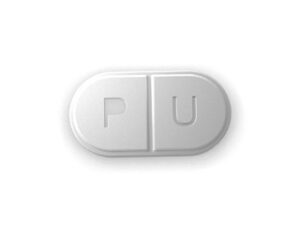
Levothyroxine (L-thyroxine) – Patient Guide (Australia)
Levothyroxine is a medicine used to replace or supplement thyroid hormone in people who have low thyroid function. It is one of the most commonly used treatments for thyroid disorders and works by restoring normal levels of thyroid hormone in the body.
This guide explains how levothyroxine works, when and how to take it, food and alcohol considerations, important medicine interactions, typical uses, dosing principles, safety information, and practical tips. It also includes a brief overview of options available in Australia and answers common questions.
1) Basic product information
| Feature | What you should know |
|---|---|
| Generic name | Levothyroxine (often written as L-thyroxine) |
| What it does | Replaces thyroid hormone (mainly T4), supporting normal metabolism |
| Common forms | Tablets (strengths vary by brand and manufacturer) |
| Typical monitoring | Blood tests such as TSH (and sometimes free T4) |
| Onset | Some improvement may be noticed within weeks; full dose assessment often takes longer |
| Key requirement | Consistency of daily timing and food intake matters for best results |
2) Mechanism of action
The thyroid gland normally produces two main hormones: thyroxine (T4) and triiodothyronine (T3). Levothyroxine is a synthetic form of T4.
After you swallow levothyroxine:
- It is absorbed from the small intestine and enters the bloodstream.
- Your body then converts T4 into active T3 in tissues as needed.
- Restoring normal hormone levels helps regulate metabolism, energy use, body temperature, growth, and how organs function.
When thyroid hormone levels are low (hypothyroidism), many body functions slow down. Levothyroxine helps bring hormone levels back toward normal, which can improve symptoms such as tiredness, weight gain, constipation, and feeling cold.
3) Pharmacokinetics (how the body handles it)
Understanding pharmacokinetics can help explain why timing, consistency, and interactions are important.
- Absorption: Levothyroxine is absorbed in the gastrointestinal tract. Absorption can be reduced by food, some supplements, and certain medicines.
- Onset: Levels begin to change after dosing, but symptom improvement can take time.
- Distribution: It binds to blood proteins, helping maintain circulating hormone levels.
- Metabolism: Levothyroxine is processed in the liver and other tissues; part is converted to T3.
- Elimination: It has a relatively long half-life, so effects can last and dose changes are usually assessed over time.
Because levothyroxine remains in the body for a long time, steady daily intake is crucial. Small variations in absorption (for example, taking it with breakfast) can affect thyroid blood test results in some people.
4) Typical use and indications
Levothyroxine is used to treat or manage conditions where thyroid hormone is insufficient or needs adjustment. Common indications include:
- Primary hypothyroidism (the thyroid gland is underactive), including treatment after thyroid surgery or radioiodine therapy.
- Secondary or central hypothyroidism (less common; related to pituitary or hypothalamic causes).
- Congenital hypothyroidism in infants and children.
- Suppression of thyroid-stimulating hormone (TSH) in selected situations, such as certain thyroid cancers, where clinicians aim to reduce TSH stimulation of thyroid tissue.
- Support during pregnancy for people who already require thyroid hormone replacement, with close blood test monitoring.
5) Timing: how to take levothyroxine for best results
The effectiveness of levothyroxine can depend on how it is taken each day. A consistent routine improves absorption and stabilises blood test results.
Common timing approach (general guidance)
- Take levothyroxine once daily at the same time each day.
-
Many people take it on an empty stomach, such as:
- 30–60 minutes before breakfast, with water only; or
- At bedtime, if it is taken at least 3–4 hours after the last meal.
Your pharmacist or prescriber may recommend a specific schedule based on your situation and the brand/strength you use. If you change the timing or how you take it, it may affect blood test results.
Missed dose
If you miss a dose, take it when you remember unless it is close to the next dose. Do not take double doses to catch up. If you are unsure, ask a pharmacist for advice.
6) Food interactions and what to avoid
Food can significantly reduce levothyroxine absorption. To help absorption:
- Avoid taking levothyroxine with breakfast or soon after eating.
- Separate it from meals and drinks that may affect absorption, especially:
- coffee (including “near” timing with morning coffee),
- high-fibre meals,
- soy-based foods (can affect absorption in some individuals),
- calcium- or iron-rich meals taken close to the dose.
A practical approach is to take your dose with water and delay breakfast and other drinks (particularly coffee) by the time interval recommended for your routine.
7) Alcohol interactions
Moderate alcohol intake is not generally known to directly “cancel out” levothyroxine. However, alcohol can affect overall health and adherence (for example, missed doses), and severe liver disease or heavy alcohol use may influence hormone metabolism and lab values.
- If you drink alcohol, try to do so consistently and avoid taking levothyroxine with alcohol.
- If you have liver disease, discuss with your pharmacist or doctor.
8) Medicine interactions (important)
Several medicines and supplements can reduce absorption of levothyroxine or alter thyroid test interpretation. Always tell your healthcare professional about all medicines you take, including supplements and herbal products.
Common categories that may interfere with absorption
- Iron supplements and multivitamins containing iron
- Calcium supplements and some antacids containing calcium
- Magnesium-containing products (some antacids)
- Cholestyramine or other bile acid sequestrants
- Some medicines for high cholesterol
- Sucralfate
- Orlistat (may interfere indirectly by affecting fat absorption and possibly thyroid hormone levels)
- Some diabetes medicines or other therapies that affect absorption or metabolism (effect varies)
Practical separation: many interactions are managed by spacing the doses apart. A common approach is to separate levothyroxine from iron/calcium supplements by at least 4 hours. However, the best timing depends on the specific product—ask a pharmacist for personalised advice.
Medicines that may affect thyroid hormone levels
- Amiodarone (can influence thyroid function)
- Glucocorticoids (may affect thyroid hormone conversion)
- Some seizure medications (e.g., phenytoin, carbamazepine)
- Estrogen-containing medicines or hormone replacement therapy (may alter binding proteins)
- Rifampicin (can influence metabolism)
- Some biologic or immunologic treatments (rare; effects vary)
Changes in thyroid medication dose may be needed when starting or stopping interacting medicines. Thyroid blood tests guide these adjustments.
9) Dosing: general principles for levothyroxine
Levothyroxine dosing is individual. It depends on the underlying condition, age, body weight, severity of hypothyroidism, and other medical factors. Doses are commonly adjusted based on TSH (and sometimes free T4).
How dosing is usually set and adjusted
- Start low (in some people) and titrate: Older adults or people with long-standing hypothyroidism or heart disease may start at a lower dose to reduce risk of side effects.
- Recheck labs after a dose change: Because levothyroxine levels stabilise over time, clinicians typically wait several weeks before adjusting the dose further.
- Use the same brand where possible: Switching brands or tablet strength can affect absorption slightly. If a switch is unavoidable, more monitoring may be needed.
Typical dose ranges (informational only)
For many adults, daily doses often fall within a range determined by body weight and thyroid status, commonly around ~1.6 micrograms per kilogram per day in untreated primary hypothyroidism. However, many people require lower doses (or higher doses) depending on their circumstances. Do not use this as personal dosing advice.
For children, dosing is often weight-based and adjusted closely, particularly in congenital hypothyroidism.
10) Safety profile and side effects
Levothyroxine is generally well tolerated when dosed correctly. The main safety concern is taking too much (or having fluctuating levels), which can cause symptoms of an overactive thyroid state (hyperthyroidism).
Possible side effects if the dose is too high
- Palpitations or increased heart rate
- Chest discomfort
- Tremor
- Feeling unusually hot, sweating, or heat intolerance
- Insomnia or anxiety
- Unintended weight loss
- Increased appetite
- Frequent bowel movements or diarrhoea
- Headaches
Possible side effects if the dose is too low
- Ongoing fatigue
- Constipation
- Feeling cold
- Weight gain
- Dry skin, hair changes
- Reduced concentration
When to seek urgent help
Seek urgent medical advice if you develop severe palpitations, chest pain, fainting, severe shortness of breath, or signs of an allergic reaction (such as swelling of the face/lips, trouble breathing, or widespread rash).
11) Practical use tips for better results
- Be consistent: Take levothyroxine the same way every day (timing, food delay, water only).
- Keep track: Use a medication reminder or app to reduce missed doses.
- Separate interacting supplements: Space out iron and calcium by several hours.
- Keep your pharmacy informed: If you switch brands, tell your pharmacist so monitoring can be planned.
- Do not double up: If a dose is missed, follow appropriate guidance rather than taking extra.
- Pregnancy planning: Thyroid hormone needs may change in pregnancy—early medical review is important.
- Illness and medication changes: Inform your clinician if you start new medicines (especially for cholesterol, seizures, heart rhythm, or stomach conditions).
12) Alternative options
Depending on the reason for treatment and individual response, clinicians may consider alternatives to levothyroxine. Options may include:
- Other levothyroxine brands/formulations (same active ingredient; dosing may be similar but monitoring is important)
- Liothyronine (T3) or combination therapy in selected cases (not suitable for everyone and requires careful monitoring)
- Natural desiccated thyroid extract in some regions; availability and suitability vary, and it may not be preferred due to consistency and monitoring considerations
- Treatment of underlying causes in specific scenarios (for example, replacing missing hormone due to surgery)
If you are considering switching therapies, discuss with a healthcare professional. Changes can affect stability of thyroid hormone levels and symptoms.
13) Levothyroxine in Australia: market and legal context
In Australia, thyroid medicines are regulated under the national medicines framework. Levothyroxine is an established treatment for thyroid disorders, and multiple brands may be available through pharmacies.
Key points for Australian shoppers:
- Quality and supply: Products available in Australia meet regulatory and manufacturing standards.
- Strength matters: Tablet strengths differ; ensure you select the correct dose for your regimen.
- Generic substitution: Switching between equivalent products may be possible in some circumstances, but thyroid monitoring may be required—follow pharmacy advice.
- Brand consistency: Because absorption can vary, many clinicians prefer staying with the same brand and strength when feasible.
Guidance and prescribing practices evolve as new evidence emerges. Always rely on up-to-date advice from Australian healthcare professionals.
14) Recent guidance (general awareness)
In recent years, there has been ongoing attention to:
- Maintaining stable thyroid levels by encouraging consistent daily intake and timing.
- Monitoring after product changes where absorption may differ (for example, after switching brand or formulation).
- Careful management in pregnancy, with close blood tests and prompt dose review when pregnancy is confirmed.
- Patient education on separating levothyroxine from common interacting supplements like iron and calcium.
If you have received recent product information from your pharmacist, follow it and ask questions if you are unsure.
15) Delivery and availability
Levothyroxine is widely available in Australia via community pharmacies and online pharmacy services (where eligible). Availability may depend on the specific brand and strength.
- Stock levels: Online pharmacies may display real-time availability or estimated restock times.
- Packaging: Medicines are supplied in manufacturer packaging with clear labelling of strength and directions.
- Delivery: Delivery timeframes vary by service area and courier provider. Express options may be available.
When ordering online, double-check: medicine name, strength, and quantity to match your routine.
16) FAQ about levothyroxine
1. Is levothyroxine the same as thyroid hormone?
Levothyroxine is a man-made form of thyroxine (T4), a thyroid hormone your body uses to maintain normal metabolism. Your tissues convert T4 to T3, which is the more active hormone.
2. How long does it take to work?
Some people notice symptom improvement within a few weeks, but thyroid blood tests often guide dosing over a longer period. After dose changes, clinicians typically reassess several weeks later.
3. Can I take levothyroxine with coffee or breakfast?
For best absorption, levothyroxine is usually taken with water only and not with breakfast. Coffee taken soon after the dose may reduce absorption in some people. Follow the timing guidance provided by your pharmacist.
4. What should I do if I take iron or calcium supplements?
Iron and calcium can reduce levothyroxine absorption. A common approach is to separate doses by several hours (often at least 4 hours), but the exact timing depends on your supplement and schedule—ask your pharmacist for advice.
5. Can I drink alcohol while taking levothyroxine?
Moderate alcohol intake is generally not known to directly interfere with levothyroxine. However, keep your dosing routine consistent and seek advice if you have liver disease or take medications that interact with thyroid function.
6. What happens if I switch brands?
Switching can sometimes affect absorption and thyroid test results. If you switch due to availability, it’s usually managed with closer monitoring (TSH and sometimes free T4) to ensure your dose remains appropriate.
7. Are there dietary changes I should make?
You don’t need a special diet, but consistency is important. If you use soy-based products, high-fibre diets, or meal timing changes, discuss with your pharmacist—some people may need additional monitoring.
8. Who should be extra careful?
Extra care may be needed for older adults, people with heart disease, those with long-standing hypothyroidism, and pregnant people—because thyroid levels must be kept stable.
9. Can levothyroxine cause weight changes?
Levothyroxine helps correct hypothyroidism, which may improve weight-related symptoms over time. If the dose is too high, unintended weight loss and symptoms of excess thyroid hormone may occur.
10. When should I contact a healthcare professional?
Contact a healthcare professional if you develop symptoms suggesting the dose may be too high or too low, if you have missed multiple doses, or if you start or stop other medicines (especially supplements and products that affect absorption).
Summary
Levothyroxine is a cornerstone treatment for conditions caused by low thyroid hormone levels. For the best outcomes, take it consistently every day, typically on an empty stomach with water and with planned separation from food and interacting supplements. Monitoring with thyroid blood tests helps ensure the dose remains safe and effective.
If you have questions about timing, food interactions, or medicine/supplement compatibility, a pharmacist can help you create a practical daily routine.