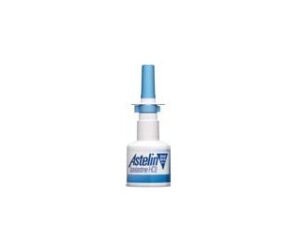
Azelastine (Azelastine Hydrochloride) — Patient Information Guide (Australia)
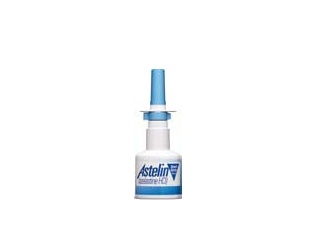
Azelastine is a medicine commonly used for allergic rhinitis (hay fever) and related nasal allergy symptoms. It works by reducing inflammation and allergy-related signaling in the nose, helping to relieve sneezing, itching, runny nose, and congestion. This guide explains how azelastine works, how it behaves in the body, how to use it practically, and important safety considerations for people in Australia.
Quick product overview
- Active ingredient: Azelastine (usually as azelastine hydrochloride)
- Common forms (Australia): Nasal spray (in many brands/formulations)
- What it helps with: Symptoms of allergic rhinitis, including sneezing, runny nose, itching, and nasal congestion
- How it works: Antihistamine with anti-inflammatory activity
- Typical onset: Often begins working within minutes for some symptoms
Note: Brands and formulations can differ. Always check your specific product label for directions, strength, and dosing instructions.
How azelastine works (mechanism of action)
Azelastine is an antihistamine that blocks histamine H1 receptors—a key pathway in allergic reactions. When you encounter allergens (such as pollen, dust mite, or animal dander), your immune system releases histamine and other mediators. This leads to:
- sneezing and itching
- runny nose (increased mucus)
- swelling and congestion
- overall nasal inflammation
In addition to H1 receptor blockade, azelastine also demonstrates anti-inflammatory effects, helping to reduce the release of substances that contribute to ongoing allergic inflammation. This is one reason azelastine nasal products can provide symptom relief even when used regularly during allergy seasons.
Pharmacokinetics (how the medicine is processed by the body)
Pharmacokinetics describes what the body does with a medicine—absorption, distribution, metabolism, and elimination. For azelastine, the exact profile can vary by route and formulation, but key practical points include:
- Absorption: When used as a nasal spray, part of the medicine is absorbed through the nasal tissues and may enter the bloodstream.
- Distribution: It can distribute to body tissues after systemic absorption.
- Metabolism: Azelastine is metabolised in the body (primarily by liver enzymes).
- Elimination: Metabolites are eliminated mainly via the kidneys and to a lesser extent other routes.
For many users, the most important “pharmacokinetic” takeaway is that nasal use targets symptoms locally, and systemic exposure is generally limited compared with some oral forms. Nevertheless, side effects (such as taste changes or drowsiness in some people) can occur and should be taken seriously.
Typical uses and indications
Azelastine is used to relieve symptoms of allergic rhinitis, which may be seasonal or perennial. Symptoms often include:
- sneezing
- itching of the nose
- runny nose (rhinorrhoea)
- nasal congestion (blocked nose)
Depending on the product and local guidance, azelastine may be indicated for:
- Seasonal allergic rhinitis (e.g., during pollen seasons)
- Perennial allergic rhinitis (e.g., dust mite, ongoing exposures)
- Allergy-related nasal symptoms when antihistamine treatment is appropriate
If symptoms persist despite proper use, your pharmacist or doctor can help review whether your condition is allergic rhinitis or another cause (e.g., infection, non-allergic rhinitis, sinus conditions).
When to take azelastine (timing and treatment planning)
Timing can make a difference, especially for nasal symptoms that change throughout the day. Many people use azelastine:
- When allergy symptoms begin (for early relief)
- Regularly during allergy seasons to control symptoms
- Before predictable exposure (for example, before going outside during high pollen days or after cleaning indoors)
Some azelastine nasal sprays may start working quickly, but consistent use is often best if your symptoms are frequent. Follow your product label for specific frequency and duration.
Dosage (typical dosing guidance)
Dosing depends on the specific product, strength, and age group. Always follow the instructions on the label or your healthcare professional’s direction. The ranges below are common patterns for azelastine nasal products:
| Patient group | Common dosing pattern (nasal spray) | Notes |
|---|---|---|
| Adults | Often 1–2 sprays per nostril, typically 1–2 times daily (varies by brand/strength) | Some products may specify a maximum daily dose. |
| Children | Age-specific dosing (commonly lower frequency or fewer sprays) | Only use age-appropriate strengths and follow label directions closely. |
Practical dose tips:
- If you miss a dose, take it when you remember unless it’s near the time for the next dose.
- Do not double up to make up for missed doses.
- If symptoms worsen or do not improve, reassess your overall allergy plan rather than increasing doses yourself.
How to use azelastine nasal spray correctly
Proper technique helps the spray reach the nasal passages and work effectively. While steps can vary slightly by brand, the following approach is commonly recommended:
- Prepare the device: If it’s a new bottle or hasn’t been used for a while, prime it according to the instructions.
- Gently blow your nose if you can—this clears mucus and improves spray delivery.
- Position: Keep your head upright. Tilt the nozzle slightly outward (away from the centre of the nose).
- Spray: Breathe in gently through your nose while pressing the pump.
- Avoid immediate sniffing: Try not to sniff hard right after spraying.
- Repeat if needed: Use the number of sprays per nostril as directed.
- After use: Wipe the nozzle and cap it if applicable.
Contact lens / eye considerations: Some nasal sprays can run into the throat or occasionally cause a bitter taste. If taste is bothersome, keep the nozzle aimed correctly and avoid sniffing strongly right after application.
Food interactions
Because azelastine is commonly used as a nasal spray, it usually has limited interaction with food. However, it’s still wise to consider general principles:
- No specific food interactions are typically expected for nasal azelastine.
- If the medicine drips into the mouth and causes a bitter taste, you may notice this after using it—food is unlikely to “interact,” but it may change how the taste feels.
- If taking other medicines, follow each product’s directions.
If you experience nausea or other unusual symptoms after use, review your technique and consider speaking with a pharmacist.
Alcohol and medicine interactions
Many allergy medicines can cause side effects such as drowsiness in some people. Even if azelastine is primarily local, some absorption can occur. Because of this, caution is advised with substances that may worsen sleepiness.
- Alcohol: Avoid or limit alcohol if you feel sleepy or light-headed. Alcohol can increase drowsiness and impair driving or operating machinery.
- Other sedating medicines: Be careful if you use other medicines that can cause drowsiness (for example, some antihistamines taken by mouth, cough and cold preparations containing sedating ingredients, or certain anxiety/sleep medicines).
- Driving and machinery: If you experience dizziness or unusual tiredness, do not drive or use machinery.
To keep you safe, let a pharmacist know about all medicines you take, including:
- prescription and non-prescription products
- vitamins and herbal supplements
- sleep aids and cold/flu products
Safety profile and side effects
Most people tolerate azelastine well. However, like all medicines, it can cause side effects. Side effects may be influenced by technique, dose, and individual sensitivity.
Common side effects
- Bitter taste (often due to medicine draining to the throat/mouth)
- Nasal irritation or discomfort
- Headache
- Dizziness (reported by some users)
- Mild nausea (less common; may relate to taste or throat drainage)
Less common but important side effects
- Somnolence or sleepiness
- Dry nose or nosebleeds (can occur with nasal medications; seek advice if frequent)
Seek urgent medical advice if
- You develop signs of allergic reaction (swelling of face/lips, trouble breathing, hives)
- Severe or persistent symptoms occur
This is not a complete list of side effects. If you are concerned about any reaction, speak to a pharmacist.
Practical use tips for best results
- Use consistently during allergy exposure: If your symptoms are frequent, regular use can offer better control.
- Check technique: Aim outward (away from the centre) and breathe in gently.
- Manage triggers: Consider dust mite reduction strategies, pollen exposure minimisation, and keeping windows closed during peak pollen.
- Don’t exceed the label dose: If symptoms aren’t controlled, reassess with a pharmacist or doctor.
- Keep track of response: Note when symptoms improve or persist—this can help tailor therapy.
- Stay hydrated: Nasal symptoms can worsen when air is dry; using humidification may help some people.
Alternatives to azelastine for nasal allergy symptoms
There are several other options for allergic rhinitis, and the best choice depends on symptom pattern (e.g., mainly congestion vs mainly sneezing), severity, and your preferences.
Common alternatives
- Intranasal corticosteroids: Often first-line for persistent moderate-to-severe nasal allergies, especially congestion.
- Other intranasal antihistamines: Some people may respond well to different active ingredients.
- Oral antihistamines: Helpful for sneezing/itching; may cause drowsiness depending on type.
- Combination approaches: Some treatment plans combine an intranasal antihistamine with a corticosteroid (if appropriate for the patient).
- Saline rinses: Can reduce mucus and allergens without medicine side effects.
If you’re not sure what to choose, a pharmacist can help you compare options based on your symptoms and medical history.
Market and legal context in Australia (patient-friendly overview)
Medicine availability and classification in Australia can vary by brand and formulation. In general, allergy medicines may be supplied:
- Over-the-counter for certain strengths/products, or
- Through a pharmacist under local regulatory settings, depending on indication and formulation.
Product labelling in Australia typically includes the relevant active ingredient, strength, dosage instructions, and warnings. Always use the packaging and leaflet supplied with your specific product.
Pharmacist advice: Australian pharmacists are a key source of guidance—especially when you have other conditions, take multiple medicines, are pregnant or breastfeeding, or need treatment for a child.
Recent guidance: Allergy treatment recommendations commonly emphasise:
- tailoring therapy to symptom severity and pattern
- using correct nasal spray technique
- considering intranasal corticosteroids for persistent symptoms, with antihistamines for additional relief
- reviewing persistent symptoms to rule out non-allergic causes
Delivery and availability (Australia)
Azelastine nasal spray availability may be subject to local supply and brand differences. Online pharmacies in Australia typically offer:
- Product listings by strength and pack size
- Estimated dispatch times (varies by location and supplier)
- Home delivery via standard or express options where available
To ensure you receive the correct product, confirm:
- the active ingredient
- the formulation (e.g., nasal spray)
- the strength and directions on the label
If delivery timing is important (e.g., during allergy season), check the order estimate displayed at checkout.
Safety considerations by patient group
Always read the leaflet and product label for full warnings. In particular, consider extra caution if you have:
- Previous nasal problems (e.g., frequent nosebleeds or recent nasal surgery)
- History of severe allergic reactions
- Other medical conditions and are taking multiple medications
- Pregnancy or breastfeeding (seek pharmacist advice for the safest approach)
For children, use only age-appropriate products and follow label directions carefully.
Frequently Asked Questions (FAQ)
1) How fast does azelastine work?
Many users notice symptom improvement within a short time after using azelastine nasal spray, particularly for sneezing, runny nose, and itching. For some people, the best results come with regular use during allergy exposure.
2) Will azelastine make me sleepy?
Some people experience dizziness or drowsiness. If you feel sleepy after using azelastine, avoid driving or operating machinery and speak with a pharmacist about whether your symptoms suggest you should switch treatment.
3) Can I use azelastine with other allergy medicines?
Often, azelastine can be used as part of an allergy treatment plan. However, combining multiple antihistamines or using sedating cold/flu products may increase side effects. Check with a pharmacist if you are already using other allergy medicines.
4) Is there a best time of day to use it?
It depends on when your symptoms are worst. Some people use it in the morning and evening, while others use it when they expect exposure (such as outdoors during pollen season). Follow your product label.
5) Why do I get a bitter taste after using the spray?
Bitter taste can happen when some of the medicine drains to the throat. To reduce this:
- aim the nozzle outward (away from the centre of the nose)
- breathe gently during spraying
- avoid strong sniffing immediately after use
6) Can azelastine be used long-term?
Many people use allergy medicines during allergy seasons or for ongoing perennial symptoms. If you need treatment for a long period, it’s sensible to review your plan with a pharmacist—especially if symptoms persist or you experience frequent side effects.
7) What if my symptoms don’t improve?
If symptoms are not controlled after using azelastine correctly, you may need a different strategy. Common reasons include incorrect technique, insufficient dosing for your pattern of symptoms, or a non-allergic cause. A pharmacist can help you reassess.
8) Are there alcohol interactions?
Alcohol may increase drowsiness in susceptible people. If you feel sleepy or dizzy after using azelastine, avoid alcohol and consider discussing your treatment with a pharmacist.
9) Is azelastine safe for children?
Child dosing and suitability depend on age and product formulation. Use only age-appropriate products and follow label directions. If you are unsure, ask a pharmacist.
Summary
Azelastine is an antihistamine nasal medicine used to relieve symptoms of allergic rhinitis. It helps reduce histamine-driven effects and can provide relatively prompt relief, especially for sneezing, runny nose, itching, and congestion. With correct spray technique and appropriate dosing, it can be an effective option during allergy seasons and for ongoing symptoms.
If you have questions about which product is suitable for your symptoms, how to use it correctly, or how it interacts with other medicines, consult your pharmacist.