
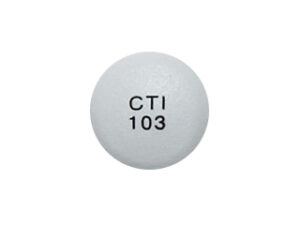
Flexeril (Cyclobenzaprine HCl) — Patient Information (Australia)
Flexeril contains cyclobenzaprine hydrochloride. It is used to relieve muscle spasm and associated discomfort in adults. This page provides patient-friendly, practical information about how Flexeril works, when it’s typically taken, common safety considerations, and how to use it safely alongside everyday medicines and alcohol.
Always read the consumer medicines information (CMI) provided with your medicine and follow the instructions from your healthcare professional.
Quick Facts
- Active ingredient: Cyclobenzaprine hydrochloride
- Medicine type: Skeletal muscle relaxant
- Common reason for use: Short-term relief of painful muscle spasm
- How it’s taken: Usually by mouth, 2–3 times daily depending on the regimen
- Common side effects: Drowsiness, dry mouth, dizziness, constipation
- Key cautions: Alcohol and other medicines that cause drowsiness can increase sedation
Basic Product Information
Flexeril is a brand of cyclobenzaprine HCl. In Australia, cyclobenzaprine is generally regarded as a prescription-only muscle relaxant in line with medicines scheduling practices. Availability and formulation strength may vary by supplier and current regulatory status.
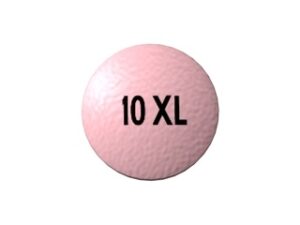
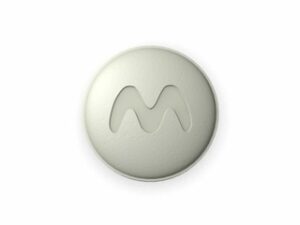
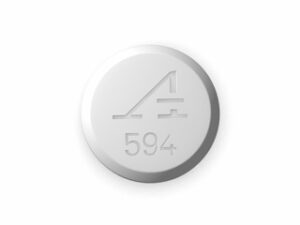
Strengths and forms: Flexeril is commonly available as tablets in different strengths (availability can vary).
Who may benefit: Adults with acute, painful musculoskeletal conditions where muscle spasm is part of the problem (for example, acute back pain with spasm).
Indications (What Flexeril is Used For)
Flexeril is used as an adjunct to other treatments (such as rest, physiotherapy, physical measures and pain management strategies) for the relief of muscle spasm associated with acute, painful musculoskeletal conditions.
It is commonly used for conditions such as:
- Acute low back pain with muscle spasm
- Neck pain associated with spasm
- Shoulder and musculoskeletal strain where spasm contributes to pain
Not for: Long-term chronic pain conditions where muscle spasm is not a prominent feature. Cyclobenzaprine is generally intended for short-term use.
How Flexeril Works (Mechanism of Action)
Cyclobenzaprine helps relieve skeletal muscle spasm by acting on the central nervous system (CNS).
- It reduces abnormal muscle activity by influencing brainstem pathways that affect muscle tone.
- Its effect is thought to be related to how it modulates neurotransmitters involved in the control of muscle movement.
- By decreasing muscle spasm, it can help reduce pain and improve comfort during acute flare-ups.
Important: Flexeril is not an anti-inflammatory medicine. It targets spasm and muscle tone, helping you feel more comfortable so you can move, stretch, and complete recommended rehabilitation activities.
When Flexeril Starts Working & Typical Timing
Many people notice relief within hours, with peak benefit often occurring after a short period of consistent dosing.
Practical timing tips:
- If you experience sleepiness, consider taking the first dose at a time that minimises disruption to your day (for example, in the evening), unless your clinician advises otherwise.
- Take it at consistent times each day to maintain steadier effect.
- Because it’s intended for acute flare-ups, reassess benefit after a short course. If symptoms don’t improve, seek medical advice.
Pharmacokinetics (How the Body Handles Flexeril)
Pharmacokinetics describe how a medicine is absorbed, distributed, metabolised and eliminated.
- Absorption: Cyclobenzaprine is absorbed after oral dosing. Food may not significantly change overall exposure, but it can affect how quickly you feel effects for some people.
- Distribution: It distributes widely into body tissues, including the CNS.
- Metabolism: Cyclobenzaprine is extensively metabolised, primarily in the liver.
- Elimination: Metabolites are excreted mainly via the kidneys.
- Half-life: The elimination half-life is relatively long (commonly cited around ~18 hours in adults), meaning doses may maintain an effect across the day.
Why this matters: Because the medicine can last longer than you might expect, sedation may persist into the next day—especially with higher doses or when combined with other sedating substances.
Dosing (How Much to Take)
Dosing can vary based on the specific formulation, individual factors (age, liver function, other medicines, and symptom severity), and healthcare professional instructions. The information below is for general understanding only.
Typical adult dosing patterns:
- Often taken 2 to 3 times daily.
- Maximum daily dosing depends on the product strength and prescribing instructions.
Follow the label or your healthcare professional’s directions:
- Do not exceed the recommended dose.
- Do not take more frequently than instructed.
- If you miss a dose, take it when you remember unless it’s close to the next dose—then skip and resume your normal schedule.
Special populations:
- Older adults: Older people are generally more sensitive to side effects such as dizziness and falls. Lower doses or careful monitoring may be necessary.
- Liver impairment: Because metabolism is largely hepatic, cyclobenzaprine may accumulate in people with liver problems.
- Kidney impairment: Accumulation of metabolites may occur; clinicians may advise dose adjustments or increased monitoring.
Food Interactions
Food can influence how quickly you feel the effect of many medicines, though cyclobenzaprine is typically not significantly affected in terms of overall effectiveness.
- Taking with food may help reduce stomach upset for some people.
- Because of possible drowsiness, it can be helpful to align dosing with times when you can rest comfortably, particularly during the first few doses.
Tip: Try to take it the same way each day (with or without food) unless your clinician advises otherwise.
Alcohol and Medicine Interactions (Safety Matters)
Flexeril can cause sleepiness, dizziness and impaired coordination. Alcohol can significantly increase these effects.
Alcohol
- Recommendation: Avoid alcohol while taking cyclobenzaprine, if possible.
- Risk: Enhanced sedation, impaired driving/operating machinery, and greater risk of accidents.
Other medicines that increase drowsiness
Be especially cautious with medicines that depress the CNS or cause sedation, including:
- Opioid pain medicines
- Some antihistamines (e.g., sedating allergy medicines)
- Benzodiazepines and similar medicines
- Sleep medicines
- Some antipsychotics
- Some antidepressants
Why it matters: The combined effects can cause excessive sleepiness, confusion, falls, or breathing problems in susceptible individuals.
Serotonin-related medicines
Cyclobenzaprine has pharmacologic similarities to tricyclic antidepressants, and combining it with other serotonergic medicines can increase risk of serotonin syndrome (a rare but serious condition). Talk to a clinician before combining with:
- SSRIs/SNRIs
- MAO inhibitors
- Triptans (for migraine)
- Linezolid
- Other medicines that increase serotonin
Seek urgent help if you develop agitation, confusion, fever, sweating, muscle stiffness, tremor, diarrhoea, or fast heart rate.
Cardiac rhythm medicines (QT prolongation)
Some medicines can affect heart rhythm. Cyclobenzaprine may not be suitable with other QT-prolonging drugs in certain situations. Examples (not exhaustive) include some antiarrhythmics and some antipsychotics/antidepressants.
Action: Provide your full medicine list to your pharmacist or doctor so interactions can be checked.
Other commonly relevant interactions
- Strong CYP inhibitors/inducers: Because cyclobenzaprine is metabolised in the liver, some medicines may alter levels.
- Anticholinergic medicines: May worsen dry mouth, blurred vision, constipation, or urinary retention.
Safety Profile (Side Effects and When to Get Help)
Most people tolerate cyclobenzaprine reasonably well when used as directed. However, it can cause side effects—particularly those related to sedation and anticholinergic effects.
Common side effects
- Drowsiness or sleepiness
- Dizziness
- Dry mouth
- Constipation
- Nausea
- Blurred vision
- Fatigue
Serious side effects (seek urgent medical attention)
- Signs of an allergic reaction (swelling of lips/face, rash, difficulty breathing)
- Fast or irregular heartbeat, fainting, severe dizziness
- Confusion, severe agitation, hallucinations
- Symptoms of serotonin syndrome (especially with serotonergic medicines)
- Overdose symptoms such as extreme drowsiness, seizures, irregular heartbeat, or breathing problems
Falls and driving safety
- Do not drive or operate machinery if you feel drowsy or dizzy.
- Be cautious when standing up quickly, especially in the first days of treatment.
- Older adults are at higher risk of falls; discuss a safer plan if you’re unsteady.
Practical Use Tips (How to Get the Best Results Safely)
- Start when you can rest: If you’re taking it for the first time, consider taking it at a time you can monitor for drowsiness.
- Combine with movement: Gentle activity, physiotherapy and stretching often improve recovery. Muscle relaxants can help you tolerate movement.
- Stay hydrated and manage constipation risk: Increasing fluids and fibre may help if you experience constipation.
- Avoid heat and dehydration: Cyclobenzaprine can contribute to dry mouth; maintain hydration.
- Use a medicine list: Keep an up-to-date list (including supplements) for your pharmacist/doctor to reduce interaction risk.
- Watch for worsening symptoms: If pain worsens, you develop weakness, numbness, fever, or bowel/bladder problems, seek medical advice promptly.
Alternative Options (Discuss With a Healthcare Professional)
For acute painful muscle spasm, multiple approaches may be considered depending on your symptoms and medical history.
Non-medicine options
- Heat or cold therapy
- Gentle stretching and physiotherapy
- Activity modification and ergonomic changes
- Massage therapy (where appropriate)
Other medicine options
Depending on cause and severity, clinicians may consider:
- Simple analgesics (e.g., paracetamol)
- Anti-inflammatory medicines (e.g., NSAIDs) for appropriate patients
- Other muscle relaxants (different medicines may have different sedation profiles)
- Topical treatments in some cases
Choosing the best alternative: The safest choice depends on your conditions (ulcers, kidney disease, liver disease, heart rhythm risk, mental health history) and your current medicine list.
Pharmacy and Medicine Context in Australia
Australia uses a medicines regulatory and scheduling framework to guide safe access. Cyclobenzaprine is typically managed as a prescription-only medicine in line with Australian medicine scheduling practices.
What this means for customers:
- Your ability to obtain Flexeril may depend on current supply status and regulatory requirements.
- Licensed pharmacies may require documentation of your healthcare plan.
- Pharmacists can help check interactions and advise on safer use, particularly if you have other medical conditions.
Recent guidance and best practice (general):
- Acute musculoskeletal pain is commonly managed with a multimodal approach (activity + physiotherapy + analgesia).
- Muscle relaxants are generally recommended for short-term symptom relief, not as a long-term solution.
- Because of side effects (especially sedation), clinicians often consider the individual risk of falls, driving impairment, and interactions.
Delivery and Availability (Online Pharmacy Considerations)
Flexeril availability can vary based on supplier supply chains, stock levels, and the specific tablet strength. For online orders, availability may change from day to day.
- Processing time: Most online pharmacies process orders after verification and confirmation of stock.
- Dispatch: Orders are typically dispatched once payment and eligibility checks are complete.
- Shipping: Delivery time depends on your location and the pharmacy’s courier partners.
- Cold chain: Cyclobenzaprine tablets generally do not require refrigeration.
Packaging: Medicines are normally supplied in original manufacturer packaging with patient information inserts where applicable.
Frequently Asked Questions (FAQ)
1. What is Flexeril used for?
Flexeril (cyclobenzaprine) is used as an adjunct for short-term relief of painful muscle spasm associated with acute musculoskeletal conditions.
2. How quickly does Flexeril work?
Some people feel improvement within hours. The full benefit may take a little longer, particularly as you combine it with rest and gentle movement or physiotherapy.
3. How should I take Flexeril?
Take it by mouth according to the dosing instructions provided with your medicine. If you feel drowsy, you may need to schedule doses to avoid times when you must drive or work with machinery.
4. Can I take Flexeril with food?
Food may not significantly change overall effectiveness. If you feel stomach discomfort, taking it with food can help. Use a consistent approach unless advised otherwise.
5. Is it safe to drink alcohol while taking Flexeril?
It’s strongly advised to avoid alcohol. Alcohol can increase sedation, dizziness, and the risk of accidents.
6. Can Flexeril be taken with painkillers?
Many people use cyclobenzaprine alongside simple pain relief strategies. However, interaction safety depends on which painkiller you choose (especially opioid pain medicines). Check with your pharmacist for an individualised review.
7. What side effects are common?
Common side effects include sleepiness, dizziness, dry mouth, and constipation.
8. What should I do if I miss a dose?
Take the missed dose when you remember unless it’s close to the next scheduled dose. Do not double up.
9. Who should use Flexeril with extra caution?
Extra caution is often needed for older adults, people with liver impairment, people with a history of heart rhythm problems, and anyone taking multiple medicines that can cause sedation or affect serotonin pathways.
10. When should I seek urgent help?
Seek urgent medical help if you experience signs of serious allergy, fainting, severe irregular heartbeat, severe confusion, or symptoms suggestive of serotonin syndrome or overdose.
Summary Table: Key Points for Safe Use
| Topic | What to Know |
|---|---|
| Medicine type | Skeletal muscle relaxant (cyclobenzaprine HCl) |
| Typical use | Short-term relief of muscle spasm in acute painful conditions, alongside other measures |
| How it helps | Acts on the CNS to reduce muscle spasm and abnormal muscle tone |
| When to take it | Follow dosing instructions; consider scheduling to reduce daytime drowsiness |
| Alcohol | Avoid alcohol due to increased sedation and safety risks |
| Drug interactions | Be cautious with sedatives/opioids and serotonergic medicines; ask your pharmacist to check your list |
| Common side effects | Drowsiness, dizziness, dry mouth, constipation |
| Serious warning signs | Allergic reaction, severe confusion, irregular heartbeat, serotonin syndrome symptoms |
| Food effects | Usually no major overall effect; with food may help if stomach upset occurs |
Important Reminder
Flexeril can be effective for short-term relief of muscle spasm, but it may cause drowsiness and other side effects. Use it as directed, avoid alcohol, and keep your healthcare professional informed of your complete medicine list and any medical conditions.
If you are unsure whether Flexeril is suitable for your situation, ask a pharmacist or healthcare professional for advice before using it.