Fluticasone — Patient Information (Australia)
Fluticasone is a widely used medicine belonging to the corticosteroid (steroid) family. It helps reduce inflammation in the airways and nasal passages, and is commonly used to manage allergic and inflammatory conditions such as asthma and allergic rhinitis (hay fever).
This page explains how fluticasone works, how to use it effectively, what to expect, and important safety information. Products containing fluticasone may come in different forms (for example, inhalers or nasal sprays), and the right product depends on your condition.
Key product information
| Topic | Details |
|---|---|
| Generic name | Fluticasone (often as fluticasone propionate or fluticasone furoate depending on product) |
| Medicine type | Inhaled or intranasal corticosteroid (anti-inflammatory steroid) |
| Common forms in Australia | Inhalers (for asthma), nasal sprays (for hay fever/allergic rhinitis), and combination inhalers in some brands |
| What it helps | Reduces airway/nasal inflammation, helps control symptoms over time |
| How quickly it works | Some symptom relief may occur within days; fuller benefit often takes 1–2 weeks (varies by condition and product) |
| Typical use | Usually taken regularly for prevention and long-term control of symptoms |
How fluticasone works (mechanism of action)
Fluticasone reduces inflammation by acting locally in the lungs or nasal passages. As a corticosteroid, it helps:
- Decrease the release of inflammatory substances
- Reduce swelling (oedema) and mucus production
- Improve airway stability, making symptoms less likely to flare
- Lower the sensitivity of the airways/nasal lining to triggers (such as allergens)
Because its main effect is anti-inflammatory, fluticasone is not intended to provide immediate “rescue” relief during sudden attacks. Instead, it helps prevent symptoms from building up over time.
Pharmacokinetics (how the body handles it)
“Pharmacokinetics” describes what happens after you take fluticasone—how much is absorbed, how it spreads, how it is broken down, and how it is removed from the body.
Absorption
- Inhaled fluticasone: Most of the dose is delivered to the lungs, with some swallowed.
- Nasal fluticasone: A smaller proportion is absorbed through the nasal tissues; some may be swallowed and then processed by the digestive system.
Distribution and metabolism
Fluticasone is processed mainly by the liver enzyme system (particularly CYP3A4). This is important for drug-interaction considerations (see below).
Elimination
Fluticasone is eliminated primarily through metabolism and clearance from the body. Systemic effects are generally limited with inhaled and intranasal use when used as directed, but higher exposure can occur with strong interacting medicines.
Typical uses in Australia
Fluticasone is used to manage conditions where inflammation plays a key role. The specific indication depends on the product form and strength.
Common indications
- Asthma (inhaled fluticasone): long-term control of asthma symptoms and reduction of inflammation in the airways.
- Allergic rhinitis / hay fever (nasal fluticasone): relief of sneezing, itching, blocked or runny nose, and post-nasal drip associated with allergies.
- Other chronic inflammatory conditions: some fluticasone products may be indicated for specific respiratory conditions depending on the brand and formulation.
When and how to take fluticasone (timing and practical routine)
The “best time” to use fluticasone depends on your condition and your product instructions. Many people use it once or twice daily as part of a regular routine.
General timing guidance
- Consistency matters: use it at the same times each day to maintain anti-inflammatory control.
- For asthma: many regimens are once or twice daily depending on inhaler type and dose.
- For allergic rhinitis: it may be used daily during allergy seasons or ongoing symptom periods.
How long until it helps?
Fluticasone may reduce symptoms gradually. Some improvement can be noticed within the first few days, but maximum benefit often takes 1–2 weeks (especially for nasal symptoms).
Practical use tips (inhaler and nasal spray)
Inhaled fluticasone (as directed for your inhaler type)
- Check technique regularly: correct technique improves how much medicine reaches the lungs.
- Use a spacer if recommended: some people benefit from a spacer (especially for certain inhalers or children), improving delivery and reducing throat deposition.
- Rinse your mouth after use: to reduce the chance of oral thrush or hoarseness.
- Wipe the mouthpiece: keep the device clean for consistent dosing.
- Don’t stop suddenly: stopping can allow inflammation to return and symptoms to worsen.
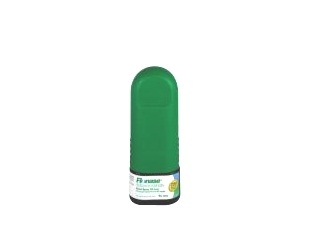
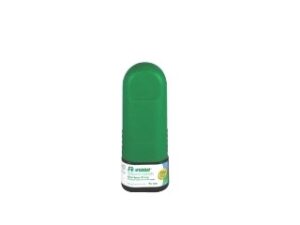
Nasal fluticasone spray
- Shake the bottle (if your product label says to): ensure correct dosing.
- Clear your nose gently: before spraying.
- Aim slightly outwards: towards the outer side of the nostril (not the centre) to reduce irritation.
- Use a steady spray technique: quick, rough movements can reduce consistency.
- Wipe the nozzle and keep it clean: follow device instructions.
Food interactions
With inhaled and intranasal fluticasone, food interactions are generally less of a concern than with some medicines taken by mouth. However, a small portion of inhaled medicine may be swallowed, and swallowed corticosteroids can be affected by liver metabolism.
To keep things simple:
- Typically: fluticasone can be used with or without food.
- If you are taking other medicines: pay extra attention to drug interactions (especially those involving CYP3A4—see next section).
- Seek advice: if your clinician has recommended special timing for interacting medicines.
Alcohol interactions
There is usually no direct alcohol interaction expected with inhaled or intranasal fluticasone at standard doses. However:
- Alcohol can worsen symptoms for some people (for example, triggering reflux, which may aggravate asthma or throat irritation).
- Excess alcohol may affect sleep and increase the likelihood of missed doses.
If you notice that alcohol makes your symptoms flare, consider reducing intake and discuss options with a healthcare professional.
Medicine interactions (important)
Drug interactions are an important safety topic with fluticasone because it is metabolised by CYP3A4. Some medicines can increase fluticasone levels, which may raise the risk of systemic side effects.
Medicines that may increase fluticasone exposure
- Strong CYP3A4 inhibitors (examples include certain antifungal medicines and some antibiotics). These may markedly increase fluticasone blood levels.
- Some “booster” medicines used in HIV therapy may also act as strong CYP3A4 inhibitors.
- Certain macrolide antibiotics may also interact depending on the exact product.
Medicines that may reduce effectiveness
- CYP3A4 inducers (some anti-epileptics and other medicines) may lower fluticasone levels, potentially reducing control.
What to do: if you start, stop, or change any medicines—including herbal products—check with a healthcare professional or pharmacist, especially if you are using multiple respiratory treatments.
Dosing guidance (general information)
Dosing depends on the product formulation, the strength, your condition, and your symptom control.
Always follow the dosing instructions on your specific fluticasone product or those provided by a healthcare professional.
General principles for dosing
- Use the lowest effective dose that controls your symptoms.
- Do not change your dose without advice.
- For asthma: fluticasone is usually part of a long-term control plan, sometimes alongside a reliever inhaler.
- For allergic rhinitis: dosing may be once daily or split doses depending on the product.
Missed doses
- If you miss a dose, take it when you remember unless it is close to your next dose.
- Do not double up unless your product instructions or healthcare professional advise it.
When symptoms worsen
If you experience increased wheeze, breathlessness, or worsening nasal symptoms despite correct use, seek guidance. You may need a review of technique, adherence, trigger control (e.g., allergens), or your broader asthma/rhinitis management plan.
Safety profile and precautions
Like all medicines, fluticasone can cause side effects. Many are local (where the medicine acts) and are generally manageable, especially when used correctly.
Common side effects
- Inhaled fluticasone: hoarseness, throat irritation, coughing, and oral thrush (candida) in some people.
- Nasal fluticasone: nasal dryness, nosebleeds (epistaxis), irritation, and mild burning or stinging.
Less common but serious concerns
- Systemic corticosteroid effects: at high doses or with interacting medicines, corticosteroid effects can occur (for example, adrenal suppression). This risk is lower with typical inhaled/nasal use but becomes more relevant with strong drug interactions.
- Eye issues: long-term corticosteroid exposure can be associated with cataracts or glaucoma in some individuals. If you have risk factors, discuss monitoring.
- Infection risk: corticosteroids may slightly increase susceptibility to certain infections. Seek advice if you have persistent fever, severe sore throat, or unusual infections.
When to seek urgent medical help
- Severe allergic reaction signs such as swelling of the face/lips, difficulty breathing, or hives.
- Severe asthma symptoms that do not respond to your usual action plan.
- Signs of significant infection (for example, fever with worsening symptoms or difficulty swallowing).
Who should take extra care
- People with untreated infections in the nose/throat or lungs
- People who have a history of glaucoma or cataracts
- People taking medicines that can interact via CYP3A4
- Children: fluticasone is commonly used, but growth monitoring may be recommended as part of routine care for long-term inhaled steroids
Practical use tips for better results
Small adjustments can make a big difference with fluticasone. These tips help improve effectiveness and reduce side effects:
- Use correct technique: incorrect use is a common reason medicines seem not to work.
- Be patient: fluticasone often needs time to build anti-inflammatory benefit.
- Maintain hygiene: rinse the mouth after inhaled use to reduce thrush risk.
- Check the device: for inhalers, ensure the dose counter (if present) is functioning and the device is not empty or damaged.
- Track triggers: allergens, smoke, cold air, and viral infections can affect symptoms even if you use fluticasone correctly.
- Plan for seasonal changes: for allergic rhinitis, starting early in a pollen season may improve control.
Alternative options
Depending on your diagnosis and severity, a clinician may recommend alternatives to fluticasone. Options may include other anti-inflammatory medicines, different delivery devices, or non-steroid approaches.
Possible alternative treatments (examples)
- Other intranasal corticosteroids: different steroid molecules may be used if one product is not suitable.
- Intranasal antihistamines: can help relieve allergic symptoms such as sneezing and runny nose.
- Oral antihistamines: useful for many allergy symptoms, sometimes combined with nasal therapy.
- For asthma: combination inhalers may be used (for example, corticosteroid with a long-acting bronchodilator) based on severity.
The best alternative depends on your specific condition, symptoms, and how well you tolerate or respond to different treatments.
Market and legal context in Australia
In Australia, availability and classification of medicines depend on the product type, formulation, and strength. Fluticasone-containing products may be supplied in different ways across pharmacies and may appear under various brand names.
In general, respiratory and allergy medicines are widely used, and guidance is commonly aligned with Australian asthma and allergy care standards. Access to specific products may vary by:
- Strength and formulation (e.g., inhaler vs nasal spray)
- Intended patient group (adult vs paediatric)
- Prescribing requirements and supply arrangements in line with national regulations
If you are unsure which fluticasone product is suitable for your needs, a pharmacist can help you compare options and explain how to use your specific device.
Recent guidance and best-practice notes
Recent clinical practice emphasises correct technique, regular use for control medicines, and reviewing inhaler/nasal spray performance during follow-up. For asthma, many national guidance pathways stress:
- Using anti-inflammatory controller therapy consistently to reduce exacerbations
- Regular review of symptoms and device technique
- Trigger management (such as allergens, smoking exposure, and respiratory infections)
For allergic rhinitis, guidance commonly highlights that intranasal corticosteroids are among the most effective long-term options and work best when used daily during symptom periods, with proper application technique to reduce nose irritation and nosebleeds.
Delivery and availability
Fluticasone products are commonly stocked in Australia by pharmacies and may be available for online order depending on the specific product classification and availability. Delivery times can vary by location and supplier.
- Check product availability: some strengths or devices may have limited stock at times.
- Delivery options: standard and express delivery may be offered depending on your area.
- Packaging: medicines are typically dispatched in protective packaging to help ensure safe delivery.
If you need help selecting a particular fluticasone form (inhaler vs nasal spray), strength, or device type, you can usually contact customer support or consult with a pharmacist.
FAQ: Fluticasone
1) Is fluticasone for symptom relief or prevention?
Fluticasone mainly works as a preventive anti-inflammatory controller. It helps reduce ongoing inflammation and helps keep symptoms under control. It is not designed for immediate relief of sudden asthma attacks.
2) How soon will I feel better?
Many people notice some improvement within a few days, but full benefit often takes 1–2 weeks, especially for nasal symptoms. Continue using as directed even if improvement is gradual.
3) Can I stop fluticasone once I feel well?
Stopping can allow inflammation to return, leading to symptom recurrence. Do not stop suddenly without appropriate advice—many people need ongoing controller therapy for effective long-term control.
4) Will fluticasone thin my skin or cause “steroid” effects?
Inhaled and intranasal fluticasone acts mostly locally, and systemic side effects are less common at normal doses. The risk of systemic corticosteroid effects may increase with high doses, prolonged use, or strong interacting medicines. If you have concerns, discuss your situation with a healthcare professional.
5) What if I get nosebleeds or throat irritation?
For nasal fluticasone, nosebleeds can occur—usually from dryness or incorrect technique. Use gentle technique, aim slightly outward, and consider saline measures if appropriate. For inhaled fluticasone, rinse your mouth after dosing and check inhaler technique. Seek advice if symptoms persist or worsen.
6) Can I take fluticasone with other asthma or allergy medicines?
Many people use multiple respiratory medicines together. Common combinations include relievers (for asthma) or antihistamines (for allergies). Always check for interaction risks, especially with medicines that strongly affect CYP3A4.
7) Is alcohol a problem with fluticasone?
Direct interactions are not usually expected. However, alcohol may worsen reflux or sleep for some people, potentially aggravating asthma or throat irritation. If you notice a pattern, reduce alcohol and seek advice.
8) Does fluticasone interact with grapefruit or certain foods?
Food interactions are generally less prominent for inhaled/nasal fluticasone, but grapefruit and other strong CYP3A4 influences may be relevant for some people depending on overall medication exposure. If you regularly consume grapefruit products or have a complex medicine list, check with a pharmacist.
9) What should I do if I miss a dose?
Take it when you remember unless it’s near your next scheduled dose. Don’t double up. If you regularly miss doses, consider setting reminders and reviewing your routine.
10) Are there alternatives if fluticasone doesn’t suit me?
Yes. Depending on your condition, alternatives may include other intranasal corticosteroids, antihistamines, or different asthma controller options. Your pharmacist or clinician can help match the option to your symptoms and medical history.
Summary
Fluticasone is a corticosteroid used to reduce inflammation in the lungs or nasal passages. When used correctly and consistently, it helps improve symptom control for asthma and allergic rhinitis. Benefits build gradually, and proper technique (especially for inhalers and nasal sprays) is key to getting the best results while minimising side effects.
If you have any concerns about side effects, drug interactions, or how to use your device, speak with a pharmacist or healthcare professional for personalised guidance.