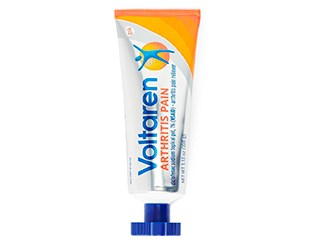
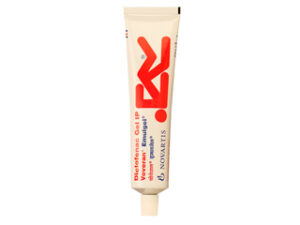
Voltaren Gel (Diclofenac sodium) — Topical Pain Relief for Muscle and Joint Aches
Voltaren Gel (diclofenac sodium) is a topical non-steroidal anti-inflammatory drug (NSAID) used to relieve pain and inflammation in specific areas of the body. Because it is applied to the skin, it delivers the active medicine directly where it’s needed, with lower whole‑body exposure than many oral anti-inflammatory medicines.
This guide is designed to be patient-friendly and helpful for customers in Australia. It covers how Voltaren Gel works, when to use it, dosing guidance, safety considerations, and practical tips for getting the best results.
Quick overview
- Active ingredient: Diclofenac sodium (NSAID)
- Form: Topical gel for application to skin
- Common uses: Pain from sprains, strains, bruises, osteoarthritis in certain joints, and tendinopathies such as tennis elbow
- How it works: Reduces inflammation and pain signals locally
- Typical timing: Often up to 3–4 times daily, depending on the product strength and indication
- Key safety points: Avoid eyes/mouth, do not apply to broken skin, wash hands after use, and follow label directions
Basic product information
Voltaren Gel is a diclofenac-containing topical medicine available in Australia. The exact strength and the number of times per day you use it can depend on the product presentation and the approved indications on the label.
Important: Always check the specific packaging for the correct strength and dosing instructions. If you are unsure which Voltaren Gel formulation you have, speak with a pharmacist.
| Feature | What to know |
|---|---|
| Medicine type | Topical NSAID (pain-relieving and anti-inflammatory) |
| Active ingredient | Diclofenac sodium |
| How it’s used | Applied to affected joints/muscles through the skin |
| Where it’s applied | Specific body areas as directed (e.g., hands, knees, elbows, shoulders) |
| Typical dosing frequency | Usually up to 3–4 times daily (follow label for your product) |
| Common size guidance | Use the amount specified on the pack; some instructions use a “length” of gel (e.g., grams/centimetres) |
| Onset | Some people notice relief within days; full benefit may take up to 1–2 weeks (varies) |
How Voltaren Gel works (mechanism of action)
Diclofenac belongs to the NSAID family. It works by reducing the production of prostaglandins—chemicals in the body involved in pain, swelling, and inflammation.
When applied to the skin, diclofenac is absorbed into the tissues underneath the application site. This helps to:
- Reduce inflammation around joints and soft tissues
- Decrease pain by lowering local chemical signals
- Improve movement when used consistently as directed
Pharmacokinetics (what happens in the body)
Because Voltaren Gel is applied to the skin, systemic absorption is much lower than with oral diclofenac tablets. After topical application, diclofenac can be absorbed through the skin and enters the bloodstream at relatively low levels.
Key points often relevant for patients:
- Absorption varies depending on factors like skin condition, the amount used, and application frequency.
- Higher absorption can occur if you apply it to broken skin, use large amounts, cover with occlusive dressings (unless advised), or apply heat.
- Elimination: Diclofenac that reaches the bloodstream is processed by the liver and removed primarily by the kidneys (processes are similar to other diclofenac formulations, but overall exposure is typically lower with topical use).
If you have kidney or liver issues, or you’re taking other medicines that affect NSAID safety, it’s wise to seek pharmacist advice before regular use.
What Voltaren Gel is used for (indications)
Voltaren Gel is commonly used to relieve pain and inflammation associated with musculoskeletal conditions, including:
- Osteoarthritis pain in affected joints (e.g., hands and knees depending on product indication)
- Muscle and soft tissue injuries such as strains and sprains
- Back, neck, shoulder, or joint aches where the product is indicated
- Tendons and overuse injuries (e.g., tennis elbow) as directed by the label
- Sports-related pain from minor sprains or strains
Always follow the directions on the packaging for the specific joint or body region you intend to treat. Indications can differ depending on the product strength and marketing approvals in Australia.
When to use it (timing and duration)
Voltaren Gel is meant for regular application rather than “as needed once.” Typical instructions for topical diclofenac products are:
- Frequency: Often up to 3–4 times daily (follow your product label).
- Consistency: Use at roughly even intervals through the day.
- Trial period: If symptoms do not improve after the recommended period on the pack, or if pain worsens, stop and speak with a pharmacist or healthcare professional.
Many people find it helpful to apply the gel:
- In the morning and before activity to support comfort
- After work or exercise when the area is sore
- In the evening to help with night discomfort
Dosing guidance (how much to apply)
Dosing depends on the product strength and the body area being treated. Always check the label or ask a pharmacist for the correct amount.
Common dosing patterns for diclofenac topical gels include:
- Use the amount specified on the pack for the size of the joint/area.
- Some instructions describe a gel “strip length” (for example, grams or centimetres). This is designed to match the area to be treated.
- Do not exceed the maximum daily amount listed on the packaging.
Application steps:
- Wash and dry your hands.
- Clean the affected area if needed (then let it fully dry).
- Apply a thin layer of gel and gently rub in until it disappears.
- Wash your hands again after application (unless your hands are the treated area).
- Allow the gel to dry before covering with clothing.
Do not: apply to eyes, mouth, genitals, or large areas of intact skin unless the label specifically allows it. Avoid applying it under tight bandages or occlusive dressings unless instructed by a healthcare professional.
Food interactions
Because Voltaren Gel is applied to the skin, it is not typically associated with food interactions in the way oral tablets are. Small systemic absorption can still occur, but eating does not usually meaningfully affect topical absorption.
Nonetheless, for overall safety with NSAIDs, it’s still wise to consider general NSAID guidance—especially if you are also taking other anti-inflammatory medicines by mouth.
Alcohol and medicine interactions
Alcohol
With topical diclofenac, exposure is lower than with oral NSAIDs; however, caution is still recommended if you drink alcohol regularly or heavily. Oral NSAIDs combined with alcohol can increase the risk of stomach irritation and other side effects. While the risk is generally smaller with gel, your safety depends on your overall health and your use of other medicines.
If you have a history of stomach ulcers, bleeding, liver disease, or you take medications that affect bleeding, speak with a pharmacist before using Voltaren Gel.
Medicine interactions
Potential interactions depend on your overall medication list. Even though systemic absorption is relatively low, diclofenac is still an NSAID. Consider advice if you take:
- Other NSAIDs (e.g., ibuprofen, naproxen, aspirin used for pain): combining increases overall NSAID load
- Blood thinners (e.g., warfarin) or medicines affecting clotting: may raise bleeding risk with NSAIDs
- Corticosteroids (e.g., prednisone): may increase GI side effects with oral NSAIDs
- Antiplatelet medicines (e.g., clopidogrel): caution with combined NSAID exposure
- Some antidepressants (SSRI/SNRI): oral NSAIDs may increase bleeding risk when combined
- Other diclofenac products (oral or topical): avoid doubling up unless advised
- Medicines that affect kidney function (e.g., certain diuretics/ACE inhibitors): oral NSAIDs can impact kidneys; topical exposure is lower, but caution is sensible for long-term use
Seek professional advice if you are unsure whether your current medicines could increase risk. If you’re using additional products for pain (creams, patches, oral NSAIDs), it’s worth checking for overlap.
Safety profile and side effects
Voltaren Gel is generally well tolerated when used as directed. The most common side effects relate to the skin at the application site.
Common local side effects
- Skin redness
- Itching or burning sensation
- Dryness or irritation
- Contact dermatitis (in some people)
Rare but serious reactions
Stop using the gel and seek urgent medical advice if you experience signs of a serious allergic reaction, such as:
- Swelling of the face, lips, tongue, or throat
- Wheezing or difficulty breathing
- Widespread rash or blistering
General NSAID precautions (important)
Even with topical diclofenac, some risk considerations still apply—particularly for people who:
- Have a history of NSAID-related asthma or severe allergic reactions to diclofenac/aspirin/ibuprofen
- Have a history of stomach ulcers or bleeding (more relevant with oral NSAIDs, but still a consideration)
- Have significant kidney or liver disease
- Are pregnant (see below)
Pregnancy and breastfeeding
NSAIDs are generally not recommended in certain stages of pregnancy. The safest approach is to seek pharmacist or healthcare advice before using diclofenac gel during pregnancy, especially later in pregnancy.
For breastfeeding, you should avoid applying Voltaren Gel to the breasts and take care to prevent infant exposure (e.g., by washing hands well and keeping the treated area covered if needed). Check with a pharmacist for personalised guidance.
Practical use tips (getting the best results)
- Apply to clean, dry skin: Let the area fully dry after washing so the gel can adhere.
- Use the right amount: Too little may not be effective; too much increases irritation risk.
- Don’t cover immediately with tight wraps: Covering can trap heat and moisture, potentially increasing absorption and skin reactions.
- Avoid heat on the treated area: Hot packs or heating pads over the gel may raise absorption—follow label guidance.
- Wash hands thoroughly: Especially after applying to areas other than your hands. This helps prevent accidental contact with eyes and mouth.
- Be careful with nearby sensitive skin: Keep away from eyes, face, and groin area unless specifically directed.
- Give it time: Consistent use over several days often improves outcomes. If there’s no improvement after the recommended period, reassess.
When not to use Voltaren Gel (contraindications and cautions)
Do not use Voltaren Gel if you have a known allergy to diclofenac or other NSAIDs. Also avoid using it on:
- Broken or irritated skin (cuts, eczema flare areas, infected skin)
- Open wounds
- Eyes or mucous membranes
Use extra caution if you have conditions affecting allergy, asthma, the stomach, kidneys, liver, or bleeding tendency. If any of these apply, ask a pharmacist before starting.
Alternative options
Depending on your symptoms and medical history, you may consider other approaches for joint and muscle pain:
Other topical pain relievers
- Topical NSAIDs: Other diclofenac or similar anti-inflammatory gels may be available.
- Counterirritant creams/patches: Some products provide soothing warmth/cooling but may cause skin irritation in some people.
- Capsaicin-containing creams: Can help some chronic pain conditions, but may cause burning sensation initially.
Oral pain relief
- Paracetamol (acetaminophen): Can help pain, especially if NSAIDs are not suitable.
- Oral NSAIDs: Such as ibuprofen—effective for inflammation but generally higher whole-body exposure than topical diclofenac.
Non-medicine options
- Rest and activity modification
- Physiotherapy and strengthening exercises
- Heat or cold therapy (choose what suits your condition; avoid heat directly over gel unless advised)
- Supportive braces/orthotics for certain joint pains
A pharmacist can help compare options based on your pain location, whether it’s inflammatory, and your other health conditions.
Voltaren Gel in the Australian market and legal context
In Australia, diclofenac-based topical products are regulated under the national medicines framework. How and where Voltaren Gel is supplied may vary by:
- Product strength
- Approved indications
- Whether it is supplied as an over-the-counter or pharmacist-supplied product
When purchasing, always ensure you are buying a legitimate Australian product from a licensed supply chain and that the packaging contains the correct Australian instructions and warnings. For health and safety, follow the directions on the label.
If you have specific concerns—such as repeated use over many weeks, older age, pregnancy planning, or complex medication regimens—consider speaking with a pharmacist.
Recent guidance and practical safety updates
Safety information for NSAIDs (including topical diclofenac) continues to emphasise several themes:
- Use the lowest effective dose for the shortest duration needed.
- Avoid combining with multiple NSAID products unless advised.
- Stop and seek advice if you develop rash, blistering, or signs of allergy.
- Be cautious with skin barriers: do not apply to broken skin to reduce absorption and irritation risk.
- Monitor for lack of improvement: if symptoms don’t improve within the timeframe on the pack, seek guidance.
Your product label is the best source for the most up-to-date instructions for your specific Voltaren Gel formulation.
Delivery, availability, and what to check when it arrives
Voltaren Gel is commonly available through pharmacies and online pharmacy services in Australia, depending on stock and product availability. When ordering online:
- Check the active ingredient is diclofenac sodium.
- Confirm the strength and whether the product is the right one for your body area and condition.
- Verify the expiry date and that the tube/carton appears intact.
- Read the included consumer medicine information (CMI) if provided.
After receiving your order, store it as directed on the pack—usually at room temperature away from direct heat and sunlight.
FAQ — Voltaren Gel (Diclofenac sodium)
1. How fast will Voltaren Gel work?
Some people notice improvement within a few days, particularly for mild to moderate pain. If your symptoms are more persistent, consistent use for up to 1–2 weeks may be needed to judge benefit. If there is no improvement, seek pharmacist advice.
2. Can I use Voltaren Gel on my knee, hand, elbow, or shoulder?
Voltaren Gel may be indicated for certain joints and body areas depending on the product label. Check the packaging for the specific recommended sites and the amount to apply for your joint size.
3. Should I put Voltaren Gel on broken skin?
No. Avoid applying diclofenac gel to broken, damaged, or infected skin. Apply only to intact skin unless your label specifically directs otherwise.
4. Is it safe to use with other pain medications?
It can be safe to combine topical diclofenac with some other pain medicines (such as paracetamol), but combining with other NSAIDs increases overall risk. If you’re using oral NSAIDs or blood-thinning medicines, consult a pharmacist before using together.
5. What if I miss a dose?
Apply it when you remember, unless it’s close to your next scheduled application. Do not apply extra gel to make up for a missed dose. Follow the label dosing frequency.
6. Can I drive after applying Voltaren Gel?
Voltaren Gel is applied to the skin and generally does not affect alertness. If you feel unwell from pain, however, always prioritise safety.
7. Can children use Voltaren Gel?
Use in children depends on product formulation and label age restrictions. Check the packaging and ask a pharmacist if you are unsure.
8. Can I use Voltaren Gel while pregnant or breastfeeding?
NSAID use in pregnancy may not be appropriate in all stages. Seek pharmacist or healthcare advice before use. During breastfeeding, avoid applying to the breast and ensure the infant cannot come into contact with the treated area.
9. Are there any food interactions?
Food interactions are not typically relevant for topical diclofenac gel. The key interactions are more likely to involve other medications, especially other NSAIDs.
10. What should I do if my skin becomes very red, itchy, or blistered?
Stop using the gel and contact a pharmacist or healthcare professional promptly. Skin reactions can be mild, but blistering or severe irritation may indicate a serious sensitivity.
11. Can I apply heat over the area?
It’s best to avoid applying heating pads directly over the gel unless your label advises it. Heat may increase absorption and skin irritation risk.
12. When should I seek medical advice rather than self-treat?
Seek advice if you have severe pain, pain after a significant injury (e.g., suspected fracture), unexplained swelling, persistent symptoms that do not improve after the label’s recommended timeframe, or symptoms accompanied by fever or redness spreading.
Summary
Voltaren Gel (diclofenac sodium) is a topical NSAID designed to relieve pain and inflammation in targeted areas such as joints and soft tissues. It works by reducing local inflammation-related chemicals and can be a convenient option for everyday aches.
For best results, apply the correct amount to intact skin, use the recommended frequency on the packaging, and follow safety precautions such as washing hands after use and avoiding contact with eyes and mouth. If symptoms persist or you’re unsure about suitability due to other medicines or health conditions, ask a pharmacist for guidance.