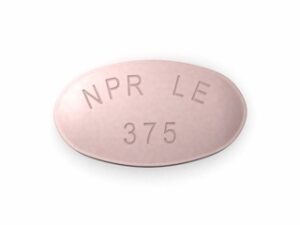



Celebrex (Celecoxib) — Patient Information (Australia)
Celebrex is a brand of celecoxib, a medicine used to relieve pain and inflammation. This page explains how it works, when it’s used, how it’s typically taken, and important safety information. Always follow the instructions provided with your medicine and speak with a healthcare professional if you have questions.
Quick overview
| Topic | Summary |
|---|---|
| Active ingredient | Celecoxib |
| Medicine type | NSAID (non-steroidal anti-inflammatory drug), COX-2 selective |
| Common uses | Osteoarthritis, rheumatoid arthritis, ankylosing spondylitis, acute pain (e.g., dental pain), dysmenorrhoea |
| How it helps | Reduces inflammation and pain with less effect on stomach protective pathways than some older NSAIDs |
| Typical dosing frequency | Often once or twice daily depending on the indication (follow your prescribed directions) |
| Key safety issues | Heart and circulation risk, stomach/bleeding risk, kidney effects, liver effects, and interactions |
| Alcohol | Alcohol may increase stomach irritation and bleeding risk; use cautiously |
Basic product information
Celebrex (celecoxib) belongs to the NSAID family. Unlike some traditional NSAIDs, celecoxib preferentially inhibits the COX-2 enzyme (cyclooxygenase-2), which plays a major role in inflammation and pain. In many situations, this helps reduce inflammatory symptoms while having a different gastrointestinal profile compared with non-selective NSAIDs.
In Australia, celecoxib products are supplied in tablet form. Strengths and packaging may vary by brand and availability. Your local product label and consumer medicines information (where provided) will contain the most accurate details.
How Celebrex works (mechanism of action)
Pain and inflammation in conditions like arthritis involve chemicals called prostaglandins. Prostaglandins are made by enzymes called cyclooxygenases (COX-1 and COX-2).
Celecoxib works by inhibiting COX-2, which reduces the production of prostaglandins that contribute to:
- Inflammation and swelling
- Pain signalling
- Fever-like responses related to inflammatory pathways
COX-1 is involved in maintaining protective functions in the stomach and supporting normal kidney blood flow. Because celecoxib is relatively more COX-2 selective, it may have a lower risk of stomach ulcers than some non-selective NSAIDs, but risk is not eliminated.
What it’s used for (indications)
Celebrex is used to treat inflammatory and painful conditions. Common indications include:
- Osteoarthritis (OA): pain and stiffness in joints
- Rheumatoid arthritis (RA): painful inflammation of joints
- Ankylosing spondylitis (AS): inflammation of the spine and sacroiliac joints
- Acute pain conditions, as appropriate (for example, short-term pain such as dental pain or other acute pain episodes)
- Dysmenorrhoea (painful menstruation): relief of menstrual cramps
The exact indication, strength, and duration depend on your condition and risk factors. Use only as directed by your healthcare professional and the medicine instructions supplied in Australia.
Pharmacokinetics (how the body processes celecoxib)
Pharmacokinetics describes what the body does to a medicine—how it’s absorbed, distributed, metabolised, and eliminated. Understanding these concepts helps explain timing and interactions.
- Absorption: Celecoxib is absorbed from the gastrointestinal tract. Peak blood levels typically occur within a few hours after dosing.
- Distribution: It binds substantially to plasma proteins, so it distributes through the bloodstream and tissues to exert its effect.
- Metabolism: Celecoxib is mainly metabolised in the liver, largely by the enzyme system involving CYP2C9. This is important for medicine interactions (e.g., some antifungals, antibiotics, and other drugs).
- Elimination: Metabolites are excreted primarily through the kidneys and to some degree via the bile into stool.
- Half-life: The medicine has an elimination half-life that supports dosing once or twice daily depending on indication and patient factors.
If you have liver or kidney impairment, your healthcare professional may adjust your plan and monitoring approach. Always seek advice if you have known liver disease, kidney disease, or are elderly.
When and how to take Celebrex (timing & dosing guidance)
The best dosing schedule for you depends on the condition being treated, your age, other medicines you take, and your risk profile. Follow the dosing instructions provided with your product and by your healthcare professional.
Typical dosing frequency
Celecoxib is commonly taken:
- Once daily for some long-term arthritis regimens, or
- Twice daily for certain indications or patient-specific needs.
How soon it works
- For some types of pain, you may notice symptom relief within the first hours after a dose.
- For chronic conditions like osteoarthritis and rheumatoid arthritis, effects can build over several days, with ongoing improvements over weeks.
Practical timing tips
- Try to take doses at the same times each day to maintain steady symptom control.
- If you miss a dose, take it when you remember unless it’s close to the next dose—then skip the missed dose. Do not double up.
- Do not exceed the dose on the label or in your instructions.
Can you take it with food?
Many patients can take celecoxib with or without food. Food may slightly delay absorption for some people, but overall effectiveness is generally maintained. Taking it with food may be more comfortable if you experience stomach discomfort.
Food interactions
Unlike some medicines that require strict dietary timing, celecoxib is generally flexible with meals. Still, consider the following:
- With food: may reduce stomach upset for some individuals.
- Large meals: may delay absorption slightly; if you take it for short-term pain, plan accordingly.
- Gastro-irritating foods: spicy or highly acidic foods can worsen indigestion in some people already sensitive to NSAIDs.
There are no common “avoid” foods specifically listed for celecoxib in routine use, but your personal tolerance matters.
Alcohol interactions and safety
Alcohol can increase the risk of stomach irritation and bleeding when combined with NSAIDs, including celecoxib. It may also worsen side effects like dizziness or nausea.
- If you choose to drink alcohol, consider limiting intake and avoid taking celecoxib on an empty stomach if you know alcohol affects your stomach.
- Avoid heavy or regular heavy drinking, especially if you have a history of ulcers or gastrointestinal bleeding.
- If you take blood-thinning medicines or have cardiovascular risk factors, ask your healthcare professional for tailored advice.
If you notice black/tarry stools, vomiting blood, or severe stomach pain after taking celecoxib and alcohol together, seek urgent medical attention.
Medicine interactions (important)
Interactions can change how celecoxib works or increase side effects. Always tell your pharmacist or doctor about all medicines you take, including over-the-counter products and supplements.
Other NSAIDs
- Avoid taking two NSAIDs together (e.g., ibuprofen, naproxen, diclofenac) unless specifically advised. Using multiple NSAIDs increases risk of stomach bleeding and kidney harm.
Blood thinners and antiplatelet medicines
- Celecoxib may increase bleeding risk when used with warfarin or other anticoagulants.
- Caution is also advised with medicines that affect platelet function (e.g., clopidogrel or high-dose aspirin).
Other medicines affecting kidneys
- Combining celecoxib with certain blood pressure medicines (especially ACE inhibitors and diuretics) may raise kidney-risk in some patients—particularly if you are dehydrated, elderly, or have underlying kidney impairment.
Diuretics (“water tablets”)
- NSAIDs can reduce the effect of some diuretics and may affect fluid balance.
CYP2C9-related interactions
Since celecoxib is metabolised by CYP2C9, some medicines may alter celecoxib levels. Examples include (depending on country availability and your treatment):
- Fluconazole (an antifungal)
- Some antibiotics
- Other CYP2C9 inhibitors/inducers
If you are prescribed something new, check with your healthcare professional or pharmacist to confirm compatibility.
Selective interactions to discuss
- Lithium (levels can change with some NSAIDs)
- Methotrexate (dose and timing may require adjustment)
- Serotonin reuptake inhibitors (SSRIs) (may increase bleeding risk when combined with NSAIDs)
This list isn’t exhaustive—always confirm with a healthcare professional for your specific medicines and doses.
Safety profile: what to watch for
Like all NSAIDs, celecoxib can cause side effects. Most people tolerate it well when used appropriately, but the risk profile depends on dose, duration, age, and existing health conditions.
Common side effects
- Indigestion, heartburn, stomach discomfort
- Nausea
- Headache
- Dizziness
- Swelling in the legs/ankles (fluid retention) in some people
Serious risks (seek urgent care if severe)
Serious complications are uncommon but important to recognise early:
- Cardiovascular risk: NSAIDs can increase the risk of heart attack and stroke, particularly at higher doses or with long-term use. Risk may be higher if you have known heart disease, stroke history, or significant cardiovascular risk factors.
- Gastrointestinal bleeding: risk of stomach or bowel ulcers and bleeding can occur at any time, even without warning symptoms. Watch for black/tarry stools, vomiting blood, or severe persistent stomach pain.
- Kidney effects: NSAIDs can reduce kidney function, especially in people who are dehydrated, have kidney impairment, or are taking certain medicines. Signs may include reduced urination, swelling, or sudden weight gain.
- Allergic reactions: rash, hives, facial swelling, wheezing, or breathing difficulties require urgent assessment.
- Liver problems: yellowing of the skin/eyes, dark urine, or severe fatigue should be assessed promptly.
- Serious skin reactions: seek urgent care for blistering, peeling, or widespread rash with fever.
Who needs extra caution?
- Older adults
- People with a history of stomach ulcers or gastrointestinal bleeding
- People with heart disease, high blood pressure, or risk factors for stroke
- People with kidney impairment or dehydration
- People with liver disease
- People with a history of asthma triggered by NSAIDs
Practical use tips (getting the best benefit safely)
- Use the lowest effective dose for the shortest time needed. This approach helps reduce risk.
- Do not combine with other NSAIDs (unless your healthcare professional specifically advises).
- Stay hydrated, particularly during hot weather, illness, or when your appetite is reduced.
- Monitor your symptoms: if pain persists or worsens despite treatment, seek medical advice rather than escalating dose on your own.
- Watch for warning signs: sudden stomach pain, black stools, unexplained bruising/bleeding, breathlessness, chest pain, or reduced urination require prompt attention.
- Consider non-medicine options: exercise programs, physiotherapy, heat/cold therapy, weight management, and joint protection strategies may help reduce reliance on pain medicines.
Alternative options
Depending on your condition and medical history, alternatives may include other NSAIDs, non-NSAID pain relievers, or non-drug approaches. Options commonly discussed with healthcare professionals include:
Other medicines
- Paracetamol (acetaminophen): may help with pain, especially for mild to moderate symptoms (does not provide the same anti-inflammatory effect as NSAIDs).
- Other NSAIDs: such as ibuprofen or naproxen (may differ in gastrointestinal and cardiovascular risk profile).
- Topical anti-inflammatories: for some joint problems (may reduce systemic side effects).
- For arthritis disease control: disease-modifying therapies and biologics may be used for rheumatoid arthritis in consultation with specialists.
Non-medicine approaches
- Physiotherapy and strengthening exercises
- Joint supports and activity modification
- Heat/ice therapy
- Weight management for weight-bearing joint pain
- Assistive devices if recommended
Your best alternative depends on the type of pain, your overall risk factors, and what other medicines you use.
Market and legal context in Australia
In Australia, medicines are regulated by the Therapeutic Goods Administration (TGA). Availability may vary by:
- Indication (what condition it is being used for)
- Strength and pack size
- Whether it is supplied via prescriptions or other channels, based on regulatory classification and local pharmacy processes
- Special conditions, such as patient eligibility and pharmacist assessment
For online purchasing, Australian pharmacies and consumers are expected to follow applicable laws and professional standards, including identity and safety checks where required. Product information provided on the label and by the supplier should always be used as the primary reference.
Note: The rules for supply and how medicines are dispensed can change over time. If you’re unsure, contact the pharmacy to confirm current availability and processes for Celebrex.
Recent guidance and how recommendations may evolve
Guidance for NSAID use—including COX-2 selective medicines like celecoxib—commonly focuses on the following themes:
- Cardiovascular and GI risk awareness (use the lowest effective dose and reassess need regularly)
- Individual risk assessment, especially for people with existing heart disease, stroke risk factors, or history of ulcers
- Avoidance of unnecessary long-term use and use of the shortest effective duration
- Care with kidney risk, particularly during illness or dehydration
Always check for the most current advice from your healthcare professional, and use the Consumer Medicines Information (CMI) leaflet that comes with your product. If you’ve been taking celecoxib long-term, it’s a good idea to review ongoing need periodically.
Delivery and availability (Australia)
Availability of Celebrex may vary depending on brand, strength, and packaging. Online pharmacies in Australia typically offer:
- Home delivery to eligible locations
- Tracking and delivery updates (depending on courier service)
- Customer support to confirm stock and assist with product selection
Delivery times depend on location, public holidays, and stock status. For time-sensitive needs (e.g., after-hours symptoms), consider placing your order early and confirming dispatch estimates with the pharmacy.
Storage: store tablets as directed on the pack (commonly at room temperature, away from moisture and heat), and keep out of reach of children.
FAQ (Frequently asked questions)
1) Is Celebrex the same as celecoxib?
Yes. Celebrex is a brand name; the active ingredient is celecoxib. Different brands or generic products may contain the same active ingredient but can vary in strength and formulation.
2) How long does Celebrex take to work?
Many people notice pain relief within several hours after a dose. For chronic conditions like osteoarthritis or rheumatoid arthritis, benefits may become clearer over days to weeks. If there is no meaningful improvement, speak with your healthcare professional.
3) Can I take Celebrex with food?
Generally, yes. Taking celecoxib with food may be more comfortable if you feel mild stomach upset. Do not alter dosing unless advised.
4) Can I take it with alcohol?
It’s best to limit alcohol while using NSAIDs. Alcohol can increase stomach irritation and bleeding risk. If you choose to drink, keep it moderate and be alert for stomach symptoms.
5) Should I take Celebrex instead of ibuprofen or naproxen?
Both are NSAIDs, but they differ in COX selectivity and risk profile. The right choice depends on your condition and medical history. Do not switch or combine NSAIDs without advice.
6) Is Celebrex safe for everyone?
Not necessarily. Extra caution is needed in people with heart disease, history of ulcers, kidney or liver impairment, asthma related to NSAIDs, or those taking medicines that increase bleeding or affect kidneys. A clinician or pharmacist can help assess suitability.
7) What should I do if I miss a dose?
Take it when you remember unless it’s close to the next scheduled dose. If it’s near the next dose, skip the missed dose. Don’t take a double dose.
8) What side effects require urgent medical help?
Seek urgent care for: chest pain, sudden breathlessness, weakness on one side (possible stroke symptoms), black/tarry stools or vomiting blood, severe stomach pain, fainting or severe rash/blistering, swelling of face/lips, or signs of serious allergic reaction.
9) Can I use Celebrex for long-term arthritis pain?
Some people use celecoxib for ongoing symptom control, but the safest approach is regular review of dose and need. Long-term NSAID use should be discussed with a healthcare professional, particularly if you have cardiovascular or gastrointestinal risk factors.
10) Are there alternatives if I can’t take Celebrex?
Depending on the condition, alternatives may include other pain relief options such as paracetamol, topical therapies, different anti-inflammatory strategies, or disease-specific treatments (especially for rheumatoid arthritis). A pharmacist or doctor can guide the best option for you.
Important: This information is general and designed to help you understand celecoxib (Celebrex). It does not replace the advice of a healthcare professional or the instructions provided with your product. If you have questions about suitability, interactions, or side effects—especially if you have heart disease, a history of ulcers, kidney problems, or take anticoagulants—speak with a pharmacist or doctor.