Gabapentin (Australia) — Patient Information
Gabapentin is a medicine used to treat certain nerve-related pain conditions and some seizure disorders. It works mainly by changing how nerves in the brain and spinal cord send signals. This page explains what gabapentin is, how it works, how it’s taken, safety considerations, and practical tips for using it effectively in Australia.
Basic product information
| Category | Details (general) |
|---|---|
| Generic name | Gabapentin |
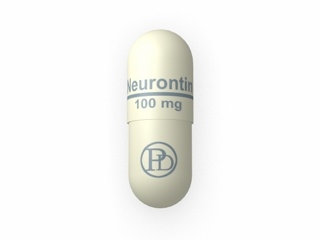
| Common forms | Capsules and tablets are available in different strengths. (Brand names vary.) |
| How it’s used | Often started at a low dose and increased gradually depending on the condition and tolerability. |
| Key considerations | May cause dizziness and sleepiness; dose adjustments may be needed in kidney impairment. |
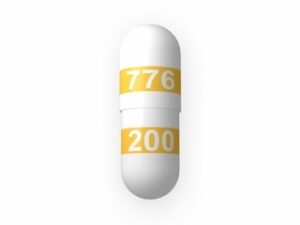
Note: The exact product strength, appearance, and dosing schedule can vary between formulations and brands. Always follow the instructions on your specific pack and any clinician guidance.
How gabapentin works (mechanism of action)
Gabapentin is an analogue of the neurotransmitter gamma-aminobutyric acid (GABA), but it does not work in the traditional “GABA replacement” way. Its main mechanism involves binding to a specific site associated with nerve signalling pathways—commonly described as the α2δ subunit of voltage-gated calcium channels.
By attaching to this site, gabapentin helps reduce the release of certain excitatory neurotransmitters. In practical terms, this can:
- Decrease abnormal nerve firing that contributes to neuropathic (nerve) pain.
- Help stabilise neuronal activity, which can reduce seizure frequency in certain seizure types.
- Support pain relief in conditions where nerves are “over-responsive.”
Pharmacokinetics (how the body handles gabapentin)
Pharmacokinetics describes how the body absorbs, distributes, metabolises, and eliminates a medicine.
- Absorption: Gabapentin is absorbed from the gut, but absorption can be variable. Higher doses may not increase blood levels proportionally.
- Time to effect: Some symptom improvement may be noticed after starting, but for neuropathic pain it can take days to weeks to reach a helpful dose.
- Distribution: It can enter the central nervous system (brain and spinal cord).
- Metabolism: Gabapentin is not extensively metabolised in the liver.
- Excretion: It is primarily eliminated through the kidneys.
- Half-life: The elimination half-life is typically several hours, which is one reason gabapentin is often taken in divided doses.
Kidney function matters: Because gabapentin is largely cleared by the kidneys, people with reduced kidney function may require dose adjustments to reduce side effects such as drowsiness, swelling, or unsteadiness.
What gabapentin is commonly used for (typical use & indications)
Gabapentin is used for:
- Neuropathic pain (nerve pain), such as pain from nerve injury or certain chronic pain conditions.
- Seizure disorders in combination with other anti-epileptic medicines for certain seizure types, where appropriate.
Important: The specific indication and suitability depends on your condition, history, and other medicines. Gabapentin is not used for all types of pain.
When to take gabapentin (timing & consistency)
Gabapentin is typically taken at regular times to maintain steady levels and improve symptom control.
Common practical timing patterns:
- Multiple daily doses: Many people take gabapentin 2–3 times daily depending on the prescribed regimen.
- Start low, go slow: Many clinicians begin with a lower dose and gradually increase to reduce side effects.
- Even spacing: Spacing doses evenly can help maintain symptom control and reduce “peaks and troughs” of drowsiness or pain relief.
If you miss a dose: In general, take it when you remember on the same day. If it is close to the next dose, skip the missed dose and continue your schedule. Do not double up.
Food interactions and taking gabapentin with meals
Gabapentin can generally be taken with or without food. However, food may influence absorption for some people.
- If your prescriber/pharmacist recommended a specific way (for example, consistently with meals), try to keep the routine the same.
- If you notice stomach discomfort, taking gabapentin with food may help.
- Consistency is often more important than choosing a particular meal timing.
Tip: If switching from taking with food to taking on an empty stomach (or vice versa), monitor how you feel—particularly dizziness or sleepiness.
Alcohol and medicine interactions
Alcohol
Alcohol can increase the risk of side effects with gabapentin, particularly:
- Drowsiness and impaired coordination
- Dizziness and falls
- Slower reaction time
Recommendation: It’s generally safest to avoid or limit alcohol while taking gabapentin, especially when starting or increasing the dose.
Other medicines that can cause sedation
Combining gabapentin with other medicines that affect the central nervous system may increase sedation and breathing-related risks in susceptible individuals. Examples include:
- Opioid pain medicines (e.g., morphine, oxycodone)
- Benzodiazepines (e.g., diazepam, alprazolam)
- Some sleep medications
- Other medicines that cause sleepiness or dizziness
Seek urgent advice if you (or someone else) experiences severe sleepiness, difficulty waking, confusion, slow or shallow breathing, or fainting.
Antacids
Certain antacids can affect gabapentin absorption. If you use antacids regularly, talk to a pharmacist about whether timing adjustments are needed.
Opioids and respiratory risk
When gabapentin is used together with opioids, the risk of sedation and breathing suppression may increase. Clinicians often weigh benefits and risks carefully and may recommend the lowest effective doses for the shortest duration where possible.
Always tell your pharmacist or doctor about all medicines and supplements you take, including over-the-counter products.
Dosing overview (how gabapentin is commonly prescribed)
Dosing depends on the condition, age, kidney function, and how well you tolerate the medicine. Many regimens involve a gradual increase.
General dosing principles
- Start low: Lower doses at first help reduce dizziness, unsteadiness, and sleepiness.
- Titrate slowly: The dose is often increased every few days or weekly depending on your clinician’s plan.
- Split dosing: Doses may be divided across the day.
- Kidney impairment: Dose adjustments may be needed; do not change dose without professional advice.
Typical dosing examples (for illustration)
Important: The following is a general overview and not a personalised dose. Always follow the dosing instructions on your specific product or clinician directions.
- Neuropathic pain: Often started at a low dose and increased gradually until symptoms are controlled or side effects limit further increases.
- Seizure disorder (adjunctive use): Dose may be increased gradually to achieve seizure control while monitoring tolerability.
If you want, you can share your prescribed strength and dosing schedule (without personal identifiers), and we can help you understand how to take it consistently—however, dosing changes should always be guided by a clinician.
Safety profile and side effects
Like all medicines, gabapentin can cause side effects. Many people experience mild effects early on, particularly when the dose is being increased.
Common side effects
- Dizziness
- Sleepiness or tiredness
- Unsteadiness or coordination problems
- Fatigue
- Nausea
- Swelling (for some people)
Less common but important effects
- Mood changes including increased anxiety or agitation
- Blurred vision or other visual disturbances
- Allergic reactions (e.g., rash, swelling of the face/lips)
Seek urgent medical help if
- There are signs of a serious allergic reaction (swelling, difficulty breathing)
- Severe drowsiness, confusion, or fainting occurs
- Breathing becomes slow or difficult, especially when combined with opioids or other sedatives
- You have new or worsening suicidal thoughts or severe mood changes
Do not stop suddenly
Stopping gabapentin abruptly can cause problems, particularly in people using it for seizures. When discontinuing, a gradual taper is often recommended to reduce withdrawal and symptom rebound. Consult a clinician for a safe stopping plan.
Practical use tips for best results
- Give it time: For nerve pain, the most noticeable benefits may appear after dose stabilisation.
- Move carefully at first: Dizziness and sleepiness are common early. Be cautious when driving, using machinery, or climbing stairs.
- Track response: Consider keeping a simple log of pain severity, sleep quality, and side effects during dose changes.
- Watch for sedation: If you feel drowsy, avoid alcohol and be cautious with other sedating medicines.
- Hydration and falls prevention: If unsteadiness occurs, ensure safe surroundings, adequate hydration, and good lighting.
- Kidney health: If you have kidney disease, follow your clinician’s dose plan and attend reviews.
- Consistency: Take doses at similar times each day.
Alternative options for neuropathic pain and seizures
Treatment plans vary by condition. Options that may be considered (depending on your specific diagnosis and medical history) include:
Neuropathic pain alternatives
- Pregabalin (another medicine that works in a similar way for many people)
- Tricyclic antidepressants (used in low doses for nerve pain in some cases)
- Serotonin-norepinephrine reuptake inhibitors (SNRIs) (for selected patients)
- Topical therapies for certain localised pain conditions
- Non-medicine approaches such as physiotherapy, graded activity, and cognitive behavioural strategies
Seizure-related alternatives
- Other anti-epileptic medicines that may be chosen based on seizure type and patient factors
- Adjunctive management strategies alongside medication
Discuss with a clinician if gabapentin doesn’t suit you. Switching options should be planned carefully to maintain safety and avoid rebound symptoms.
Market and legal context in Australia (what to expect)
In Australia, the availability and classification of medicines is regulated. Gabapentin is commonly supplied under Australian pharmaceutical scheduling rules and may be dispensed only when allowed under the applicable requirements. Availability can depend on the product’s status, pharmacy policies, and local regulatory frameworks.
What this means for you:
- Only buy medicines from reputable, compliant pharmacy providers.
- Ensure the product name and strength match what you were advised to use.
- Seek professional advice if you have kidney disease, are pregnant/breastfeeding, or take multiple medicines.
Always follow local Australian guidance and the instructions provided with your medicine.
Recent guidance and safety updates (general themes)
Across many healthcare settings, safety emphasis has focused on:
- Careful prescribing when gabapentin is used with opioids or other sedatives.
- Starting low and titrating slowly to reduce dizziness and drowsiness.
- Monitoring for sedation, falls risk, and changes in mood.
- Renal function review for appropriate dosing in people with kidney impairment.
Because guidance can evolve, it’s helpful to check with a pharmacist for the most current advice relevant to your situation—especially if you take opioids, have kidney disease, or are older.
Delivery and availability (online pharmacy information)
Gabapentin availability may vary by strength and formulation (e.g., tablets vs capsules, and brand). When ordering online in Australia, availability depends on stock and supply schedules.
Typical delivery expectations:
- Dispatch times: Orders are usually processed on business days, subject to stock and payment verification.
- Delivery speed: Courier times depend on your location (metro vs regional).
- Packaging: Medicines are supplied in original packaging with patient information material included.
If a particular strength is temporarily out of stock, a pharmacy may offer alternatives such as:
- Different strengths with compatible dosing schedules (where clinically appropriate)
- Similar formulations available sooner
- Re-ordering once stock is replenished
Tip: If you’re nearing the end of your current supply, consider ordering a little earlier to reduce the risk of running out.
FAQ: Gabapentin (patient questions)
1) How long does gabapentin take to work?
Some people notice effects within days, but for neuropathic pain it often takes longer. Dose titration and reaching a suitable dose can take weeks. Seizure control timelines also vary.
2) Can I take gabapentin with food?
Yes. Gabapentin can generally be taken with or without food. If you notice your symptoms or side effects change with meals, keep the routine consistent and ask a pharmacist if timing adjustments are needed.
3) Can I drive while taking gabapentin?
Gabapentin can cause dizziness or sleepiness. Avoid driving or operating machinery until you know how it affects you. Be especially cautious when starting or increasing the dose.
4) What if I miss a dose?
Take it when you remember on the same day. If it’s near your next dose, skip the missed one. Do not double your dose.
5) Is gabapentin addictive?
It is not typically described as “addictive” in the same way as some substances. However, dependence and withdrawal-type symptoms can occur if it is stopped suddenly or misused. Always taper under professional guidance.
6) What side effects are most common?
Dizziness, sleepiness, and unsteadiness are among the more common effects—especially early in treatment or after dose increases.
7) Can I drink alcohol?
It’s generally safest to avoid or limit alcohol, as it can increase sedation, dizziness, and safety risks when combined with gabapentin.
8) Are there interactions with opioids or sleep medicines?
Yes. Using gabapentin with opioids or other sedating medicines can increase drowsiness and may increase risk of breathing problems in some people. Your pharmacist can advise on safe timing and monitoring.
9) Does gabapentin need dose adjustment in kidney disease?
Often, yes. Since gabapentin is cleared by the kidneys, people with impaired kidney function may require different dosing. Discuss kidney function and any recent blood tests with your clinician.
10) What should I do if I want to stop gabapentin?
Do not stop suddenly. Arrange a taper plan with a clinician or pharmacist to reduce withdrawal symptoms and avoid rebound of your condition.
When to speak to a pharmacist or doctor
Speak to a healthcare professional before using gabapentin (or if you already use it) if you:
- Have kidney disease
- Take opioids, benzodiazepines, or other sedatives
- Are pregnant, planning pregnancy, or breastfeeding
- Have a history of substance misuse
- Experience mood changes or severe sleepiness
Disclaimer: This information is intended to support patient understanding and does not replace personalised medical advice. If you have concerns about your symptoms, side effects, or medication safety, consult a pharmacist or doctor.