
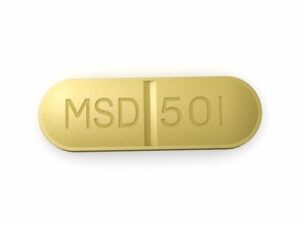
Imuran® (Azathioprine) — Patient Guide (Australia)
Imuran is a prescription medicine containing azathioprine. It is used to reduce overactive immune activity in certain conditions and to help prevent immune system damage to the body. This page explains how azathioprine works, how it is used, common safety considerations, and practical tips for Australians.
| Medicine | Imuran® (Azathioprine) |
|---|---|
| Active ingredient | Azathioprine |
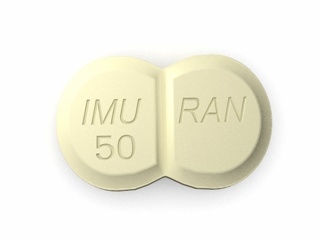
| Common forms | Tablets (strengths vary by product/pack) |
| Medicine class | Immunosuppressant (antimetabolite) |
| Typical uses | Autoimmune diseases; prevention of organ transplant rejection (in combination) |
| Key monitoring | Blood counts (FBC), liver tests (LFTs), kidney-related review when relevant |
| When it works | Often weeks; sometimes longer for full effect |
What is Imuran (Azathioprine)?
Imuran (azathioprine) is an immunosuppressive medicine. It helps lower the activity of the immune system—especially the parts that drive inflammation and tissue damage in autoimmune diseases or contribute to transplant rejection.
Azathioprine is used in carefully selected situations, usually when symptoms or disease activity cannot be controlled adequately by other treatments, or when a steroid-sparing approach is needed.
How Imuran works (Mechanism of action)
Azathioprine is converted in the body to active metabolites that interfere with immune cell function.
- It reduces immune cell proliferation (slows the growth of certain immune cells).
- It affects DNA/RNA synthesis, which helps suppress abnormal immune responses.
- It dampens inflammation linked to autoimmune disease activity.
Important: Because it alters immune activity gradually, azathioprine typically does not provide immediate symptom relief. Improvement often builds over time.
Pharmacokinetics (How the body handles it)
Pharmacokinetics describes absorption, distribution, metabolism, and elimination.
- Absorption: Azathioprine is absorbed after oral dosing. Food may affect how quickly it reaches peak levels, though the overall exposure is generally similar for many people.
- Metabolism: It is metabolised mainly in the liver and also through pathways in other tissues. Active metabolites are formed and then further processed.
- Role of TPMT: Activity of a key enzyme pathway—thiopurine methyltransferase (TPMT)—influences how azathioprine is metabolised. Reduced TPMT activity can increase the risk of bone marrow suppression.
- Elimination: Metabolites are eliminated primarily through urine (and partly through other routes). Clearance varies between individuals.
Clinical takeaway: Because metabolism and drug levels vary, laboratory monitoring is an important part of safe use.
Typical uses of Imuran in Australia
Azathioprine is used for immune-related conditions, usually under the guidance of specialists (for example, rheumatology, gastroenterology, dermatology, or transplant teams).
Autoimmune and inflammatory conditions
- Inflammatory bowel disease (IBD) (e.g., Crohn’s disease, ulcerative colitis), often as a steroid-sparing option
- Autoimmune hepatitis
- Some severe or steroid-dependent autoimmune disorders where appropriate (your doctor will determine suitability)
Transplant medicine
- Prevention of organ rejection in combination with other immunosuppressive medicines after transplantation
Use in a given condition depends on clinical assessment, previous treatments, and monitoring plan.
When and how to take Imuran (Timing & routine)
Azathioprine is usually taken or twice daily, depending on the prescribed regimen and your dose schedule. Follow your dosing schedule consistently.
- Same time each day: Helps maintain steady exposure.
- If your dose is split: Take doses approximately 12 hours apart (unless your clinician instructs otherwise).
- Missed dose: Take the next dose at the usual time. Do not double up to make up a missed dose.
Starting effect: Many people notice disease control gradually—commonly over weeks, and sometimes longer for full benefit.
Food interactions and what to eat
Azathioprine can generally be taken with or without food. However, different people experience different stomach tolerability.
- Nausea or stomach upset: If this occurs, taking the dose with food may help.
- Consistency matters: Try to take Imuran in the same way each day (with or without food) to keep your routine steady.
If you have persistent nausea, vomiting, or diarrhoea, speak with your healthcare team promptly. These symptoms may also relate to other causes and should not be ignored.
Alcohol interactions
Alcohol can affect the liver and may worsen the risk of liver irritation in people taking medicines that require liver monitoring.
- General advice: Keep alcohol to low levels or avoid it if your liver tests are abnormal.
- Safety first: If you drink alcohol, discuss a safe limit with your doctor—especially if you have liver disease or elevated LFTs.
Seek medical advice if you develop yellowing of the skin/eyes, dark urine, severe fatigue, or upper abdominal pain.
Medicine interactions (important)
Azathioprine has several notable interactions. Some can increase toxicity (for example, bone marrow suppression), while others can reduce effectiveness.
Medicines that can increase risk of bone marrow suppression
- Allopurinol and febuxostat (for gout): can significantly increase azathioprine levels and toxicity risk.
- Some drugs affecting intestinal microbes or bone marrow function (your pharmacist can check specific combinations).
- Other immunosuppressants or medicines that influence blood cell production—may require careful balancing and closer monitoring.
Medicines that may affect metabolism
- ACE inhibitors (e.g., enalapril, lisinopril) and some other medicines can be associated with additive blood-related risks in certain cases (monitoring may be adjusted).
- Warfarin (blood thinner): effects may change; closer INR monitoring may be needed if used together.
Vaccines and infection-related medicines
- Live vaccines: Immunosuppression increases the risk of complications from live vaccines. Vaccination plans should be discussed with a clinician.
- Infections: If you require antibiotics or antivirals, let your healthcare team know you take azathioprine.
Practical tip: Keep an up-to-date list of all your medicines, including supplements and herbal products, and review it with your pharmacist before starting new treatments.
Indications (When it’s used)
In Australia, azathioprine (Imuran) is commonly used for:
- Autoimmune diseases that benefit from immune suppression
- Inflammatory bowel disease as an immunomodulator, especially where reducing steroid exposure is desired
- Autoimmune hepatitis in appropriate cases
- Transplant rejection prevention as part of combination immunosuppression regimens
Exact suitability varies by diagnosis, severity, prior therapies, and lab results.
Dosing (How much is used)
Dosing must be individualised. Clinicians consider body weight, diagnosis, blood test results, and metabolism-related factors (including TPMT status if tested).
Typical dosing principles include:
- Weight-based dosing is commonly used for many indications.
- Start low and adjust based on response and blood monitoring results.
- Divide doses if prescribed (once daily or twice daily regimens are both used).
Monitoring-driven changes: If blood counts fall or liver tests rise, your doctor may reduce the dose or pause treatment until values recover.
Do not change your dose without medical advice, even if you feel well, as the medicine’s effect on the immune system depends on consistent dosing.
Safety profile (What to watch for)
Azathioprine can be effective, but it requires careful monitoring because it may affect blood cells and the liver, and it can increase infection risk.
Common or expected monitoring concerns
- Low blood cell counts (bone marrow suppression), which may increase infection risk and cause bruising/bleeding
- Liver test abnormalities (elevated liver enzymes)
When to seek urgent medical care
Get medical help urgently if you develop:
- Fever, chills, or signs of serious infection
- Unusual bruising, bleeding gums, black/tarry stools, or blood in urine
- Severe sore throat or mouth ulcers
- Yellowing of skin/eyes, severe fatigue, dark urine, or severe upper abdominal pain
- Shortness of breath, swelling, or signs of allergic reaction
Skin and cancer risk considerations
Long-term immunosuppression can increase the risk of some cancers (especially skin cancers). This is why sun protection and regular skin checks are recommended.
- Use sunscreen and protective clothing
- Avoid prolonged sun exposure
- Report suspicious skin changes promptly
TPMT and genetic factors
Some people have reduced TPMT activity. If not metabolised properly, azathioprine can accumulate and increase toxicity risk. Many clinical teams consider TPMT testing (or related testing approaches) prior to or during therapy.
Practical use tips (Daily life with Imuran)
- Keep up with blood tests: Attend scheduled monitoring appointments and labs. These checks help keep you safe.
- Use a pill organiser: Especially if your dose is split or you take multiple medicines.
- Know the “red flags”: Fever, mouth ulcers, unusual bruising, and jaundice should be addressed quickly.
- Infection precautions: If you’re unwell, contact your healthcare team. Avoid close contact with people who have contagious illnesses.
- Sun protection: Practise daily skin protection and watch for new or changing lesions.
- Track your response: Note symptom changes (e.g., bowel habits, fatigue, skin symptoms) and share them at reviews.
Alternative options (Discuss with your doctor)
Depending on the condition being treated, there are other medication strategies. Alternatives may include:
For autoimmune/inflammatory conditions
- Corticosteroids (often used for shorter periods or as bridging therapy)
- Methotrexate or other conventional immunosuppressants (condition-dependent)
- Biologic therapies and targeted treatments (for some IBD and other diseases)
- Other immunomodulators used in specific diagnoses
For autoimmune hepatitis
- Often involves steroid-containing regimens initially, followed by steroid-sparing medicines; choice depends on disease activity and tolerance.
Your clinician will weigh disease severity, prior response, infection risk, monitoring burden, and personal factors when selecting the best option.
Market & legal context in Australia (how it’s supplied)
Imuran (azathioprine) is supplied in Australia as a prescription medicine and must be dispensed through appropriate channels. Regulatory requirements, safety monitoring, and product information are aligned with Australian standards.
- Safety monitoring is expected: Blood and liver tests are commonly required to reduce risk of serious adverse effects.
- Medicines information availability: Healthcare professionals rely on product information and prescribing guidance.
- Quality and supply: Approved products are supplied through legitimate distribution networks.
Recent guidance note: Clinical practice continues to emphasise TPMT/related risk assessment where relevant, regular laboratory monitoring, infection prevention measures, and vaccination planning for immunosuppressed patients. Your prescriber or specialist clinic may also follow updated disease-specific guidelines (e.g., for IBD and autoimmune hepatitis).
Delivery and availability (Australia)
Availability may depend on stock levels and your local pharmacy supply chain. Many online pharmacy services in Australia can:
- Check current availability for Imuran tablets
- Dispatch to eligible Australian addresses where permitted by law and service terms
- Provide estimated delivery times at checkout
- Support secure packaging and handling for medicines
Delivery tips: Ensure your contact details are current to receive delivery updates. If you need delivery by a specific date (e.g., to avoid running out), order early and confirm the dispatch estimate.
Safety monitoring: what to expect in follow-up
Monitoring schedules vary by indication, dose, and individual risk factors. Typical monitoring commonly includes:
- Full blood count (FBC) to detect drops in white cells, red cells, or platelets
- Liver function tests (LFTs) to detect liver enzyme elevations
- Regular review of symptoms, infection history, and side effects
If results are abnormal, the clinician may adjust dose, increase monitoring frequency, or pause therapy. Never ignore abnormal lab results—contact your healthcare team for instructions.
FAQ about Imuran (Azathioprine)
1) How long does it take for Imuran to work?
Many people notice improvement over weeks, but full benefit can take longer. It is important to continue the planned course and attend monitoring reviews, even if symptoms take time to improve.
2) Can I stop Imuran if I feel better?
Do not stop suddenly unless your clinician advises it. Stopping may lead to flare-ups or loss of immune control. If you’re considering stopping, discuss risks and a taper/plan with your healthcare team.
3) What should I do if I miss a dose?
Generally, take the next dose at the usual time. Do not take extra doses to “catch up.” If you’re unsure, ask your pharmacist or doctor for advice tailored to your dosing schedule.
4) Is it okay to take Imuran with food?
Yes, azathioprine can usually be taken with or without food. If you experience nausea or stomach upset, taking it with food may help—aim to keep the routine consistent.
5) Can I drink alcohol while taking Imuran?
Alcohol should be used cautiously, particularly if you have liver disease or elevated LFTs. Discuss a safe amount with your doctor. Avoid heavy drinking and seek advice if you develop liver-related symptoms.
6) Will Imuran affect vaccines?
Immunosuppression can make live vaccines riskier. Inactivated vaccines may still be recommended, but your vaccination plan should be discussed with your healthcare team to ensure timing and suitability.
7) What infections should I watch for?
Report fever, chills, persistent cough, painful urination, severe sore throat, unusual mouth ulcers, or any infection that feels worse than usual. Prompt medical advice helps prevent complications.
8) Are there special precautions for sun exposure?
Yes. Azathioprine may increase skin cancer risk. Use sunscreen daily, wear protective clothing, and have skin checked regularly. Report new or changing lesions to a clinician promptly.
9) Do I need blood tests?
In most cases, yes. Regular FBC and LFT monitoring helps detect problems early and supports safe dose adjustments.
10) What are some common drug interactions?
Some important interactions include medicines like allopurinol (and certain related gout medicines) and other drugs that can affect bone marrow or liver function. Always provide your full medication list to your pharmacist before starting anything new.
Key points to remember
- Imuran (azathioprine) suppresses an overactive immune response and is used for autoimmune disease and transplant rejection prevention.
- It may take weeks to show full benefit.
- Regular blood tests and liver tests are important for safety.
- Watch for infection symptoms, unusual bruising/bleeding, and signs of liver problems.
- Discuss alcohol use and all medicine interactions with your healthcare team.
- Practise strict sun protection and report skin changes promptly.
If you have questions about whether Imuran is suitable for your situation, or if you notice any concerning symptoms, contact your healthcare professional promptly.