Benemid (Probenecid) – Patient Information
Benemid is a medicine containing probenecid. It is most commonly used to help manage certain types of gout by reducing uric acid levels in the blood. This page explains how Benemid works, when it may be used, how to take it safely, and what to consider with food, alcohol, and other medicines.
Note: Medicine choices and dosing should always be based on your personal medical history and laboratory results (especially kidney function and uric acid levels).
1) Basic product information
- Medicine name: Benemid
- Active ingredient: Probenecid
- Medicine type: Uricosuric (increases uric acid excretion)
- Common reason for use: Chronic management of gout and related conditions
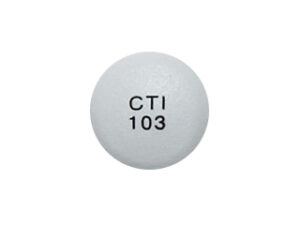
- Form: Oral tablets (strengths may vary by product/brand availability)
Availability may vary by supplier and stock levels. Your pharmacist can confirm the exact tablet strength you are ordering.
2) How Benemid works (mechanism of action)
Uric acid is a waste product formed when your body breaks down purines (found in some foods and also produced naturally by the body). In people with gout, uric acid can build up and form crystals in joints and other tissues.
Probenecid (Benemid) helps lower uric acid by acting mainly at the kidney tubules. It reduces reabsorption of uric acid (and related organic acids) and increases the amount of uric acid that is excreted into urine. This process is known as a uricosuric effect.
In practical terms:
- More uric acid leaves the body via the kidneys.
- Blood uric acid levels can gradually decrease.
- With time, this can reduce gout flares and help prevent urate crystal build-up.
3) Pharmacokinetics (how your body handles probenecid)
Pharmacokinetics describes what the body does with the medicine—absorption, distribution, metabolism, and elimination. While exact values can vary between individuals, the following describes the typical behaviour of probenecid:
- Absorption: Probenecid is absorbed from the gastrointestinal tract after oral dosing.
- Distribution: It circulates in the bloodstream and reaches sites involved in kidney secretion.
- Protein binding: Probenecid is substantially protein-bound.
- Metabolism: It undergoes metabolism in the body (details vary by patient).
- Elimination: The medicine and its metabolites are eliminated primarily via the kidneys, including through active tubular secretion.
Clinical relevance: Kidney function plays an important role in both effectiveness and safety. If the kidneys cannot excrete uric acid effectively—or if there is a history of kidney stones—probenecid may not be suitable.
4) Typical use and indications
Benemid is used in conditions where lowering uric acid is beneficial. Common approved or established uses include:
- Chronic gout (long-term urate-lowering strategy in selected people)
- Urate-related conditions where increased uric acid excretion is desired, based on clinical evaluation
- In some settings, probenecid has been used historically to alter the excretion of certain antibiotics (for example, to prolong antibiotic levels). This use is more specialised and depends on individual circumstances and local prescribing practices.
Who it may suit best:
- People with chronic gout who have been assessed as appropriate for uricosuric therapy.
- People whose kidneys are able to excrete uric acid effectively and who are less prone to kidney stones.
Who may not be suitable:
- People with significant kidney impairment
- People with a history of kidney stones or certain urinary conditions
- Some types of gout where uricosuric therapy is not appropriate (your clinician will consider your pattern of disease and blood/urine tests)
5) Timing: when to take Benemid
The exact timing depends on the dose schedule recommended for you. In general:
- Take it at the same times each day to keep levels more consistent.
- Stay well hydrated throughout the day—often a key safety measure with uricosurics.
- Your pharmacist or clinician may suggest taking it with water and possibly with food if it upsets your stomach (follow your specific instructions).
Onset of effect:
- Benemid is not intended to rapidly relieve an acute gout flare.
- Uric acid lowering typically occurs over days to weeks and fully assessed after an appropriate interval with blood testing.
6) Dosing (general guidance)
Dosing must be individualised. The most appropriate dose depends on your uric acid levels, kidney function, and risk factors for kidney stones.
Typical approach used in practice:
- Starting dose is often conservative to reduce the chance of side effects and to allow adjustment.
- Gradual increases may be considered if uric acid goals are not reached and if you tolerate the medicine.
- Regular monitoring of uric acid and kidney function is usually part of management.
Important: Do not change your dose without medical guidance. Over- or under-dosing may reduce effectiveness or increase risk (particularly kidney and urinary side effects).
7) Food interactions and dietary considerations
While Benemid’s main interactions involve other medicines, food can also influence outcomes in gout care. Consider the following:
- Hydration is essential: Drink enough fluid to help maintain urine flow. This may help reduce the risk of uric acid crystal formation in the urinary tract.
- Limit high-purine foods: Examples include certain organ meats and some seafood (exact advice should be tailored to you).
- Reduce sugar-sweetened drinks: Particularly fructose-containing drinks can worsen uric acid levels.
- Maintain a healthy weight: Rapid weight loss or crash diets can sometimes affect uric acid.
Taking with food: Some people find taking Benemid with food easier on the stomach. If your stomach is sensitive, ask your pharmacist about the most comfortable way to take your tablets.
8) Alcohol interactions
Alcohol can increase uric acid levels and trigger gout flares in many people. With Benemid therapy, it is generally advisable to:
- Limit alcohol or avoid it if you notice it triggers symptoms.
- Be especially cautious with beer and spirits, which may be more likely to precipitate flares.
- Monitor your response: Some individuals tolerate small amounts, while others do not.
Key point: Even though Benemid lowers uric acid, alcohol-related flare triggers can still occur.
9) Medicine interactions (including common interaction categories)
Probenecid affects how the kidneys handle a variety of substances. This may change the blood levels and effects of other medicines. It can also compete for tubular secretion pathways.
Tell your healthcare professional about all medicines you take (including over-the-counter products, vitamins, herbal supplements, and occasional medications).
Common interaction considerations
- Some antibiotics: Probenecid can slow elimination of certain antibiotics, potentially changing their activity and side effects.
- Gout medicines: If you are using other urate-lowering or anti-inflammatory medicines, your overall regimen should be coordinated to prevent complications.
- Uric-acid–related medicines: Other drugs that affect uric acid handling (or urine chemistry) may alter your response.
- Medicines cleared by the kidneys: Because probenecid can influence renal secretion, it may affect drugs that rely on the same renal transport mechanisms.
- Blood thinners and NSAIDs: Not all NSAIDs are affected in the same way, but gout patients often use pain relief medicines. Discuss any planned additions.
Practical interaction safety checklist
- Keep a written list of medicines and supplements.
- Check with a pharmacist before starting any new medicine.
- If you develop new side effects after adding a medicine, seek advice promptly.
10) Safety profile and possible side effects
Like all medicines, Benemid (probenecid) can cause side effects. Many are manageable, but some require urgent review.
Common or expected side effects
- Stomach upset, nausea, or indigestion
- Headache or dizziness
- Skin reactions in some people
- Changes in urination (for example, increased frequency due to higher uric acid excretion)
Important risks
- Kidney stones (uric acid stones): Because probenecid increases uric acid excretion, stone risk is an important consideration. Good hydration is commonly advised.
- Flare-ups during urate-lowering: When uric acid levels start changing, some people experience temporary gout flares. This is often managed with a coordinated flare-prevention plan.
- Hypersensitivity reactions: Rare but potentially serious reactions can occur. Seek urgent help if you develop signs such as swelling, widespread rash, or trouble breathing.
When to seek urgent medical help
- Severe allergic reaction signs (swelling of face/lips, difficulty breathing)
- Severe or worsening pain in the side/back with urinary symptoms (possible stone)
- Marked reduction in urine output or signs of kidney trouble
- Blood in urine or severe persistent abdominal pain
11) Practical use tips (to get the best results)
Many people find that simple habits significantly improve safety and comfort with urate-lowering medicines.
- Hydrate regularly: Aim for pale-yellow urine unless your clinician has advised fluid restriction.
- Take as directed: Do not skip doses or double up.
- Keep consistent urine output: Avoid long periods of dehydration.
- Attend monitoring appointments: Blood tests (uric acid, kidney function) help confirm effectiveness and detect early problems.
- Know your flare plan: Ask what to do if a gout flare occurs while starting or adjusting Benemid.
- Report urinary symptoms early: Burning, blood in urine, or sudden severe pain should be assessed promptly.
- Maintain diet support: Dietary changes can complement medication therapy.
12) Alternative options for gout urate-lowering
Benemid (probenecid) is one type of urate-lowering therapy. Depending on your health profile and test results, other options may be considered.
Other urate-lowering strategies
- Xanthine oxidase inhibitors (commonly used for gout) – work by reducing uric acid production.
- Uricosuric alternatives – some medicines may also increase uric acid excretion (choice depends on availability and suitability).
- Biologic or specialised therapies – reserved for complex or refractory cases under specialist care.
Choosing the right option: Factors typically include kidney function, history of stones, uric acid targets, comorbidities, and tolerability. A clinician can help determine which class is most suitable for you.
13) Market and legal context in Australia
In Australia, medicines are regulated by the Therapeutic Goods Administration (TGA). Access to medicines depends on their scheduling and the individual’s clinical requirements. Urate-lowering medicines like probenecid may be subject to specific supply rules and prescriber involvement based on product status and local guidance.
Online pharmacy supply in Australia is typically supported by compliance checks, identity verification where required, and appropriate medication counselling. Availability can fluctuate based on manufacturer supply and distribution.
Recent guidance (general themes):
- Gout management increasingly focuses on long-term urate control, not just flare treatment.
- Clinicians often emphasise correct monitoring of kidney function and uric acid levels.
- There is ongoing attention to flare prevention during initiation of urate-lowering therapy.
Always follow the advice of your healthcare professional and pharmacist regarding monitoring and safe use.
14) Delivery and availability (online pharmacy information)
Benemid availability may vary. If the tablet strength or formulation you need is temporarily out of stock, most online pharmacies can:
- Offer alternatives (if clinically appropriate)
- Provide an estimated delivery timeframe
- Notify you when stock returns
Delivery considerations:
- Orders are typically dispatched on business days.
- Delivery timeframes vary by location and courier service.
- Keep tablets in their original packaging and store at the recommended temperature (as shown on the label).
If you have a deadline (for example, upcoming travel or a monitoring appointment), contact customer support or your pharmacist to confirm dispatch timing.
15) FAQ
How long does Benemid take to work?
Benemid lowers uric acid gradually. Some people notice changes over days, but assessment of effectiveness is usually based on regular blood tests over weeks. It is not intended for immediate relief of an acute gout flare.
Can Benemid stop gout flares?
Benemid can help reduce the frequency of flares over time by lowering uric acid. However, when uric acid levels start shifting, some people experience flares early in treatment. A flare-prevention plan may be recommended.
What should I do if I miss a dose?
Take your dose as soon as you remember if it is close to the scheduled time. If it is almost time for the next dose, skip the missed dose and continue as normal. Do not take extra doses to make up for a missed one. If you’re unsure, ask a pharmacist.
Does Benemid require blood and kidney monitoring?
Yes, monitoring is commonly recommended. Your clinician may check uric acid and kidney function periodically to confirm effectiveness and safety.
Is it safe with kidney disease?
Probenecid may not be suitable for people with certain degrees of kidney impairment and may increase risks. Kidney function must be assessed before starting and monitored during treatment.
Can I drink alcohol while taking Benemid?
Alcohol can trigger gout flares and may worsen uric acid levels. Limiting or avoiding alcohol is generally recommended, particularly if you notice flares after drinking.
Are there foods I should avoid?
Reducing high-purine foods and fructose-containing sugary drinks may help. Hydration is also important. Your clinician or dietitian can tailor advice to your usual diet and health needs.
What symptoms might suggest kidney stones?
Possible signs include severe side or back pain, pain that comes in waves, pain with urination, or blood in urine. Seek urgent medical assessment if these occur.
What are common interactions I should know about?
Probenecid can interact with medicines that are eliminated through the kidneys and with some antibiotics. Always provide your pharmacist with a complete list of your medicines and supplements.
What are the alternative medicines to Benemid?
Alternative urate-lowering treatments include medicines that reduce uric acid production (such as xanthine oxidase inhibitors) and other options depending on your individual situation. Your clinician can advise which is most suitable.
Summary
Benemid (probenecid) is a uricosuric medicine used to help manage chronic gout by increasing uric acid removal through the kidneys. Its benefits develop over time, and safety depends largely on kidney function, hydration, and careful attention to drug interactions and monitoring.
If you have questions about how to take Benemid, what to expect during treatment, or how it may interact with your current medicines, speak to a pharmacist. They can help you use your medicine more safely and effectively.