
Panadol (Paracetamol) – Patient Information (Australia)
Panadol is a well-known brand of paracetamol (also called acetaminophen). It is used for temporary relief of mild to moderate pain and fever. This page provides patient-friendly, practical information about how Panadol works, how to take it, and key safety considerations for use in Australia.
Quick Facts
- Active ingredient: Paracetamol
- Common uses: Headache, period pain, toothache, minor aches and pains, and fever
- Availability in Australia: Widely available in pharmacies, supermarkets and convenience stores depending on pack size
- Typical dosing (adults): 500 mg–1000 mg per dose, with a minimum interval between doses
- Maximum daily dose (adults): Follow pack instructions; generally do not exceed 4,000 mg (4 g) in 24 hours unless directed by a doctor
Note: Always read the specific product label for your Panadol type (e.g., regular, extra strength, child formulations, and any “plus” products). Different strengths and dosing schedules may apply.
Basic Product Information
Panadol is a pain reliever and fever reducer containing paracetamol. In Australia, Panadol products are formulated for different ages and needs, including:
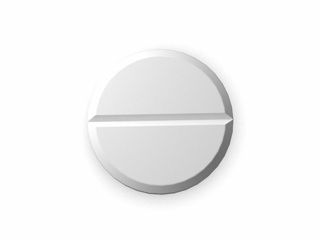
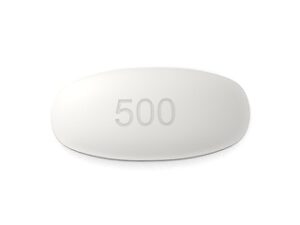
- Panadol Regular Strength (commonly 500 mg tablets)
- Panadol Extra (Strength) (higher strength tablet formats may be available)
- Children’s Panadol (liquid formulations with age-appropriate dosing)
- Panadol products may include additional ingredients in some variants (e.g., caffeine in some “extra” variants), so it’s important to check the ingredients panel.
Because formulations vary, dosing and timing can differ. For children, dose is usually based on weight rather than age alone—follow the child-specific product instructions carefully.
How Panadol Works (Mechanism of Action)
Paracetamol helps:
- Reduce fever by acting on temperature-regulating centres in the brain.
- Relieve pain by influencing pain signals in the central nervous system.
Unlike some other pain medicines, paracetamol is generally not strongly anti-inflammatory. It is therefore often chosen for headaches, minor aches, and fever rather than conditions where inflammation is the main issue.
Pharmacokinetics (Absorption, Distribution, Metabolism, Elimination)
Understanding how paracetamol moves through the body can help you take it safely and effectively.
Absorption
After swallowing, paracetamol is absorbed from the gastrointestinal tract. Onset of relief often occurs within 30–60 minutes, depending on the form taken and the person.
Distribution
Paracetamol is distributed throughout body tissues and can cross into fluids around the body. It is processed primarily by the liver.
Metabolism (Liver processing)
Paracetamol is mainly metabolised in the liver. A small portion of the dose is converted into a reactive metabolite that is normally neutralised by the body’s antioxidant systems.
Why this matters: Overdosing or combining paracetamol with other liver-stressing factors (such as heavy alcohol use or certain medications) can overwhelm the body’s protective pathways, increasing the risk of liver injury.
Elimination
Paracetamol and its metabolites are excreted mainly via the kidneys in urine.
Half-life: In many adults, the elimination half-life is typically around 1–4 hours, though it can vary with liver function, age, and overall health.
Typical Uses and Indications
Panadol (paracetamol) is indicated for temporary relief of:
- Fever (e.g., colds and flu symptoms)
- Headache, including tension-type headache
- Toothache and dental discomfort
- Period pain (cramps and associated discomfort)
- Muscle aches, backache, and minor pains
- Arthralgia (joint discomfort)
- Cold and flu aches and general body pain
For ongoing or severe pain, or pain lasting longer than expected, it’s important to seek medical advice rather than repeatedly increasing doses.
When to Take It (Timing and Frequency)
Panadol dosing is commonly based on pain/fever needs, with a minimum interval between doses. Many adult tablet formulations are taken every 4–6 hours as needed.
Important timing rules:
- Leave the recommended interval between doses (check your specific pack label).
- Do not “double up” with other products containing paracetamol.
- If using a fever medicine routine, adjust to the lowest effective dose and shortest time needed.
If you miss a dose, take it when you remember unless it’s close to the next scheduled dose. Do not take extra doses to “catch up.”
Dosing (Adults and Children)
Adults (general guidance)
For many adult Panadol tablet formats, typical dosing is:
- Single dose: 500 mg to 1000 mg
- Interval: usually at least 4 to 6 hours between doses
- Max per 24 hours: generally do not exceed 4,000 mg (4 g) in 24 hours unless directed by a doctor
Follow your pack: Different Panadol versions have different strengths, so always calculate based on the exact tablet/liquid concentration.
Children
Children’s Panadol products are usually dosed by weight and often use a medicine measure (e.g., syringe/cup) for accurate dosing.
- Use the child-specific dosing schedule on the bottle or by the pharmacist’s instructions.
- Measure carefully—household teaspoons are not reliable.
- Keep track of other medicines the child may be taking that could also contain paracetamol.
If you’re unsure of the correct dose for your child, consult a pharmacist. Accurate dosing is especially important because children can be more vulnerable to dosing errors.
Food Interactions (Can I Take Panadol With Food?)
In general, paracetamol can be taken with or without food. Taking it with food may help if you find tablets or liquids upset your stomach.
Practical notes:
- If you take it on an empty stomach, some people may feel effects slightly faster.
- There are generally no major food restrictions for standard paracetamol use.
Alcohol Interactions
Alcohol and paracetamol can both affect the liver. While occasional use in small amounts may not be a problem for some people, the risk increases with:
- Regular heavy alcohol intake
- Binge drinking
- Taking more than the recommended dose of paracetamol
- Combining with other medicines that contain paracetamol
Safety recommendation: If you drink alcohol, use the lowest effective dose, avoid exceeding the daily maximum, and consider asking a pharmacist for advice if you drink regularly or have liver disease.
Medicine Interactions (Other Medications)
Paracetamol interacts with some medicines indirectly through liver metabolism and overall health effects. The most important interaction risk is accidental duplicate dosing (when multiple products contain paracetamol).
Common interaction considerations
- Other cold/flu combination products: Many contain paracetamol. Always check labels.
- Warfarin (and similar anticoagulants): Regular dosing of paracetamol may have a more predictable effect than some other pain medicines, but it’s still important to discuss frequent use with a doctor/clinic, especially if taking warfarin long-term. Occasional use may be different from repeated daily use.
- Some anti-seizure medicines: Certain medicines can affect liver enzyme activity, potentially changing paracetamol metabolism.
- Medicines that also burden the liver (or conditions affecting the liver): may increase risk if paracetamol is overused.
If you take any regular medicines, have liver disease, or are pregnant, it’s wise to ask a pharmacist before using higher frequencies of paracetamol.
Safety Profile and Key Warnings
Panadol (paracetamol) is generally considered safe when used as directed. However, the safety depends heavily on dose accuracy and avoiding duplicate paracetamol-containing products.
Most important risk: overdose and liver injury
Paracetamol overdose can cause serious liver damage. Symptoms of overdose may not be immediate; warning signs can appear later. Because of this, it’s crucial to:
- Follow the pack dosing instructions exactly
- Do not exceed the maximum daily dose
- Check labels for paracetamol in combination products
Who should be extra cautious?
- People with liver disease or hepatitis
- People who drink alcohol regularly
- Those who are underweight or malnourished
- People taking other medicines that affect the liver
- Older adults with frailty or reduced liver function
Possible side effects
When used correctly, side effects are uncommon. Potential side effects include:
- Nausea or stomach discomfort
- Rashes or allergic reactions (rare)
- Blood disorders are very rare and usually relate to high or prolonged dosing
Seek urgent medical help if you suspect overdose, or if you develop signs of serious allergic reaction (such as swelling of the face/lips, breathing difficulty, or severe rash).
Practical Use Tips (How to Get the Best Results Safely)
- Use the right product for the person: Adults use adult strengths; children use children’s formulations with weight-based dosing.
- Write down doses if needed: This is especially helpful during busy days or when caring for children.
- Track total paracetamol: If you take cold/flu products, calculate the total paracetamol from all sources.
- Take the lowest effective dose: Avoid taking “just in case” if pain is mild.
- Don’t combine with similar pain relievers automatically: If you’re also using other medicines, check the ingredients to avoid doubling up.
- If pain continues: Consider non-medicine strategies (rest, hydration, gentle heat/cold, stretching) and talk to a healthcare professional.
When to Seek Medical Advice
You should seek medical advice if:
- You suspect an overdose or took more than the recommended dose
- Your fever persists or is very high
- Your pain lasts longer than expected (for example, several days) or is severe
- Symptoms are worsening or you have new concerning features (e.g., shortness of breath, severe headache with neck stiffness, unusual rash, dehydration)
- A child is unwell and you are unsure about dosing or the seriousness of symptoms
In Australia, urgent advice can be accessed through Healthdirect (1800 022 222) or emergency services when required.
Alternative Options (Depending on Your Symptoms)
Panadol is one option among many for pain and fever relief. Alternatives may include:
Other pain/fever medicines
- Ibuprofen (an anti-inflammatory) may be considered for some pain types, especially where inflammation is suspected—however it may not be suitable for everyone (e.g., some people with stomach ulcers, kidney issues, or asthma sensitivity).
- Aspirin is not suitable for children and may not be appropriate for everyone depending on age and conditions.
Non-medicine approaches
- Hydration and rest for fever and viral illnesses
- Cold or warm compresses for headaches or muscle discomfort
- Gentle stretching and activity pacing
- Sleep and stress management for tension-type headaches
Your best choice depends on the cause of symptoms, your medical history, and what else you’re taking. A pharmacist can help compare options safely.
Panadol and Fever/Cold Products: Avoiding Double Dosing
A common safety issue is taking Panadol alongside a multi-symptom cold and flu product that also contains paracetamol.
How to reduce the risk:
- Check the active ingredients on each product you take
- Look for terms such as paracetamol or acetaminophen
- Prefer one paracetamol-containing product at a time unless your pharmacist advises otherwise
Market and Legal Context in Australia
In Australia, medicines are regulated by the Therapeutic Goods Administration (TGA). Paracetamol-containing products like Panadol are available widely, with product accessibility determined by formulation, pack size, and strength.
Australian medicines regulations include:
- Label clarity to support safe dosing
- Standardised pack instructions including maximum daily limits
- Pharmacist supply guidance for certain products and quantities
Because dosing errors can lead to harm, labelling and consumer information are a major focus. Always follow the dose on the specific Panadol pack you have.
Recent Guidance and Ongoing Safety Messages
Australia continues to emphasise safe paracetamol use through public health messaging. Key themes include:
- Preventing overdose by avoiding duplicate paracetamol products
- Recognising that symptoms may be delayed after overdose, so urgent medical advice is required even if you feel okay
- Using the lowest effective dose for the shortest time
- Using accurate measuring tools for children’s liquid dosing
If you’re unsure about your product, check the box label and consider asking a pharmacist to confirm dosing, especially for children and people with liver concerns.
Delivery and Availability (Australia)
Panadol is commonly stocked by Australian pharmacies and many online retailers due to its widespread demand. Availability varies by region, brand variant, and pack size.
- In-stock items: Many retailers can dispatch within 1 business day (depends on supplier and cut-off times).
- Delivery times: Typically standard or express options are offered; times vary by postcode and carrier.
- Packaging: Orders are usually packed securely to protect tablets/liquids from damage.
Tip: If you’re ordering for a child, choose the correct children’s formulation and ensure you have measuring devices (if included).
FAQ (Frequently Asked Questions)
1) Can I take Panadol with food?
Yes. Panadol can generally be taken with or without food. If it upsets your stomach, taking it with food may improve comfort.
2) How long does Panadol take to work?
Relief often begins within 30–60 minutes, though this can vary based on the product type, your metabolism, and whether you’ve eaten.
3) What is the maximum amount I can take in 24 hours?
Follow the dose limits on your specific Panadol pack. For many adults, the usual maximum is 4,000 mg (4 g) in 24 hours, unless a doctor advises a different plan.
4) Can I use Panadol for headaches and period pain?
Yes. Panadol is commonly used for temporary relief of headaches and period pain. If pain is frequent, severe, or different from usual, consider speaking with a healthcare professional.
5) Can I take Panadol with other cold/flu medicines?
You can, but only if you check the ingredients. Many cold/flu combination products already contain paracetamol, and combining them can unintentionally cause overdose.
6) Is Panadol safe with alcohol?
Use caution. Alcohol and paracetamol both involve the liver. Avoid exceeding recommended doses, and consider asking a pharmacist if you drink regularly or have liver disease.
7) What should I do if I accidentally take too much?
If you suspect overdose, seek urgent medical advice immediately. With paracetamol, symptoms can be delayed, but treatment may still be time-critical.
8) Can children take Panadol?
Children can take paracetamol, but only in the correct child formulation with age-appropriate dosing (often based on weight). Always use the dosing instructions on the specific product and measuring tools.
9) Who should not take Panadol or should get advice first?
People with liver disease, those who drink alcohol regularly, or those taking certain medicines that affect the liver should get advice from a pharmacist or doctor before frequent or higher-dose use.
10) Are there alternatives if Panadol doesn’t work well enough?
Depending on your cause of pain/fever, alternatives may include other pain relievers (such as ibuprofen) or non-medicine strategies. Ask a pharmacist if you’re deciding between options.
Summary
Panadol (paracetamol) is a trusted medicine for temporary relief of pain and fever. It works by reducing pain signalling and helping lower fever. When used correctly—following pack instructions, avoiding duplicate paracetamol products, and respecting maximum daily doses—it is generally safe for most people.
If you have concerns about dosing, interactions, or symptoms that aren’t improving, speak with a pharmacist for personalised guidance.
| Topic | Key points |
|---|---|
| Active ingredient | Paracetamol (acetaminophen) |
| Common uses | Fever, headache, period pain, toothache, minor aches and pains |
| How to take | Follow pack instructions; allow the recommended interval between doses |
| Food | Generally take with or without food |
| Alcohol | Caution—risk to liver increases with heavy or regular drinking |
| Major safety risk | Overdose causing potential serious liver injury |
| Interactions | Avoid duplicate paracetamol-containing products (cold/flu combinations) |